 Back
The Structure and Function of Large Biological Molecules
Study Guide - Smart Notes
 Tailored notes based on your materials, expanded with key definitions, examples, and context.
Chapter 5: The Structure and Function of Large Biological Molecules
Introduction to Macromolecules
Large biological molecules, or macromolecules, are essential to all living organisms. These include carbohydrates, lipids, proteins, and nucleic acids. Their unique properties arise from the specific arrangement of their atoms, allowing for a diversity of functions in biological systems.
Macromolecules: Polymers and Monomers
Polymer Formation and Breakdown
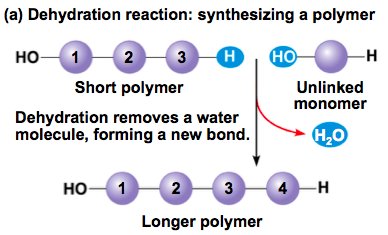
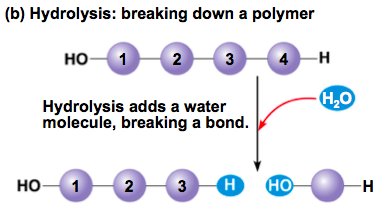
Polymers are long molecules made of repeating units called monomers.
Three of the four classes of macromolecules (carbohydrates, proteins, nucleic acids) are polymers.
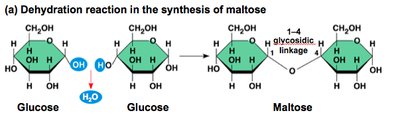
Dehydration reaction: Joins two monomers by removing a water molecule, forming a new bond.
Hydrolysis: Breaks a polymer into monomers by adding a water molecule, breaking a bond.
Enzymes catalyze both dehydration and hydrolysis reactions.
Carbohydrates: Fuel and Building Material
Monosaccharides and Disaccharides
Carbohydrates include sugars and polymers of sugars.
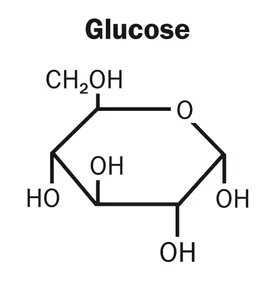
Monosaccharides (simple sugars) have molecular formulas that are multiples of CH2O. Glucose (C6H12O6) is the most common.
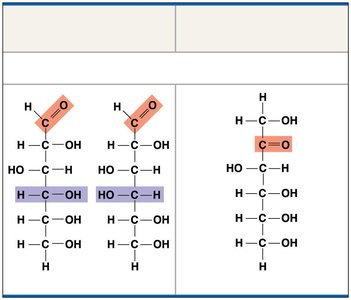
Monosaccharides are classified by the location of the carbonyl group (aldose or ketose) and the number of carbons in the skeleton.
Disaccharides are formed by a dehydration reaction between two monosaccharides, creating a glycosidic linkage.
Polysaccharides: Storage and Structure
Polysaccharides are polymers of sugars with storage or structural roles.
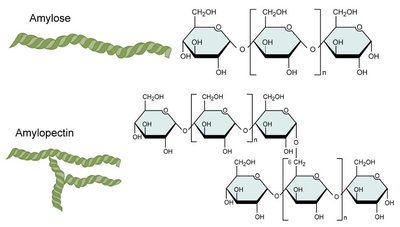
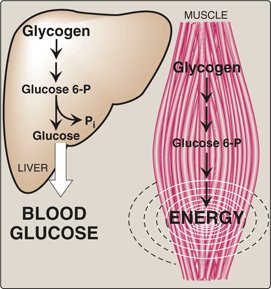
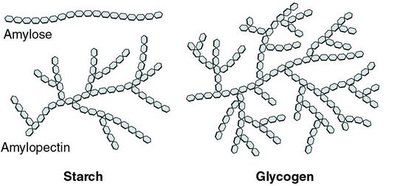
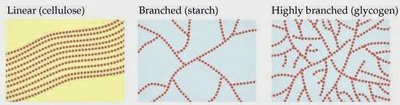
Starch (plants) and glycogen (animals) are storage polysaccharides composed of glucose monomers.
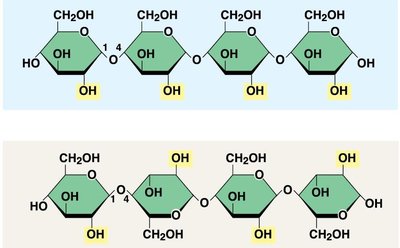
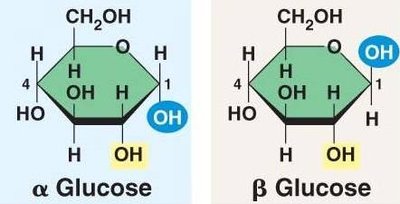
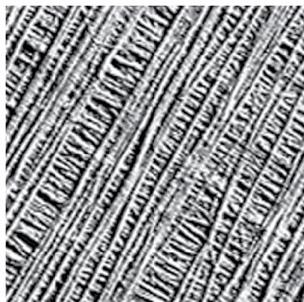
Cellulose is a structural polysaccharide in plant cell walls, differing from starch in glycosidic linkage type (β vs. α).
Lipids: Diverse Hydrophobic Molecules
Fats and Fatty Acids
Lipids are hydrophobic molecules, not true polymers.
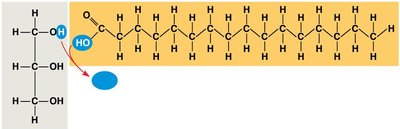
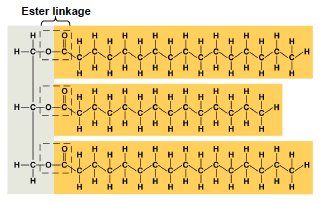
Fats are constructed from glycerol and fatty acids. Three fatty acids joined to glycerol by ester linkages form a triglyceride.
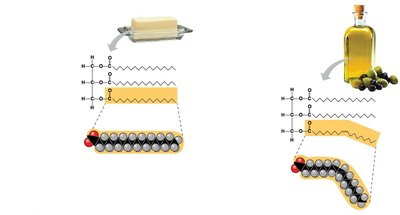
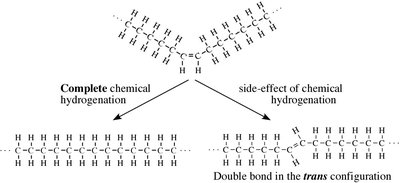
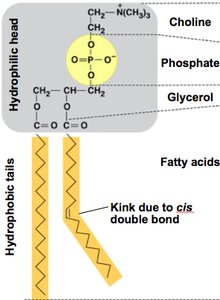
Saturated fatty acids have no double bonds; unsaturated fatty acids have one or more double bonds (cis double bonds cause bending).
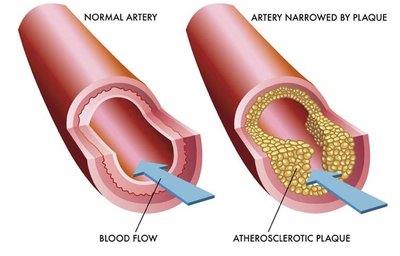
Hydrogenation converts unsaturated fats to saturated fats and can create trans fats.
Fats function as energy storage, insulation, and cushioning for organs.
Phospholipids and Steroids
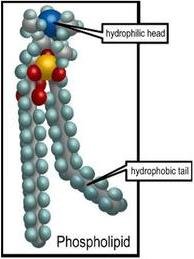
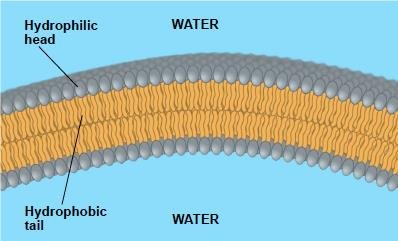
Phospholipids have two fatty acids and a phosphate group attached to glycerol. The hydrophilic head and hydrophobic tails allow them to form cell membranes.
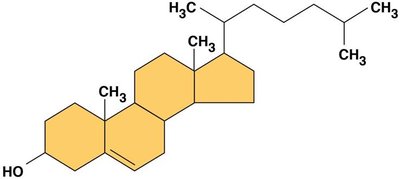
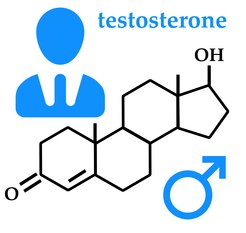
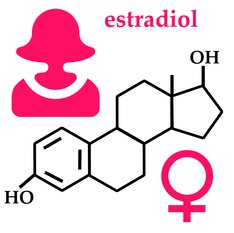
Steroids are lipids with a carbon skeleton of four fused rings. Cholesterol is a key steroid in animal cell membranes and a precursor for other steroids.
Proteins: Structure and Function
Amino Acids and Polypeptides
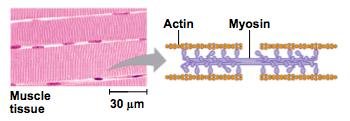
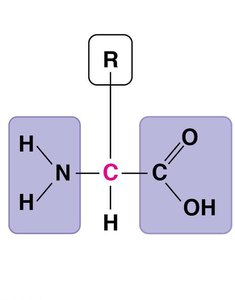
Proteins are polymers of amino acids, linked by peptide bonds to form polypeptides.
Each amino acid has an amino group, carboxyl group, hydrogen atom, and a unique side chain (R group).
The sequence of amino acids determines the protein's structure and function.
Levels of Protein Structure
Primary structure: Unique sequence of amino acids.
Secondary structure: Coils (α helix) and folds (β pleated sheet) formed by hydrogen bonds.
Tertiary structure: Overall 3D shape due to interactions among R groups (hydrogen bonds, ionic bonds, hydrophobic interactions, disulfide bridges).
Quaternary structure: Association of multiple polypeptide chains.
Protein Structure and Disease
Changes in primary structure can affect protein function (e.g., sickle-cell disease).
Physical and chemical conditions (pH, temperature, salt) can denature proteins, making them inactive.
Protein folding is complex; misfolded proteins are linked to diseases like Alzheimer's and Parkinson's.
Nucleic Acids: Information Storage and Transmission
DNA and RNA Structure
Nucleic acids (DNA and RNA) store and transmit hereditary information.
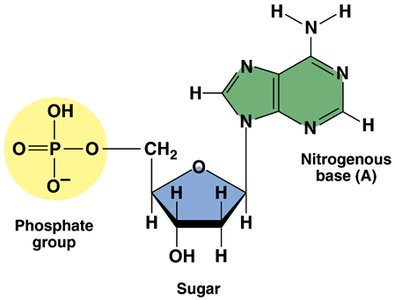
Nucleotides are the monomers, each consisting of a nitrogenous base, a pentose sugar, and one or more phosphate groups.
Nitrogenous bases are classified as pyrimidines (cytosine, thymine, uracil) or purines (adenine, guanine).
DNA contains deoxyribose; RNA contains ribose.
Polynucleotide Formation and Base Pairing
Nucleotides are linked by phosphodiester bonds to form a sugar-phosphate backbone.
DNA is double-stranded, forming a double helix with antiparallel strands (5' → 3' and 3' → 5').
Complementary base pairing: Adenine (A) pairs with Thymine (T), Guanine (G) pairs with Cytosine (C).
This structure allows for accurate DNA replication and gene expression.
Additional info: The structure and function of macromolecules are foundational to understanding cellular processes, genetics, and metabolism in biology.
