 Back
The Structure and Function of Large Biological Molecules
Study Guide - Smart Notes
 Tailored notes based on your materials, expanded with key definitions, examples, and context.
The Structure and Function of Large Biological Molecules
Some Important Organic Molecules
Organic molecules are the foundation of biological macromolecules, which are essential for life. These molecules are often classified based on their structure and function, and are built from smaller units called monomers.
Monomer: A simple organic molecule that can join with others to form polymers.
Polymer: A chain of monomers linked together.
Macromolecule: A large molecule formed by joining many polymers; examples include bread (carbohydrate), bee’s wax (lipid), hemoglobin (protein), and DNA (nucleic acid).
Examples:
Monosaccharide → Carbohydrate → Bread
Glycerol/Fatty acids → Lipids → Bee’s wax
Amino acid → Protein → Hemoglobin
Nucleotides → Nucleic acids → DNA
Synthesis and Breakdown of Polymers
Polymers are synthesized and broken down by specific chemical reactions. The formation and degradation of polymers are crucial for cellular function and metabolism.
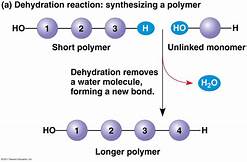
Dehydration Reaction: Joins monomers by removing a water molecule, forming a new bond.
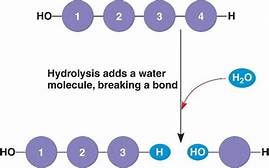
Hydrolysis: Breaks bonds between monomers by adding a water molecule.
Carbohydrates: Fuel and Building Material
Carbohydrates, also known as sugars, serve as energy sources and structural components in cells. Their structure is based on carbon, hydrogen, and oxygen atoms.
General Formula: Ratio of O:H is 1:2.
Types:
Aldose: Aldehyde sugar (C=O at the end).
Ketose: Ketone sugar (C=O within the skeleton).
Monosaccharides: Simple sugars with 3-7 carbons (e.g., glucose has 6 C).
Hexose, Triose, Pentose: Refers to the number of carbon atoms.
Glucose
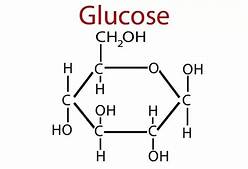
Glucose is a primary energy source for cells and is used in cellular respiration. Most 5- and 6-carbon sugars form rings for stability.
Role: Used in cellular respiration.
Structure: Ring form is most stable.
Function: Carbon skeletons serve as raw materials for synthesis of amino acids and fatty acids.
Disaccharides
Disaccharides are formed by joining two monosaccharides via a dehydration reaction, resulting in a glycosidic linkage.
Examples:
Maltose = 2 glucose molecules
Sucrose = glucose + fructose
Lactose = glucose + galactose
Polysaccharides
Polysaccharides are polymers with hundreds to thousands of monosaccharides joined by glycosidic links. They serve as storage and structural molecules.
Storage Polysaccharides:
Starch (plants, stored in plastids like chloroplasts)
Glycogen (animals, stored in liver and muscle cells)
Structural Polysaccharides:
Cellulose (plants, imparts strength; most animals cannot digest)
Chitin (exoskeletons of arthropods)
Digestibility: Cows can digest cellulose due to gut microbes.
Lipids: Energy Storage and Membranes
Lipids are a diverse group of hydrophobic molecules, essential for energy storage and membrane structure.
Fats: Glycerol + 3 fatty acids; animal origin.
Oils: Plant origin.
Saturated Fatty Acids: No double bonds (lard, butter).
Unsaturated Fatty Acids: One or more double bonds (vegetable oils, fish).
Trans Fats: Produced by hydrogenation; often found in processed foods.
Phospholipids and Steroids
Phospholipids and steroids are critical components of cell membranes. Phospholipids form bilayers, while steroids provide membrane integrity and serve as hormone precursors.
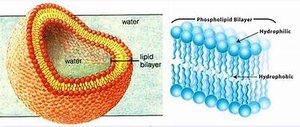
Phospholipids: Glycerol + 2 fatty acids + phosphate group.
Structure: Hydrophobic tails and hydrophilic phosphate head; arranged in a bilayer.
Steroids: Four fused rings; cholesterol is a key steroid in membranes and precursor to sex hormones.
Proteins: Structure, Enzymes, and Hormones
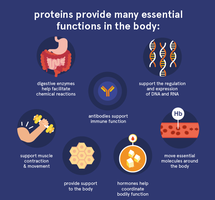
Proteins are highly organized macromolecules with diverse functions, including catalysis, structure, transport, and regulation.
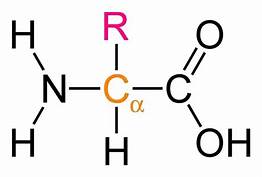
Composition: Amino acids joined by peptide bonds.
Functions: Enzymes, storage, hormonal, motor, defensive, transport, receptor, structural proteins.
Structure: NH2 group, C-C-C backbone, COOH group.
Polypeptides: Structure and Function
Polypeptides are chains of amino acids linked by peptide bonds. The activity of a protein is intricately related to its structure, which determines its function.
Ends: One end has a free amino group, the other a free carboxyl group.
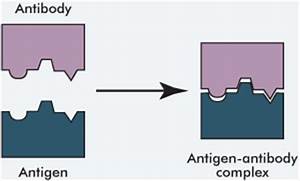
Specificity: Protein shape must be specific to bind other molecules.
Levels of Protein Structure
Proteins have four levels of structure, each contributing to their function and stability.
Primary Structure: Amino acid chain.
Secondary Structure: Alpha helix or beta sheet.
Tertiary Structure: Folded and twisted configuration.
Quaternary Structure: Two or more polypeptides join to make a protein.
Diseases: Incorrect amino acid insertion or folding can cause diseases (e.g., sickle cell, cystic fibrosis, Alzheimer’s, Parkinson’s, mad cow).
Denaturation: Inactivation by heat, pH, or salt concentration changes.
Nucleic Acids: Store and Transmit Genetic Information
Nucleic acids are macromolecules that store and transmit genetic information. They are composed of a phosphate group, a pentose sugar, and a nitrogen-containing base.
Nitrogen Bases:
Purines: Hexagon fused to a pentagon (adenine, guanine).
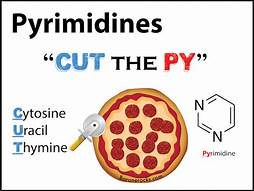
Pyrimidines: Hexagon (cytosine, thymine, uracil).
Types:
DNA: Genetic information
RNA: Ribosomal, transfer, messenger
DNA vs RNA
DNA and RNA are nucleic acids with distinct structural and functional differences.
Feature | DNA | RNA |
|---|---|---|
Sugar | Deoxyribose | Ribose |
Bases | Adenine, Guanine, Thymine, Cytosine | Adenine, Guanine, Uracil, Cytosine |
Strands | Double | Single |
Helix | Yes | No |
Organic Compounds
Organic compounds are molecules containing carbon and are fundamental to all living organisms. They include carbohydrates, lipids, proteins, and nucleic acids.
Key Elements: Carbon, hydrogen, oxygen, nitrogen, phosphorus, sulfur.
Importance: Serve as structural, functional, and informational molecules in cells.
