 Back
Lecture 2 (Ch2)
Study Guide - Smart Notes
 Tailored notes based on your materials, expanded with key definitions, examples, and context.
Themes of Life: Molecules, Cells, Genes
What is Life? Classic Criteria and Common Characteristics
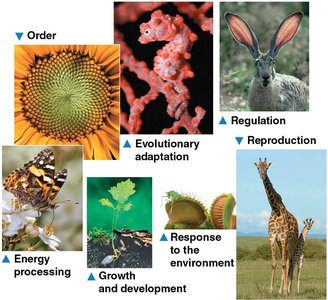
Biologists define life using several classic criteria that distinguish living organisms from non-living entities. These characteristics are foundational to understanding biological systems and their complexity.
Organization: Living things are highly organized, composed of macromolecules, cells, tissues, and organs.
Reproduction: Organisms produce fertile offspring, ensuring the continuation of their species.
Metabolism: Life uses energy to carry out essential functions, such as growth and repair.
Response to Stimuli: Organisms can detect and respond to environmental changes (e.g., pupils dilate in bright light).
Homeostasis: Living things maintain stable internal conditions (e.g., temperature, fluid regulation).
Adaptation via Evolution: Populations evolve over time to adapt to their environment.
Growth and Development: Organisms grow and develop through defined stages (e.g., embryo → fetus → baby).
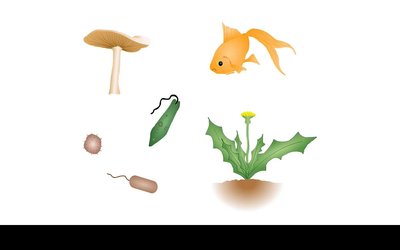
Biology: The Scientific Study of Life
Biology is the discipline that investigates living organisms, their structure, function, growth, origin, evolution, and distribution. It seeks to answer fundamental questions about what constitutes life and how life operates.
Scientific Inquiry: Forming and Testing Hypotheses
The Scientific Method
Scientific inquiry is a systematic process used to investigate natural phenomena. It involves several key steps:
Observation: Gathering information about the natural world.
Question: Asking questions based on observations.
Hypothesis: Formulating a logical, testable explanation.
Experimentation: Testing the hypothesis through controlled experiments.
Data collected can be qualitative (descriptive) or quantitative (numerical).
Unifying Themes in Biology
Five Unifying Themes
The study of life reveals several unifying themes that connect all biological disciplines:
Organization: Life is structured at multiple levels, from molecules to the biosphere. Emergent properties arise from the arrangement and interaction of parts.
Information: Genetic information is stored in DNA and expressed through gene expression (DNA → RNA → Proteins).
Energy and Matter: Life requires the transfer and transformation of energy and matter, primarily through metabolism.
Interactions: Components within organisms interact, often regulated by feedback mechanisms.
Evolution: Evolution explains both the unity and diversity of life.
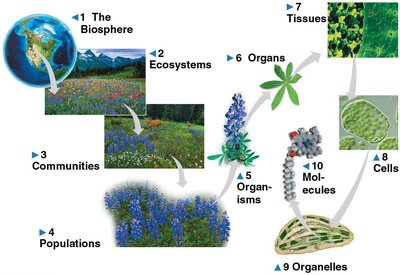
Levels of Biological Organization
Biological systems are organized hierarchically, with each level exhibiting emergent properties.
Biosphere → Ecosystems → Communities → Populations → Organisms → Organs → Tissues → Cells → Organelles → Molecules
Emergent Properties and Reductionism
Emergent properties are characteristics that arise from the arrangement and interaction of parts within a system. Reductionism involves studying individual components, while systems biology focuses on interactions and emergent properties.
Structure and Function
There is a strong correlation between structure and function at every level of biological organization. Analyzing structure provides insight into function, and vice versa.

The Cell: Basic Unit of Structure and Function
Cell Theory and Cell Types
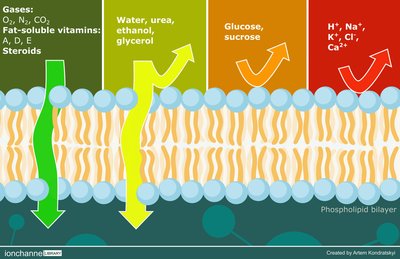
The cell is the smallest unit capable of performing all life activities. The cell theory states that all living organisms are composed of cells. Cells are enclosed by membranes that regulate material exchange.
Prokaryotic cells: Simpler, smaller, lack a nucleus and membrane-bound organelles (e.g., bacteria, archaea).
Eukaryotic cells: Larger, contain a nucleus and membrane-bound organelles (e.g., plants, animals, fungi).
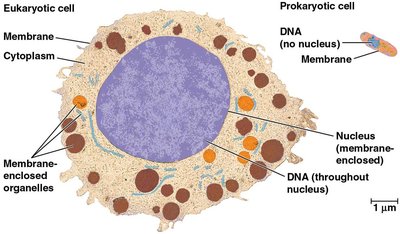
Genetic Information: DNA and Gene Expression
DNA: The Genetic Material
Chromosomes contain DNA, which encodes genetic information. Genes are units of inheritance that direct the synthesis of molecules within the cell.
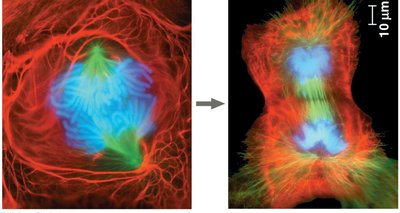
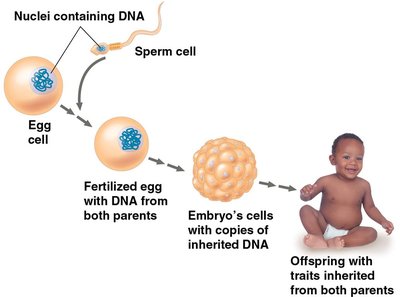
Gene Expression
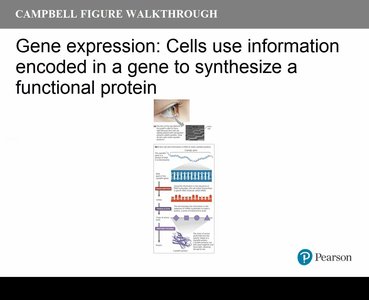
Gene expression is the process by which information from a gene is used to synthesize a functional protein. The steps include:
Transcription: DNA is transcribed into messenger RNA (mRNA).
Translation: mRNA is translated into a chain of amino acids, forming a protein.
Protein Folding: The chain folds into a functional protein.
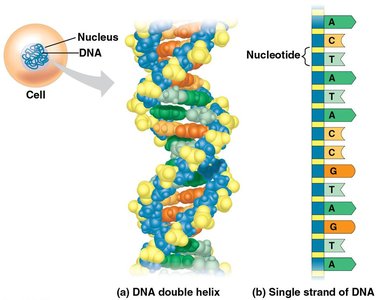
Genomes and Proteomes
An organism's genome is its complete set of genetic instructions. The proteome is the entire set of proteins expressed by a cell, tissue, or organism.
Energy and Matter: Transfer and Transformation
Energy Flow and Chemical Cycling
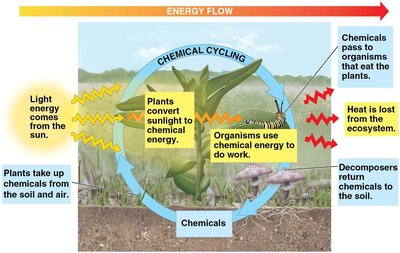
Life depends on the input of energy from the sun and the transformation of energy from one form to another. Producers (e.g., plants) convert sunlight into chemical energy, which is passed to consumers.
Energy flows through ecosystems, entering as light and exiting as heat.
Chemicals cycle within ecosystems, being used and recycled.
Interactions and Feedback Regulation
Interactions Within Organisms
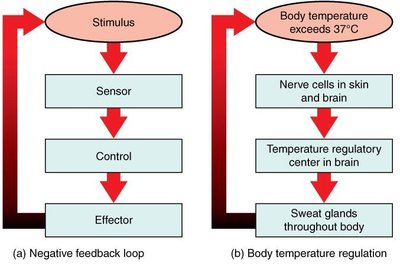
Biological processes are regulated by interactions among organs, tissues, cells, and molecules. Feedback mechanisms are crucial for maintaining homeostasis.
Feedback Regulation
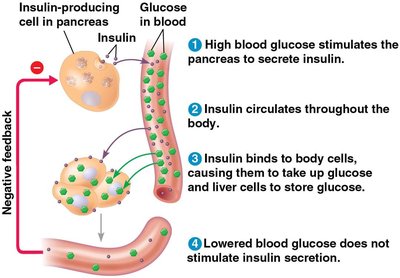
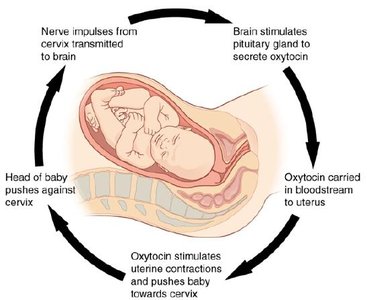
Feedback regulation involves the output of a process regulating that process. The two main types are:
Negative feedback: The response reduces the initial stimulus (e.g., regulation of blood glucose).
Positive feedback: The response amplifies the stimulus (e.g., uterine contractions during childbirth).
Evolution: Unity and Diversity of Life
Evolutionary Theory
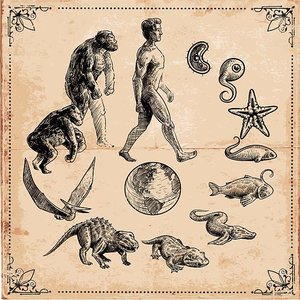
Evolution is the concept that living organisms are modified descendants of common ancestors. It explains both the unity and diversity of life, as populations adapt to their environments over time.
Summary Table: Unifying Themes in Biology
Theme | Description |
|---|---|
Organization | Hierarchical structure, emergent properties |
Information | DNA, gene expression, inheritance |
Energy and Matter | Metabolism, energy flow, chemical cycling |
Interactions | Feedback regulation, homeostasis |
Evolution | Unity and diversity, adaptation |
Next Steps
Upcoming topics will cover the chemistry foundations of life, including elements and atoms, as well as biochemistry (molecules of life).
Additional info: The notes expand on brief lecture points to provide academic context, definitions, and examples for clarity and completeness.
