 Back
Translation: Decoding mRNA into Protein
Study Guide - Smart Notes
 Tailored notes based on your materials, expanded with key definitions, examples, and context.
Translation: mRNA to Protein
Overview of Translation
Translation is the process by which messenger RNA (mRNA) is decoded by ribosomes to synthesize proteins. This process is fundamental to gene expression and occurs in the cytoplasm of cells. - Key Point 1: Translation converts the nucleotide sequence of mRNA into the amino acid sequence of a polypeptide. - Key Point 2: The ribosome reads mRNA in the 5’ → 3’ direction, assembling the protein from the N-terminus to the C-terminus. - Example: The start codon (AUG) signals the beginning of translation and codes for methionine. 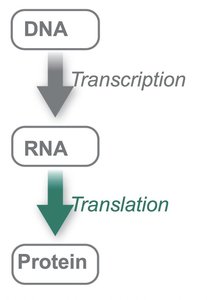
The Genetic Code and Codons
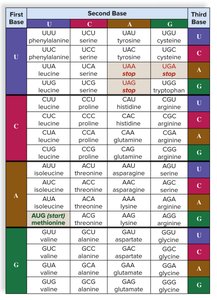
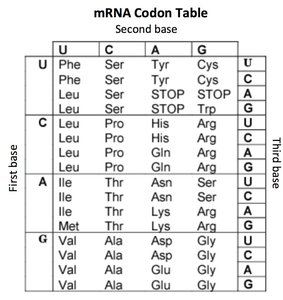
The genetic code consists of triplet codons in mRNA, each specifying an amino acid or a stop signal. - Key Point 1: There are 64 possible codons (4 bases^3), but only 20 amino acids, resulting in redundancy. - Key Point 2: Start codon: AUG (methionine); Stop codons: UAA, UAG, UGA. - Example: Codons CAU and CAC code for histidine; CAA and CAG code for glutamine. 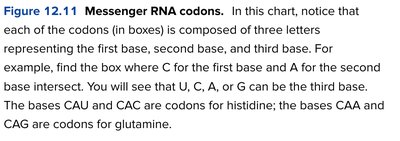
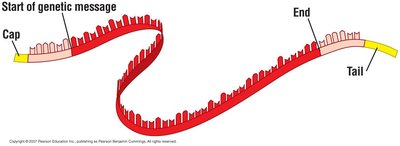
Transcription and Translation Relationship
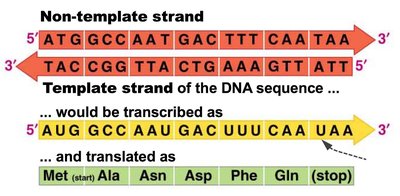
Transcription produces mRNA from DNA, which is then translated into protein. - Key Point 1: The non-template DNA strand is similar to mRNA except for T/U differences. - Key Point 2: The template strand is used to synthesize mRNA, which is then translated. 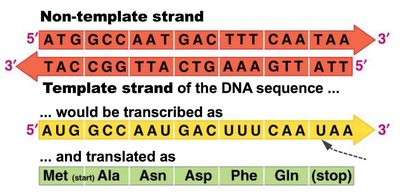
Components Required for Translation
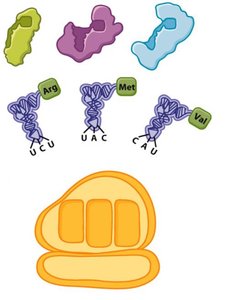
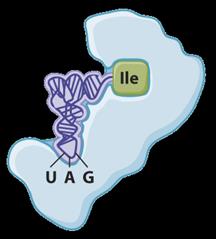
Several molecular components are essential for translation: - Messenger RNA (mRNA): Carries the genetic code from DNA. - Transfer RNA (tRNA): Brings amino acids to the ribosome; each tRNA has an anticodon complementary to the mRNA codon. - Ribosomal RNA (rRNA) and Ribosomal Proteins: Form the ribosome, which catalyzes peptide bond formation. - Aminoacyl tRNA Synthetases: Enzymes that charge tRNAs with their specific amino acids. 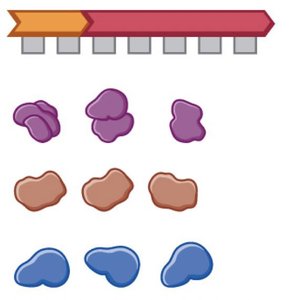

Structure and Function of tRNA
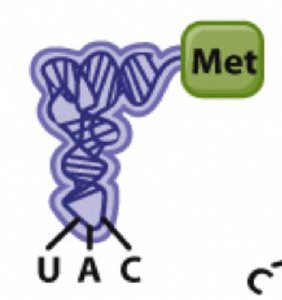
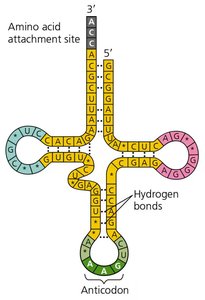
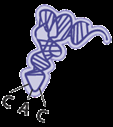
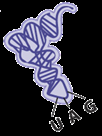
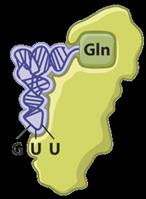
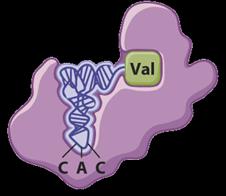
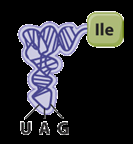
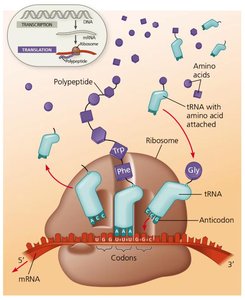
tRNA molecules have a characteristic cloverleaf structure, with an anticodon loop and an amino acid attachment site. - Key Point 1: The anticodon is antiparallel and complementary to the mRNA codon. - Key Point 2: tRNA is charged with an amino acid by a specific aminoacyl tRNA synthetase. 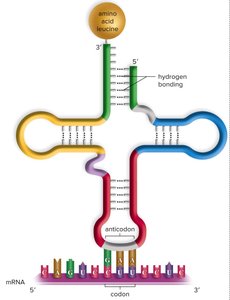
Translation Initiation
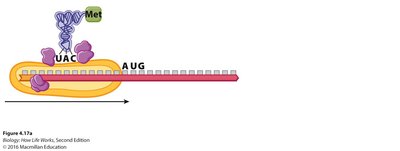
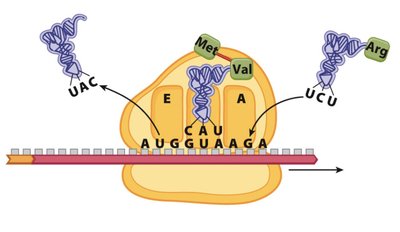
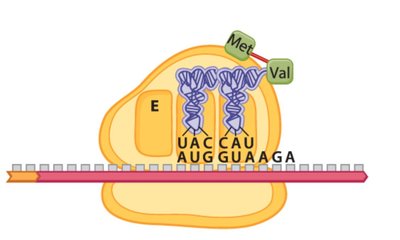
Translation begins when the small ribosomal subunit binds to the mRNA and scans for the start codon (AUG). - Key Point 1: Initiation factors help assemble the initiation complex. - Key Point 2: The initiator tRNA (charged with methionine) binds to the start codon. 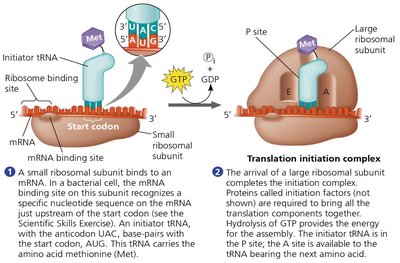
Translation Elongation
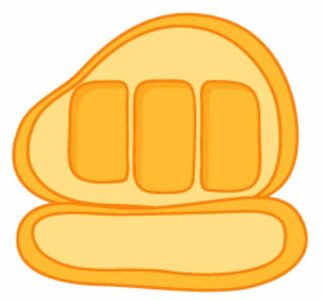
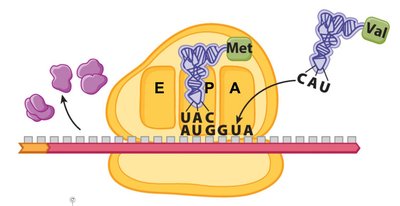
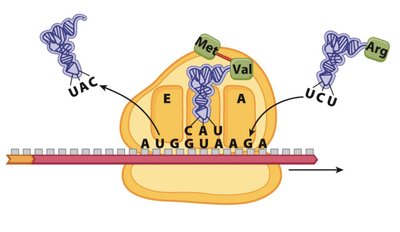
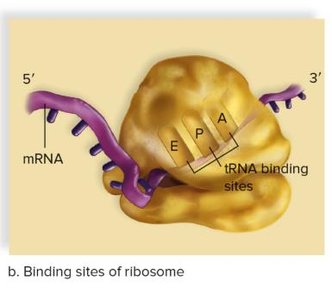
During elongation, the ribosome moves along the mRNA, matching codons with tRNA anticodons and forming peptide bonds. - Key Point 1: The ribosome has three binding sites: A (aminoacyl), P (peptidyl), and E (exit). - Key Point 2: Peptide bonds are formed between amino acids, catalyzed by the ribosome.
Translation Termination
Translation ends when a stop codon enters the A site. - Key Point 1: Release factors bind to the stop codon, causing the polypeptide to be released. - Key Point 2: The ribosome dissociates, freeing the mRNA and newly synthesized protein.
Polyribosomes and Protein Synthesis Locations
Multiple ribosomes can translate a single mRNA simultaneously, forming a polyribosome (polysome). - Key Point 1: Proteins are synthesized either on free ribosomes in the cytoplasm or on ribosomes bound to the rough endoplasmic reticulum (RER). - Key Point 2: Proteins destined for secretion or membrane insertion are synthesized on the RER. 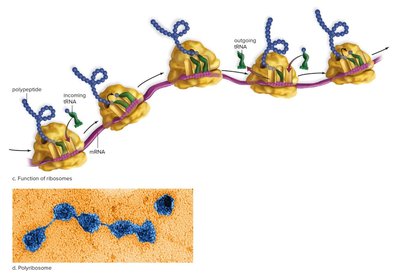
Summary Table: Codons and Amino Acids
Codon | Amino Acid |
|---|---|
AUG | Methionine (Start) |
UAA, UAG, UGA | Stop |
CAU, CAC | Histidine |
CAA, CAG | Glutamine |
GCA | Alanine |
UCU | Serine |
UAC | Tyrosine |
GGC | Glycine |
CCU | Proline |
CAG | Glutamine |
UGC | Cysteine |
CGU | Arginine |
Peptide Bond Formation
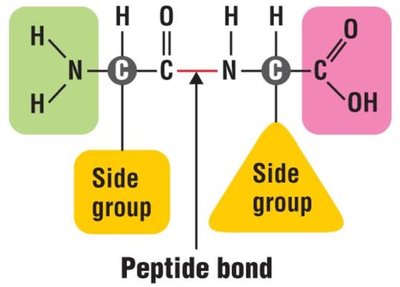
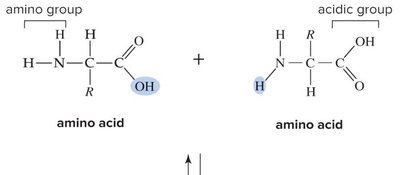
Peptide bonds link amino acids together in a polypeptide chain. - Key Point 1: The bond forms between the carboxyl group of one amino acid and the amino group of another. - Equation:
Key Concepts and Review Questions
- Each amino acid is specified by one or more codons. - The tRNA anticodon is antiparallel and complementary to the mRNA codon, forming hydrogen bonds. - mRNA is read and made in the 5’ to 3’ direction. - Translation begins at the first start codon (AUG) and proceeds codon by codon. - Proteins not destined for the cytoplasm are synthesized on the RER and processed through the secretory pathway. Additional info: The notes include expanded explanations of translation steps, codon tables, and peptide bond formation for completeness and academic quality.
