 Back
Chapter 1 Study Guide
Study Guide - Smart Notes
 Tailored notes based on your materials, expanded with key definitions, examples, and context.
Introduction to Biology
What is Biology?
Biology is the scientific study of life, encompassing a vast scope from molecular to planetary levels. Life is recognized by the unique activities and characteristics of living organisms.
Definition: Biology investigates the structure, function, growth, origin, evolution, and distribution of living organisms.
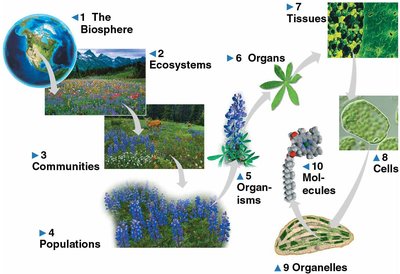
Scope: Includes molecules, cells, tissues, organs, organisms, populations, communities, ecosystems, and the biosphere.
Key Activities: Growth, reproduction, response to environment, regulation, energy processing, evolutionary adaptation, and order.
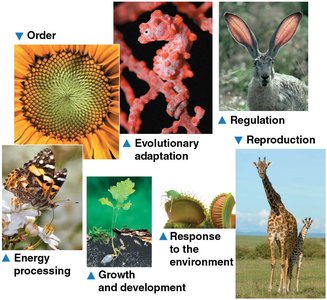
Unifying Themes in Biology
Five Unifying Themes
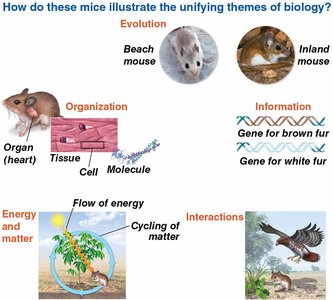
Biology is organized around five major themes that help explain the complexity and diversity of life.
Organization: Life is structured in hierarchical levels, from molecules to the biosphere.
Information: Genetic information is stored, transmitted, and expressed within organisms.
Energy and Matter: Life requires the transfer and transformation of energy and matter.
Interactions: Organisms interact with each other and their environment.
Evolution: Evolution accounts for the unity and diversity of life.
Levels of Biological Organization
Hierarchical Structure
Life can be studied at different levels, each with unique emergent properties. Reductionism simplifies complex systems, while systems biology analyzes interactions among components.
Levels: Biosphere, ecosystems, communities, populations, organisms, organs, tissues, cells, organelles, molecules.
Emergent Properties: New properties arise at each level due to arrangement and interaction of parts.
Reductionism: Studies isolated components for manageability.
Systems Biology: Integrates interactions to understand emergent properties.
Structure and Function
Correlation at All Levels
Structure and function are closely related in biology. Analyzing structure provides clues to function, and vice versa.
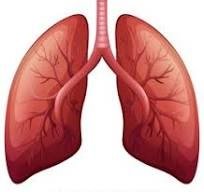
Example: The structure of lungs enables gas exchange; the arrangement of cells allows breathing.
Application: Understanding structure helps predict function and organization.
The Cell: Basic Unit of Life
Cell Theory and Types
The cell is the smallest unit capable of all life activities. All living organisms are composed of cells, which are enclosed by membranes.
Cell Theory: All living things are made of cells.
Prokaryotic Cells: Simpler, smaller, no nucleus or membrane-bound organelles (Bacteria, Archaea).
Eukaryotic Cells: Larger, contain nucleus and membrane-bound organelles (Plants, Animals, Fungi, Protists).
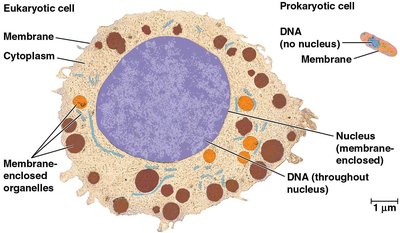
Genetic Information: DNA and Gene Expression
DNA Structure and Function
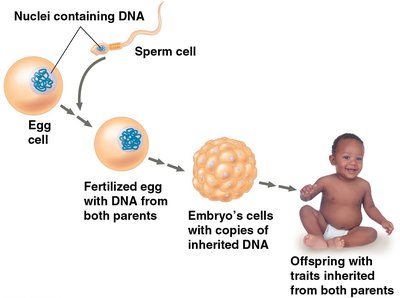
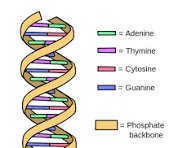
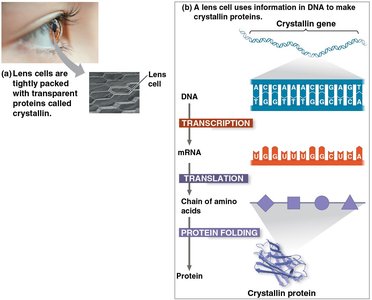
Chromosomes contain DNA, the genetic material. DNA encodes genes, which direct the synthesis of molecules and development of organisms.
DNA: Double helix structure, composed of nucleotides (A, G, C, T).
Genes: Units of inheritance, encode information for building proteins.
Gene Expression: DNA is transcribed to RNA, then translated to protein.
Genomics and Proteomics
Large-Scale Analysis
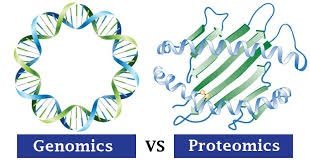
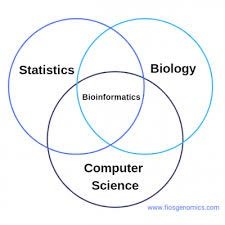
Genomics studies the entire genome, while proteomics studies the complete set of proteins. High-throughput technology and bioinformatics are essential for analyzing large datasets.
Genome: Complete genetic library of an organism.
Proteome: Entire set of proteins expressed by a cell, tissue, or organ.
Bioinformatics: Computational tools for processing biological data.
Energy and Matter
Transfer and Transformation
Life depends on the input of energy from the sun and the transformation of energy and matter. Producers generate chemical energy, which is transferred to consumers.
Producers: Photosynthetic organisms (plants) convert solar energy to chemical energy.
Consumers: Organisms that feed on other organisms or their remains.
Energy Flow: Energy flows through ecosystems, while matter cycles.
Interactions and Feedback Regulation
Biological Systems and Regulation
Interactions among organs, tissues, cells, and molecules are crucial for smooth operation. Feedback regulation self-regulates biological processes.
Negative Feedback: Response reduces the initial stimulus (common).
Positive Feedback: End product speeds up its own production (less common).
Ecosystems and Environmental Interactions
Organisms and Their Environment
Organisms interact with each other and with physical factors in their environment. Human activities have impacted ecosystems, leading to climate change and species decline.
Interactions: Can be beneficial or harmful.
Environmental Impact: Burning fossil fuels increases CO2, causing global warming.
Species Response: Range shifts, population decline, or extinction.
Evolution: Unity and Diversity of Life
Core Theme of Biology
Evolution explains both the unity and diversity of life. Organisms are modified descendants of common ancestors, and natural selection drives adaptation.
Evidence: Fossils, anatomical similarities, genetic data.
Natural Selection: Individuals with advantageous traits survive and reproduce.
Adaptation: Traits suited to environment increase in frequency.
Classification of Life
Three Domains and Four Eukaryotic Subgroups
Life is classified into three domains: Bacteria, Archaea, and Eukarya. Eukarya includes plants, fungi, animals, and protists.
Bacteria: Prokaryotic, diverse, widespread.
Archaea: Prokaryotic, often found in extreme environments.
Eukarya: Eukaryotic, includes four subgroups.
Protists: Most numerous and diverse eukaryotes.
Scientific Method and Inquiry
Forming and Testing Hypotheses
Science is a process of inquiry involving observation, hypothesis formation, and experimentation. Hypotheses must be testable and lead to predictions.
Observation: Gathering data about natural phenomena.
Hypothesis: Testable explanation based on observations.
Experiment: Controlled test to evaluate hypotheses.
Inductive Reasoning: Generalizations from specific observations.
Deductive Reasoning: Specific predictions from general premises.
Variables and Controls in Experiments
Experimental Design
Controlled experiments compare experimental and control groups. Variables are features that change; independent variables are manipulated, dependent variables are measured.
Experimental Group: Receives the treatment or manipulation.
Control Group: Serves as a baseline for comparison.
Independent Variable: Manipulated by researchers.
Dependent Variable: Predicted to be affected.
Theories in Science
Scientific Theory vs. Hypothesis
A scientific theory is broader than a hypothesis, generates new hypotheses, and is supported by substantial evidence.
Theory: Broad, general, well-supported.
Hypothesis: Specific, testable, narrower in scope.
Science, Technology, and Society
Interdependence and Impact
Science aims to understand natural phenomena, while technology applies scientific knowledge. Both are interdependent and can have dramatic effects on society.
Example: DNA discovery led to advances in genetic technology.
Ethical Debates: Focus on "should we do it" rather than "can we do it".
Cooperative Approach in Science
Teamwork and Peer Review
Most scientists work in teams, sharing results through communication and peer review. Research papers are vetted before publication.
Collaboration: Essential for scientific progress.
Peer Review: Ensures quality and reliability of scientific findings.
