Back

Unit I Study Notes: Introduction to Biology, Chemistry of Life, and The Cell

Study Guide - Learn with Videos

Curated lessons matched to your uploaded material – learn every topic step by step.

Introduction to Biology

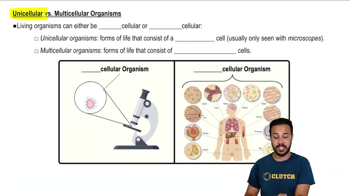
  • Unicellular vs. Multicellular
    02:09
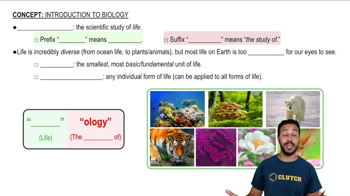
  • Introduction to Biology
    02:54
  • Introduction to Biology Channel
    1:28

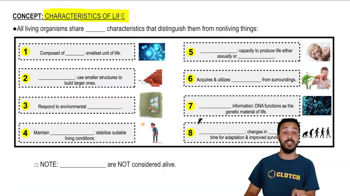
Characteristics of Life

  • Characteristics of Life
    09:26
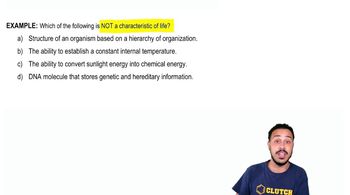
  • Characteristics of Life Example 1
    02:59
Life's Organizational Hierarchy

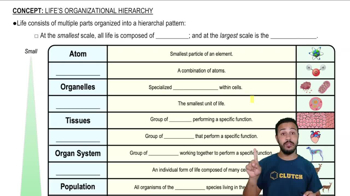
  • Life's Organizational Hierarchy
    09:50
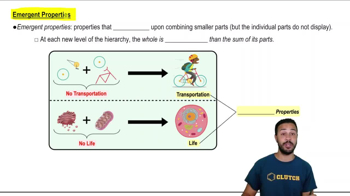
  • Emergent Properties
    04:05
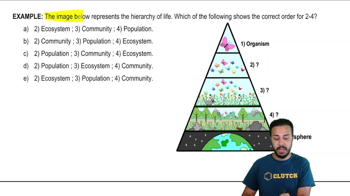
  • Life's Organizational Hierarchy Example 1
    03:05

Scientific Method

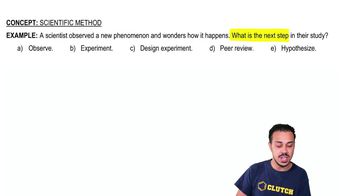
  • Scientific Method Example 1
    01:35
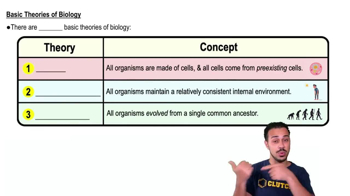
  • Basic Theories of Biology
    03:03
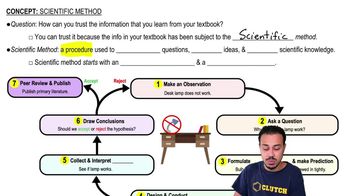
  • Scientific Method
    06:29

Experimental Design

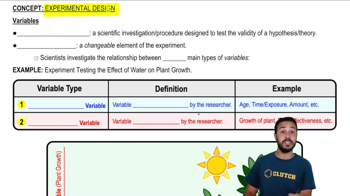
  • Variables
    07:36
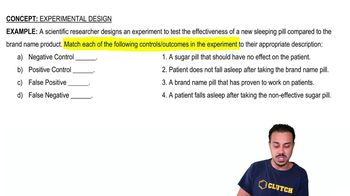
  • Experimental Design Example 1
    02:50
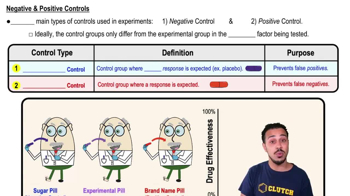
  • Negative & Positive Controls
    07:42

Atoms- Smallest Unit of Matter

  • Atoms- Smallest Unit of Matter Example 1
    02:13
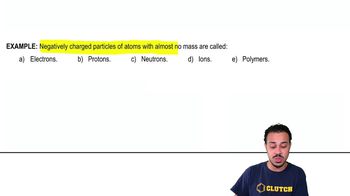
  • Atoms- Smallest Unit of Matter Example 3
    03:51
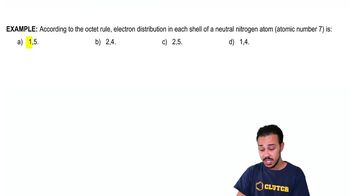
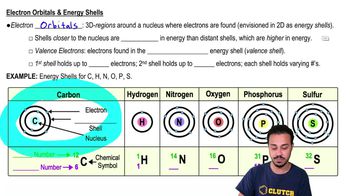
  • Electron Orbitals & Energy Shells
    09:44

Isotopes

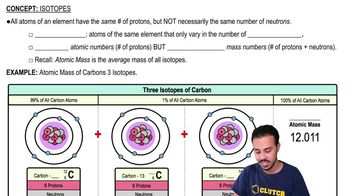
  • Isotopes
    06:50
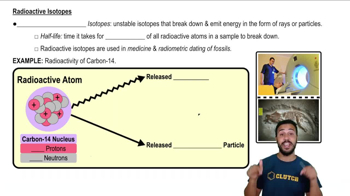
  • Radioactive Isotopes
    02:37

Introduction to Chemical Bonding

  • Introduction to Chemical Bonding Example 1
    1:59
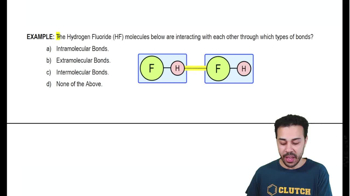
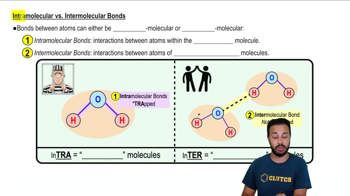
  • Intramolecular vs. Intermolecular Bonds
    03:53
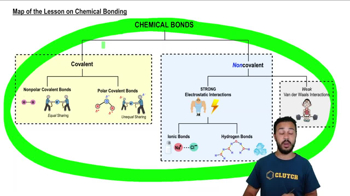
  • Map of the Lesson on Chemical Bonding
    02:42

Covalent Bonds

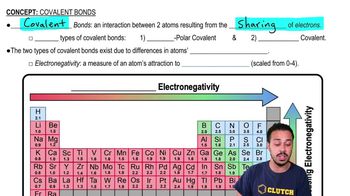
  • Covalent Bonds
    04:28
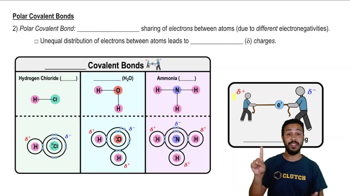
  • Polar Covalent Bonds
    06:59
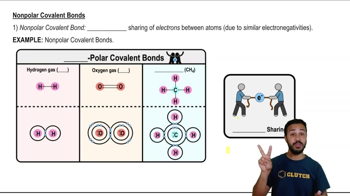
  • Nonpolar Covalent Bonds
    06:41

Ionic Bonding

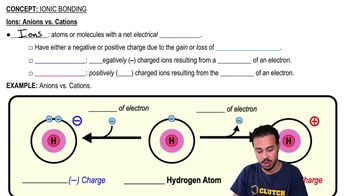
  • Ions: Anions vs. Cations
    04:34
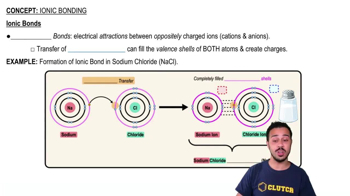
  • Ionic Bonds
    06:07

Hydrogen Bonding

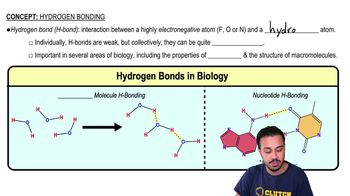
  • Hydrogen Bonding
    05:03

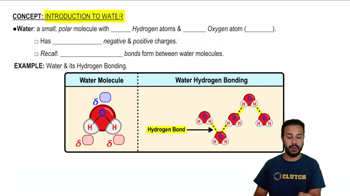
Introduction to Water

  • Introduction to Water
    01:54
  • Introduction to Water Example 1
    01:51
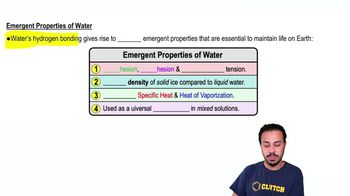
  • Emergent Properties of Water
    01:29

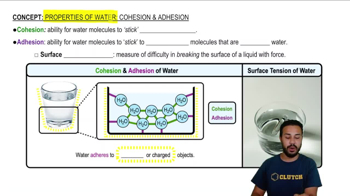
Properties of Water- Cohesion and Adhesion

  • Properties of Water- Cohesion and Adhesion Example 1
    01:46
  • Properties of Water- Cohesion and Adhesion
    04:16

Acids and Bases

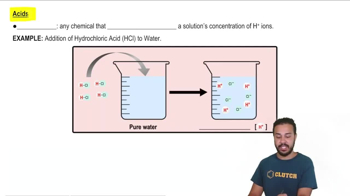
  • Acids
    02:45
  • Acids and Bases
    01:29
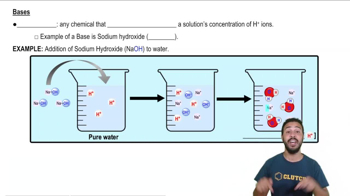
  • Bases
    03:48

pH Scale

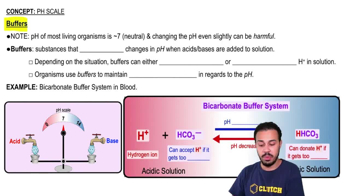
  • Buffers
    05:38
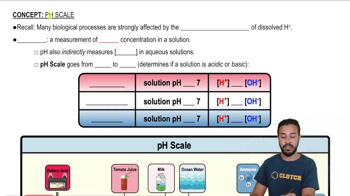
  • pH Scale
    11:05

Carbon

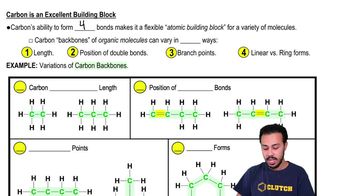
  • Carbon is an Excellent Building Block
    03:35
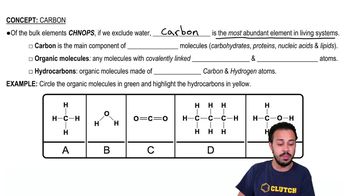
  • Carbon
    04:19

Functional Groups

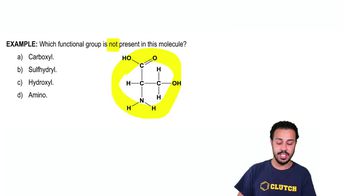
  • Functional Groups Example 1
    02:00
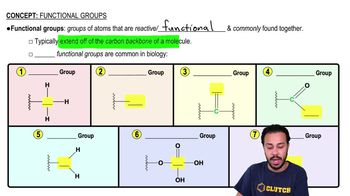
  • Functional Groups
    06:04

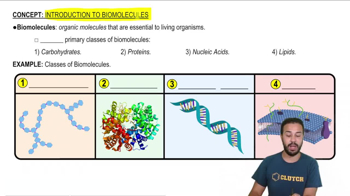
Introduction to Biomolecules

  • Introduction to Biomolecules
    01:17
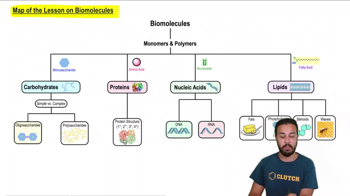
  • Map of the Lesson on Biomolecules
    01:29

Monomers & Polymers

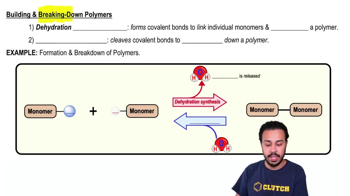
  • Building & Breaking-Down Polymers
    04:19
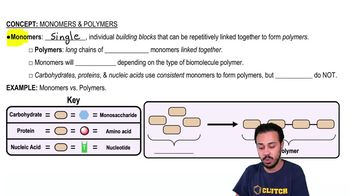
  • Monomers & Polymers
    03:42

Carbohydrates

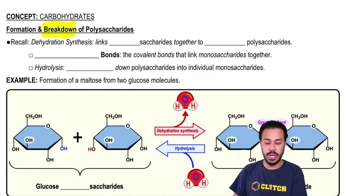
  • Formation & Breakdown of Polysaccharides
    03:08
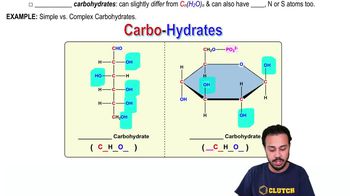
  • Carbohydrates
    04:53
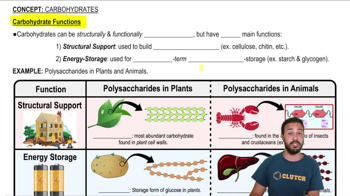
  • Carbohydrate Functions
    05:08

Proteins

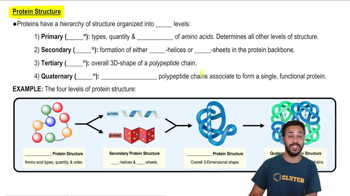
  • Protein Structure
    08:02
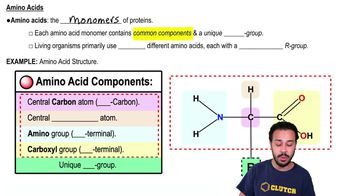
  • Amino Acids
    04:37
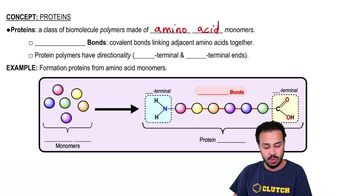
  • Proteins
    02:50

Lipids

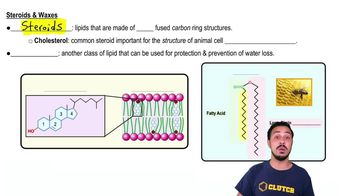
  • Steroids & Waxes
    03:30
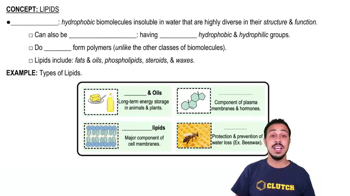
  • Lipids
    04:19
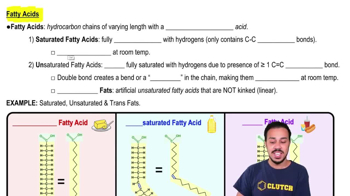
  • Fatty Acids
    06:59

Enzymes

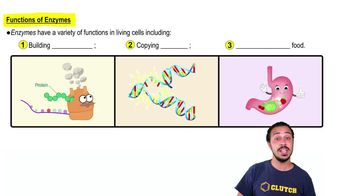
  • Functions of Enzymes
    02:32
  • Enzymes Example 1
    02:25
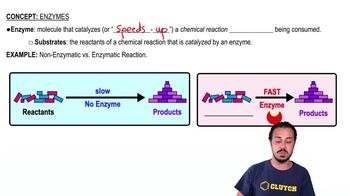
  • Enzymes
    02:55

Enzyme Activation Energy

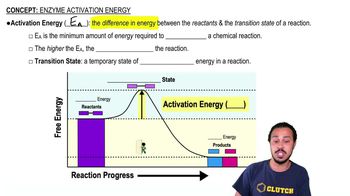
  • Enzyme Activation Energy
    04:18
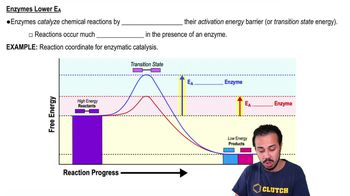
  • Enzymes Lower Activation Energy
    03:26

Enzyme Inhibition

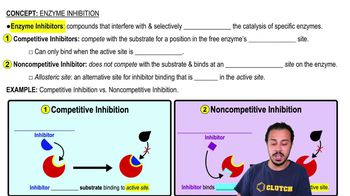
  • Enzyme Inhibition
    05:03

Microscopes

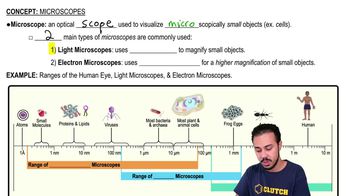
  • Microscopes
    06:35
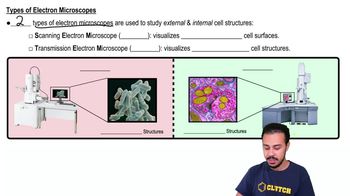
  • Types of Electron Microscopes
    02:52

Prokaryotic & Eukaryotic Cells

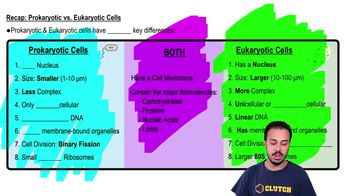
  • Recap: Prokaryotic vs. Eukaryotic Cells
    04:26
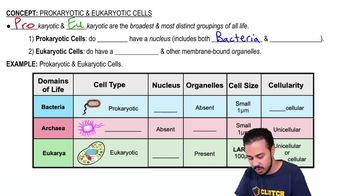
  • Prokaryotic & Eukaryotic Cells
    05:54
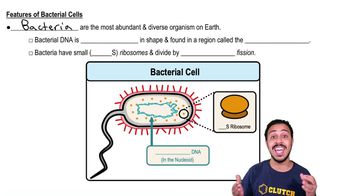
  • Features of Bacterial Cells
    03:54

Introduction to Eukaryotic Organelles

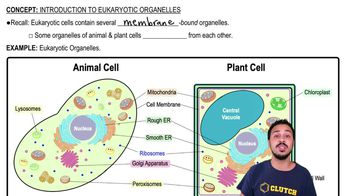
  • Introduction to Eukaryotic Organelles
    03:45
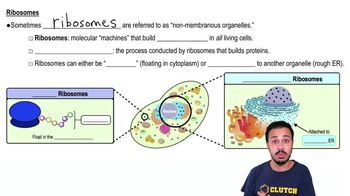
  • Ribosomes
    06:51
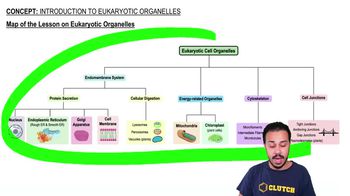
  • Map of the Lesson on Eukaryotic Organelles
    02:43

Endomembrane System: Protein Secretion

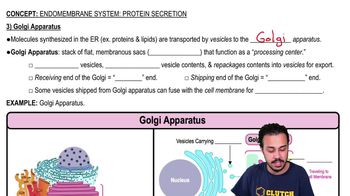
  • Golgi Apparatus
    06:02
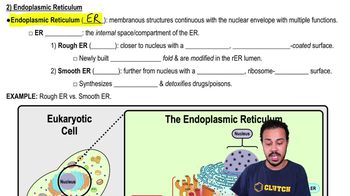
  • Endoplasmic Reticulum
    06:07
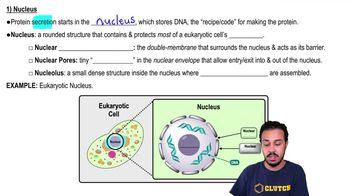
  • Nucleus
    06:32

Endomembrane System: Digestive Organelles

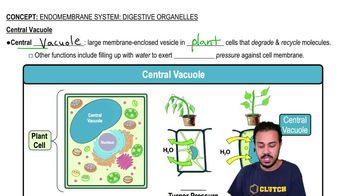
  • Central Vacuole
    03:35
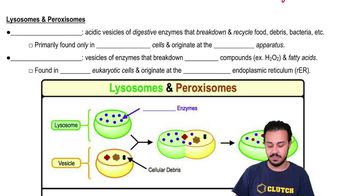
  • Lysosomes & Peroxisomes
    05:38

Mitochondria & Chloroplasts

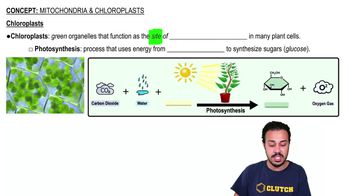
  • Chloroplasts
    03:16
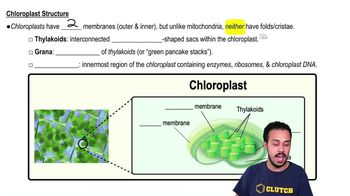
  • Chloroplast Structure
    03:41
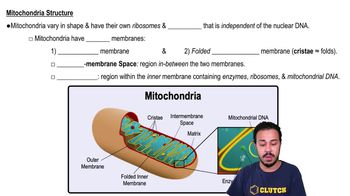
  • Mitochondria Structure
    04:45

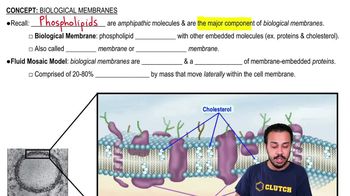
Biological Membranes

  • Biological Membranes Example 1
    02:21
  • Biological Membranes
    06:04

Introduction to Membrane Transport

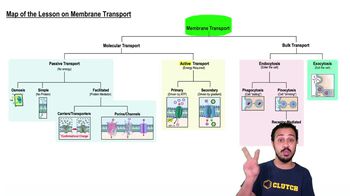
  • Map of the Lesson on Membrane Transport
    02:33
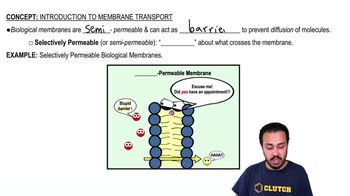
  • Introduction to Membrane Transport
    02:47
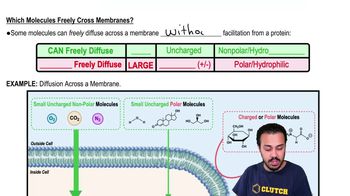
  • Which Molecules Freely Cross Membranes?
    07:10

Passive vs. Active Transport

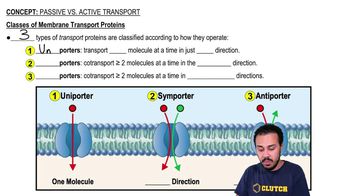
  • Classes of Membrane Transport Proteins
    03:28
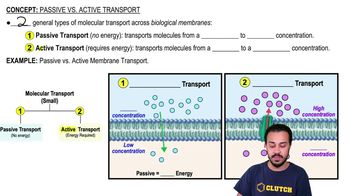
  • Passive vs. Active Transport
    04:18

Osmosis

  • Osmosis Example 1
    02:18
  • Osmosis
    05:59
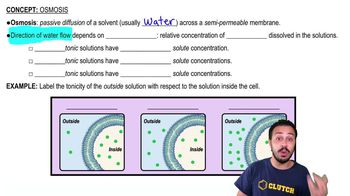
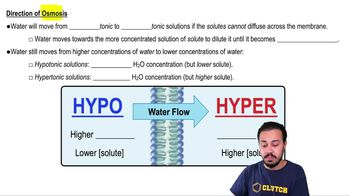
  • Direction of Osmosis
    06:48

Simple and Facilitated Diffusion

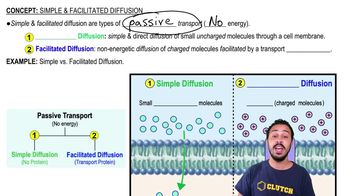
  • Simple and Facilitated Diffusion
    05:10
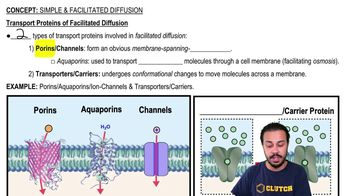
  • Transport Proteins of Facilitated Diffusion
    04:49

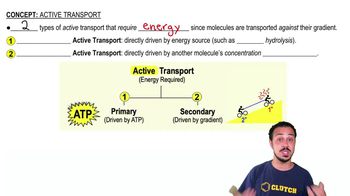
Active Transport

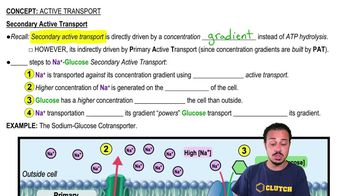
  • Secondary Active Transport
    07:06
  • Active Transport
    02:37
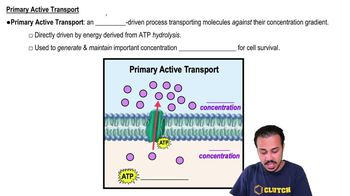
  • Primary Active Transport
    02:53

Endocytosis and Exocytosis

  • Endocytosis and Exocytosis Example 1
    01:52
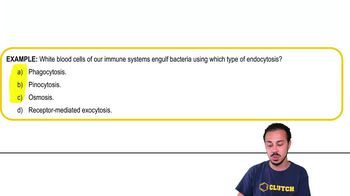
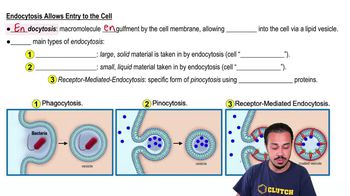
  • Endocytosis Allows Entry to the Cell
    04:18
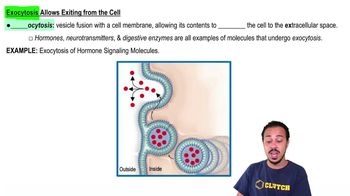
  • Exocytosis Allows Exiting from the Cell
    02:28

ATP

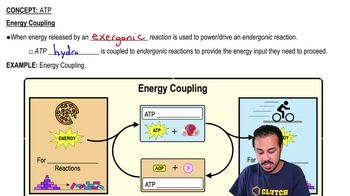
  • Energy Coupling
    04:57
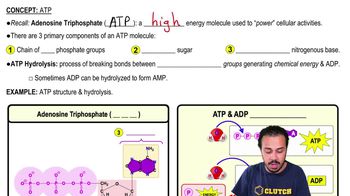
  • ATP
    06:43
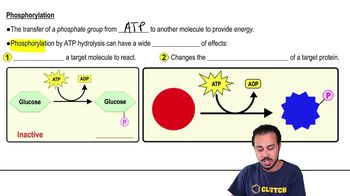
  • Phosphorylation
    03: