 Back
BackViruses and Evolution: Infectious Diseases and the History of Life
Study Guide - Smart Notes
 Tailored notes based on your materials, expanded with key definitions, examples, and context.
Viruses: Structure, Life Status, and Infection Cycles
Are Viruses Alive?
Viruses are unique biological entities that challenge the definition of life. While they share some characteristics with living organisms, they lack others, leading most biologists to classify them as non-living.
Key Characteristics of Life: Reproduction, growth and development, energy use, order, and cellular structure.
Viruses: Cannot reproduce or carry out metabolism independently; they require a host cell to replicate.
Conclusion: Viruses do not meet all the criteria for life, particularly independent reproduction and metabolism.
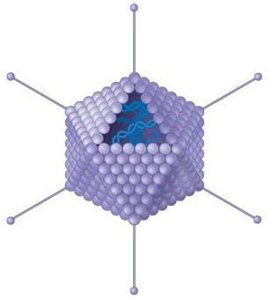
Structure of Viruses
Viruses have a simple structure, typically consisting of genetic material encased in a protein shell.
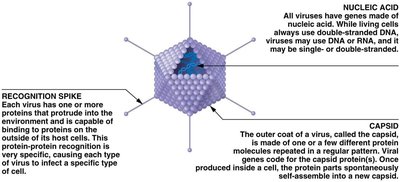
Nucleic Acid: Can be DNA or RNA, single- or double-stranded.
Capsid: Protein coat that protects the genetic material and facilitates infection of host cells.
Recognition Spikes: Surface proteins that bind to specific receptors on host cells, determining host range and specificity.
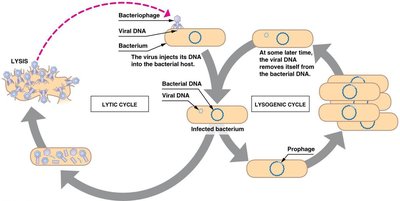
Bacteriophages and Viral Infection Cycles
Bacteriophages are viruses that infect bacteria. They can follow two main infection cycles: the lytic and lysogenic cycles.
Lytic Cycle: Viral DNA replicates using the host's machinery, leading to the destruction (lysis) of the host cell and release of new viruses.
Lysogenic Cycle: Viral DNA integrates into the host genome and remains dormant (as a prophage) until triggered to enter the lytic cycle.
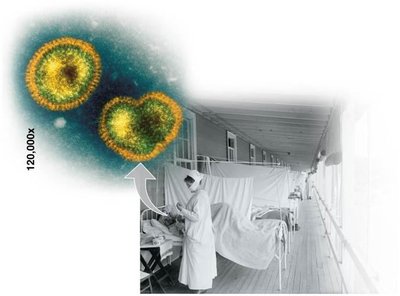
Viruses Infecting Animals and Plants
Viruses are capable of infecting a wide variety of organisms, including animals and plants, often causing significant diseases.
Animal Viruses: Examples include influenza and HIV.
Plant Viruses: Such as the tobacco mosaic virus, which causes characteristic leaf damage.

Evolution: Unity, Diversity, and Mechanisms
The Unity and Diversity of Life
Life on Earth is characterized by both remarkable diversity and underlying unity. All living things share certain traits, yet differ in many ways.
Unity: All living things are composed of cells, use DNA as genetic material, and carry out metabolism.
Diversity: Organisms differ in form, function, habitat, and behavior.
Historical Perspectives on Evolution
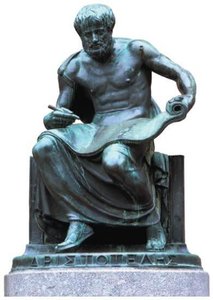
Before the 1800s, most scientists believed species were fixed and unchanging. The discovery of fossils and geological evidence suggested otherwise.
Early Views: Species were thought to be unrelated and immutable.
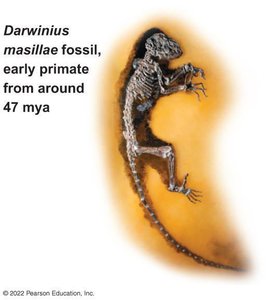
Fossil Evidence: Indicated that Earth is ancient and species can change over time.
Darwin and the Theory of Evolution by Natural Selection
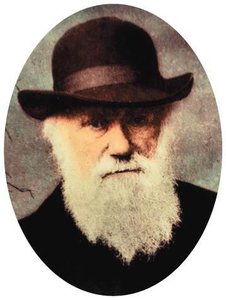
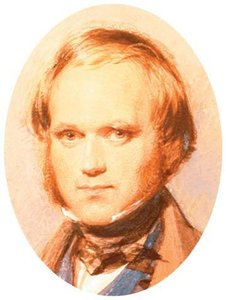
Charles Darwin's observations and experiences led to the development of the theory of evolution by natural selection, as published in On the Origin of Species in 1859.
Natural Selection: The process by which individuals with advantageous traits survive and reproduce more successfully, leading to evolutionary change.
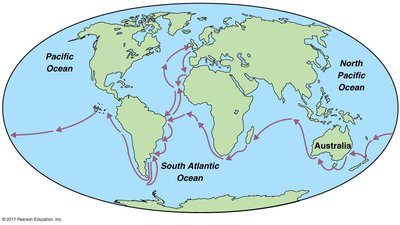
Influences: Darwin's voyage on the HMS Beagle and study of diverse organisms contributed to his ideas.
Artificial and Natural Selection
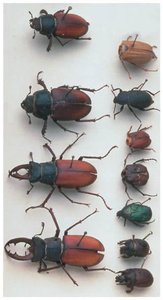
Evolution can be observed in both artificial and natural contexts. Artificial selection is driven by humans, while natural selection occurs in nature.
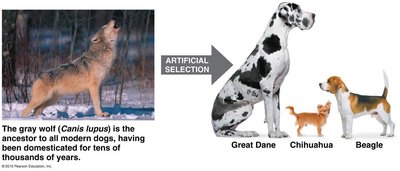
Artificial Selection: Humans breed plants and animals for desired traits (e.g., dog breeds from wolves).
Natural Selection: Traits that enhance survival and reproduction become more common in populations over time.
Antibiotic Resistance: Evolution in Action
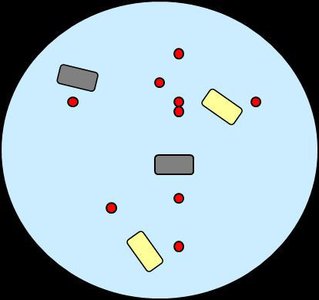
The evolution of antibiotic resistance in bacteria is a clear example of natural selection. Exposure to antibiotics selects for resistant strains, which proliferate as susceptible bacteria are eliminated.
Antibiotic Resistance: Bacteria evolve resistance through genetic variation and selection pressure from antibiotics.
Implication: Overuse and misuse of antibiotics accelerate the spread of resistance.


Mechanisms and Evidence of Evolution
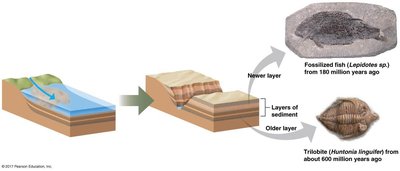
Darwin's observations and conclusions are interconnected, forming the foundation of evolutionary theory. The fossil record provides key evidence for evolution, revealing the progression and diversification of life over time.
Key Concepts: Limited resources, competition, overproduction, variation, heritability, natural selection, and evolution.
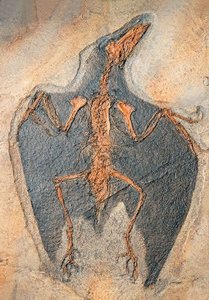
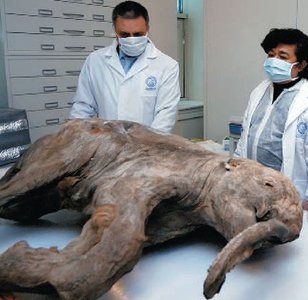
Fossil Record: Shows the sequential appearance of life forms and transitional species.


Transitional Forms and Macroevolution
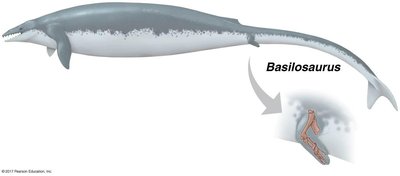
Transitional fossils, such as whales with rear legs, provide evidence for evolutionary change within lineages. Macroevolution refers to large-scale genetic changes and the formation of new species.
Transitional Forms: Fossils that show intermediate states between ancestral and modern species.
Macroevolution: Encompasses major evolutionary changes, including speciation and extinction events.
Mechanisms of Evolutionary Change
Evolution can occur through nonbranching (anagenesis) or branching (cladogenesis) mechanisms.
Nonbranching Evolution: A single population changes gradually over time.
Branching Evolution: An ancestral population splits into two or more distinct populations, leading to new species.
Novel Features and Mass Extinctions
Novel features, such as feathers and flight in birds, can drive large-scale evolutionary changes. Mass extinctions have periodically reset the diversity of life, followed by rapid diversification of surviving groups.
Novel Features: Structures that evolve new functions (e.g., feathers for flight).
Mass Extinctions: Five major events have occurred, with the most recent (~65 million years ago) leading to the extinction of dinosaurs.
Adaptive Radiation: Rapid diversification of species following mass extinctions.
Phylogeny: Mapping Evolutionary Relationships
Phylogenetic Trees and Cladistics
Phylogenetic trees are diagrams that represent hypotheses about the evolutionary relationships among species. Cladistics is the analysis of clades, which include an ancestor and all its descendants.
Phylogenetic Tree: Branching diagram showing evolutionary relationships.
Clade: A group consisting of an ancestor and all its descendants.
Reading Phylogenetic Trees
The tips of a phylogenetic tree represent the most recently evolved species. The most recent common ancestor indicates how closely related two species are.
Application: Phylogenetic trees help scientists understand evolutionary history and relationships among organisms.
