 Back
Viruses: Structure, Replication, and Host Interactions
Study Guide - Smart Notes
 Tailored notes based on your materials, expanded with key definitions, examples, and context.
Viruses: Structure, Replication, and Host Interactions
Introduction to Viruses
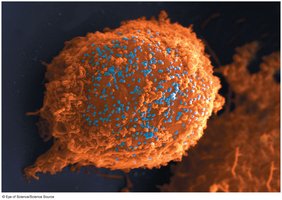
Viruses are infectious agents that exist at the boundary between living organisms and chemicals. They are not considered cells because they lack essential cellular components and functions. - Viruses lack membranes, cytoplasm, and cellular machinery such as ribosomes. - Viruses cannot produce ATP or perform metabolic reactions. - Viruses are essentially genetic material (DNA or RNA) enclosed in a protein shell. 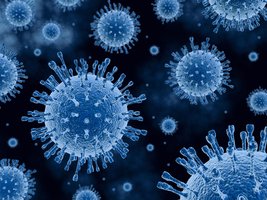
Historical Impact of Viral Epidemics
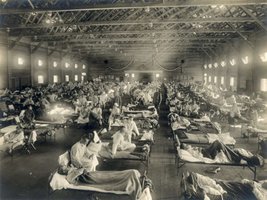
Viruses have caused some of the deadliest epidemics in human history, including smallpox and the Spanish flu. - Smallpox had high mortality rates and devastated populations across continents. - Spanish flu killed millions worldwide, especially affecting young adults. 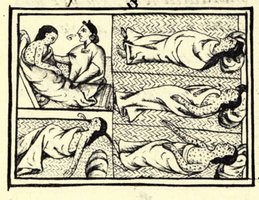
Basic Viral Structure
Viruses are composed of nucleic acids and a protein coat, sometimes surrounded by a membranous envelope. - Nucleic acids (DNA or RNA) carry genetic instructions. - Protein capsid protects the nucleic acids. - Some viruses have envelopes derived from host membranes, aiding immune evasion. 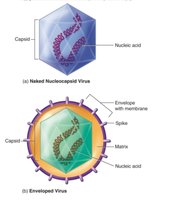
Viral Genomes
Viral genomes vary in type and structure. - May be double- or single-stranded DNA or RNA. - Can be linear or circular. - Small genomes contain essential genes not provided by the host.
Capsids and Envelopes
The capsid is the protein shell enclosing the viral genome, built from subunits called capsomeres. - Capsids can have various shapes and structures. - Envelopes are derived from host cell membranes and contain both viral and host molecules. 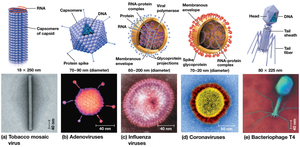
Viral Replication: Host Cell Dependence
Viruses are obligate intracellular parasites, meaning they can only replicate within host cells. - Each virus has a host range, the specific species or tissues it can infect. - Infection begins with binding and entry of the viral genome into the host cell.
Mechanisms of Viral Entry
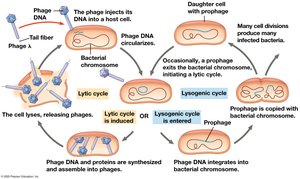
- Bacteriophages inject DNA using a tail apparatus. - Endocytosis is used by some viruses. - Enveloped viruses fuse with the host membrane.
Viral Replicative Cycle
Once inside, the host cell manufactures viral proteins and assembles new viruses, often damaging or destroying the cell. 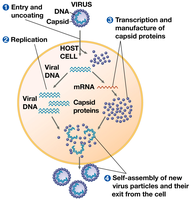
Phage Replication: Lytic and Lysogenic Cycles
Bacteriophages (phages) replicate via two main cycles: - Lytic cycle: Virus invades, replicates, and destroys the host cell. - Lysogenic cycle: Viral DNA integrates into the host genome and is replicated with the host; can later enter the lytic cycle. 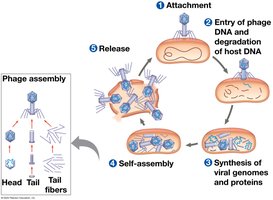
Bacterial Defenses Against Phages
Bacteria have evolved several mechanisms to defend against phage infection.
Surface Protein Mutation
- Mutations in surface proteins prevent phage recognition.
Blocking DNA Entry
- Bacteria can block phage DNA from entering the cytoplasm. 

Restriction-Modification Systems
- Bacterial DNA is methylated to prevent self-damage. - Restriction enzymes cut foreign (phage) DNA. 

CRISPR-Cas System
The CRISPR-Cas system is a bacterial immune mechanism. - CRISPR stands for Clustered Regularly Interspaced Short Palindromic Repeats. - Cas proteins cut up invading phage DNA. - Bacteria store fragments of phage DNA as spacers between repeats, forming a genetic memory. - Upon reinfection, guide RNA directs Cas proteins to destroy matching phage DNA. 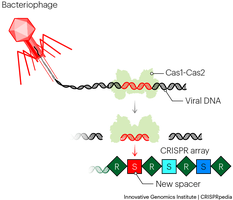
Animal Viruses
Animal viruses are classified by their genome type and the presence or absence of an envelope. - Enveloped viruses use glycoproteins to bind host cell receptors (e.g., SARS-CoV-2 spike protein binds ACE2).
RNA as Viral Genetic Material
- Many animal viruses have RNA genomes. - Some RNA viruses can directly serve as mRNA for protein synthesis. - Retroviruses use reverse transcriptase to convert RNA into DNA, which integrates into the host genome as a provirus (e.g., HIV).
Viral Diseases in Animals
Viruses can cause disease by: - Damaging or killing cells (e.g., via lysosomal enzyme release). - Inducing toxin production. - Having toxic envelope proteins. - Symptoms often result from the host immune response.
Vaccines and Antiviral Strategies
Vaccines are the primary tool for preventing viral infections. - Vaccines are harmless derivatives of pathogens that stimulate immune defenses. - Antibiotics are ineffective against viruses; antiviral drugs can treat but not cure viral infections.
Vaccine Misconceptions
- The flu vaccine cannot cause flu; it uses inactive virus or viral proteins. - Side effects are due to immune response, not infection. - Annual shots are needed due to rapid viral mutation. - Thimerosal (ethyl mercury) is not used in childhood vaccines and is rapidly eliminated from the body.
Viral Diseases in Plants
Plant viruses share structural and replicative features with animal viruses. - Most plant viruses have RNA genomes and helical capsids. - Plant viral diseases significantly impact agriculture and horticulture.
Prions: Proteins as Infectious Agents
Prions are misfolded proteins that cause degenerative brain diseases in animals. - Prions can be transmitted through food. - They act slowly, with long incubation periods, and are nearly always fatal. Example: Creutzfeldt-Jakob Disease (CJD) in humans.
Summary Table: Viral Structure Types
Virus Type | Genome | Capsid Shape | Envelope |
|---|---|---|---|
Tobacco mosaic virus | RNA | Helical | No |
Adenovirus | DNA | Icosahedral | No |
Influenza virus | RNA | Icosahedral | Yes |
Coronavirus | RNA | Icosahedral | Yes |
Bacteriophage T4 | DNA | Complex | No |
Additional info: The notes expand on brief points with academic context, definitions, and examples to ensure completeness and clarity for exam preparation.
