 Back
BackViruses: Structure, Replication, and Impact on Host Organisms
Study Guide - Smart Notes
 Tailored notes based on your materials, expanded with key definitions, examples, and context.
Viruses: Structure, Replication, and Impact on Host Organisms
Introduction to Viruses
Viruses are infectious agents composed of genetic material encased in a protein shell, known as a capsid. They are unique in that they require a host cell to replicate and are responsible for a wide range of diseases in various organisms. Viruses can alter host cell function by introducing new genetic material, leading to the production of new proteins and, consequently, new cellular functions.
Viral Structure
Capsid: The protein shell that encases the viral genome, providing protection and facilitating delivery into host cells.
Genetic Material: Can be DNA or RNA, single- or double-stranded, and serves as the blueprint for viral replication and protein synthesis.
Envelope (in some viruses): A lipid membrane derived from the host cell, often containing viral glycoproteins for host recognition and entry.
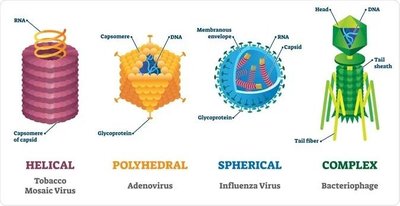
Examples: Tobacco Mosaic Virus (helical), Adenovirus (polyhedral), Influenza Virus (spherical), Bacteriophage (complex).
Types of Viral Genomes
Viruses exhibit diversity in their genetic material, which can be:
Double-stranded DNA (dsDNA)
Single-stranded DNA (ssDNA)
Double-stranded RNA (dsRNA)
Single-stranded RNA (ssRNA)
Any of these forms can serve as templates for the synthesis of viral mRNA and new viral genomes.
Viral Replication Cycle
The replication cycle of a virus involves several key steps:
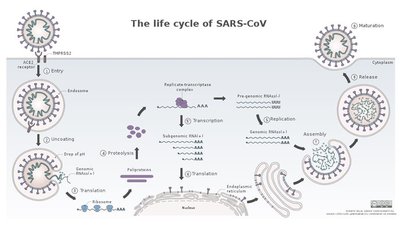
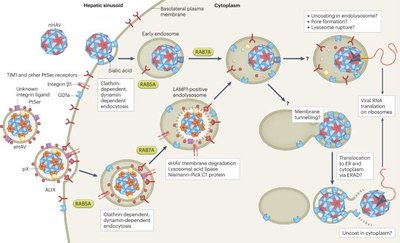
Entry and Uncoating: The virus attaches to the host cell and releases its genetic material inside.
Replication of Genome: The viral genome is copied using host or viral enzymes.
Transcription and Translation: Viral genes are transcribed and translated to produce viral proteins.
Self-Assembly: New viral particles are assembled from the replicated genome and proteins.
Exit: Mature virions exit the host cell, often destroying it in the process.

Bacteriophages
Bacteriophages are viruses that infect bacteria and often have more complex structures and life cycles than viruses infecting eukaryotes. Their infection process includes attachment, penetration, synthesis, assembly, and release.

Viral Abundance and Size
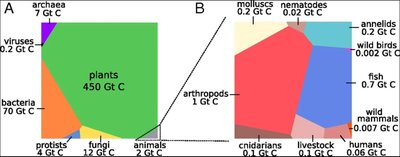
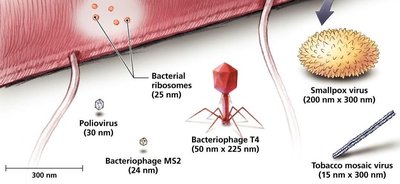
Viruses are extremely abundant and contribute significantly to the total biomass on Earth, though their individual size is much smaller than most cells.
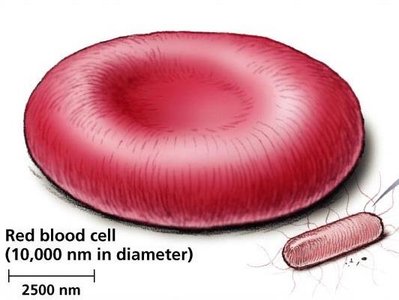
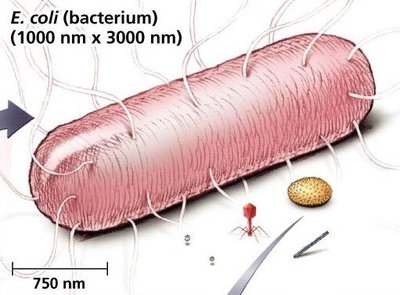
Viruses are typically measured in nanometers (nm), much smaller than bacteria and eukaryotic cells.
Host Specificity and Tissue Tropism
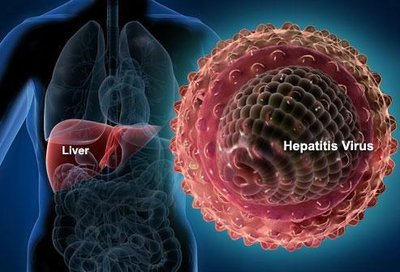
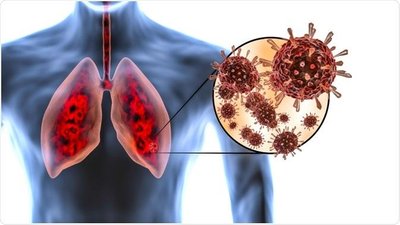
Different viruses infect specific cell types or organs due to the presence of particular receptors on host cells. For example, hepatitis viruses target liver cells, while SARS-CoV-2 targets lung cells.
Damage Caused by Viral Infections
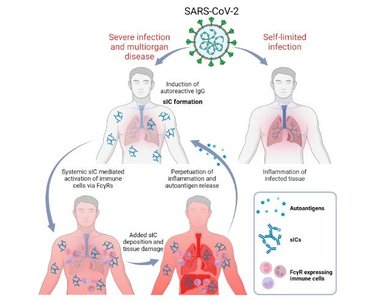
Viruses can cause damage through direct destruction of host cells, induction of inflammation, or by integrating into the host genome and disrupting normal cellular functions. Some viruses, such as HIV and HPV, can lead to chronic diseases or cancer.
Inflammation: Can be localized or systemic, contributing to disease symptoms.
Oncogenesis: Some viruses carry genes that disrupt tumor suppressors (e.g., HPV inhibits p53), leading to cancer.

Viral Mutation Rates
Viruses have varying mutation rates, which influence their evolution and the effectiveness of the host immune response:
High mutation rates can generate non-infectious variants but also allow rapid adaptation.
Low mutation rates result in more stable viral antigens, making immune recognition easier.
Immune Response and Vaccination
The immune system combats viral infections by producing antibodies that specifically recognize viral capsid proteins. Immunological memory allows for a faster response upon re-exposure. Vaccination exposes the immune system to viral components, generating protective immunity without causing disease.
Antibodies: Proteins generated by B cells that bind to specific viral antigens.
Vaccination: Can use inactivated viruses, viral proteins, or mRNA to stimulate immunity.

Examples of Viral Diseases and Mortality Rates
Influenza: High mortality in naïve populations (~50%).
Covid-19: Lower mortality (~0.5%) but high transmission.
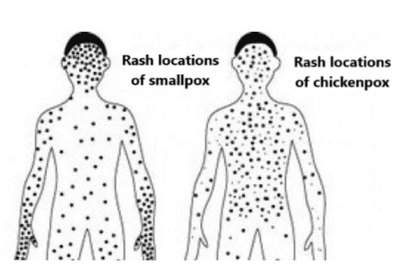
Smallpox: Mortality rates vary from 30% to over 95% in some forms.
Prevention, Cure, and Treatment
Strategies for managing viral diseases include prevention (vaccination), cure (elimination of the virus from the body), and treatment (alleviation of symptoms). Prevention is generally the most effective and profitable approach for public health.
Summary Table: Viral Genome Types and Replication Strategies
Genome Type | Replication Strategy | Example Virus |
|---|---|---|
dsDNA | Transcription to mRNA, translation to proteins | Herpesvirus |
ssDNA | Conversion to dsDNA, then transcription | Parvovirus |
dsRNA | Transcription to mRNA by viral RNA polymerase | Rotavirus |
ssRNA (+) | Direct translation to proteins | Poliovirus |
ssRNA (-) | Transcription to (+) RNA, then translation | Influenza virus |
Retrovirus (ssRNA) | Reverse transcription to DNA, integration into host genome | HIV |
Additional info: The notes above integrate foundational virology concepts with specific examples and mechanisms, providing a comprehensive overview suitable for college-level biology students.
