 Back
BackVisual Study Guide: Microbial Life and Protists (Image Set)
Study Guide - Smart Notes
 Tailored notes based on your materials, expanded with key definitions, examples, and context.
Q: How do these images relate to the diversity of microbial life and protists?
Background
Topic: Diversity of Microbial Life and Protists
These images represent a variety of organisms, including protists, fungi, plants, and animals. Understanding the differences and similarities among these groups is essential for studying microbial life, especially when distinguishing protists from other eukaryotes.
Key Terms and Concepts:
Protists: Mostly unicellular eukaryotes that are not plants, animals, or fungi. They can be autotrophic, heterotrophic, or mixotrophic.
Fungi: Eukaryotic organisms that absorb nutrients from their environment.
Plants: Multicellular, autotrophic eukaryotes that perform photosynthesis.
Animals: Multicellular, heterotrophic eukaryotes.
Step-by-Step Guidance
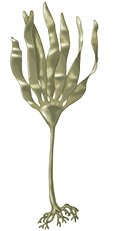
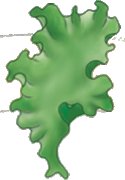
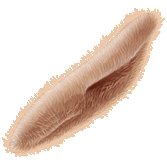
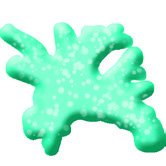
Observe each image and try to classify the organism as a protist, fungus, plant, or animal based on its structure and features.
Recall the defining characteristics of each group (e.g., mode of nutrition, cellular organization, presence of cell walls, etc.).
Consider which images might represent protists. For example, look for unicellular or simple multicellular forms that do not fit the typical plant, animal, or fungal body plans.
Think about the ecological roles of these organisms (e.g., decomposer, producer, consumer) and how that might help you classify them.


Try solving on your own before revealing the answer!
Final Answer:
Images such as image_1, image_7, image_8, image_13, image_15, and image_27 represent various protists and algae, which are key examples of microbial eukaryotic diversity. Other images in the set may represent fungi, plants, or animals, highlighting the diversity of life and the importance of classification in biology.
