Back
Water and Life: Properties and Biological Importance
Study Guide - Smart Notes
 Tailored notes based on your materials, expanded with key definitions, examples, and context.
Water and Life
The Molecule That Supports All of Life
Water is the essential biological medium on Earth, making up 70–95% of most cells and surrounding them. Its abundance is a primary reason Earth is habitable, and all living organisms require water more than any other substance.

Structure of Water Molecules
Polar Covalent Bonds and Hydrogen Bonding
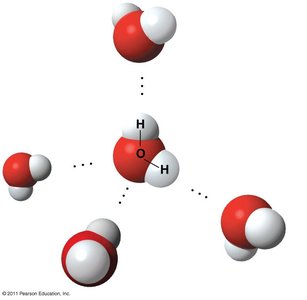
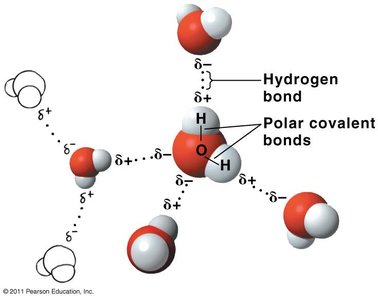
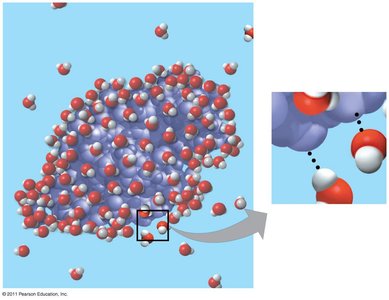
The water molecule (H2O) is polar, meaning its opposite ends have opposite charges. This polarity allows water molecules to form hydrogen bonds with each other, which are critical for many of water's unique properties.
Properties of Water Facilitating Life
Overview of Water's Properties
Four key properties of water contribute to Earth's suitability for life:
Cohesive behavior
Ability to moderate temperature
Expansion upon freezing
Versatility as a solvent
Cohesion, Adhesion, and Surface Tension
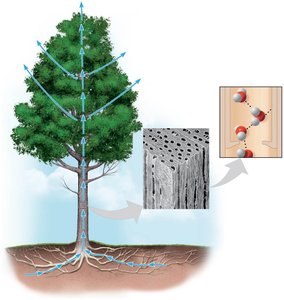
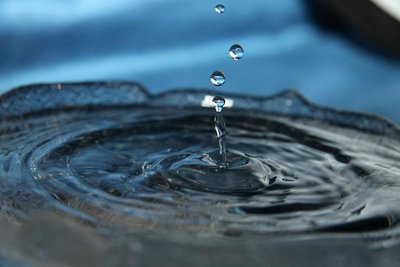
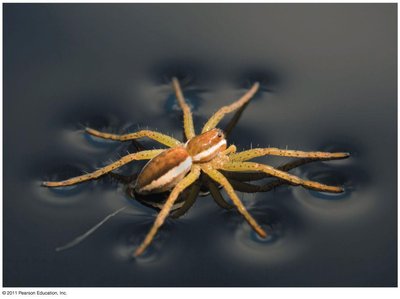
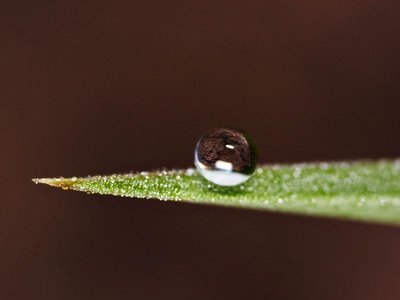
Cohesion refers to the attraction between water molecules due to hydrogen bonding, which helps transport water against gravity in plants. Adhesion is the attraction between water and other substances, such as plant cell walls. Surface tension measures how difficult it is to break the surface of a liquid and is related to cohesion.
Moderation of Temperature by Water
Heat and Temperature
Water absorbs heat from warmer air and releases stored heat to cooler air, allowing it to moderate temperature. Kinetic energy is the energy of motion, and heat is the total kinetic energy due to molecular motion. Temperature measures the intensity of heat, reflecting the average kinetic energy of molecules.
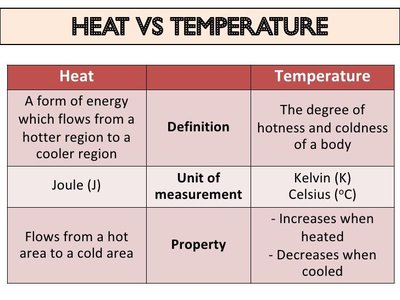
Heat | Temperature |
|---|---|
A form of energy which flows from a hotter region to a cooler region | The degree of hotness and coldness of a body |
Joule (J) | Kelvin (K), Celsius (°C) |
Flows from a hot area to a cold area | Increases when heated, decreases when cooled |
Evaporative Cooling
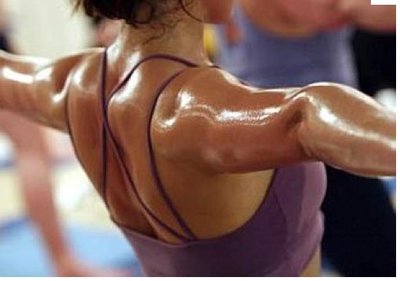
Evaporation is the transformation of a substance from liquid to gas. As a liquid evaporates, its remaining surface cools, a process called evaporative cooling. This moderates Earth's climate, stabilizes temperature in aquatic ecosystems, and prevents organisms from overheating.
Floating of Ice on Liquid Water
Density and Hydrogen Bonding in Ice
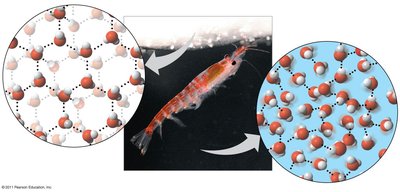
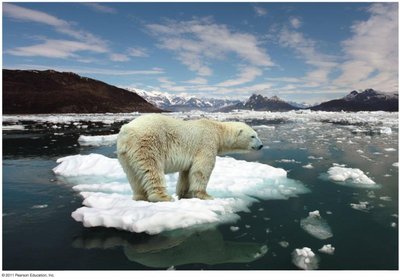
Ice floats in liquid water because hydrogen bonds in ice are more ordered, making ice less dense. Water reaches its greatest density at 4°C. If ice sank, all bodies of water would eventually freeze solid, making life impossible on Earth.
Water: The Solvent of Life
Solutions, Solvents, and Solutes
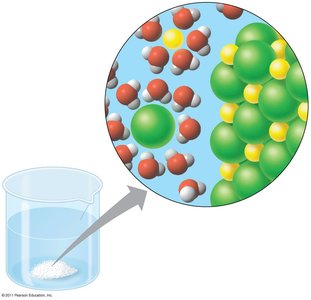
A solution is a homogeneous mixture of substances. The solvent is the dissolving agent, and the solute is the substance dissolved. An aqueous solution is one in which water is the solvent. Water's polarity allows it to form hydrogen bonds easily, making it a versatile solvent.
Hydrophilic and Hydrophobic Substances
Hydrophilic substances have an affinity for water, while hydrophobic substances do not. Water can dissolve compounds made of nonionic polar molecules and even large polar molecules such as proteins if they have ionic and polar regions.
Acidic and Basic Conditions
Dissociation of Water Molecules
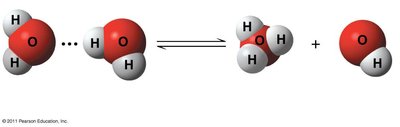
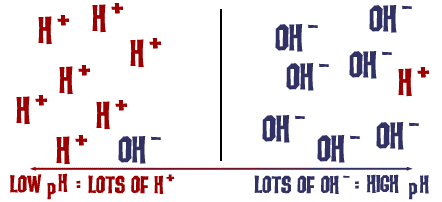
A hydrogen atom in a hydrogen bond between two water molecules can shift from one to the other, forming a hydronium ion (H3O+) and a hydroxide ion (OH–). Water is in a state of dynamic equilibrium, with molecules dissociating and reforming at equal rates.
The pH Scale
The pH scale describes whether a solution is acidic or basic. In any aqueous solution at 25°C, the product of H+ and OH– concentrations is constant:
The pH of a solution is defined by the negative logarithm of H+ concentration:
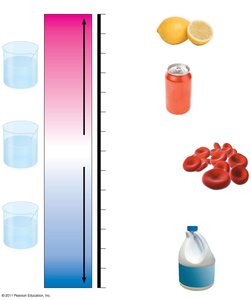
Acidic solutions: pH < 7
Basic solutions: pH > 7
Neutral solution: pH = 7
pH Value | Example |
|---|---|
0-2 | Battery acid, gastric juice, lemon juice |
3-6 | Vinegar, wine, cola, beer, tomato juice, black coffee, rainwater, urine |
7 | Pure water, human blood, tears |
8-10 | Seawater, inside of small intestine, milk of magnesia |
11-14 | Household ammonia, bleach, oven cleaner |
Buffers
Maintaining pH Stability
The internal pH of most living cells must remain close to pH 7. Buffers are substances that minimize changes in concentrations of H+ and OH– in a solution. Most buffers consist of an acid-base pair that reversibly combines with H+.