 Back
Water, Carbon, and the Molecular Foundations of Life: Study Notes for General Biology
Study Guide - Smart Notes
 Tailored notes based on your materials, expanded with key definitions, examples, and context.
Water and Its Importance in Biology
Unique Properties of Water
Water is essential for all life on Earth, making up the majority of living cells and covering about 75% of the planet's surface. Its unique chemical and physical properties are critical for supporting life.
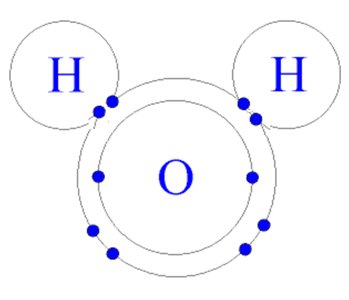
Structure: Water (H2O) consists of one oxygen atom covalently bonded to two hydrogen atoms at a 105° angle, creating a bent, polar molecule.
Polarity: Oxygen is highly electronegative, pulling shared electrons closer and making the oxygen end slightly negative and the hydrogen ends slightly positive.
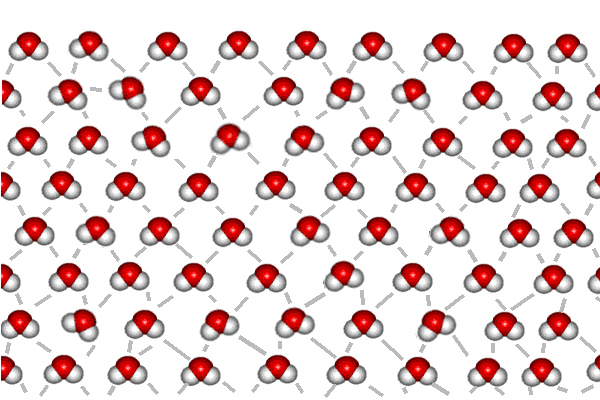
Hydrogen Bonding: The polarity allows water molecules to form weak hydrogen bonds with each other, which are easily broken by temperature changes.
Cohesion, Adhesion, and Surface Tension
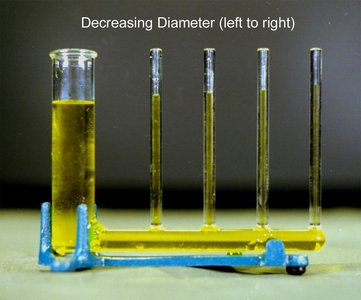
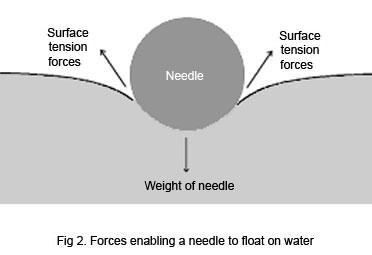
Water molecules exhibit cohesion (sticking to each other) and adhesion (sticking to other substances), leading to phenomena such as surface tension and capillary action.
Cohesion: Responsible for water's high surface tension, allowing small objects to float.
Adhesion: Enables water to climb up narrow tubes, important for water transport in plants (capillary action).
Density and States of Water
Water is most dense at 4°C. As it freezes, it expands and becomes less dense, causing ice to float. This property is vital for aquatic life in cold climates.
Expansion upon Freezing: Ice forms a crystalline structure with hydrogen bonds at maximum distance, making it less dense than liquid water.
Specific Heat and Heat of Vaporization
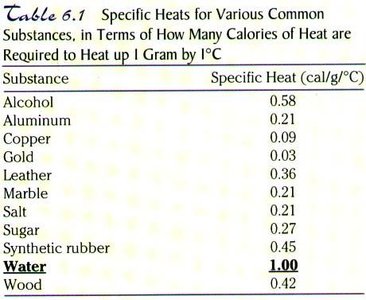
Water has a high specific heat (1 cal/g/°C), meaning it can absorb or release large amounts of heat with little temperature change. This stabilizes climates and helps organisms maintain homeostasis.
Heat of Vaporization: Water requires significant energy to change from liquid to gas, making sweating an effective cooling mechanism.
Water as a Solvent
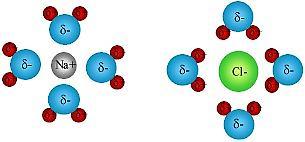
Water's polarity makes it an excellent solvent for ionic and polar substances, facilitating chemical reactions in cells.
Hydrophilic: Substances that dissolve in water (e.g., salts, sugars).
Hydrophobic: Substances that do not dissolve in water (e.g., oils, fats).
Amphipathic: Molecules with both hydrophilic and hydrophobic regions (e.g., soap).
Acids, Bases, pH, and Buffers
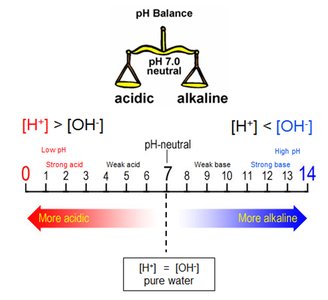
Water can dissociate into hydrogen ions (H+) and hydroxide ions (OH-), forming the basis for the pH scale. Buffers help maintain stable pH in biological systems.
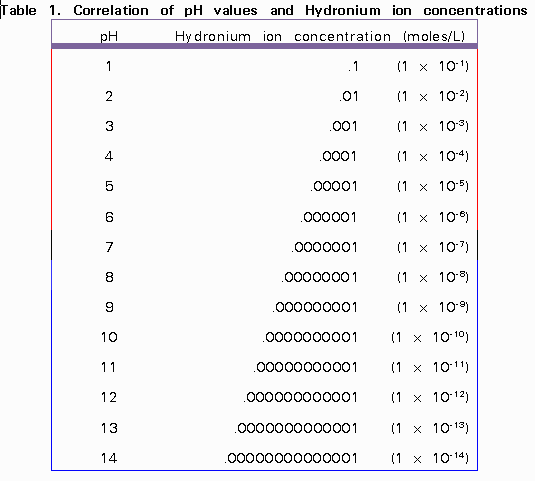
pH Scale: Measures the concentration of H+ ions; pH = 7 is neutral, lower values are acidic, higher values are basic.
Formulas:
Carbon and the Molecular Diversity of Life
Carbon: The Backbone of Life
Carbon atoms form the framework for all organic molecules due to their ability to make four covalent bonds, allowing for a diversity of stable structures including chains, rings, and branches.
Organic Chemistry: The study of carbon-containing compounds.
Biomolecules: Carbohydrates, lipids, proteins, and nucleic acids are the four main classes.
Hydrocarbons and Isomerism
Hydrocarbons are compounds made only of carbon and hydrogen. Isomers are molecules with the same chemical formula but different structures, leading to different properties.
Types of Hydrocarbons:
Type | Bond Type | Formula | Saturation |
|---|---|---|---|
Alkanes | Single (C–C) | CnH2n+2 | Saturated |
Alkenes | Double (C=C) | CnH2n | Unsaturated |
Alkynes | Triple (C≡C) | CnH2n-2 | Unsaturated |
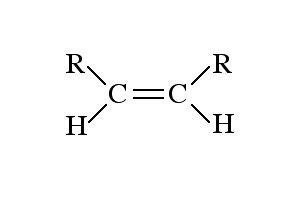
Isomers: Structural, geometric (cis/trans), and optical (enantiomers).
Functional Groups
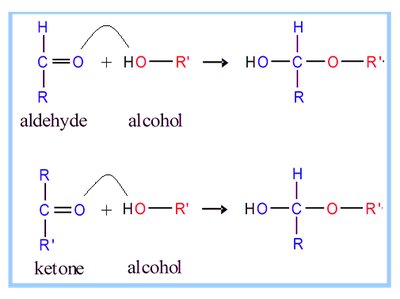
Functional groups are specific clusters of atoms within molecules that determine their chemical behavior.
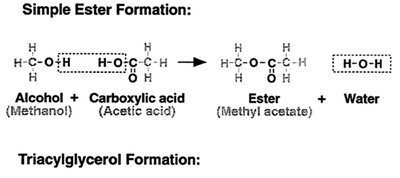
Hydroxyl (-OH): Found in alcohols, polar.
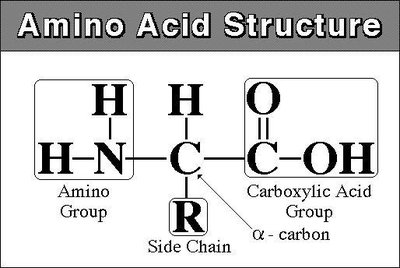
Amino (-NH2): Found in amines, basic.
Carboxyl (-COOH): Found in carboxylic acids, weakly acidic.
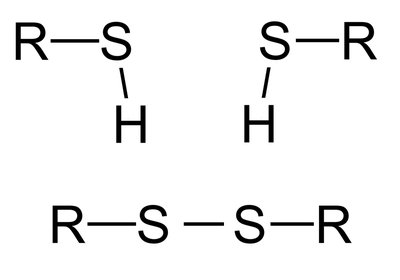
Sulfhydryl (-SH): Found in thiols, forms disulfide bridges in proteins.
Phosphate (-PO4): Found in nucleic acids and ATP, acidic.
Macromolecules: Structure and Function
Carbohydrates
Carbohydrates are sugars and starches that provide energy and structural support. They are classified by the number of sugar units.
Monosaccharides: Simple sugars (e.g., glucose, fructose).
Disaccharides: Two monosaccharides joined (e.g., sucrose, lactose).
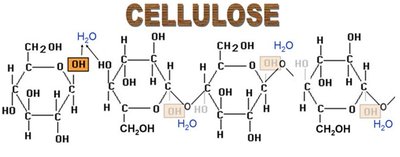
Polysaccharides: Long chains for energy storage (starch, glycogen) or structure (cellulose, chitin).
Lipids
Lipids are hydrophobic molecules used for long-term energy storage, insulation, and cell membrane structure. They include fats, oils, waxes, phospholipids, and steroids.
Fats: Glycerol + 3 fatty acids (triglycerides).
Phospholipids: Main component of cell membranes; amphipathic with hydrophilic heads and hydrophobic tails.
Steroids: Four fused carbon rings (e.g., cholesterol, hormones).
Proteins
Proteins are polymers of amino acids that perform a wide range of functions, including catalysis (enzymes), structure, transport, signaling, and defense.
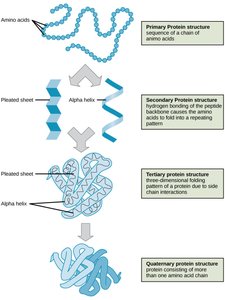
Levels of Structure:
Primary: Sequence of amino acids.
Secondary: Alpha helices and beta sheets (hydrogen bonds).
Tertiary: 3D folding (R-group interactions).
Quaternary: Multiple polypeptides together.
Nucleic Acids
Nucleic acids (DNA and RNA) store and transmit genetic information. They are polymers of nucleotides, each consisting of a sugar, phosphate, and nitrogenous base.
DNA: Double helix, stores genetic code.
RNA: Single-stranded, involved in protein synthesis.
Summary Table: Macromolecules
Macromolecule | Elements | Monomer(s) | Examples | Functions |
|---|---|---|---|---|
Carbohydrates | C, H, O | Monosaccharides | Glucose, Starch, Cellulose | Energy, Structure |
Lipids | C, H, O | Glycerol + Fatty acids | Fats, Oils, Phospholipids | Energy storage, Membranes |
Proteins | C, H, O, N, S | Amino acids | Enzymes, Hemoglobin | Catalysis, Structure |
Nucleic Acids | C, H, O, N, P | Nucleotides | DNA, RNA | Genetic Information |
