 Back
Water: Chemical Properties, Molar Calculations, and Acid-Base Chemistry in Biology 2
Study Guide - Smart Notes
 Tailored notes based on your materials, expanded with key definitions, examples, and context.
Water: Basic Principles of Life
Unique Properties of Water
Water is essential for life due to its unique chemical and physical properties, which support the survival of organisms and the functioning of biological systems.
Cohesive behavior: Water molecules stick together due to hydrogen bonding, allowing for surface tension and transport in plants.
Ability to moderate temperature: Water can absorb or release large amounts of heat with only slight temperature changes, stabilizing environments.
Expansion upon freezing: Ice is less dense than liquid water, so it floats, insulating aquatic life in winter.
Versatility as a solvent: Water dissolves a wide range of substances, facilitating chemical reactions in cells.
Together, these properties make water indispensable for biological processes.
Basics of Molar Calculations
Molecular Mass, Moles, and Molarity
Biological reactions often occur in aqueous solutions, requiring an understanding of molecular mass, moles, and molarity for quantification.
Molecular mass: The sum of the atomic masses of all atoms in a molecule, measured in daltons (Da) or unified atomic mass units (u).
Mole (mol): A unit representing 6.02 × 10²³ molecules (Avogadro's number).
Molarity (M): The number of moles of solute per liter of solution, used to express concentration.
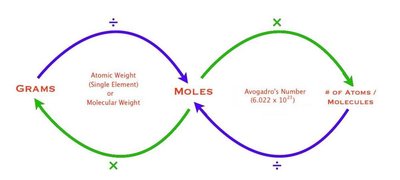
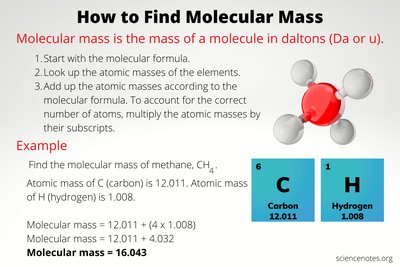
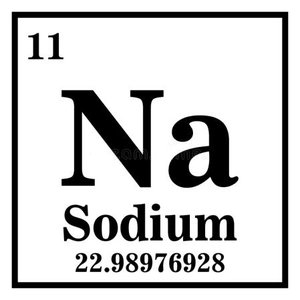
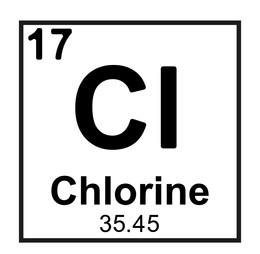
Example: 1 mole of NaCl (sodium chloride) weighs 58.45 grams (Na: 23 g/mol, Cl: 35.45 g/mol). A 1M solution contains 58.45 g NaCl per liter of water.
Chemical Reactions of Water
Dissociation of Water Molecules
Water molecules can interact through hydrogen bonds, allowing a hydrogen atom to transfer between molecules. This process leads to the formation of ions:
Hydronium ion (H3O+ or H+): Formed when a water molecule gains a proton.
Hydroxide ion (OH-): Formed when a water molecule loses a proton.
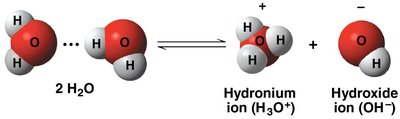
Water exists in a dynamic equilibrium, constantly dissociating and re-forming. The concentrations of H+ and OH- are equal in pure water.
Acids, Bases, and the pH Scale
Definitions and Properties
Acids and bases are substances that alter the concentration of H+ and OH- ions in solution:
Acid: Increases H+ concentration when dissolved in water.
Base: Decreases H+ concentration (or increases OH-).
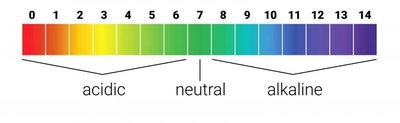
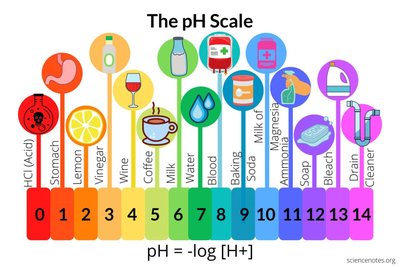
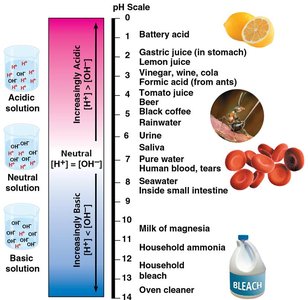
The pH scale (0–14) quantifies acidity and basicity:
pH = 7: Neutral (H+ = OH-)
pH < 7: Acidic
pH > 7: Basic (alkaline)
Strong vs. Weak Acids and Bases
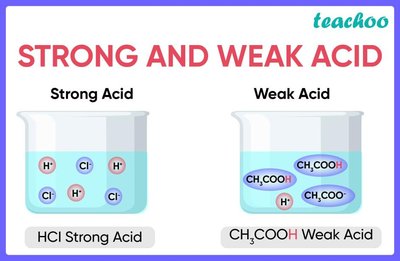
Acids and bases can be classified by their degree of dissociation in water:
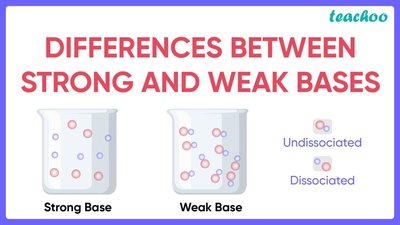
Strong acids/bases: Completely dissociate in water (e.g., HCl, NaOH).
Weak acids/bases: Partially dissociate and can reverse the reaction (e.g., acetic acid, ammonia).
Calculating pH and Ion Concentrations
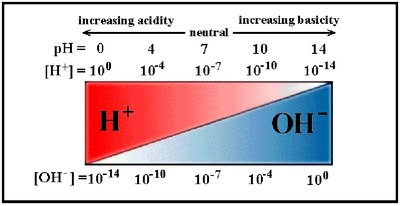
The relationship between H+ and OH- in water is given by:
For neutral water: M, so pH = 7.
Biological Importance of pH and Buffers
Role of pH in Biological Systems
The pH of a solution is critical for the function of biomolecules and cellular processes. Many proteins and enzymes function only within narrow pH ranges. Even slight deviations can be harmful, so organisms use buffers to maintain stable pH.
Buffer Solutions
Buffers are mixtures of weak acids and their conjugate bases (or weak bases and their conjugate acids) that minimize changes in pH when acids or bases are added. They work by reversibly binding H+ or OH- ions.
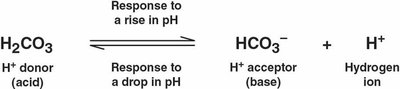
Example: The bicarbonate buffer system in blood helps maintain pH homeostasis.
Environmental Impact: Ocean Acidification
Ocean Acidification and Its Consequences
Burning fossil fuels increases atmospheric CO2, about 25% of which is absorbed by oceans. Dissolved CO2 forms carbonic acid, lowering ocean pH (acidification). This reduces carbonate ion availability, which is essential for marine organisms to build shells and skeletons (calcification).
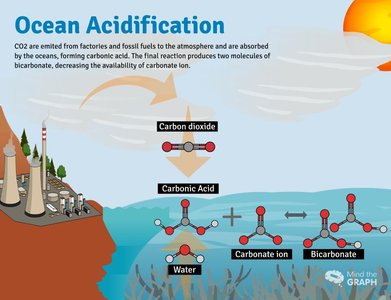
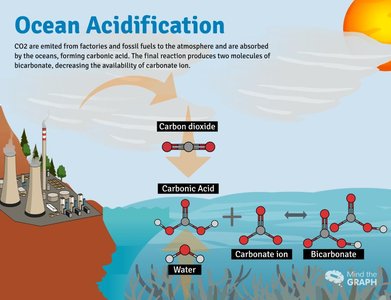
Coral reefs, mollusks, and other marine life are threatened by decreased calcification rates due to acidification.
Summary: Chemical Properties of Water
Water's hydrogen bonds allow for the formation of hydronium and hydroxide ions, which are central to acid-base chemistry.
The concentration of these ions determines solution acidity, measured by the logarithmic pH scale.
Buffers are crucial for minimizing pH changes in biological and environmental systems.
Human activities, such as fossil fuel combustion, can disrupt natural pH balances, leading to phenomena like ocean acidification.
