 Back
Wildlife Capture Techniques: Methods and Applications
Study Guide - Smart Notes
 Tailored notes based on your materials, expanded with key definitions, examples, and context.
Wildlife Capture Techniques
Introduction
Wildlife capture techniques are essential tools in wildlife biology, ecology, and management. These methods allow researchers to study, monitor, and manage animal populations by safely capturing individuals for identification, tagging, health assessment, or relocation. The choice of technique depends on the target species, habitat, and research objectives.
Capture Techniques for Small Mammals, Amphibians, and Reptiles
Pitfall Traps and Drift Fences
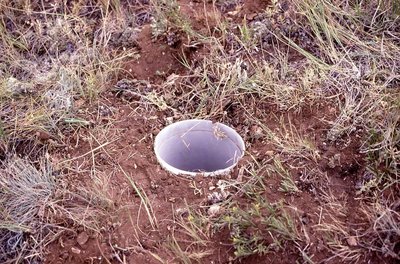
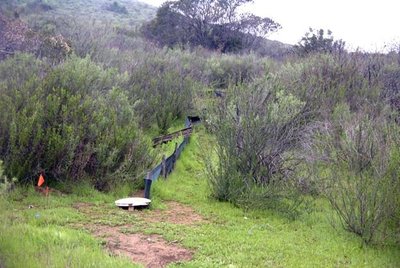
Pitfall traps are simple devices used to capture small, ground-dwelling animals such as amphibians, reptiles, and small mammals. They are often used in conjunction with drift fences, which guide animals into the traps.
Pitfall Trap: A container (often a bucket or pipe) buried with its rim at ground level to trap animals that fall in.
Drift Fence: A barrier that directs animals toward the pitfall trap, increasing capture efficiency.
Target Species: Small mammals, amphibians, reptiles.
Applications: Population surveys, biodiversity studies, and movement monitoring.
Sherman Box Traps and Wire Cage Traps
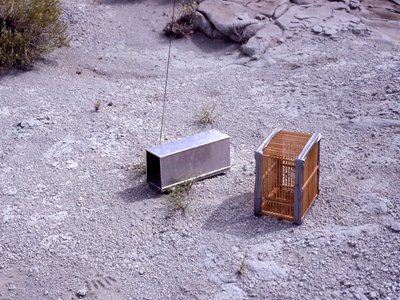
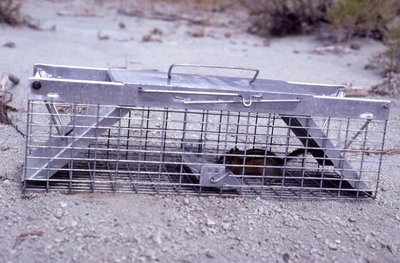
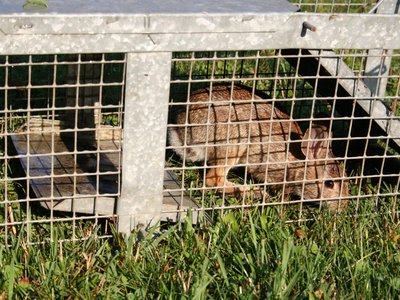
Sherman box traps and wire cage traps are commonly used for capturing small mammals. These traps are designed to safely contain animals for identification and study.
Sherman Box Trap: A collapsible, metal box trap used for live capture of small rodents.
Wire Cage Trap: A rigid wire trap, such as Havahart or Tomahawk, suitable for small to medium-sized mammals.
Holding Cage: Used for temporary containment and identification of captured animals.
Capture Techniques for Medium and Large Mammals
Culvert Traps
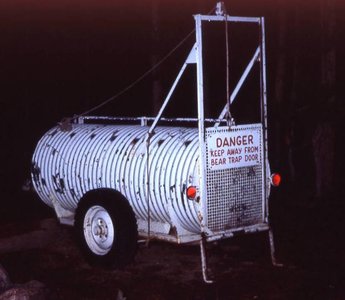
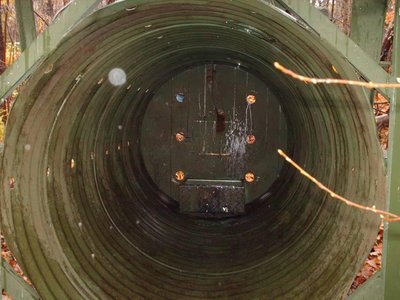
Culvert traps are specialized traps used for capturing large mammals, particularly bears. These traps are designed to safely contain powerful animals for research or relocation.
Structure: Large cylindrical metal container with a trap door.
Target Species: Bears and other large mammals.
Safety: Designed to minimize stress and injury to both animals and researchers.
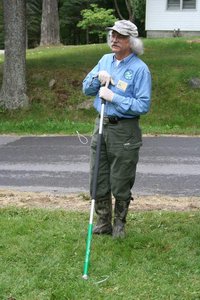
Jab Sticks and Catch Poles
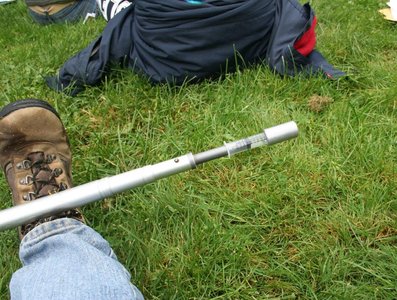
Jab sticks and catch poles are tools used to safely restrain or sedate animals during capture or handling.
Jab Stick: Used to deliver sedatives or tranquilizers from a safe distance.
Catch Pole: A long pole with a loop used to restrain animals, especially in handling medium to large mammals.
Foot-Hold Traps
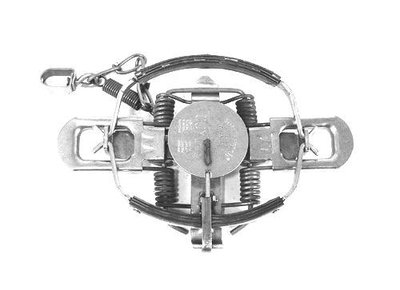
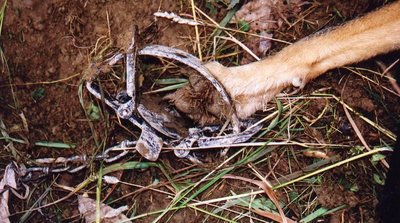
Foot-hold traps are used to capture small to medium-sized mammals by the foot. Modern designs often include soft-catch options to minimize injury.
Components: Jaws, pan, dog (trigger mechanism).
Soft-Catch Option: Rubber guards to reduce injury.
Use: Often baited with scent or lure.
Specialized Traps for Ungulates and Large Birds
Clover Trap
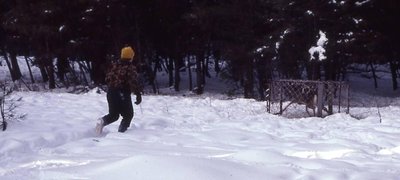
The Clover trap is designed for capturing deer and other ungulates. It is a live-capture trap that minimizes injury and stress.
Structure: Large, collapsible cage with a drop door.
Target Species: Deer, other ungulates.
Cannon Nets, Rocket Nets, and Net Guns
These devices are used to capture groups of large mammals or birds, especially in open habitats.
Cannon/Rocket Net: Large net propelled over animals using explosive charges; often used for ungulates and waterfowl.
Net Gun: Handheld or helicopter-mounted device that shoots a net over individual animals.
Bird and Bat Capture Techniques
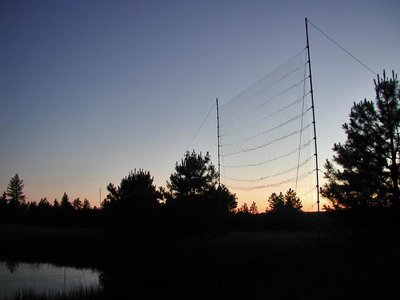
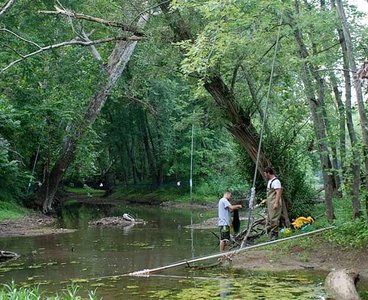
Mist Nets
Mist nets are fine, nearly invisible nets used to capture birds and bats for research. The mesh size is species-specific, with smaller mesh for songbirds and larger mesh for species like the American woodcock.
Structure: Vertical panels with shelves that form pockets to entangle animals.
Mesh Sizes: 36 mm for most songbirds, 61 mm for American woodcock.
Deployment: Can be set on land, in air, or over water.
Summary Table: Common Wildlife Capture Techniques
Trap/Technique | Target Species | Main Features |
|---|---|---|
Pitfall Trap | Small mammals, amphibians, reptiles | Simple container, often with drift fence |
Sherman Box Trap | Small mammals | Collapsible metal box, live capture |
Wire Cage Trap (Havahart, Tomahawk) | Small to medium mammals | Rigid wire, live capture |
Culvert Trap | Bears, large mammals | Large cylindrical metal trap |
Foot-Hold Trap | Small to medium mammals | Soft-catch option, baited |
Clover Trap | Deer, ungulates | Large, collapsible cage |
Cannon/Rocket Net | Ungulates, waterfowl | Net propelled over group |
Mist Net | Birds, bats | Fine mesh, species-specific size |
Key Terms and Definitions
Drift Fence: A barrier used to direct animals into traps.
Soft-Catch Trap: A trap designed to minimize injury to captured animals.
Live Capture: Techniques that allow animals to be captured alive for study or relocation.
Bait: Food or scent used to attract animals to traps.
Exam Preparation Tips
Know the technical names and main parts of each trap type.
Understand which techniques are appropriate for different animal groups.
Be able to define key terms and explain the purpose of each capture method.
