 Back
Wildlife Marking Techniques: Methods, Applications, and Considerations
Study Guide - Smart Notes
 Tailored notes based on your materials, expanded with key definitions, examples, and context.
Wildlife Marking Techniques
Introduction to Wildlife Marking
Wildlife marking is a critical tool in wildlife biology and management, allowing researchers and managers to identify individual animals for future study. Marking techniques enable the collection of essential data on animal movement, behavior, population density, and population dynamics. The choice of marking method depends on the species, research objectives, and ethical considerations.
Why Do Wildlife Managers Mark Wildlife?
Recognition of Individuals: Marking allows for the identification of individual animals over time, facilitating longitudinal studies.
Types of Data Collected:
Movement: Tracking migration, dispersal, and home range.
Behavior: Observing social interactions, mating, and feeding habits.
Population Density: Estimating the number of individuals in a given area.
Population Dynamics: Studying birth rates, death rates, immigration, and emigration.
General Considerations for Wildlife Marking
Capture Requirements: Does the method require physical capture, or can it be applied without handling the animal?
Animal Welfare: Will the marking affect health, reproduction, movement, or behavior?
Visibility and Recapture: How visible must the mark be, and is recapture necessary for observation?
Permits and Approvals: Proper permits (e.g., IACUC, Master Bander Permit) must be obtained to ensure ethical and legal compliance.
Categories of Wildlife Marking
Overview of Marking Categories
Wildlife marking methods are classified into three main categories based on their invasiveness and application:
Natural Marking: Utilizes inherent physical features for identification.
Non-Invasive Marking: Involves external marks or devices that do not penetrate the body.
Invasive Marking: Involves internal or permanent alterations to the animal.
Natural Marking
Definition and Examples
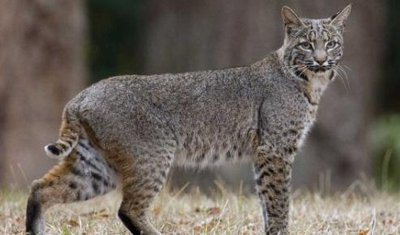
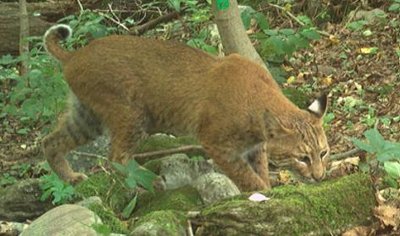
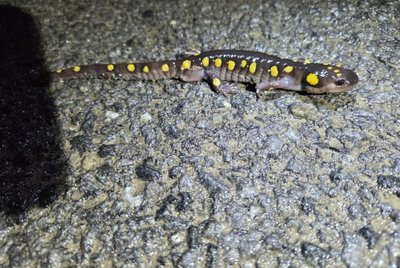
Natural marking relies on unique, species-specific features such as coloration, patterns, or morphology to identify individuals. This is the most preferred method due to its minimal impact on the animal.
Examples:
Bobcat (Lynx rufus) – distinctive spots and stripes
Spotted Salamander (Ambystoma maculatum) – yellow spots
Anoles – unique patterns
Pros and Cons of Natural Marking
Pros:
Inexpensive
Little to no stress on individuals
Relatively easy to implement
Cons:
Limited use for avian species (with some exceptions)
Potential for user error in identification
Non-Invasive Marking
Definition and Examples
Non-invasive marking involves attaching external devices or applying marks that do not penetrate the animal's body. These methods are preferred when natural markings are insufficient for identification.
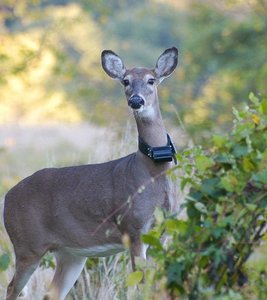
Neck Collars: Used for large mammals; can include radio transmitters for tracking movement.
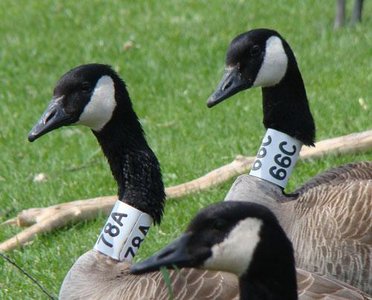
Banding: Common for birds; involves attaching bands to legs or wings for identification.
External Color Marks: Application of dyes, paints, or pigments for short-term identification.
Pros and Cons of Non-Invasive Marking
Technique | Pros | Cons |
|---|---|---|
Neck Collars | Precise movement data, highly visible, flexible parameters | Potential harm if ill-fitted, expensive, transmitter weight considerations |
Banding | Inexpensive, standardized, easy identification | Mostly for birds, erosion in marine/vulture species, harm if not fitted properly |
External Color Marks | No recapture needed, inexpensive, broad application | May affect survivability/reproduction, increased visibility to predators |
Invasive Marking
Definition and Examples
Invasive marking methods involve internal or permanent modifications to the animal. These are least preferred due to potential health risks but are sometimes necessary for long-term or precise identification.
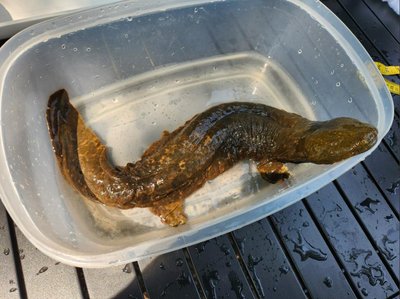
Internal Markers: Chemicals (e.g., Rhodamine B), visible implant elastomers, radioisotopes.
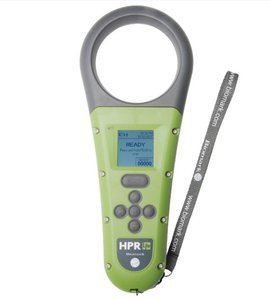
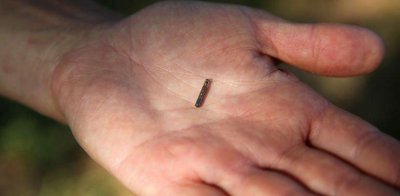
Passive Integrated Transponders (PIT Tags): Microchips inserted under the skin for long-term identification.
Tissue Removal: Morphological alterations such as feather clipping, scale clipping, or ear punching.
Pros and Cons of Invasive Marking
Technique | Pros | Cons |
|---|---|---|
Internal Markers | Long-term, visible only with special equipment, little behavioral effect, wide application | Expensive, possible health effects, negative public perception |
PIT Tags | Minimally invasive, passive, inexpensive for long-term studies | Can be damaged or lost, requires proximity for scanning, animal collection needed |
Tissue Removal | Reliable, simple, allows for genetic sampling | Potential ethical concerns, possible health impacts |
Summary Table: Wildlife Marking Methods
Category | Examples | Pros | Cons |
|---|---|---|---|
Natural | Bobcat spots, salamander spots, anole patterns | Non-invasive, inexpensive, low stress | Limited to species with unique markings, user error |
Non-Invasive | Neck collars, banding, color marks | Flexible, visible, standardized | Potential harm, cost, limited to certain taxa |
Invasive | Internal markers, PIT tags, tissue removal | Long-term, reliable, genetic sampling | Ethical concerns, health risks, cost |
Exam Review Outline
What 4 general types of data can be collected through wildlife marking?
What are the general considerations for wildlife marking use?
What are three categories of wildlife marking methods and how are they different?
What are the examples of wildlife marking techniques mentioned in this lecture and what makes them unique?
What are some pros and cons of each wildlife marking technique mentioned and how are they similar/different?
