 Back
BackCell Biology: Foundations, Cell Types, and Model Organisms
Study Guide - Smart Notes
 Tailored notes based on your materials, expanded with key definitions, examples, and context.
Overview of Cell Biology
Evolution of the Cell
The evolution of cells is a fundamental concept in cell biology, explaining the diversity and complexity of life. All organisms originated from a single ancestral cell, and evolutionary mechanisms are supported by molecular similarities across species.
Evolution: The process by which organisms change over time through genetic, metabolic, and signaling similarities.
Domains of Life: Three domains—Archaea, Bacteria (Eubacteria), and Eukaryota (Eucaryota).
Phylogenetic Trees: Used to illustrate evolutionary relationships; classification of prokaryotes relies on DNA sequencing.
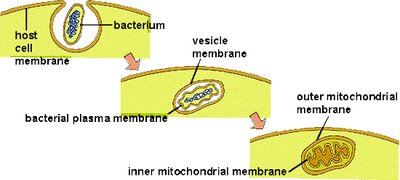
Endosymbiont Theory: Explains how eukaryotic cells acquired organelles like mitochondria and chloroplasts through the engulfment of smaller prokaryotes.
Key Mechanisms of Evolution:
Sexual reproduction
Horizontal gene transfer (exchange of genes between organisms)
Mutations and gene duplication (source of genetic diversity)
Gene Families: Sets of similar genes resulting from duplication events; some are highly conserved across all domains.
Properties of the Cell
Cellular Organization and Diversity
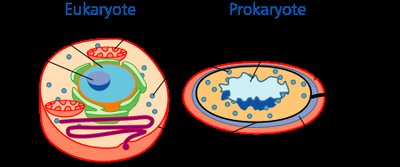
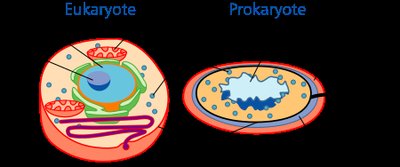
Cells are highly organized, complex, and vary in size and appearance. All cells possess a plasma membrane, but internal organization differs between prokaryotes and eukaryotes.
Plasma Membrane: Composed of hydrophilic and hydrophobic components forming a bilayer.
Cell Diversity: Size ranges from bacteria (25µm) to frog eggs (1mm); shapes include nerve cells and amoebas.
Genetic Program and Gene Expression
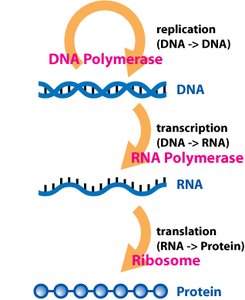
Cells contain DNA, which encodes genes and controls gene expression through transcription and translation, known as the Central Dogma.
DNA: Composed of nucleotides (A, T, C, G); genome size varies.
Central Dogma: DNA → RNA → Protein; mRNA contains uracil instead of thymine.
Gene Expression: Controlled by regulatory molecules and RNA.
Cell Replication and Division
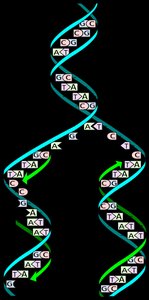
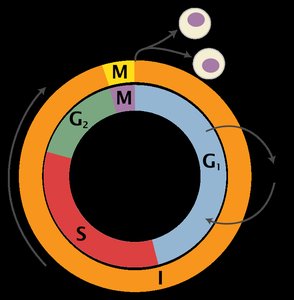
Cells replicate their DNA and divide to produce new cells. Mitosis produces genetically identical cells, while meiosis produces genetically similar cells.
DNA Replication: Each strand serves as a template for new DNA.
Cell Cycle: Includes G, S, and M phases.
Cellular Energy and Metabolism
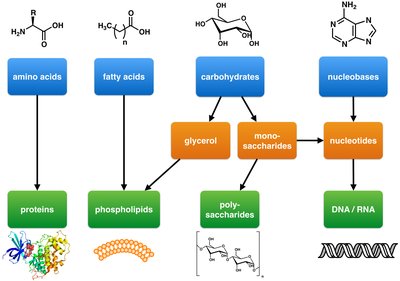
Cells require energy, which is obtained through various mechanisms and used to build macromolecules. Metabolism encompasses all chemical reactions in the cell.
Energy Sources: Organotrophic (organic), phototrophic (sunlight), lithotrophic (inorganic).
Macromolecules: Proteins, lipids, carbohydrates, nucleic acids.
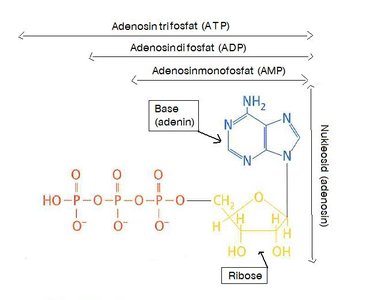
ATP: Main energy carrier molecule.
Metabolic Pathways: Photosynthesis, respiration, glycolysis.
Cellular Transport and Mechanical Activities
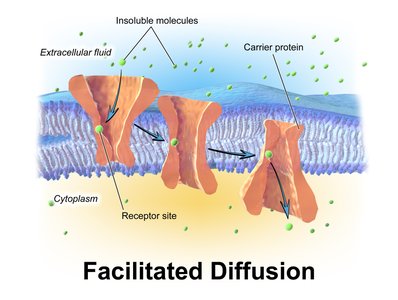
Cells regulate the movement of materials through diffusion and membrane proteins. Mechanical activities include assembly/disassembly of structural components.
Transport: Facilitated diffusion, active transport.
Surface Area to Volume Ratio: Important for efficient transport.
Cellular Response and Regulation
Cells respond to external stimuli via membrane receptors and regulate their internal chemistry through feedback mechanisms.
Receptors: Bind to external signals.
Feedback Circuits: Regulate signaling molecule levels.
History of Cell Biology
Discovery of Cells
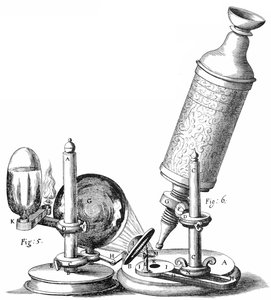
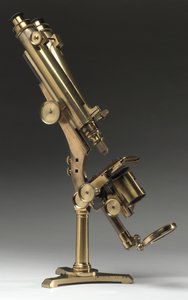
The study of cells began with the invention of microscopes, allowing scientists to observe cells for the first time.
Microscopes: Invented in the 13th century; homemade versions used in the 1600s.
Robert Hooke: First to propose the existence of cells (1660s).
Anton van Leeuwenhoek: First to visualize living cells (1670s).
The Cell Theory
The cell theory, developed in the 1800s, states that all organisms are composed of cells, the cell is the structural unit of life, and cells arise from preexisting cells.
Matthias Schleiden: Plants are made of cells.
Theodor Schwaan: Animals are made of cells.
Rudolf Virchow: Cells arise from preexisting cells.
Modern Cell Study
Modern cell biology integrates cytology, biochemistry, and genetics to study cellular structure, function, and genetic material.
Cytology: Study of cellular structure.
Biochemistry: Study of cellular function.
Genetics: Study of genetic material storage and propagation.
Prokaryotic Cell Architecture
Prokaryotic Diversity and Features
Prokaryotic cells are classified into Archaea and Bacteria, and exhibit diverse shapes, sizes, and metabolic pathways.
Physical Features: Plasma membrane, cell wall, no internal membranes (except cyanobacteria), primitive cytoskeleton, flagella for movement.
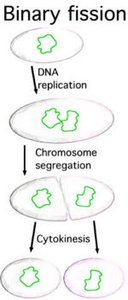
Genetic Features: DNA stored in a nucleoid, circular chromosome, binary fission for division, conjugation for gene transfer.
Gene Expression: Occurs in a single compartment; ribosomes are smaller and less complex than eukaryotic ribosomes.
Eukaryotic Cell Architecture
Main Eukaryotic Features
Eukaryotic cells are distinguished by their nucleus, organelles, cytoskeleton, and plasma membrane.
Nucleus: Enclosed by a double membrane; contains nucleoli for ribosome synthesis.
Organelles: Membrane-bound structures with specialized functions.
Cytoskeleton: Provides structural support and facilitates transport.
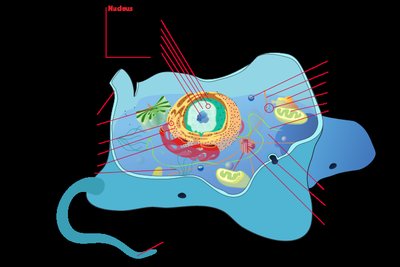
Eukaryotic Organelles
Endoplasmic Reticulum: Rough (protein synthesis), Smooth (lipid synthesis).
Golgi Apparatus: Protein modification, sorting, transport.
Mitochondria: Cellular respiration, ATP production, own DNA.
Chloroplast: Photosynthesis, own DNA.
Lysosome: Intracellular digestion.
Peroxisomes: Detoxification.
Vacuoles: Storage (large in plants).
Vesicles: Material transport.
Eukaryotic Structural Features
Microtubules: Motility, cell organization.
Microfilaments: Muscle contraction.
Intermediate Filaments: Structural stability.
Motor Proteins: Vesicle transport.
Eukaryotic Genetic Features
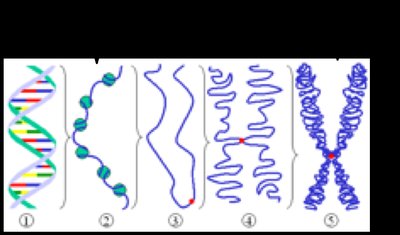
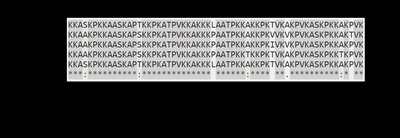
DNA: Linear chromosomes, packaged by histones (chromatin).
Gene Expression: Transcription in nucleus, translation in cytoplasm.
Cell Division: Mitosis (identical cells), meiosis (similar cells).
Multicellular Structures
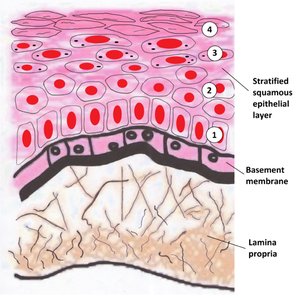
Extracellular Matrix: Attaches cells, provides structural support (collagen, proteoglycans).
Plant Cell Walls: Made of cellulose; plasmodesmata connect cells.
Multicellular Tissues: Allow cell differentiation.
Comparison of Prokaryotes and Eukaryotes
Key Differences
Characteristic | Prokaryotes | Eukaryotes |
|---|---|---|
DNA Structure | Circular nucleoid | Linear chromosome |
DNA Storage | Free-floating | In nucleus |
Nucleus | No | Yes |
Internal Membranes | No | Yes |
Plasma Membrane | Yes | Yes |
Cytoskeleton | Primitive | Complex |
Division | Binary Fission | Mitosis/Meiosis |
Daughter Cell DNA | Full copy | ½ copy |
Classification Domain | Archaea, Bacteria | Eukaryota |
Model Organisms
Theory and Examples
Model organisms are used to study biological processes due to their rapid division, transparency, and ease of genetic manipulation.
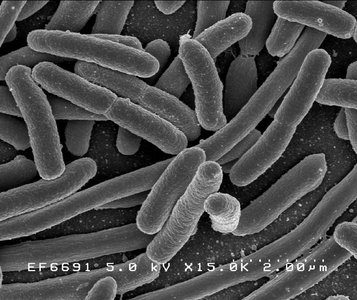
Escherichia coli: Studies basic biology, rapid division.
Yeast (Saccharomyces cerevisiae): Studies eukaryotic biology, genetic screens.
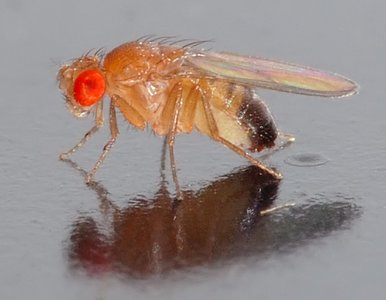
Drosophila melanogaster: Studies chromosomal biology, multicellular development.
Caenorhabditis elegans: Studies cell differentiation, development.
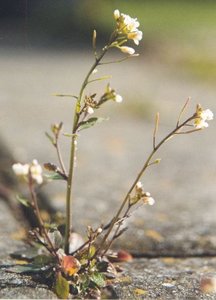
Arabidopsis thaliana: Studies plant genetics and development.
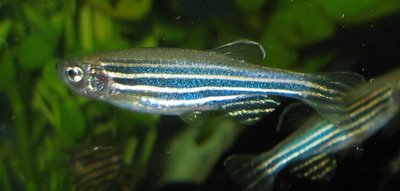
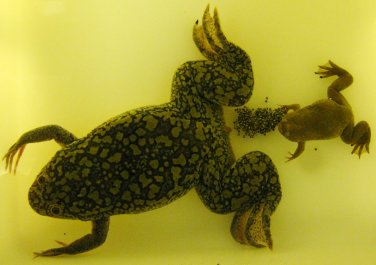
Zebrafish and Frogs: Studies developmental biology.
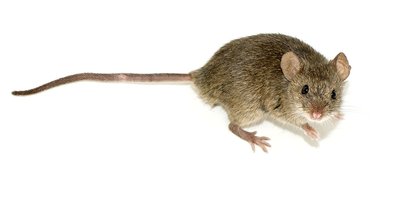
Mice (Mus musculus): Studies mammalian genetics, disease models.
Viruses, Viroids, and Prions
Viruses
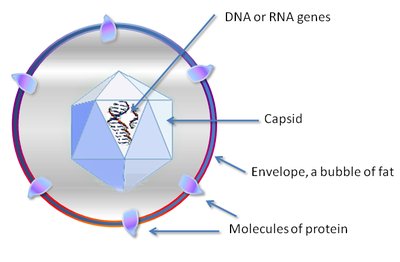
Viruses are small, non-living infectious particles that rely on host cells for replication. They consist of a protein coat (capsid) and genetic material (DNA or RNA).
Structure: Capsid, envelope (in some), no organelles or cytoplasm.
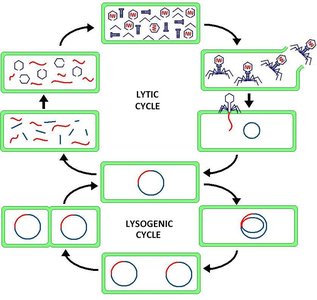
Life Cycles: Lytic (produces new viral particles, lyses cell), Lysogenic (integrates genome into host).
Host Specificity: Bacteriophages infect bacteria.
Viroids and Prions
Viroids: Small, circular RNA molecules infecting plants; interfere with gene expression.
Prions: Abnormally folded proteins causing neurological diseases; not destroyed by cooking.
Evolution of Tissue Structure
Cells to Tissues
Cell-cell interactions led to the development of extracellular matrix and multicellular organisms. Tissues are organized groups of cells with specific functions.
Extracellular Matrix: Provides structural support; composed of proteins like collagen.
Plant Tissues: Ground, dermal, vascular.
Animal Tissues: Epithelial, connective, blood, nervous, muscle.
Multicellular Development
Developmental Patterns: Protostomes (mouth first), deuterostomes (anus first).
Patterning Genes: Highly conserved transcription factors control tissue formation and symmetry.
Practice Questions
Which of the following is not an evolutionary mechanism responsible for organismal diversity? (Sexual Reproduction, Mutations, Endosymbiont theory, Horizontal Gene Transfer)
Which of the following terms describes two genes that diverged in two or more species? (Homolog, Ortholog, Paralog, Metalog)
Which of the following is not classified as a Prokaryote? (Archaea, Bacteria, Eukaryota)
Which of the following is not a property of all cells? (Evolution, Use of energy, Genetic program to control gene expression, Mobility)
Which of the following terms describes an organism who obtains energy from sunlight? (Organotrophic, Lithotrophic, Phototrophic, Aerobic)
True or False: To be considered a cell, it must evolve, have metabolism, replicate its DNA, and never interact with the external environment? (True, False)
Which of the following is not a part of the cell theory? (Organisms are composed of one or more cells, Cells always interact with the external environment, The cell is the structural unit of life, Cells arise from preexisting cell division)
Which cell type has a nucleus? (Prokaryotic, Eukaryotic, Both)
Which cell type divides via binary fission? (Prokaryotic, Eukaryotic, Both)
Which cell type has a plasma membrane? (Prokaryotic, Eukaryotic, Both)
Which of the following organisms is often used to study developmental biology? (E. coli, Yeast, C. elegans, Retroviruses)
Frogs are often used to study development because why? (They have unusual genetic systems, Their eggs are large enough to see with the naked eye, Their embryos are transparent, They contain a small number of chromosomes)
Which of the following is true? (Viruses, viroids, and prions are all living infectious agents, Viroids have two main life cycles: the lytic and lysogenic cycle, Viruses have two main shapes: icosahedron and circular, Viruses, viroids, and prions are all non-living infectious agents)
