 Back
BackIntroduction to Cell Biology: Properties, Evolution, and Model Organisms
Study Guide - Smart Notes
 Tailored notes based on your materials, expanded with key definitions, examples, and context.
Properties of the Cell
Cellular Evolution and Diversity
Cells are the fundamental units of life, capable of evolving and adapting to their environment over time. The origin of cells traces back to a single ancestral cell, from which all living organisms have descended. Evolutionary processes, such as mutations and gene transfer, drive the diversity observed in modern cells.
Three Domains of Life: Archaea, Bacteria (Prokaryotes), and Eukarya (Eukaryotes).
DNA/RNA Sequencing: Used to identify evolutionary relationships.
Mutations: Changes in DNA sequence that drive evolution.
Cell Diversity: Cells vary greatly in size and shape, from small bacteria to large frog eggs.
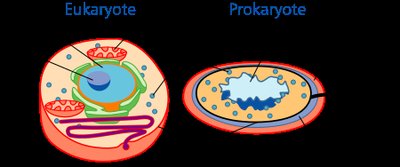
Cell Organization: All cells possess a plasma membrane; eukaryotes have organelles and a nuclear envelope.
Genetic Program and Gene Expression
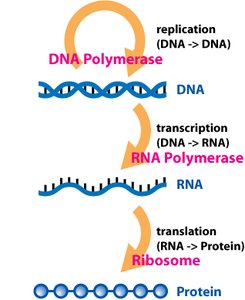
Cells contain a genetic program encoded in DNA, which is transcribed and translated to produce proteins. This process is known as the Central Dogma of Biology.
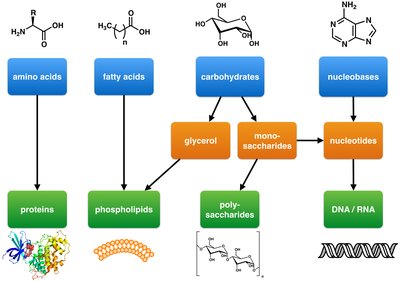
DNA: Composed of nucleotides (deoxyribose sugar, phosphate group, base: A, T, C, G).
Central Dogma: DNA → RNA → Protein.
Gene Expression: Controlled by transcription (in nucleus) and translation (in cytoplasm).
Proteins: Made of amino acids; function as enzymes and structural components.
Cell Replication and Division
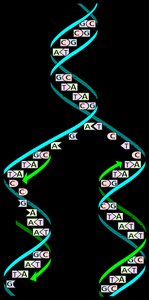
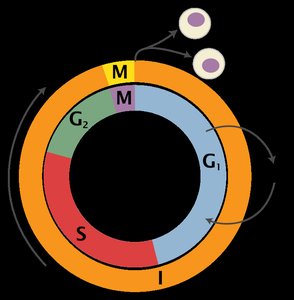
Cells replicate their DNA and divide to produce new cells. Eukaryotic cell division occurs via mitosis or meiosis, while prokaryotes divide by binary fission.
DNA Replication: Each strand serves as a template for synthesis of a new strand.
Mitosis: Produces two genetically identical cells; consists of G, S, and M phases.
Meiosis: Produces genetically diverse cells (gametes).
Cellular Energy and Metabolism
Cells require energy to perform essential functions. Energy sources and metabolic pathways vary among organisms.
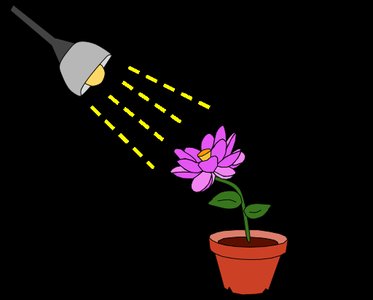
Energy Sources: Organotrophic (organic molecules), Phototrophic (sunlight), Lithotrophic (inorganic chemicals).
Metabolism: Sum of all chemical reactions in a cell; includes photosynthesis, respiration, glycolysis.
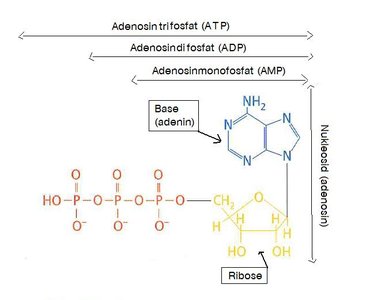
ATP: Main energy carrier molecule in cells.
Enzymes: Proteins that catalyze metabolic reactions.
Mechanical Activities and Transport
Cells regulate the movement of materials and maintain structural integrity through mechanical activities.
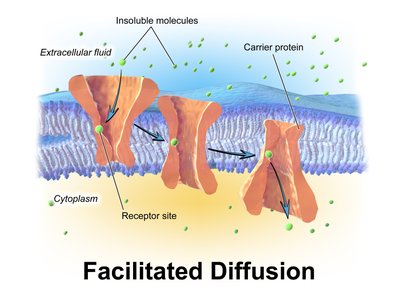
Transport: Movement of substances via diffusion and membrane proteins.
Surface Area to Volume Ratio: Critical for efficient transport.
Structural Components: Assembly/disassembly of cytoskeletal elements enables movement and support.
Cellular Responses and Regulation
Cells respond to external stimuli and self-regulate their internal environment through feedback mechanisms.
Receptors: Proteins on plasma membrane that detect signals.
Feedback Circuits: Regulate cellular activities based on signaling molecule levels.
Evolution of the Cell
Tree of Life and Domains
All living organisms share a common ancestor. Evolutionary relationships are depicted in phylogenetic trees, and molecular comparisons reveal genetic, metabolic, and signaling similarities.
Three Domains: Archaea, Bacteria, Eukaryota.
Endosymbiont Theory: Explains origin of mitochondria and chloroplasts in eukaryotes.
Phylogenetic Trees: Visualize evolutionary relationships.
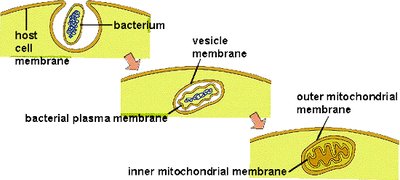
Mechanisms of Evolution
Evolution occurs through sexual reproduction, horizontal gene transfer, and mutations. Gene families arise from duplication events, contributing to genetic diversity.
Sexual Reproduction: Generates genetic variation.
Horizontal Gene Transfer: Genes transferred between organisms, especially in prokaryotes.
Mutations: Changes in DNA sequence; highly conserved genes mutate less frequently.
Gene Duplication: Source of new gene functions (homologs, orthologs, paralogs).
Eukaryotic Cell Architecture
Main Features of Eukaryotic Cells
Eukaryotic cells are distinguished by their compartmentalization, presence of organelles, and complex cytoskeletal structures.
Nucleus: Stores DNA, enclosed by nuclear envelope with pores.
Organelles: Membrane-bound structures with specialized functions.
Cytoskeleton: Provides structural support and enables movement.
Plasma Membrane: Lipid bilayer with embedded proteins.
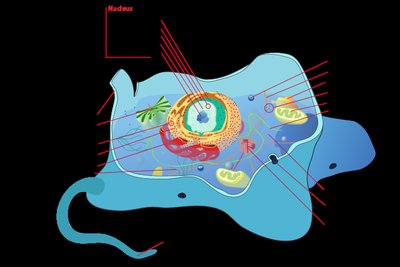
Eukaryotic Organelles and Functions
Each organelle in eukaryotic cells performs specific functions essential for cellular life.
Endoplasmic Reticulum (ER): Rough ER synthesizes proteins; Smooth ER synthesizes lipids.
Golgi Apparatus: Modifies, sorts, and secretes proteins.
Mitochondria: Site of cellular respiration and ATP production; contains its own DNA.
Chloroplasts: Site of photosynthesis in plants; contains its own DNA.
Lysosomes: Intracellular digestion.
Peroxisomes: Detoxification of harmful substances.
Vacuoles: Storage of water and other substances (large in plant cells).
Vesicles: Transport materials within the cell.
Eukaryotic Structural Features
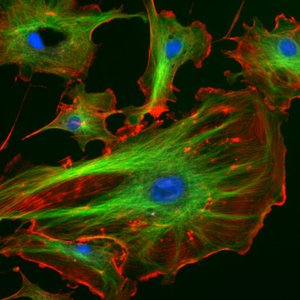
The cytoskeleton is composed of microtubules, microfilaments, and intermediate filaments, which provide support, shape, and facilitate intracellular transport.
Microtubules: Hollow tubes for cell shape and motility.
Microfilaments (Actin): Thin filaments for contraction and movement.
Intermediate Filaments: Stable support for cell structure.
Motor Proteins: Transport vesicles along cytoskeletal tracks.
Eukaryotic Genetic Features
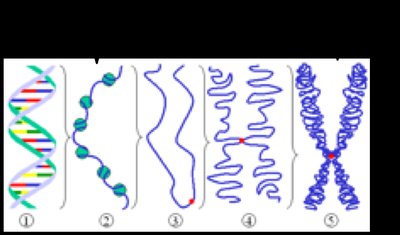
Eukaryotic DNA is organized into linear chromosomes and tightly packaged with histone proteins, forming chromatin. Gene expression is regulated by separating transcription and translation.
Chromatin: DNA-histone complex for efficient packaging.
Transcription: Occurs in nucleus; Translation: Occurs in cytoplasm.
Cell Division: Mitosis (identical cells) and meiosis (genetically diverse cells).
Multicellular Structures and Extracellular Matrix
Eukaryotic cells can form multicellular organisms and extracellular matrixes, which provide structural support and facilitate cell communication.
Extracellular Matrix: Composed of collagen and proteoglycans; attaches cells and provides support.
Plant Cell Walls: Made of cellulose; connected by plasmodesmata.
Cell Differentiation: Groups of cells evolve into tissues and organs.
Comparison of Prokaryotes and Eukaryotes
Key Differences
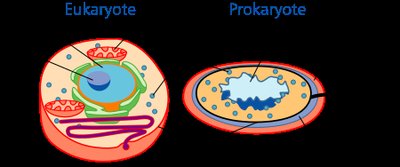
Prokaryotic and eukaryotic cells differ in their DNA structure, organelles, division mechanisms, and classification domains.
Characteristic | Prokaryotes | Eukaryotes |
|---|---|---|
DNA Structure | Circular nucleoid | Linear chromosome |
DNA Storage | Free-floating | In nucleus |
Nucleus | ✘ | ✔ |
Internal Membranes | ✘ | ✔ |
Plasma Membrane | ✔ | ✔ |
Complex Cytoskeleton | ✘ | ✔ |
Division | Binary Fission | Mitosis/Meiosis |
Daughter Cell DNA | Full copy | ½ copy |
Domain | Archaea/Bacteria | Eukaryota |
Model Organisms in Cell Biology
Theory and Importance of Model Organisms
Model organisms are species widely used in research due to their ease of manipulation, rapid growth, and genetic similarity to other organisms. They provide insights into fundamental biological processes.
Genetic Conservation: Many genes are shared across species.
Genetic Redundancy: Multiple gene versions can complicate studies.
Main Model Organisms
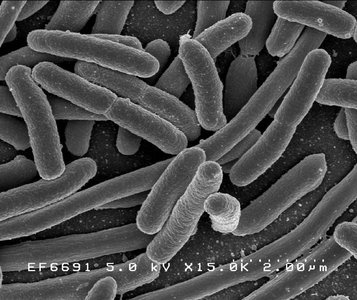
Escherichia coli: Studies basic genetic mechanisms; rapid division.
Yeast (Saccharomyces cerevisiae): Studies eukaryotic cell biology; genetic screens.
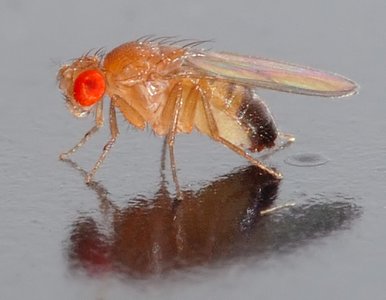
Drosophila melanogaster (Fruit Fly): Studies chromosomal biology and development.
Caenorhabditis elegans (Nematode): Studies cell differentiation and development.
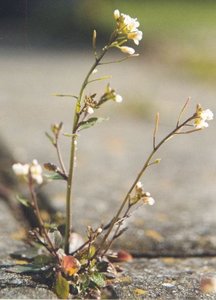
Arabidopsis thaliana (Plant): Studies plant genetics and development.
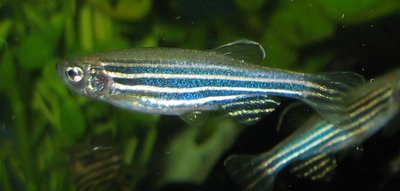
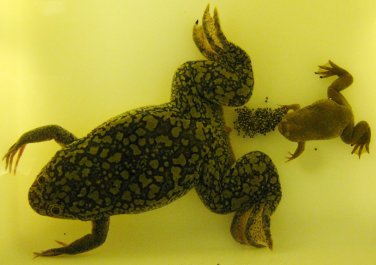
Zebrafish and Frogs: Studies developmental biology; transparent embryos and large eggs.
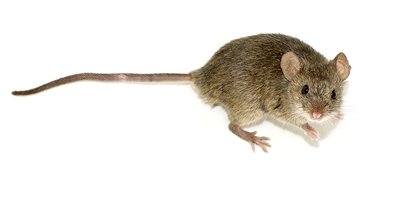
Mice (Mus musculus): Studies mammalian genetics and disease models.
Cell Culture: Studies cellular mechanisms in vitro.
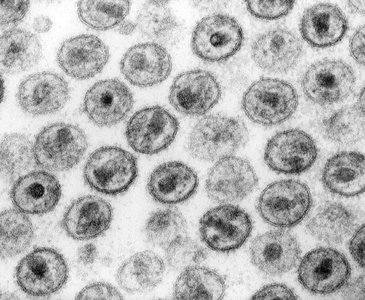
Viruses: Studies infection and gene transfer.
Practice Questions
Which of the following is not a property of all cells? a. Evolution b. Use of energy c. Genetic program to control gene expression d. Mobility
Which of the following terms describes an organism who obtains energy from sunlight? a. Organotrophic b. Lithotrophic c. Phototrophic d. Aerobic
True or False: To be considered a cell, it must evolve, have metabolism, replicate its DNA, and never interact with the external environment? a. True b. False
Which of the following is not an evolutionary mechanism responsible for organismal diversity? a. Sexual Reproduction b. Mutations c. Endosymbiont theory d. Horizontal Gene Transfer
Which of the following terms describes two genes that diverged in two or more species? a. Homolog b. Ortholog c. Paralog d. Metalog
Which of the following is not classified as a Prokaryote? a. Archaea b. Bacteria c. Eukaryota
Which of the following is true about eukaryotic cells? a. They all contain a plasma membrane, a cell wall, and divide through mitosis b. They all contain a plasma membrane, store their DNA in a nucleus, and have membrane bound organelles c. They all contain a plasma membrane, have cytoskeletal elements, and do not contain a nucleus d. They all contain a plasma membrane, divide through mitosis, and do not contain a nucleus
Which of the following organelles is the place of protein synthesis? a. Golgi b. Vesicle c. Nucleus d. Endoplasmic Reticulum
Which of the following is not a major structural component of the eukaryotic cell? a. Microtubules b. Actin Filaments c. Plasmodesmata d. Intermediate Filaments
The extracellular matrix is important because it does what? a. Allows water to flow in and out of the cell b. Attaches cells together and provides support for multicellular structures c. Connects plant cells through a cytoplasmic bridge d. Provides support to the plasma membrane from inside the cell
Which cell type has a nucleus? a. Prokaryotic b. Eukaryotic c. Both
Which cell type divides via binary fission? a. Prokaryotic b. Eukaryotic c. Both
Which cell type has a plasma membrane? a. Prokaryotic b. Eukaryotic c. Both
Which of the following organisms is often used to study developmental biology? a. E. coli b. Yeast c. C. elegans d. Retroviruses
Frogs are often used to study development because why? a. They have unusual genetic systems b. Their eggs are large enough to see with the naked eye c. Their embryos are transparent d. They contain a small number of chromosomes
Which of the following organisms would be the most difficult to use when performing a genetic screen? a. Yeast b. E. coli c. Zebrafish d. Mice
