Back

General Chemistry Study Notes: Thermochemistry, Acids & Bases, and Aqueous Ionic Equilibria

Study Guide - Learn with Videos

Curated lessons matched to your uploaded material – learn every topic step by step.

Hess's Law

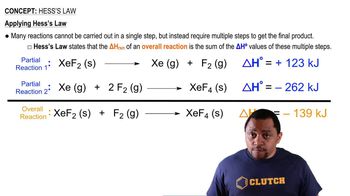
  • Hess's Law
    02:03
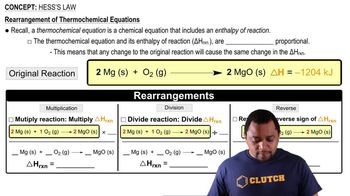
  • Hess's Law
    03:11
  • Hess's Law Example 1
    01:39

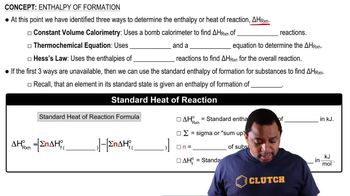
Enthalpy of Formation

  • Enthalpy of Formation Example 1
    03:17
  • Enthalpy of Formation
    02:34

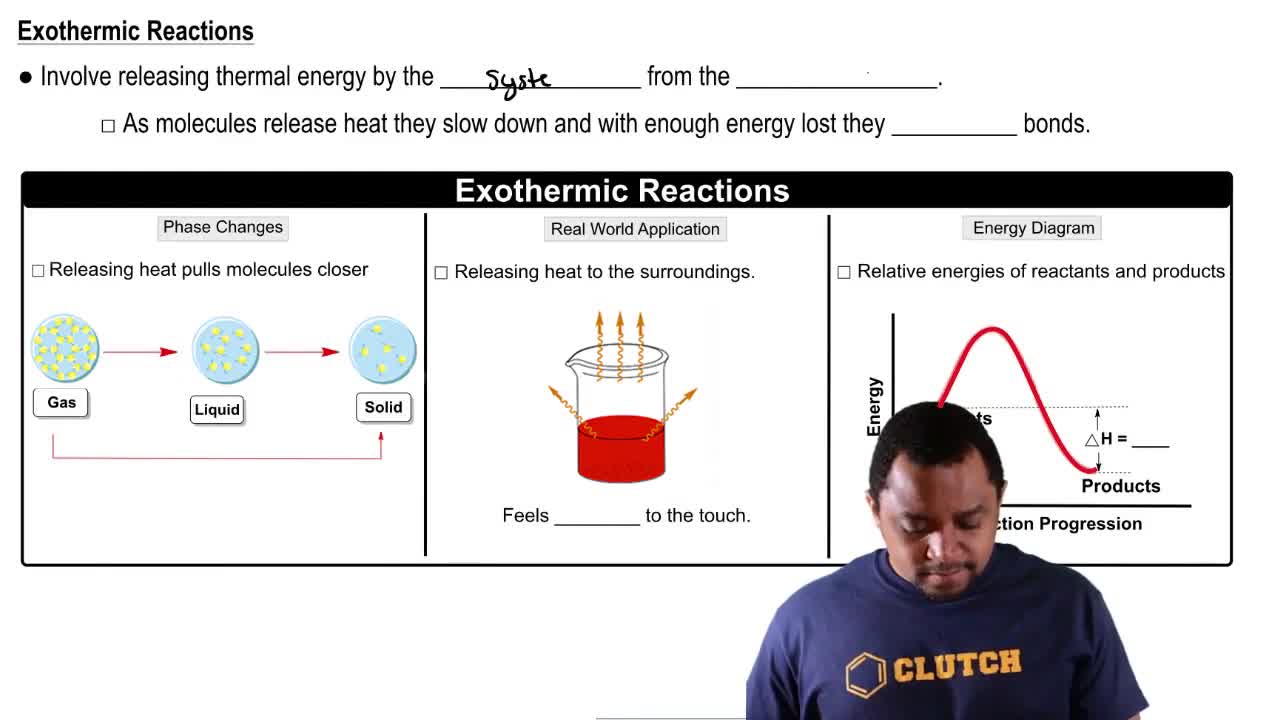
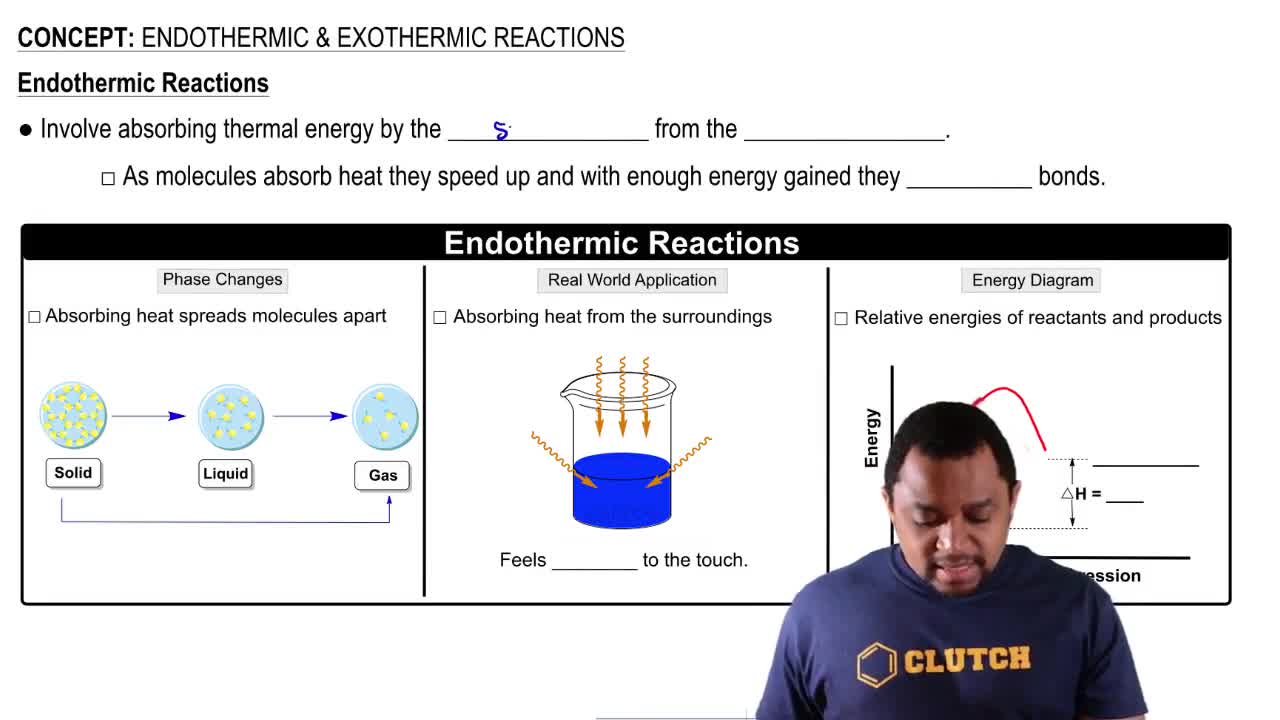
Endothermic & Exothermic Reactions

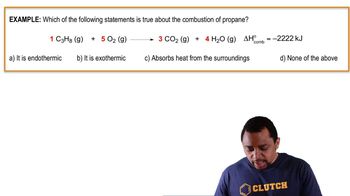
  • Endothermic & Exothermic Reactions Example 2
    1:48
  • Endothermic & Exothermic Reactions
    02:38
  • Endothermic & Exothermic Reactions
    02:30

Constant-Pressure Calorimetry

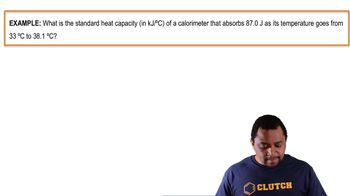
  • Constant-Pressure Calorimetry Example 1
    01:20
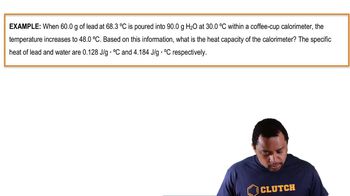
  • Constant-Pressure Calorimetry Example 2
    04:47
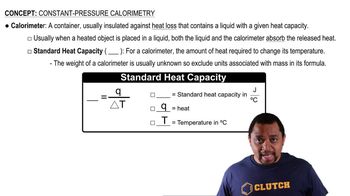
  • Constant-Pressure Calorimetry
    01:11

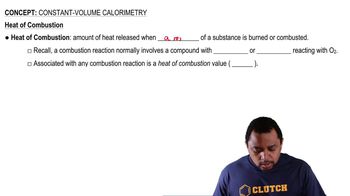
Constant-Volume Calorimetry

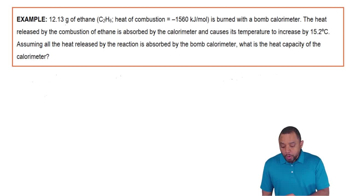
  • Constant-Volume Calorimetry Example 1
    00:59
  • Constant-Volume Calorimetry
    00:50
  • Constant-Volume Calorimetry Example 2
    04:37

Bronsted-Lowry Acids and Bases

  • Acid-Base Classification Example
    02:56
  • Bronsted-Lowry Acids and Bases Example
    01:10
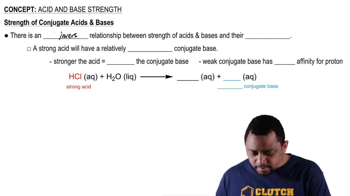
  • Strength of Conjugate Acids and Bases
    00:50

Acids Introduction

  • Acid Structure and Types
    02:29
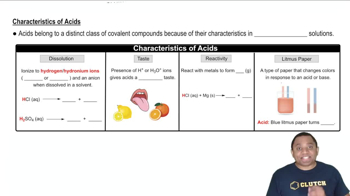
  • Acid Characteristics
    02:59
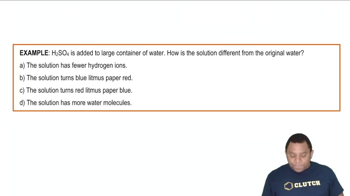
  • Acid Characteristics Example
    01:23

Bases

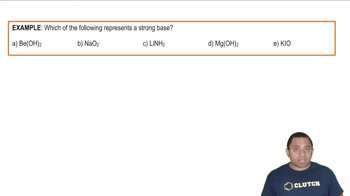
  • Strong Bases Example
    01:39
  • Weak Bases Example
    01:54
  • Base Example
    01:17

Ka and Kb

  • Ka and Kb Example
    01:31
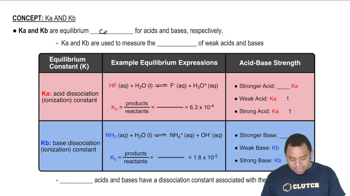
  • Characteristics of Ka and Kb
    03:50
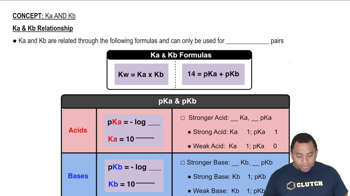
  • Ka and Kb Relationship
    03:01

The pH Scale

  • pH Calculation Example
    02:15
  • Least Acidic Solution Example
    00:48
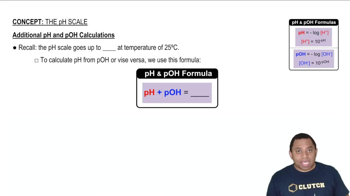
  • Additional pH and pOH Calculations
    00:58

ICE Charts

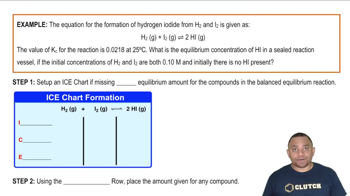
  • Calculate Equilibrium Amount with ICE Chart Example
    08:03
  • ICE Charts and Equilibrium Constant
    00:39
  • ICE Charts and Equilibrium Amount
    01:14

Intro to Buffers

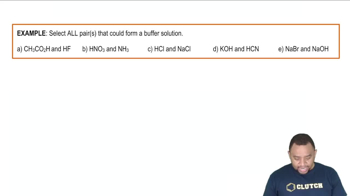
  • Buffer Solution Example
    02:41
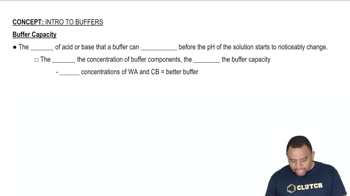
  • Buffer Capacity
    00:45
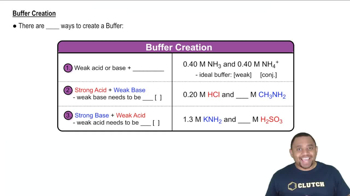
  • Buffer Creation Methods
    03:04

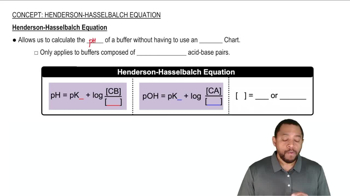
Henderson-Hasselbalch Equation

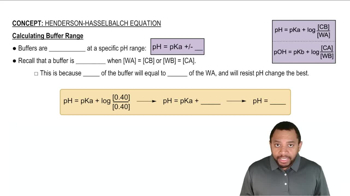
  • Buffer Range Calculation
    02:47
  • Buffering Range Example
    01:22
  • Henderson-Hasselbalch Equation
    02:40

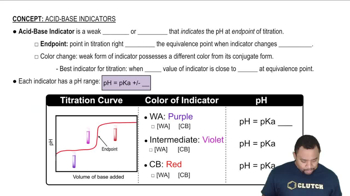
Acid-Base Indicators

  • Acid-Base Indicators
    04:30
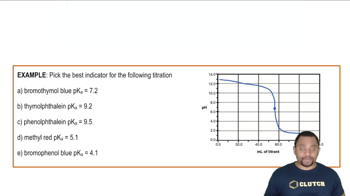
  • Best Indicator Example
    00:52

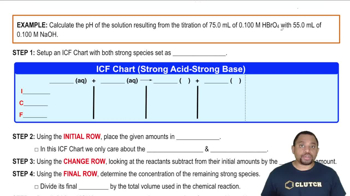
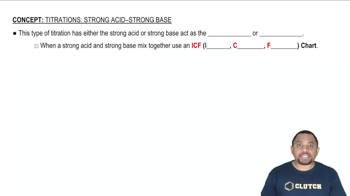
Titrations: Strong Acid-Strong Base

  • Strong Acid-Strong Base Titration Example
    04:43
  • Strong Acid-Strong Base Titration
    01:09

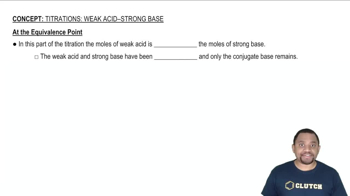
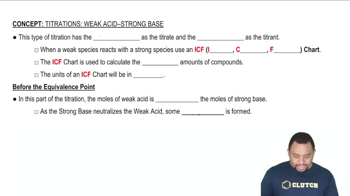
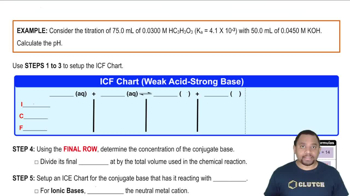
Titrations: Weak Acid-Strong Base

  • At the Equivalence Point
    01:07
  • Before the Equivalence Point
    01:30
  • pH at the Equivalence Point Example
    08:27

Titrations: Weak Base-Strong Acid

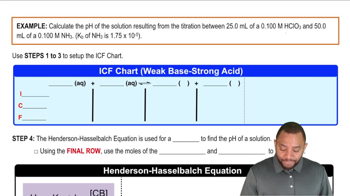
  • pH Before the Equivalence Point Example
    05:10
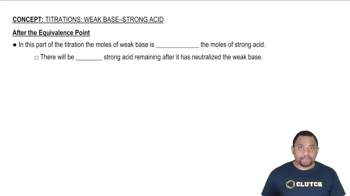
  • After the Equivalence Point
    00:53
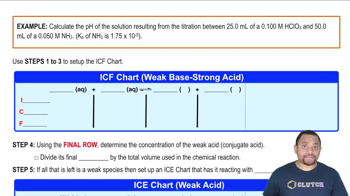
  • pH at the Equivalence Point Example
    07:28

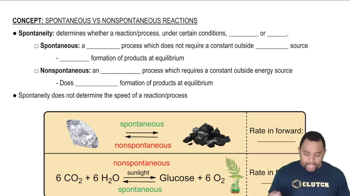
Spontaneous vs Nonspontaneous Reactions

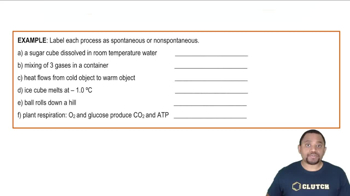
  • Spontaneity of Processes Example
    03:05
  • Spontaneity of Processes
    04:20