 Back
BackCarbohydrate Metabolism: Pathways, Regulation, and Energy Yield
Study Guide - Smart Notes
 Tailored notes based on your materials, expanded with key definitions, examples, and context.
Carbohydrate Metabolism
Overview of Carbohydrate Metabolism
Carbohydrate metabolism encompasses the biochemical pathways by which glucose and other sugars are digested, absorbed, stored, and utilized for energy in the body. These pathways are central to cellular energy production and are tightly regulated to maintain homeostasis.
Glucose is the primary energy source for the brain, muscles, and red blood cells.
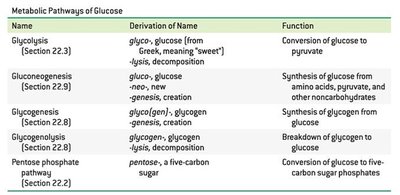
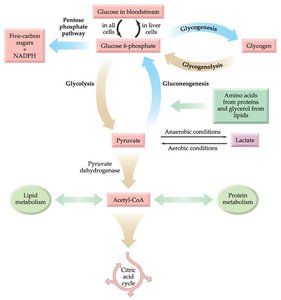
Major metabolic pathways include glycolysis, gluconeogenesis, glycogenesis, glycogenolysis, and the pentose phosphate pathway.
Digestion and Absorption of Carbohydrates
Stage 1: Digestion – Polymers to Monomers
Dietary carbohydrates are broken down into monosaccharides (mainly glucose, fructose, and galactose) through enzymatic digestion in the gastrointestinal tract. These monosaccharides are absorbed into the bloodstream and transported to cells for metabolism.
Polysaccharides (e.g., starch, glycogen) are hydrolyzed to oligosaccharides and then to monosaccharides.
Monosaccharides enter glycolysis or are converted to glycolytic intermediates.
Glycolysis
Pathway and Key Steps
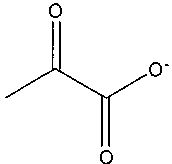
Glycolysis is the central pathway for glucose catabolism, converting one molecule of glucose into two molecules of pyruvate, with the net production of ATP and NADH. It occurs in the cytoplasm and does not require oxygen (anaerobic).
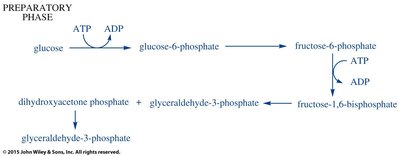
Preparatory Phase: Two ATP are consumed to phosphorylate glucose and fructose 6-phosphate.
Cleavage Phase: Fructose 1,6-bisphosphate is split into two three-carbon sugars: dihydroxyacetone phosphate and glyceraldehyde 3-phosphate.
Payoff Phase: Four ATP and two NADH are produced per glucose (net gain: 2 ATP, 2 NADH).
Key Reactions and Intermediates
Step 1: Glucose is phosphorylated to glucose 6-phosphate by hexokinase (uses 1 ATP).
Step 2: Isomerization to fructose 6-phosphate.
Step 3: Phosphorylation to fructose 1,6-bisphosphate (uses 1 ATP).
Step 4-5: Cleavage and isomerization to two molecules of glyceraldehyde 3-phosphate.
Step 6: Oxidation and phosphorylation to 1,3-bisphosphoglycerate (produces 2 NADH).
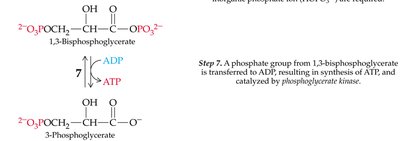
Step 7: Substrate-level phosphorylation to 3-phosphoglycerate (produces 2 ATP).
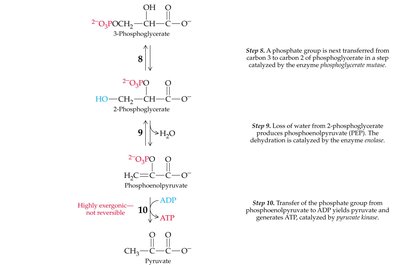
Steps 8-10: Rearrangement and final substrate-level phosphorylation to pyruvate (produces 2 ATP).

Overall Glycolysis Equation
Fate of Pyruvate
Aerobic and Anaerobic Pathways
The fate of pyruvate depends on the availability of oxygen:
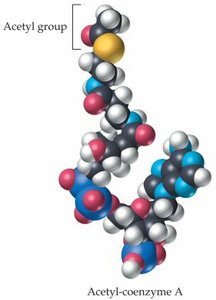
Aerobic conditions: Pyruvate is transported into mitochondria and converted to acetyl-CoA by the pyruvate dehydrogenase complex, entering the citric acid cycle.
Anaerobic conditions: Pyruvate is reduced to lactate (in animals) or ethanol and CO2 (in yeast) to regenerate NAD+ for glycolysis.
Citric Acid Cycle (Krebs Cycle)
Role and Energy Yield
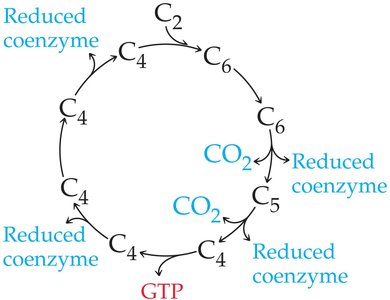
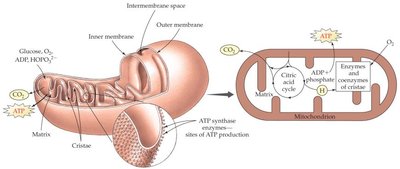
The citric acid cycle is a series of enzyme-catalyzed reactions in the mitochondrial matrix that oxidizes acetyl-CoA to CO2, generating NADH, FADH2, and GTP (converted to ATP). It is the central hub of metabolism, linking carbohydrate, fat, and protein catabolism.
Each turn of the cycle produces 3 NADH, 1 FADH2, and 1 GTP (ATP equivalent) per acetyl-CoA.
Two turns per glucose molecule (since each glucose yields two acetyl-CoA).
Electron Transport Chain and ATP Production
Oxidative Phosphorylation
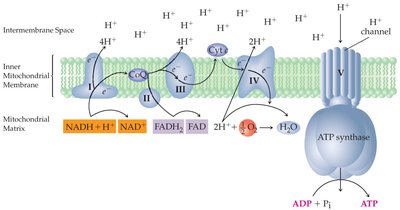
The electron transport chain (ETC) is located in the inner mitochondrial membrane. Electrons from NADH and FADH2 are transferred through a series of protein complexes, ultimately reducing O2 to H2O. The energy released pumps protons into the intermembrane space, creating a proton gradient that drives ATP synthesis via ATP synthase.
NADH: Each yields approximately 3 ATP.
FADH2: Each yields approximately 2 ATP.
Oxygen: Final electron acceptor, essential for aerobic ATP production.
Energy Yield from Complete Glucose Catabolism
ATP Accounting
Glycolysis: 2 ATP (net), 2 NADH
Pyruvate to Acetyl-CoA: 2 NADH
Citric Acid Cycle: 2 ATP (as GTP), 6 NADH, 2 FADH2
Electron Transport Chain: 34 ATP (from NADH and FADH2)
Total ATP per glucose: Up to 38 ATP
Regulation of Glucose Metabolism
Hormonal Control and Metabolic Adaptation
Blood glucose levels are tightly regulated by hormones:
Insulin: Lowers blood glucose by promoting cellular uptake and storage as glycogen.
Glucagon: Raises blood glucose by stimulating glycogen breakdown and gluconeogenesis.
During fasting or stress, protein and lipid catabolism increase to provide substrates for gluconeogenesis and energy production.
Glycogen Metabolism
Glycogenesis and Glycogenolysis
Glycogen is the storage form of glucose in animals, primarily in liver and muscle cells. Its synthesis and breakdown are regulated to maintain blood glucose homeostasis.
Glycogenesis: Synthesis of glycogen from glucose when glucose is abundant.
Glycogenolysis: Breakdown of glycogen to glucose when energy is needed.
Gluconeogenesis
Synthesis of Glucose from Noncarbohydrates
Gluconeogenesis is the process of synthesizing glucose from noncarbohydrate precursors such as lactate, amino acids, and glycerol. It is essential during fasting, starvation, or intense exercise.
Occurs mainly in the liver.
Bypasses the irreversible steps of glycolysis using unique enzymes.
Helps maintain blood glucose levels during periods of low carbohydrate intake.
Entry of Other Sugars into Glycolysis
Metabolism of Fructose, Galactose, and Mannose
Other dietary monosaccharides are converted into glycolytic intermediates:
Fructose: Converted to fructose 6-phosphate (muscle) or glyceraldehyde 3-phosphate (liver).
Galactose: Converted to glucose 6-phosphate via a multi-step pathway.
Mannose: Converted to fructose 6-phosphate.
Pentose Phosphate Pathway
Production of NADPH and Ribose 5-Phosphate
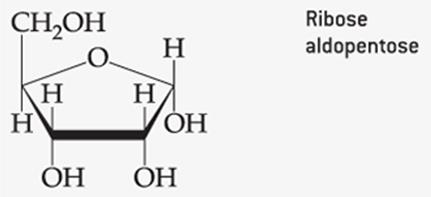
The pentose phosphate pathway branches from glucose 6-phosphate and generates NADPH (for biosynthetic reactions) and ribose 5-phosphate (for nucleotide synthesis).
Important for anabolic processes and antioxidant defense.
Summary Table: Metabolic Pathways of Glucose
Name | Derivation of Name | Function |
|---|---|---|
Glycolysis | glyco-, glucose (from Greek, meaning "sweet"); -lysis, decomposition | Conversion of glucose to pyruvate |
Gluconeogenesis | gluco-, glucose; -neo, new; -genesis, creation | Synthesis of glucose from amino acids, pyruvate, and other noncarbohydrates |
Glycogenesis | glyco(gen), glycogen; -genesis, creation | Synthesis of glycogen from glucose |
Glycogenolysis | glyco-, glycogen; -lysis, decomposition | Breakdown of glycogen to glucose |
Pentose phosphate pathway | pentose, a five-carbon sugar | Conversion of glucose to five-carbon sugar phosphates |
Key Equations
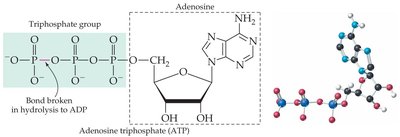
ATP Hydrolysis:
Overall Glucose Catabolism:
Additional info: The above notes integrate and expand upon the provided material, ensuring a comprehensive, self-contained study guide for carbohydrate metabolism, suitable for exam preparation in a general, organic, and biological chemistry course.
