 Back
Chapter 17: Lipids – Structure, Function, and Biological Importance
Study Guide - Smart Notes
 Tailored notes based on your materials, expanded with key definitions, examples, and context.
Lipids: Classification and Overview
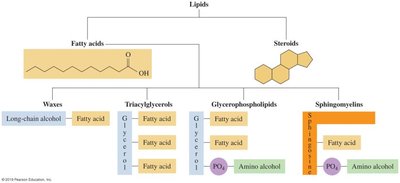
Definition and Major Classes
Lipids are a diverse group of naturally occurring organic compounds unified by their solubility in nonpolar solvents and insolubility in water. They play critical roles in energy storage, membrane structure, and signaling.
Major classes: Fatty acids, triglycerides (triacylglycerols), phospholipids, sphingolipids, glycolipids, steroids, lipid-soluble vitamins, prostaglandins, leukotrienes, thromboxanes, and cholesterol.
Common features: Long hydrocarbon chains, often with a carboxylic acid group, and varying degrees of saturation.
Fatty Acids
Structure and Nomenclature
Fatty acids are carboxylic acids with long hydrocarbon chains. They are the building blocks of many complex lipids.
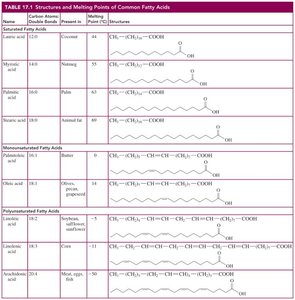
Chain length: Typically 10–20 carbons, unbranched, and usually even-numbered.
Saturation:
Saturated fatty acids: No carbon-carbon double bonds.
Monounsaturated fatty acids: One cis double bond, causing a bend in the chain.
Polyunsaturated fatty acids: Multiple cis double bonds, never adjacent.
Nomenclature: Common names and the “two-number” system (e.g., 18:1 for oleic acid).
Cis vs. Trans Unsaturated Fatty Acids
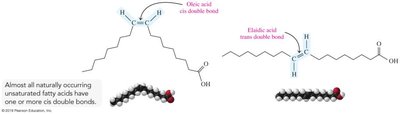
Most natural unsaturated fatty acids have cis double bonds, which introduce kinks and prevent tight packing. Trans fats, produced industrially, have straighter chains and behave more like saturated fats.
Cis double bonds: Cause bends, lower melting points, and increase fluidity.
Trans double bonds: Rare in nature, increase rigidity, and are associated with health risks.
Physical Properties and Health Implications
Melting point: Increases with chain length and decreases with unsaturation.
Health: Trans fats raise LDL cholesterol and inflammation, increasing cardiovascular risk.
Essential Fatty Acids and Omega Nomenclature
Essential fatty acids (e.g., omega-3 and omega-6) cannot be synthesized by the body and must be obtained from the diet. The omega system counts from the methyl end to the first double bond.
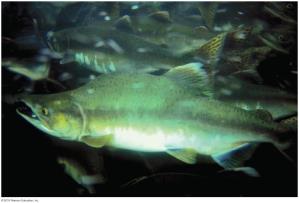
Omega-3 fatty acids: Double bond at the third carbon from the methyl end; found in fish oils and linked to cardiovascular and anti-inflammatory benefits.
Biologically Active Lipid Derivatives
Prostaglandins, Thromboxanes, and Leukotrienes
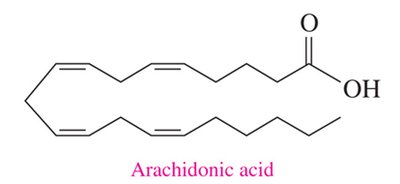
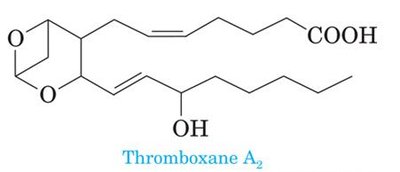
These are signaling molecules derived from polyunsaturated fatty acids (e.g., arachidonic acid) and play roles in inflammation, blood clotting, and smooth muscle regulation.
Prostaglandins: Regulate smooth muscle, blood pressure, and inflammation.
Thromboxanes: Promote platelet aggregation and vasoconstriction.
Leukotrienes: Mediate immune responses, especially in the lungs.

Waxes
Structure and Function
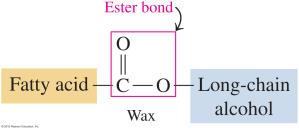
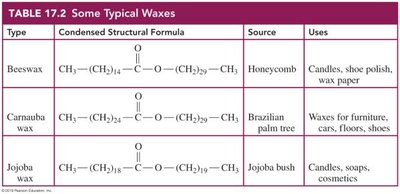
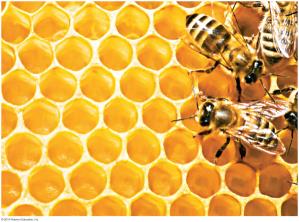
Waxes are esters formed from long-chain fatty acids and long-chain alcohols. They are highly hydrophobic and serve as protective coatings in nature.
Functions: Water barriers in plants and animals, used in food preservation and cosmetics.
Triacylglycerols (Triglycerides)
Structure and Synthesis
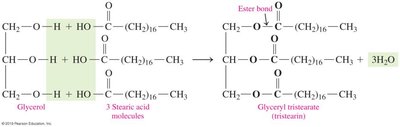
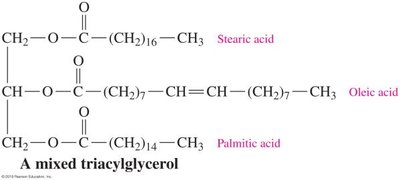
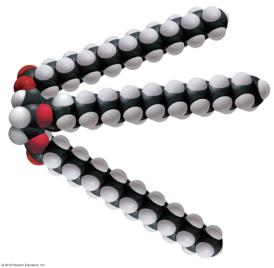
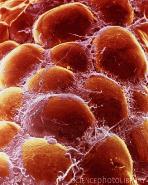
Triacylglycerols are the main storage form of energy in animals, consisting of glycerol esterified with three fatty acids. They can be simple (all three fatty acids the same) or mixed.
Formation: Dehydration reaction between glycerol and fatty acids, forming ester bonds.
Properties: Nonpolar, hydrophobic, and efficient for energy storage.
Physical Properties and Dietary Sources
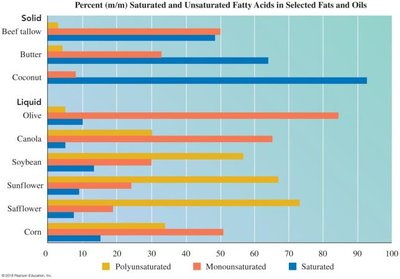
Fats: Solid at room temperature, rich in saturated fatty acids (e.g., animal fats).
Oils: Liquid at room temperature, rich in unsaturated fatty acids (e.g., plant oils).
Biological Importance
Energy storage: High energy yield per gram; main energy reserve in animals.
Metabolic role: Fatty acids are oxidized for ATP production; cannot cross the blood-brain barrier.

Glycerophospholipids
Structure and Function
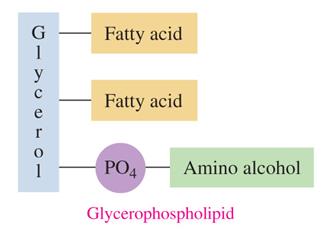
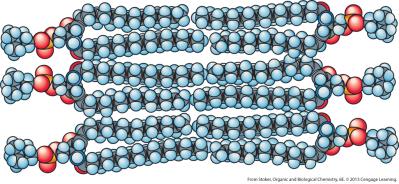
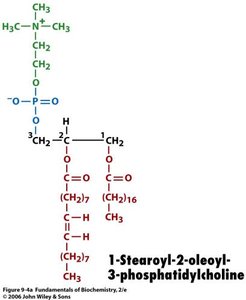
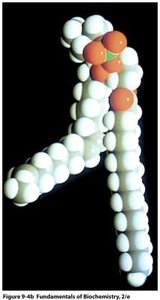
Glycerophospholipids are major components of cell membranes. They consist of a glycerol backbone, two fatty acids, a phosphate group, and an amino alcohol.
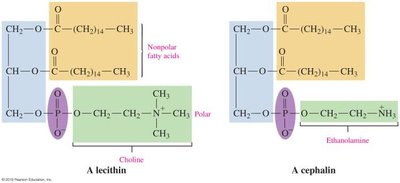
Amphipathic: Contain both hydrophobic (fatty acid tails) and hydrophilic (phosphate head) regions.
Common head groups: Choline (lecithins), ethanolamine or serine (cephalins).
Sphingolipids
Structure and Biological Role
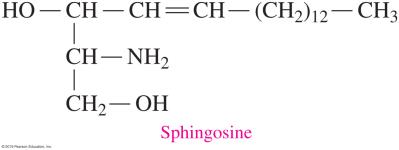
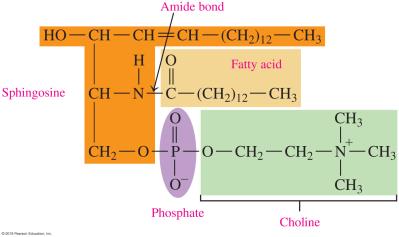
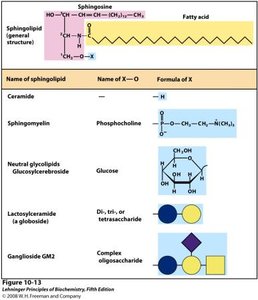
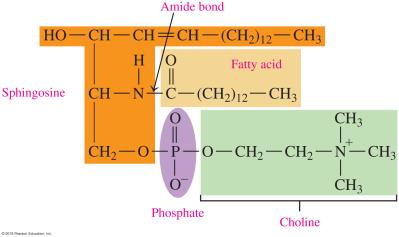
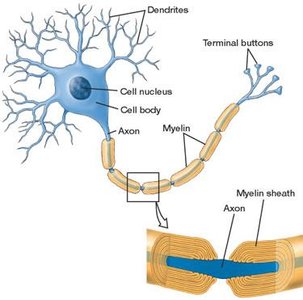
Sphingolipids are based on a sphingosine backbone, often with a fatty acid attached via an amide bond. They are key components of nerve cell membranes and the myelin sheath.
Sphingomyelin: Contains a phosphocholine head group; abundant in myelin.
Glycosphingolipids: Sphingolipids with attached sugars; important in cell recognition and blood typing.
Cholesterol and Steroids
Structure and Functions
Cholesterol is a sterol found in animal membranes, serving as a precursor for steroid hormones, bile acids, and vitamin D. It modulates membrane fluidity and is essential for cell function.
Steroids: Regulatory molecules derived from cholesterol, including sex hormones and corticosteroids.
Bile salts: Aid in fat digestion and absorption.
Lipoproteins
Structure and Role in Lipid Transport
Lipoproteins are complexes of lipids and proteins that transport hydrophobic lipids through the aqueous bloodstream. They are classified by density:
Chylomicrons: Carry dietary lipids from intestines to tissues.
VLDL: Transport triglycerides from liver to tissues.
LDL: Deliver cholesterol to cells; high levels associated with atherosclerosis.
HDL: Remove excess cholesterol from tissues and return it to the liver.
Membrane Structure and Function
Lipid Bilayers and Membrane Proteins
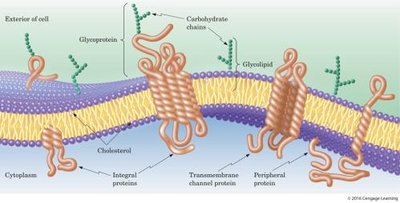
Cell membranes are composed of a lipid bilayer with embedded proteins, glycolipids, and cholesterol. The amphipathic nature of phospholipids drives bilayer formation, creating a selective barrier.
Functions: Regulate movement of substances, maintain gradients, and facilitate cell signaling.
Transport proteins: Enable selective passage of ions and molecules.
Amphipathic Lipids and Micelle Formation
Amphipathic molecules like fatty acids and phospholipids self-assemble in water to minimize unfavorable interactions, forming micelles or bilayers depending on their structure.
Summary Table: Major Lipid Classes and Functions
Lipid Class | Main Components | Function |
|---|---|---|
Fatty acids | Hydrocarbon chain, carboxylic acid | Building blocks, energy source |
Triacylglycerols | Glycerol + 3 fatty acids | Energy storage |
Phospholipids | Glycerol + 2 fatty acids + phosphate + alcohol | Membrane structure |
Sphingolipids | Sphingosine + fatty acid ± sugar/phosphate | Membranes, myelin sheath |
Steroids | Four fused rings | Hormones, membrane fluidity |
Waxes | Fatty acid + long-chain alcohol | Protection, water barrier |
