Back

CHEM 1406: Introduction to Chemistry for Allied-Health Majors – Course Overview and Study Guide

Study Guide - Learn with Videos

Curated lessons matched to your uploaded material – learn every topic step by step.

What is Chemistry?

  • Introduction to GOB Chemistry Channel
    1:58
  • What is Chemistry? Concept 1
    00:38
  • What is Chemistry? Example 1
    00:36

The Scientific Method

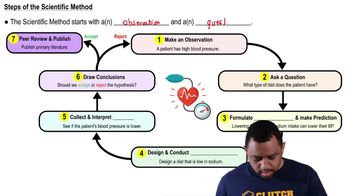
  • The Scientific Method Concept 1
    01:59
  • The Scientific Method Concept 2
    01:38
  • The Scientific Method Example 1
    00:46

Classification of Matter

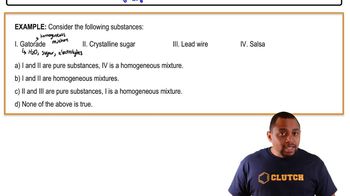
  • Classification of Matter
    01:34
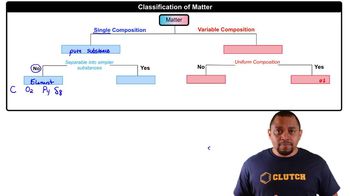
  • Classification of Matter
    04:19
  • Classification of Matter Example 1
    02:58

Physical & Chemical Changes

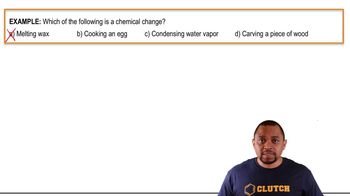
  • Physical & Chemical Changes Example 2
    01:52
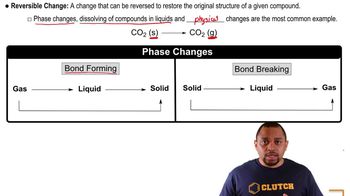
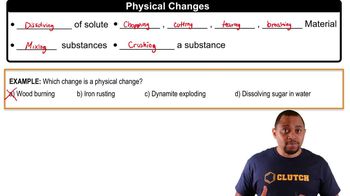
  • Physical & Chemical Changes
    03:40
  • Physical & Chemical Changes Example 1
    01:52

Chemical Properties

  • Chemical Properties Example 1
    02:11
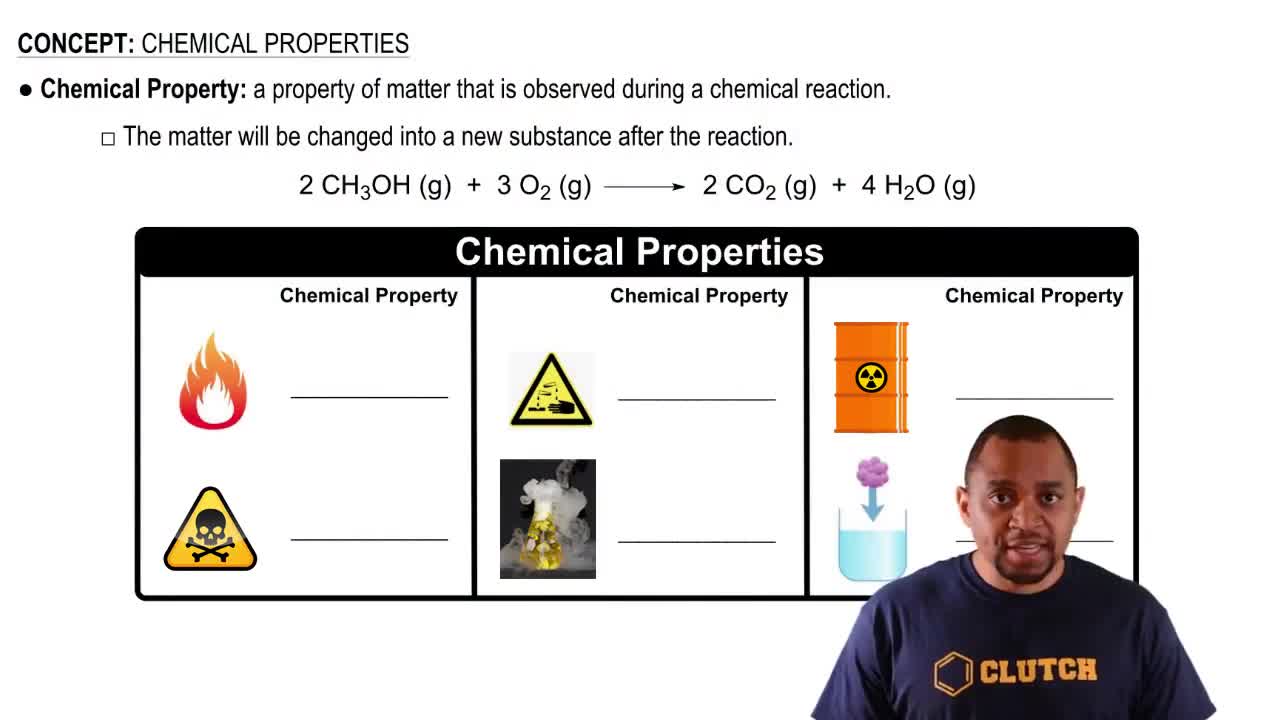
  • Chemical Properties Concept
    04:22

Physical Properties

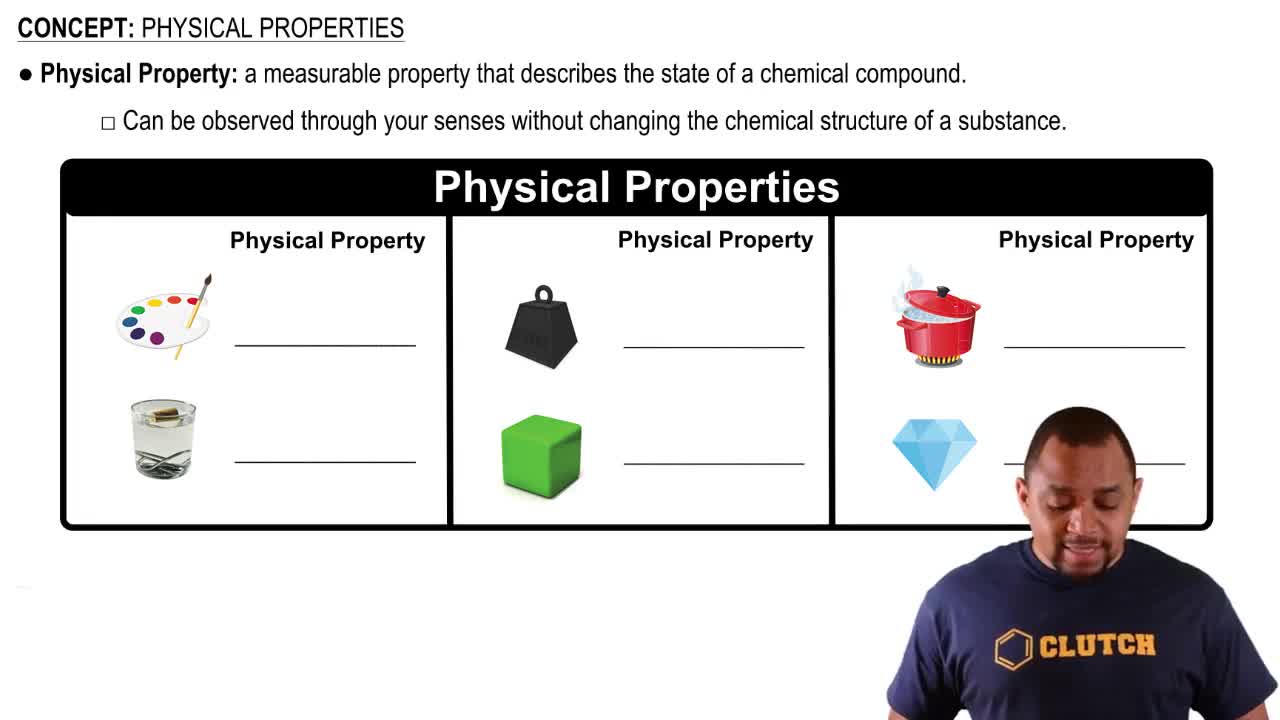
  • Physical Properties Concept
    02:54
  • Physical Properties Example
    01:41

Intensive vs. Extensive Properties

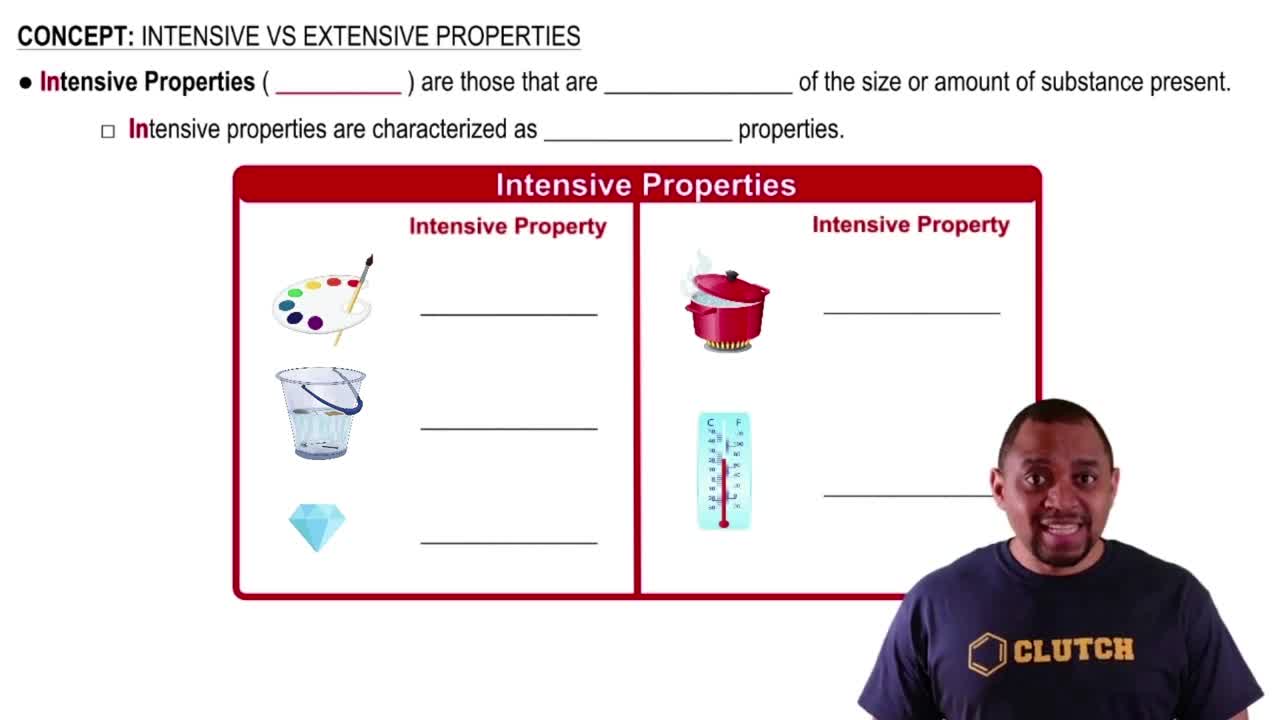
  • Intensive vs. Extensive Properties
    02:45
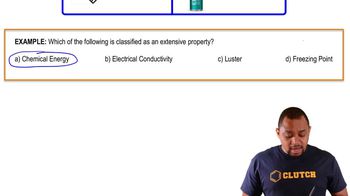
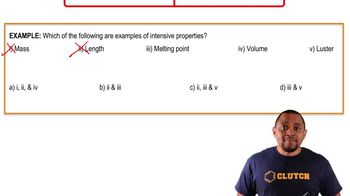
  • Intensive vs. Extensive Properties Example 2
    01:40
  • Intensive vs. Extensive Properties Example 1
    01:58
Scientific Notation

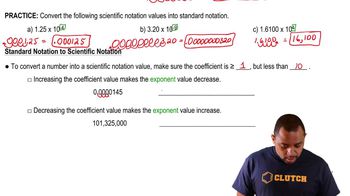
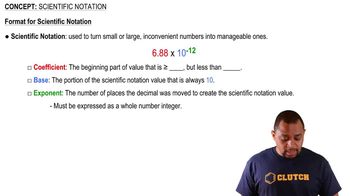
  • Scientific Notation
    02:50
  • Scientific Notation
    01:41
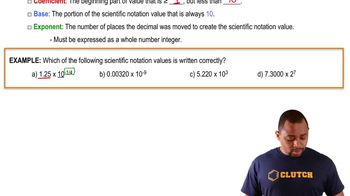
  • Scientific Notation Example 1
    01:53

SI Units (Simplified)

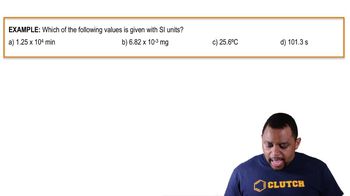
  • SI Units (Simplified) Example 1
    00:42
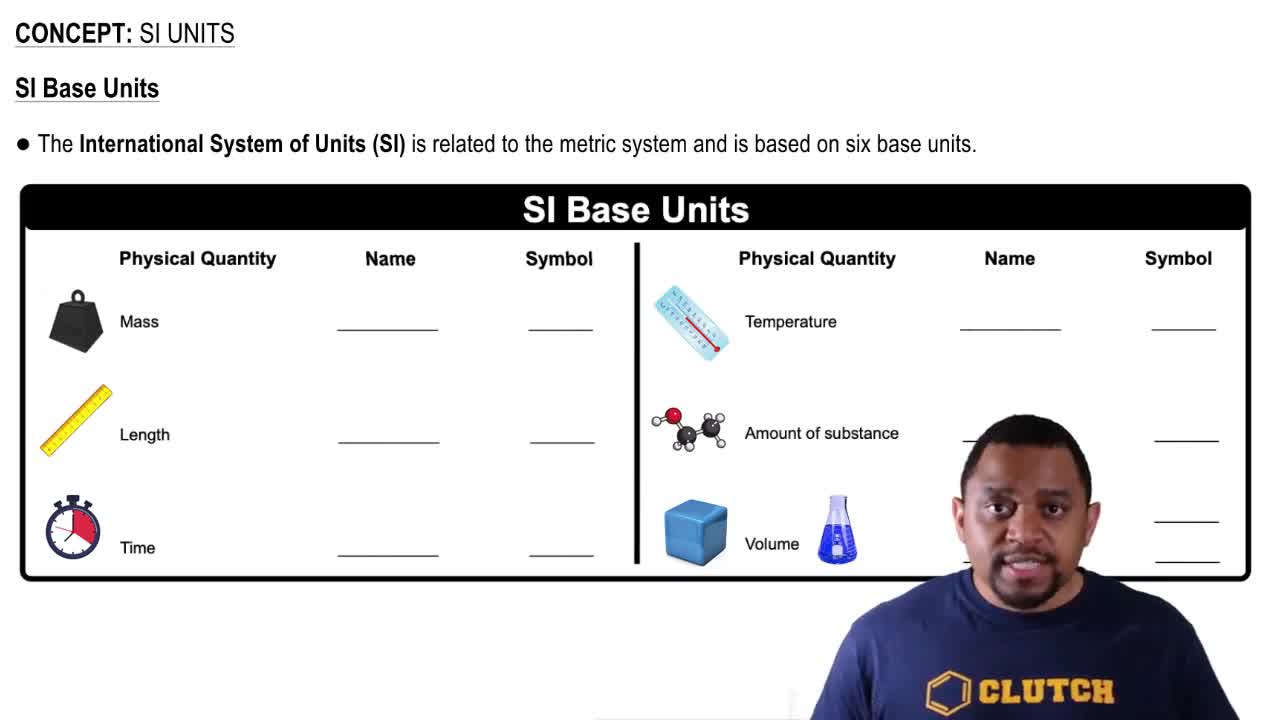
  • SI Units (Simplified) Concept 1
    02:19

Metric Prefixes

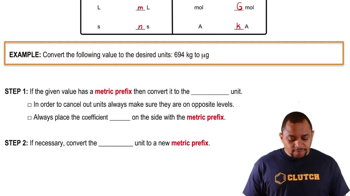
  • Metric Prefixes Example 1
    03:33
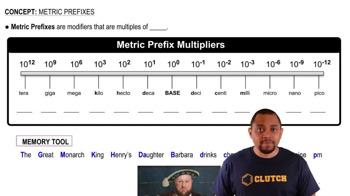
  • Metric Prefixes
    03:59
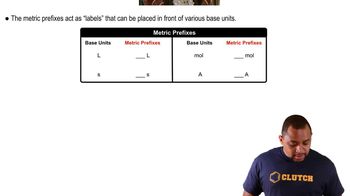
  • Metric Prefixes
    01:16

Significant Figures (Simplified)

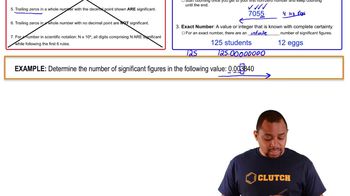
  • Significant Figures (Simplified) Example 2
    01:09
  • Significant Figures (Simplified) Example 1
    00:58
  • Significant Figures (Simplified) Concept 2
    04:40

Conversion Factors (Simplified)

  • Conversion Factors (Simplified) Example 2
    03:45
  • Conversion Factors (Simplified) Example 1
    02:12
  • Conversion Factors (Simplified) Concept 1
    01:56

Dimensional Analysis

  • Dimensional Analysis
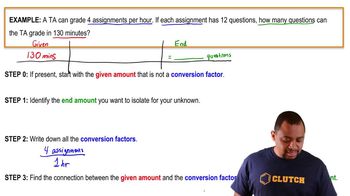
    06:11
  • Dimensional Analysis Example 1
    4:48

Density

  • Density
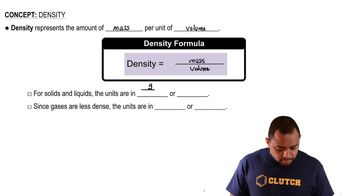
    01:56
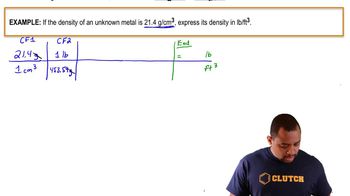
  • Density Example 1
    05:30

The Atom (Simplified)

  • The Atom (Simplified) Concept 2
    02:53
  • The Atom (Simplified) Concept 1
    01:44
  • The Atom (Simplified) Example 1
    02:52

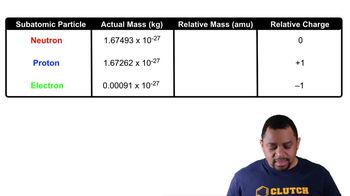
Subatomic Particles (Simplified)

  • Subatomic Particles (Simplified) Concept 1
    01:25
  • Subatomic Particles (Simplified) Concept 2
    02:36
  • Subatomic Particles (Simplified) Example 1
    03:31

Isotopes

  • Isotopes
    04:36
  • Isotopes Example 1
    03:57

Ions (Simplified)

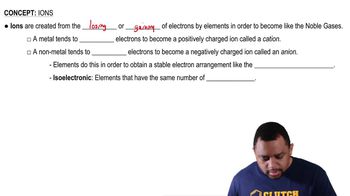
  • Ions (Simplified) Concept 1
    00:53
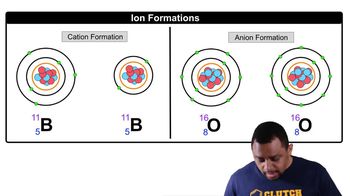
  • Ions (Simplified) Concept 2
    01:59
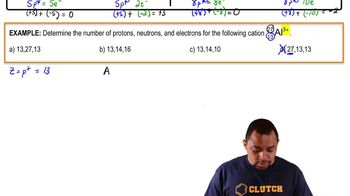
  • Ions (Simplified) Example 1
    02:22

Atomic Mass (Simplified)

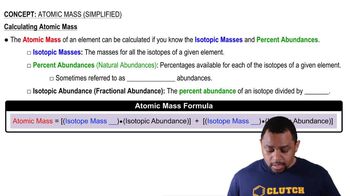
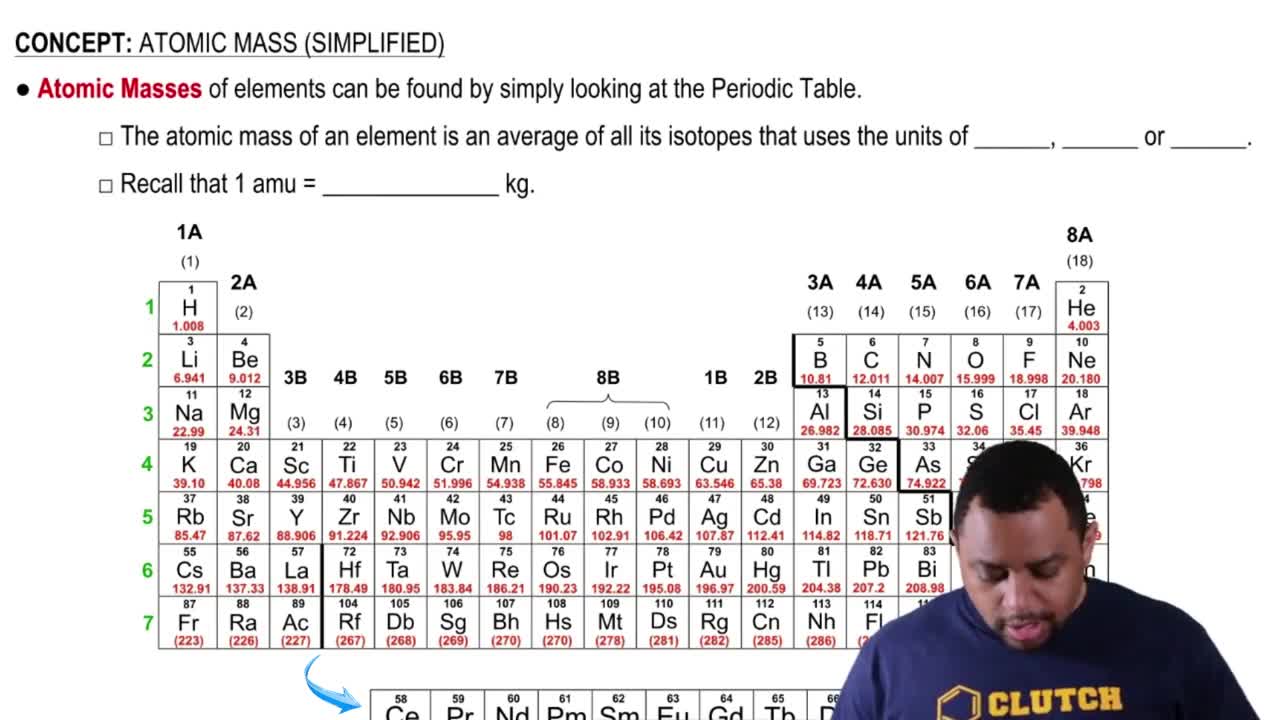
  • Atomic Mass (Simplified) Concept 2
    01:51
  • Atomic Mass (Conceptual) Concept 1
    01:13
  • Atomic Mass (Conceptual) Example 1
    02:06

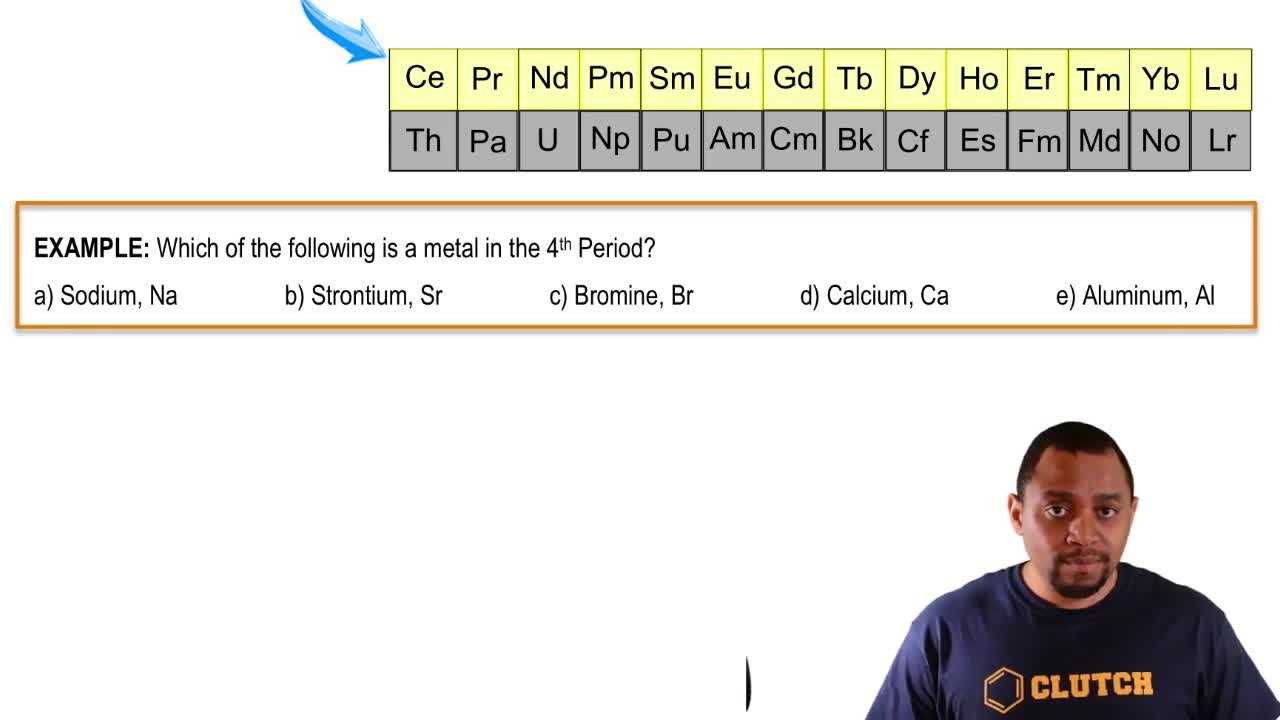
Periodic Table: Element Symbols

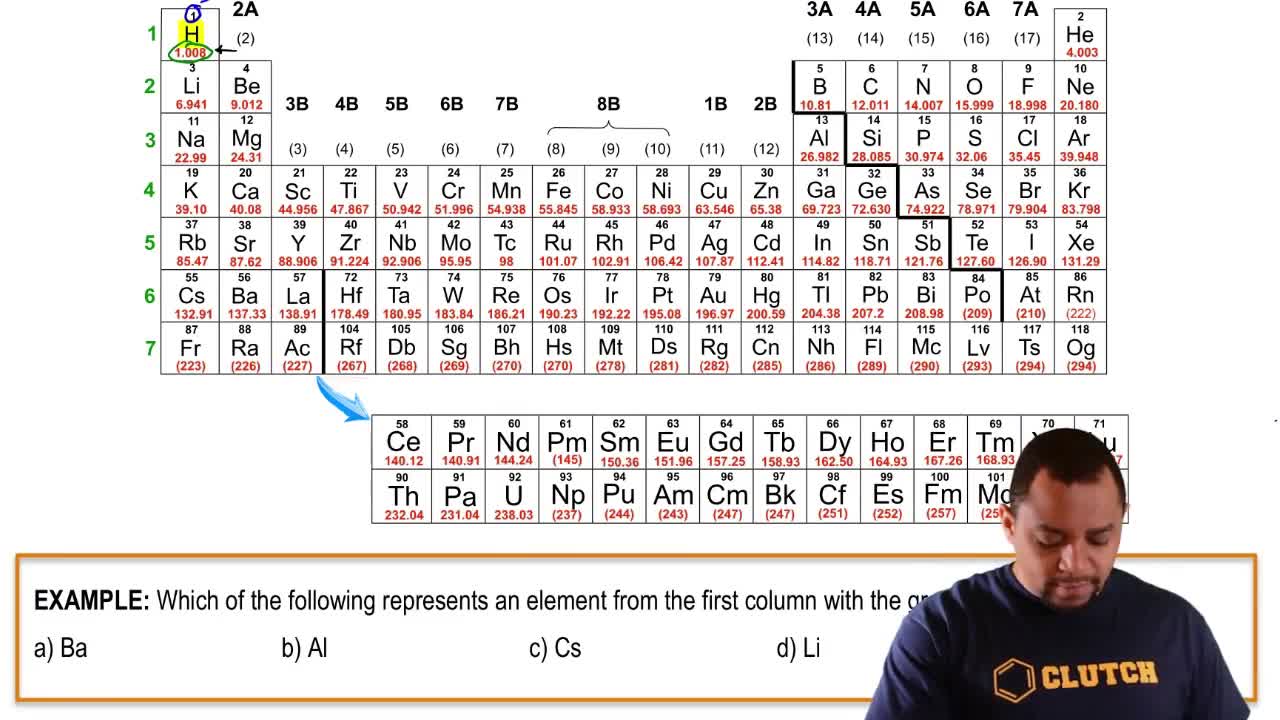
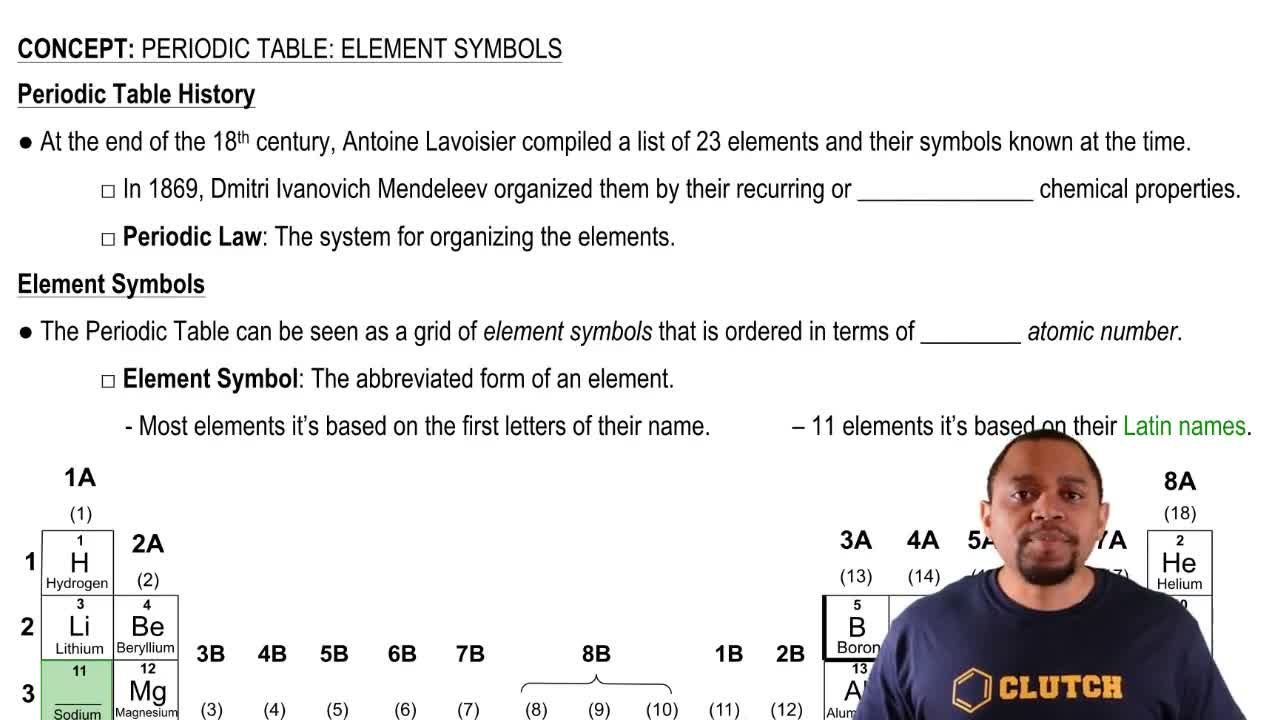
  • Periodic Table: Symbols Concept
    04:01
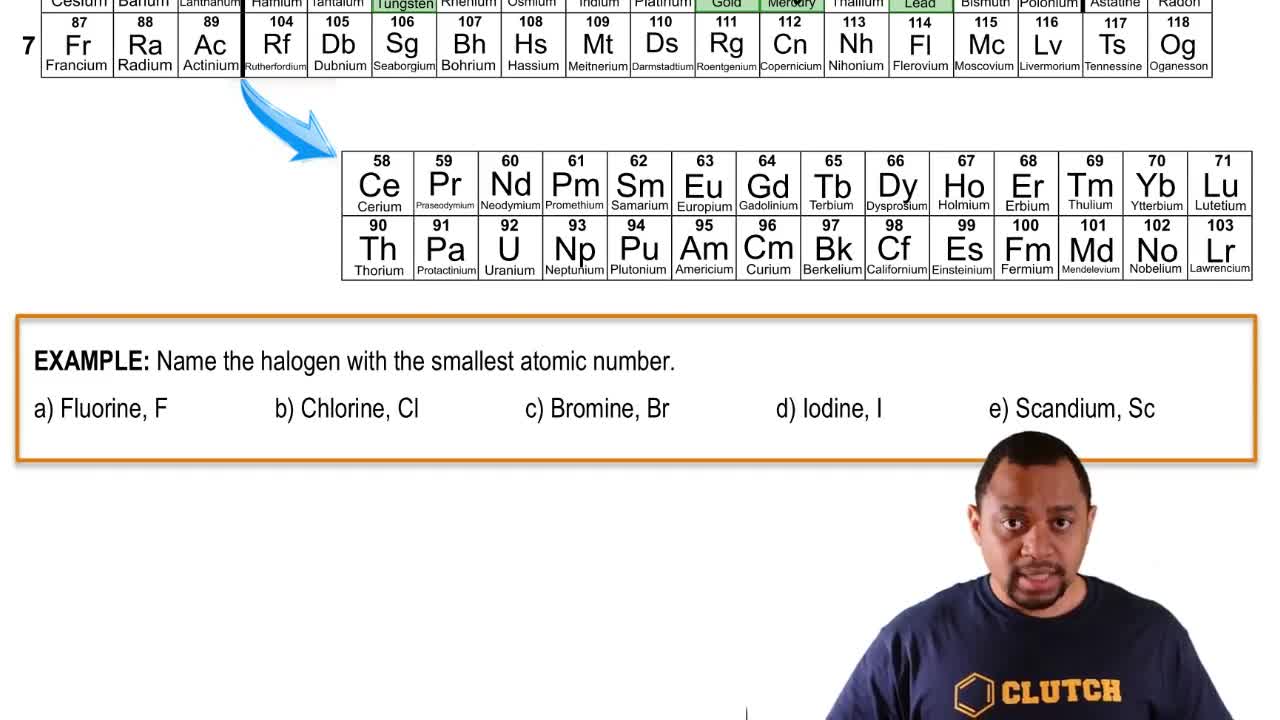
  • Periodic Table: Symbols Example 1
    01:01

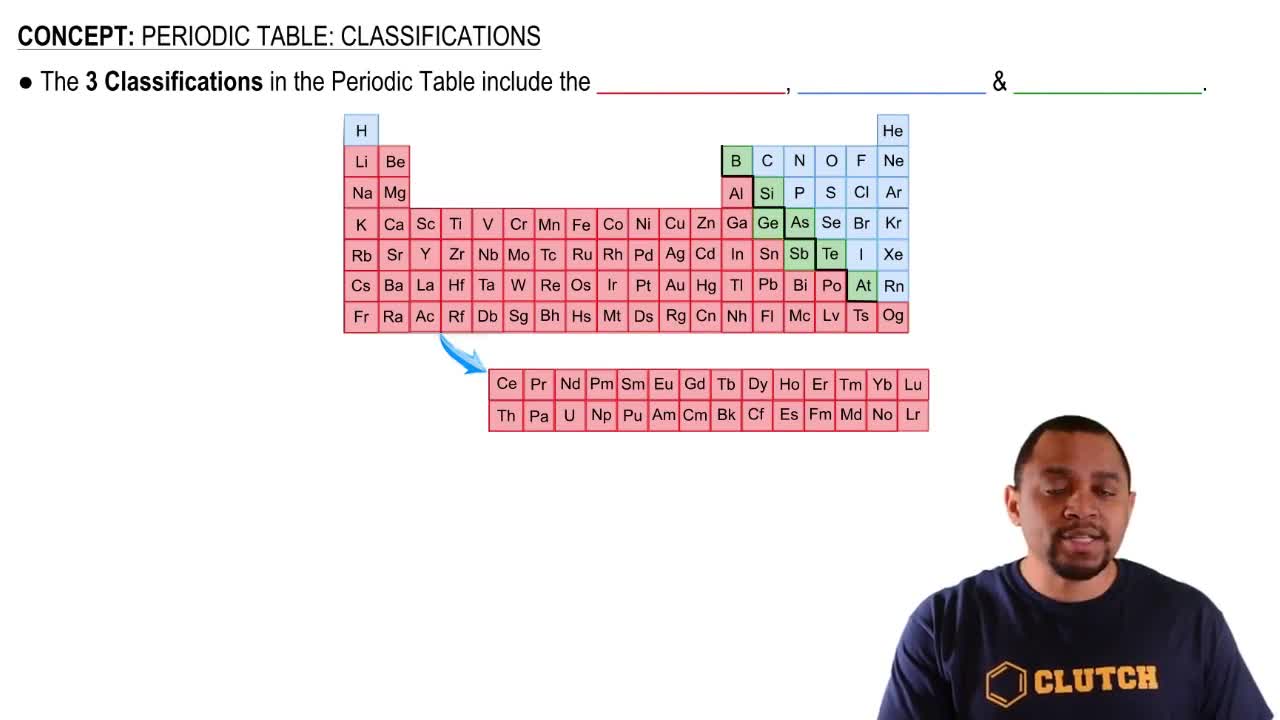
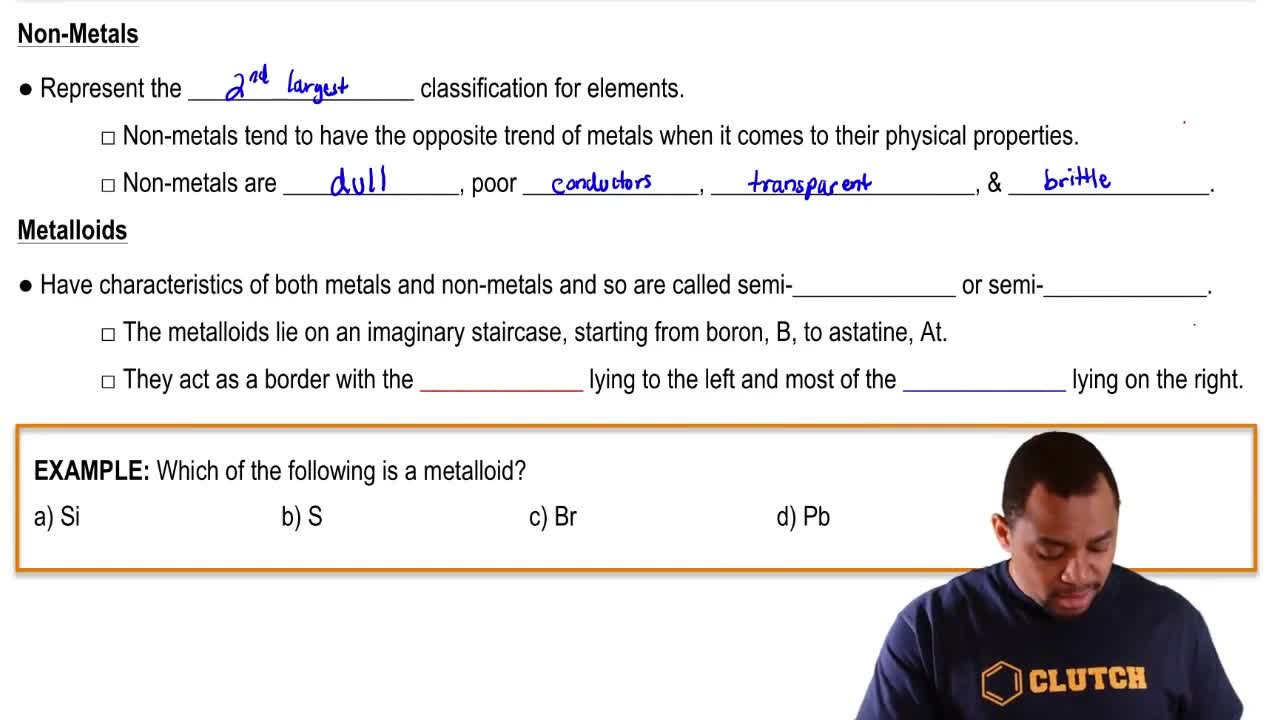
Periodic Table: Classifications

  • Periodic Table: Classifications
    01:12
  • Periodic Table: Classifications
    02:40
  • Periodic Table: Classifications
    03:37

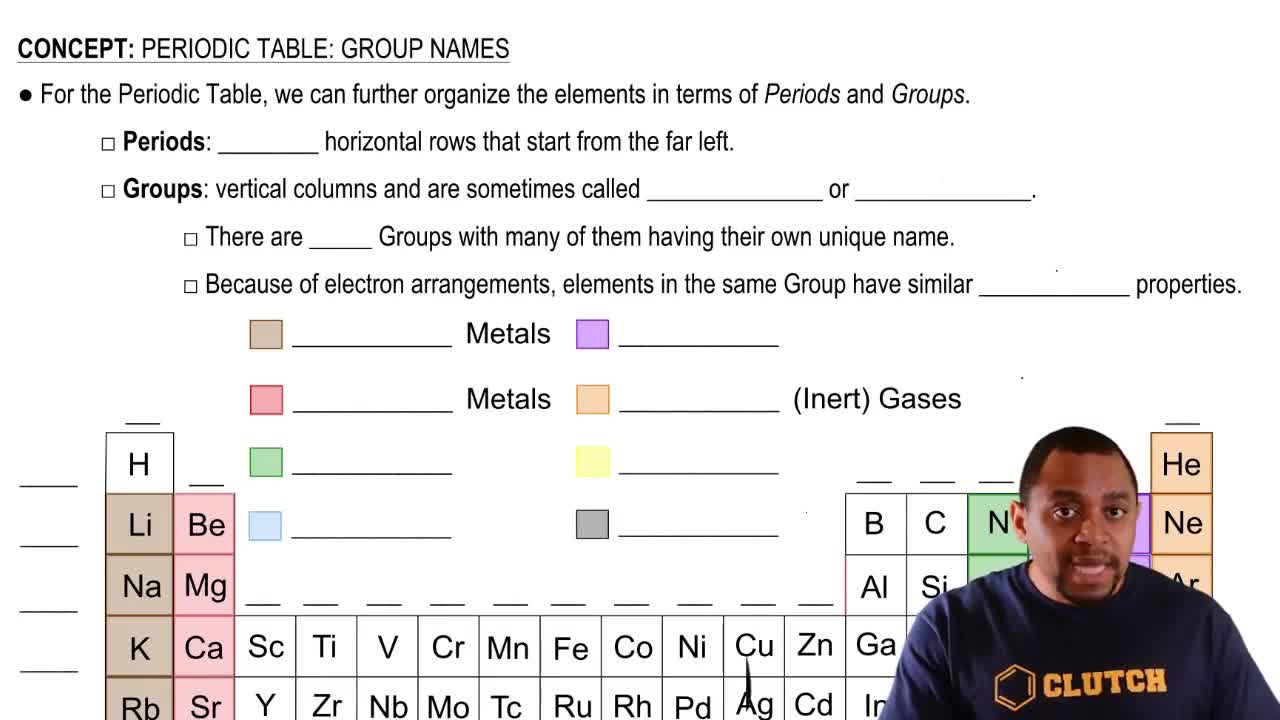
Periodic Table: Group Names

  • Periodic Table: Group Names
    05:33
  • Periodic Table: Group Names Example 1
    01:17

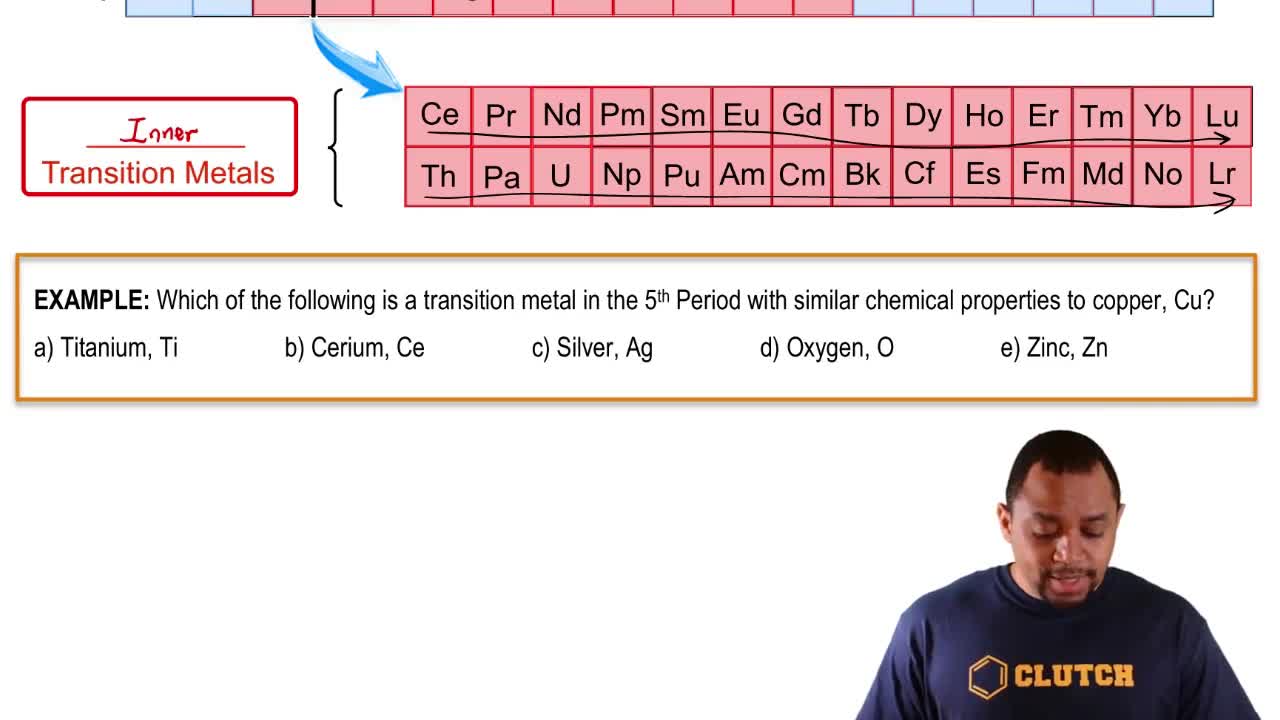
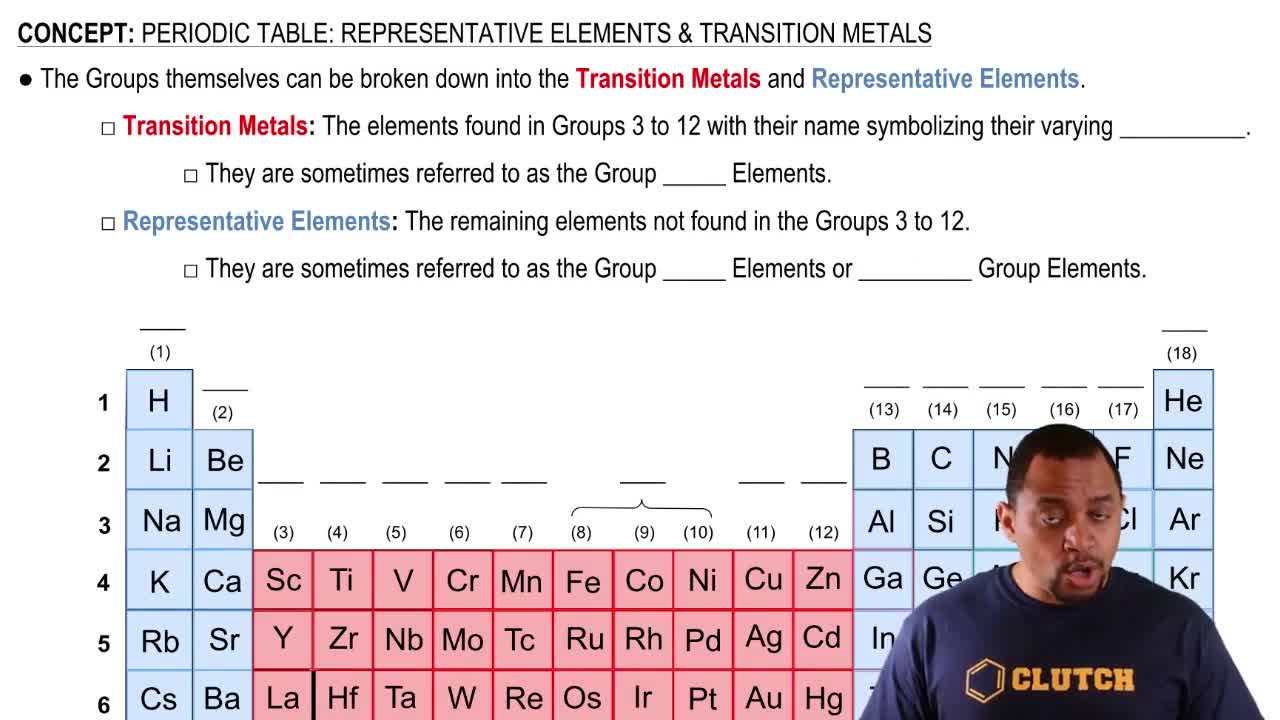
Periodic Table: Representative Elements & Transition Metals

  • Periodic Table: Representative Elements & Transition Metals Example 1
    01:23
  • Periodic Table: Representative Elements & Transition Metals
    03:30

Law of Definite Proportions

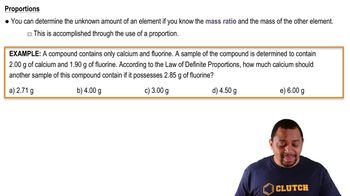
  • Law of Definite Proportions Example 1
    02:00
  • Law of Definite Proportions Example 2
    02:26
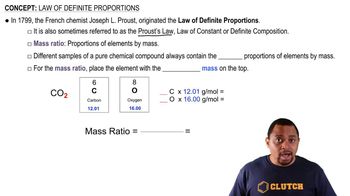
  • Law of Definite Proportions
    02:48

Atomic Theory

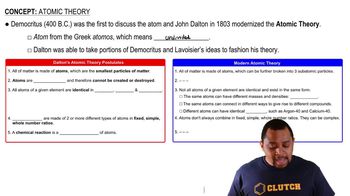
  • Atomic Theory
    05:22
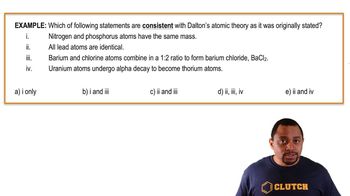
  • Atomic Theory Example 1
    01:48

Ionic Bonding

  • Ionic Bonding Example 2
    01:06
  • Ionic Bonding Example 1
    01:16
  • Ionic Bonding Concept 1
    02:33

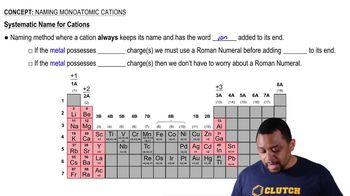
Naming Monoatomic Cations

  • Naming Monoatomic Cations Example 1
    00:56
  • Naming Monoatomic Cations Concept 1
    01:24
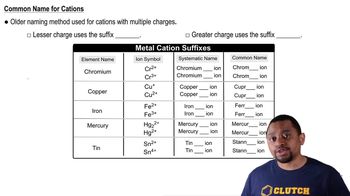
  • Naming Monoatomic Cations Concept 2
    03:28

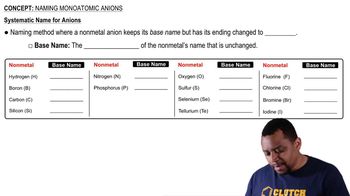
Naming Monoatomic Anions

  • Naming Monoatomic Anions Concept 1
    01:42
  • Naming Monoatomic Anions Example 1
    00:37

Polyatomic Ions

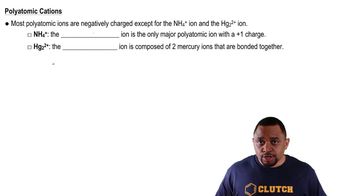
  • Polyatomic Ions
    01:16
  • Polyatomic Ions Example 3
    01:08
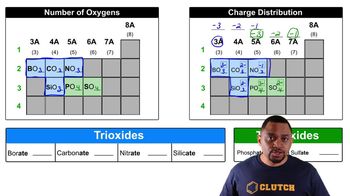
  • Polyatomic Ions
    01:26

Naming Ionic Compounds

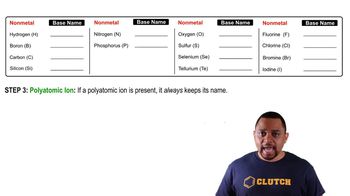
  • Naming Ionic Compounds
    01:52
  • Naming Ionic Compounds Example 1
    01:01
  • Naming Ionic Compounds
    02:11

Covalent Bonds

  • Covalent Bonds Example 1
    01:04
  • Covalent Bonds Example 2
    01:13
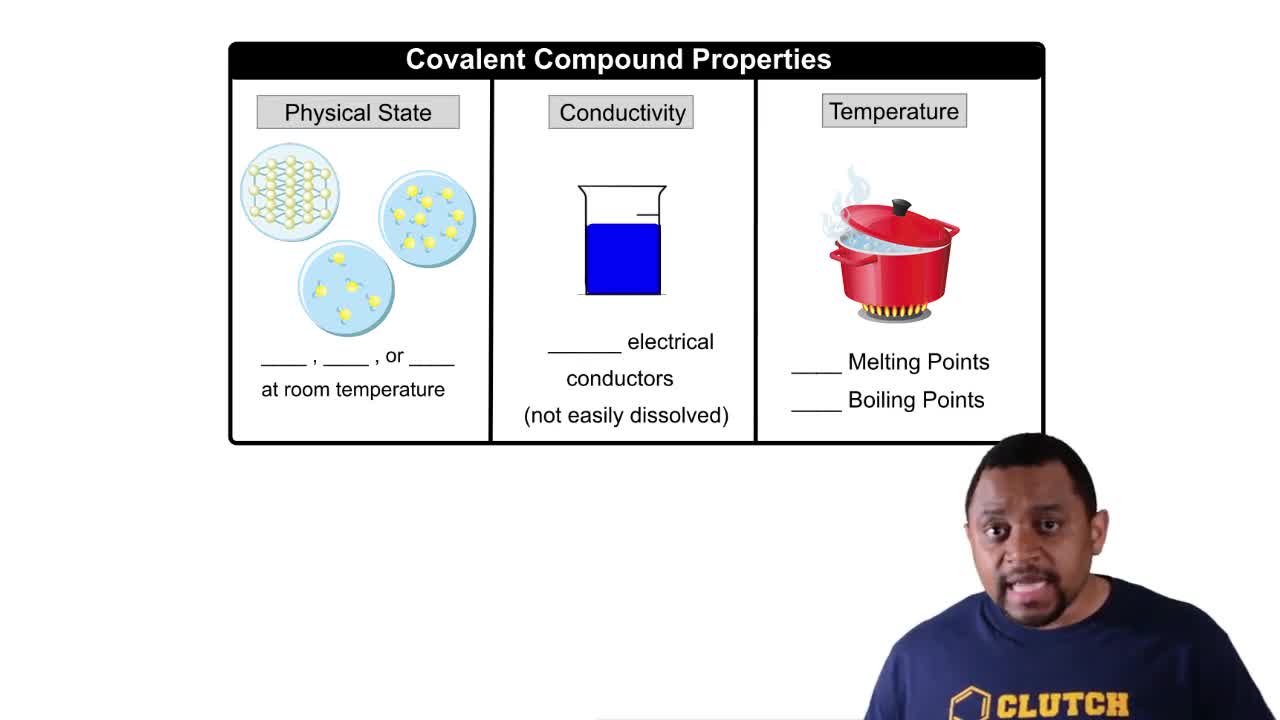
  • Covalent Bonds Concept 3
    00:46

Naming Binary Molecular Compounds

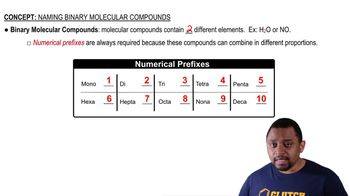
  • Naming Binary Molecular Compounds Concept 1
    01:10
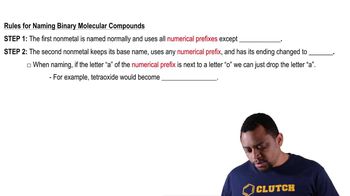
  • Naming Binary Molecular Compounds Concept 2
    00:59
  • Naming Binary Molecular Compounds Example 1
    01:21

Lewis Dot Structures: Neutral Compounds (Simplified)

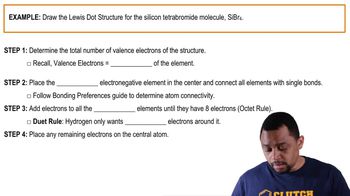
  • Lewis Dot Structures: Neutral Compounds (Simplified) Example 1
    02:49
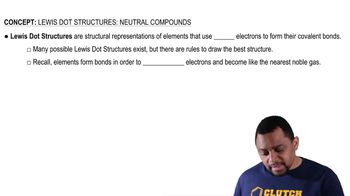
  • Lewis Dot Structures: Neutral Compounds (Simplified) Concept 1
    00:37

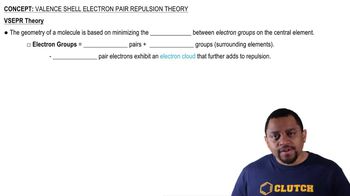
Valence Shell Electron Pair Repulsion Theory (Simplified)

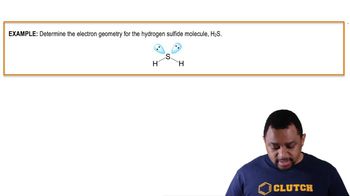
  • Valence Shell Electron Pair Repulsion Theory (Simplified) Example 2
    00:45
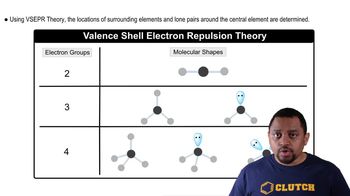
  • Valence Shell Electron Pair Repulsion Theory (Simplified) Concept 2
    01:40
  • Valence Shell Electron Pair Repulsion Theory (Simplified) Concept 1
    01:04

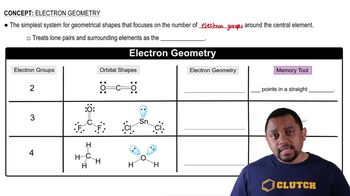
Electron Geometry (Simplified)

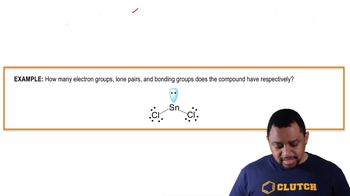
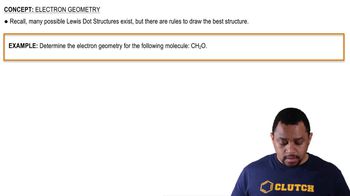
  • Electron Geometry (Simplified) Example 1
    00:45
  • Electron Geometry (Simplified) Example 2
    01:50
  • Electron Geometry (Simplified) Concept 1
    02:25

Molecular Geometry (Simplified)

  • Molecular Geometry (Simplified) Example 2
    01:41
  • Molecular Geometry (Simplified) Concept 2
    02:03
  • Molecular Geometry (Simplified) Example 1
    01:32

Chemical Reaction: Chemical Change

  • Chemical Reaction: Chemical Change Example 2
    01:24
  • Chemical Reaction: Chemical Change Example 1
    00:49
  • Chemical Reaction: Chemical Change Concept 2
    02:04

Law of Conservation of Mass

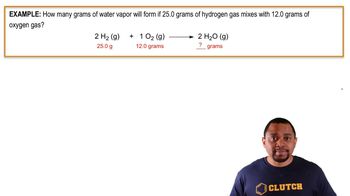
  • Law of Conservation of Mass Example 1
    01:20
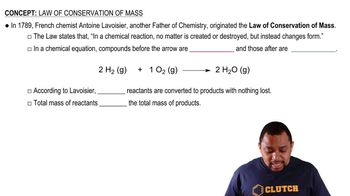
  • Law of Conservation of Mass
    01:48

Balancing Chemical Equations (Simplified)

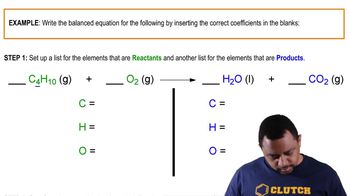
  • Balancing Chemical Equations (Simplified) Example 1
    04:21
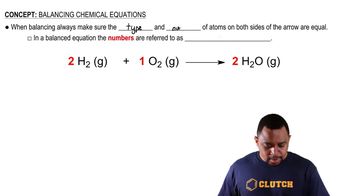
  • Balancing Chemical Equations (Simplified) Concept 1
    01:32

Types of Chemical Reactions

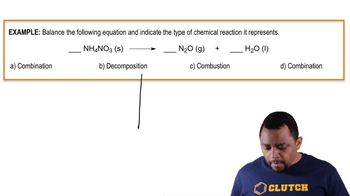
  • Types of Chemical Reactions Example 1
    01:40
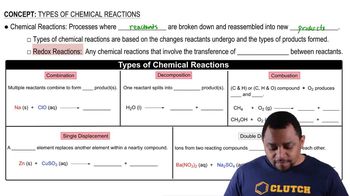
  • Types of Chemical Reactions Concept 1
    04:07

Empirical Formula

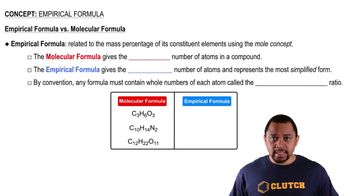
  • Empirical Formula
    02:26
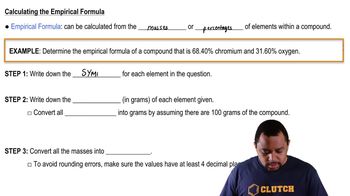
  • Empirical Formula Example 1
    05:11

Molecular Formula

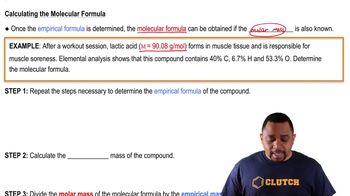
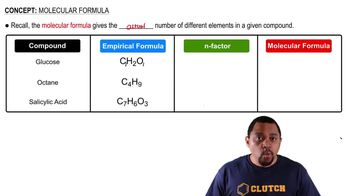
  • Molecular Formula Example 1
    05:03
  • Molecular Formula
    02:08

Calculating Molar Mass

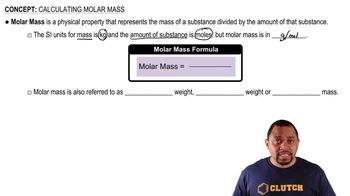
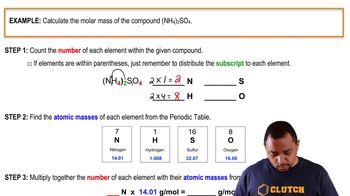
  • Calculating Molar Mass
    01:10
  • Calculating Molar Mass Example 1
    03:12

Mole Concept

  • Mole Concept
    02:41
  • Mole Concept Example 3
    01:41
  • Mole Concept Example 1
    01:28

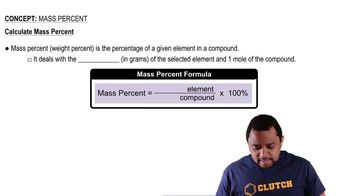
Mass Percent

  • Mass Percent Example
    01:21
  • Mass Percent Concept
    00:38

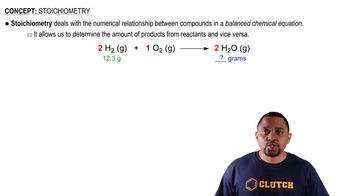
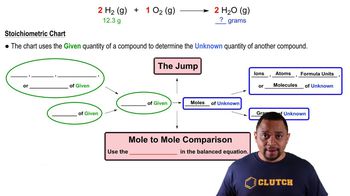
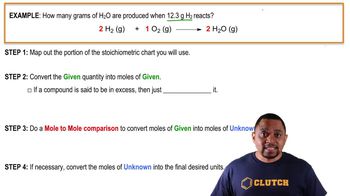
Stoichiometry

  • Stoichiometry
    01:16
  • Stoichiometry
    03:04
  • Stoichiometry Example 1
    05:53

Limiting Reagent

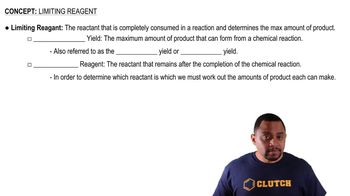
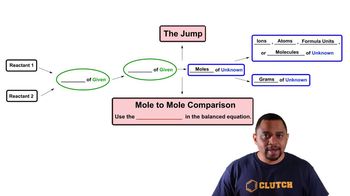
  • Limiting Reagent
    01:30
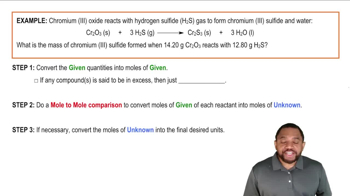
  • Limiting Reagent Example
    6:38
  • Limiting Reagent
    01:34

Percent Yield

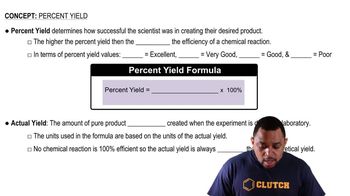
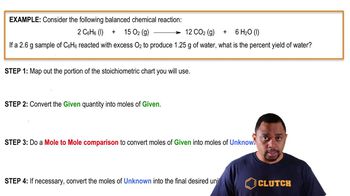
  • Percent Yield
    03:09
  • Percent Yield Example 1
    04:43

The Ideal Gas Law

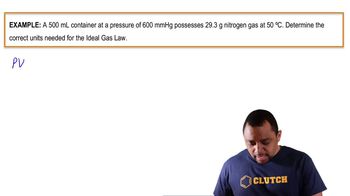
  • The Ideal Gas Law Example 1
    02:58
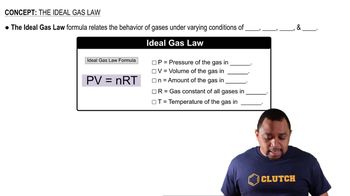
  • The Ideal Gas Law Concept 1
    01:15
  • The Ideal Gas Law Concept 2
    01:56

Chemistry Gas Laws

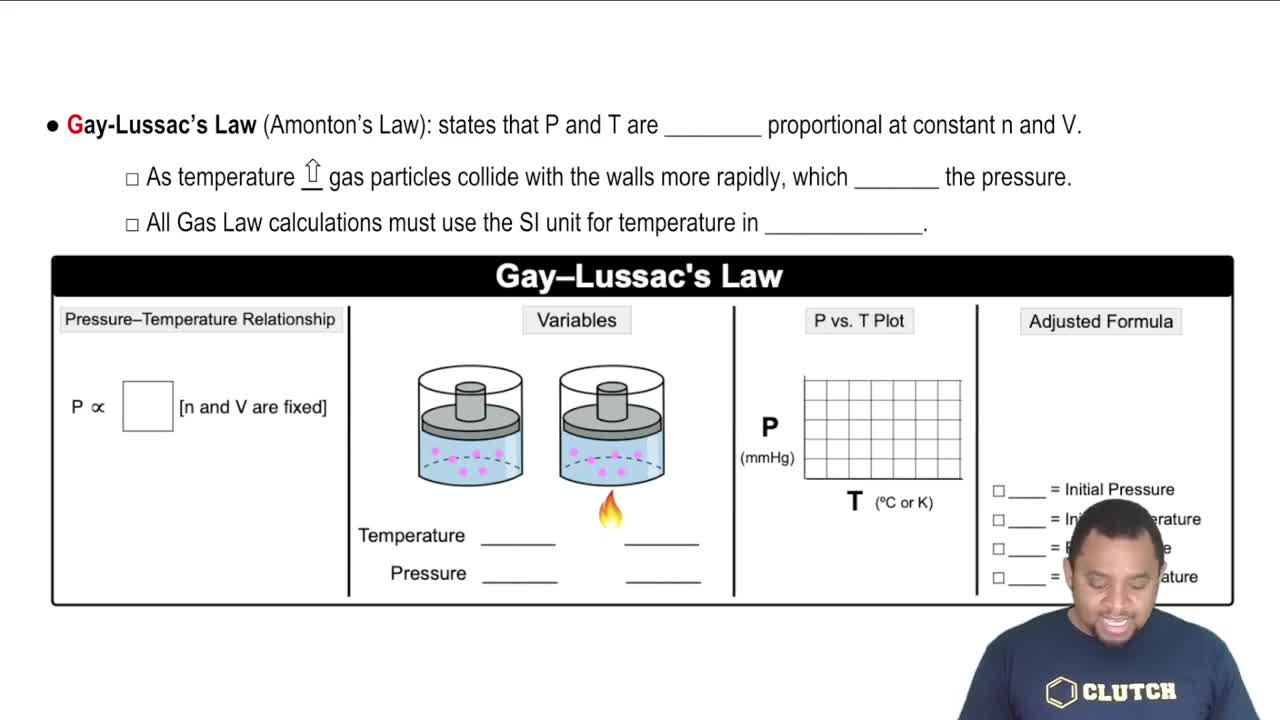
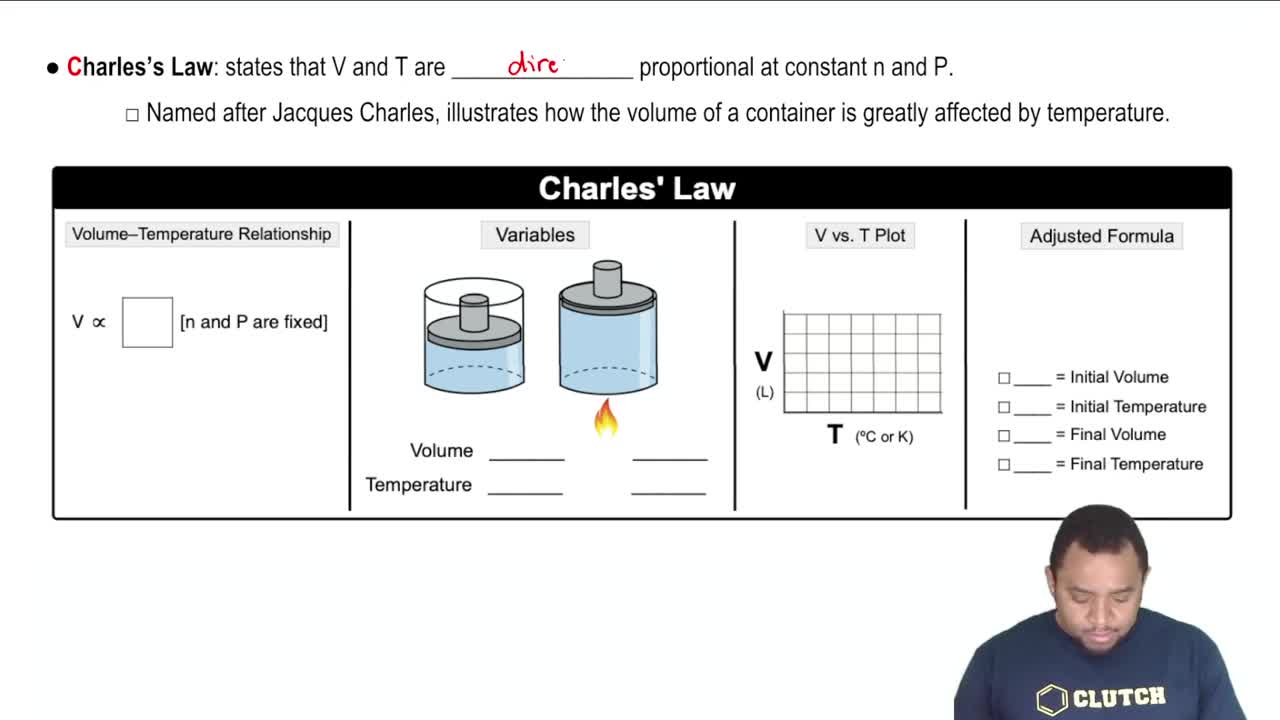
  • Chemistry Gas Laws Concept 3
    03:20
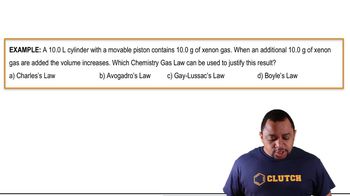
  • Chemistry Gas Laws Example 1
    01:14
  • Chemistry Gas Laws Concept 5
    02:06

Solutions

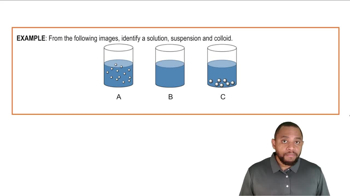
  • Solutions Example 2
    01:16
  • Solutions
    02:38
  • Solutions Example 1
    00:42

Acid-Base Introduction

  • Acid-Base Introduction Concept 4
    01:30
  • Acid-Base Introduction Concept 3
    00:33
  • Acid-Base Introduction Example 4
    00:48

Arrhenius Acid and Base

  • Arrhenius Acids & Bases Concept 1
    03:11

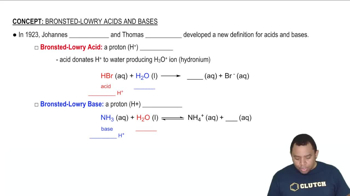
Bronsted Lowry Acid and Base

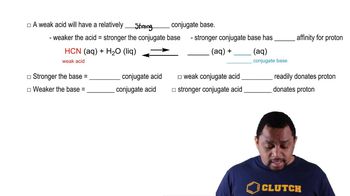
  • Conjugate Base Strength Example
    00:42
  • Comparing Bronsted-Lowry and Arrhenius
    02:17
  • Bronsted-Lowry Acid-Base Theory
    02:08

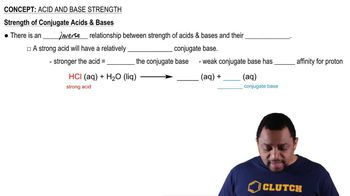
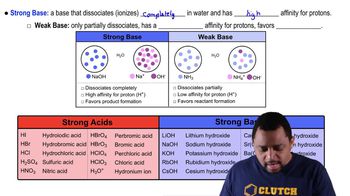
Acid and Base Strength

  • Acid and Base Strength Concept 4
    01:46
  • Acid and Base Strength Concept 3
    00:50
  • Acid and Base Strength Concept 2
    03:27

Ka and Kb

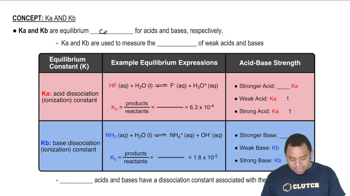
  • Characteristics of Ka and Kb
    03:50
  • Ka and Kb Example
    01:31
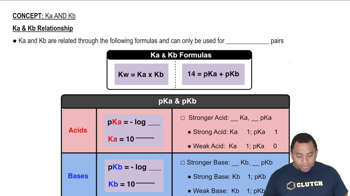
  • Ka and Kb Relationship
    03:01

The pH Scale

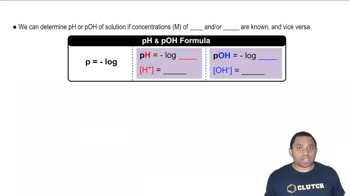
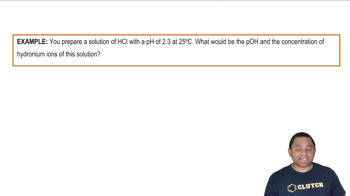
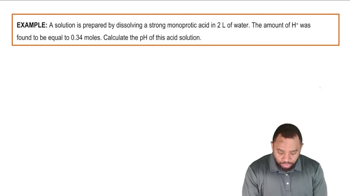
  • pH and pOH Calculations
    02:09
  • pH and pOH Example
    01:46
  • pH Calculation Example
    01:30

Buffers

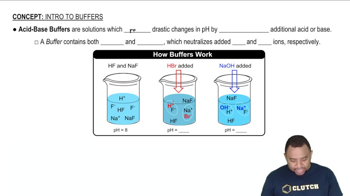
  • Buffer Solutions
    03:02
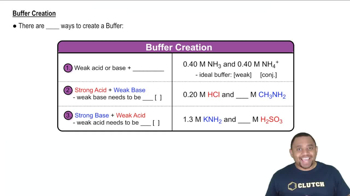
  • Buffer Creation Methods
    03:04
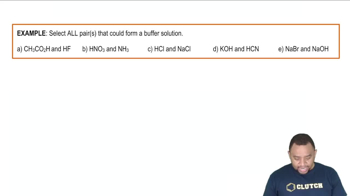
  • Buffer Solution Example
    02:41

Henderson-Hasselbalch Equation

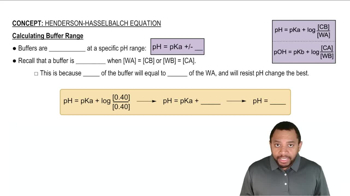
  • Calculating Buffer Range
    02:35
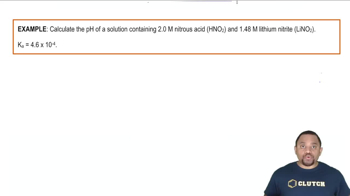
  • Henderson-Hasselbalch Equation Example
    01:22
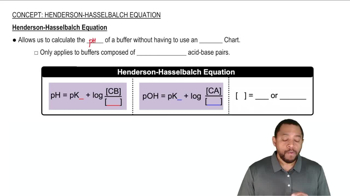
  • Henderson-Hasselbalch Equation
    01:22

Introduction to Organic Chemistry

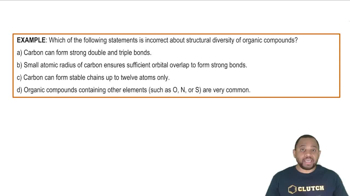
  • Structural Diversity Example 2
    1:29
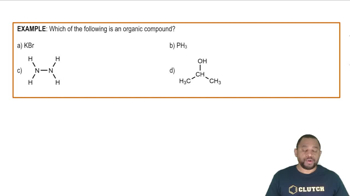
  • Introduction to Organic Chemistry Example 1
    0:42
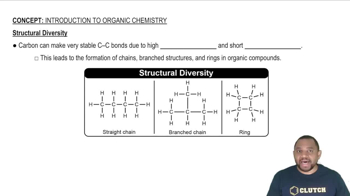
  • Structural Diversity Concept 2
    1:30

Structural Formula

  • Molecular Representations Example 1
    1:09
  • Structural Formula Example 2
    1:03
  • Molecular Representations Concept 1
    2:08

Functional Groups in Chemistry

  • Functional Groups In Chemistry Example 1
    1:10
  • Hydrocarbons Concept 1
    2:14
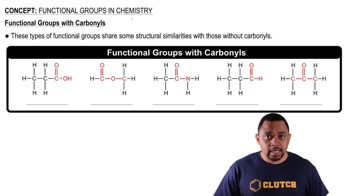
  • Functional Groups with Carbonyls Concept 3
    1:32

Naming Alkanes

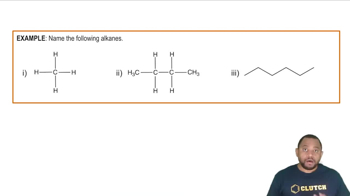
  • Naming Alkanes Example 1
    1:20
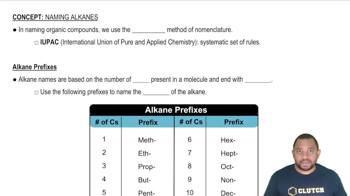
  • Rules for Naming Alkanes Concept 1
    2:39

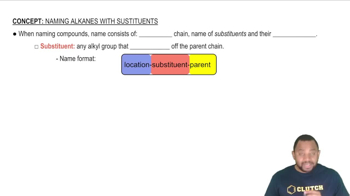
Naming Alkanes with Substituents

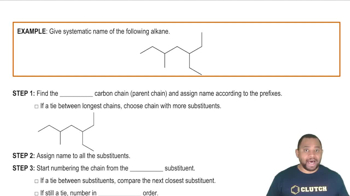
  • Naming Alkanes with Substituents Example 1
    5:07
  • Rules for Naming Alkanes with Substituents Concept 1
    0:54

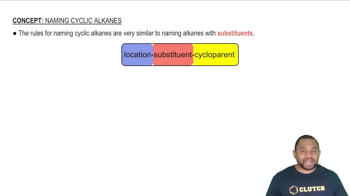
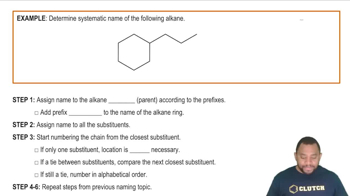
Naming Cyclic Alkanes

  • Rules for Naming Cyclic Alkanes Concept 1
    0:36
  • Naming Cyclic Alkanes Example 1
    2:37

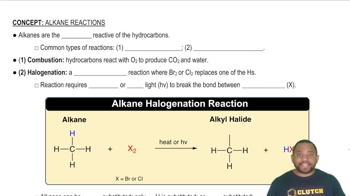
Alkane Reactions

  • Alkane Reactions Example 1
    2:15
  • Common Types of Alkane Reactions Concept 1
    2:25

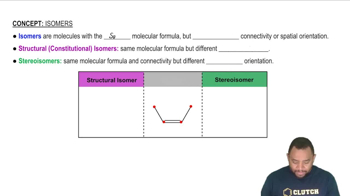
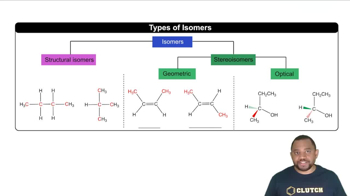
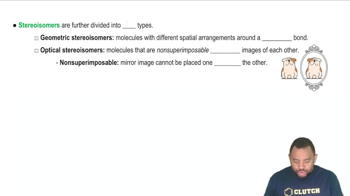
Isomers

  • Isomers Concept 1
    2:16
  • Types of Isomers Concept 3
    3:05
  • Stereoisomers Concept 2
    1:56

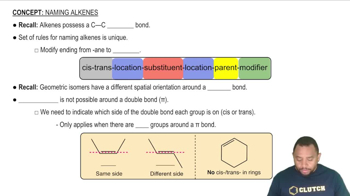
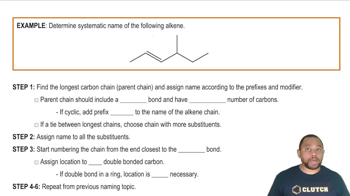
Naming Alkenes

  • Rules for Naming Alkenes Concept 1
    2:47
  • Naming Alkenes Example 1
    3:26

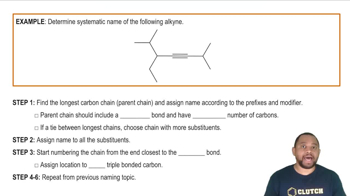
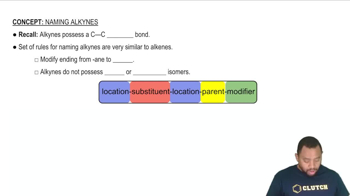
Naming Alkynes

  • Naming Alkynes Example 1
    4:11
  • Rules for Naming Alkynes Concept 1
    0:53

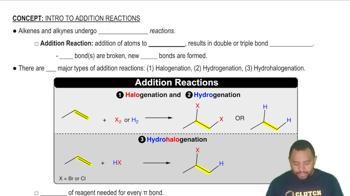
Intro to Addition Reactions

  • Addition Reactions Concept 1
    2:55
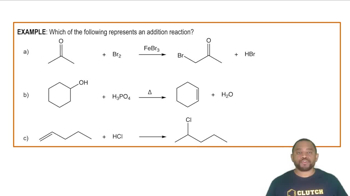
  • Intro to Addition Reactions Example 1
    1:00

Naming Alcohols

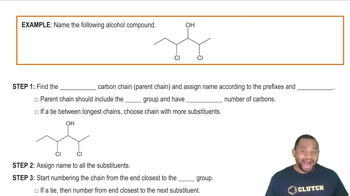
  • Naming Alcohols Example 1
    3:21
  • Alcohol Classification Concept 2
    1:10
  • Alcohol Classification Example 2
    0:43

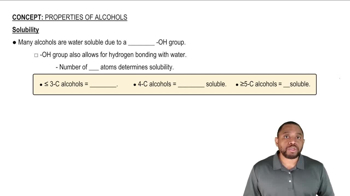
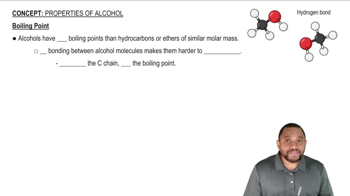
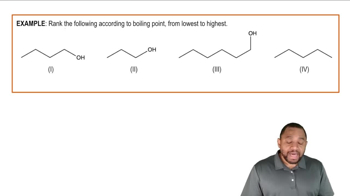
Properties of Alcohols

  • Solubility Concept 2
    0:56
  • Boiling Point Concept 1
    1:23
  • Boiling Point Example 1
    1:21

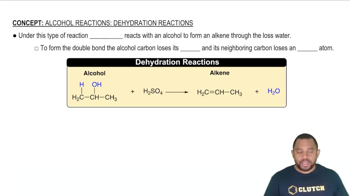
Alcohol Reactions: Dehydration Reactions

  • Alcohol Reactions: Dehydration Reactions Concept 1
    1:30
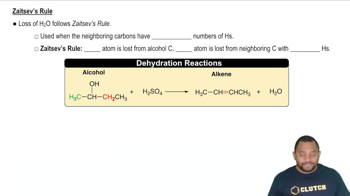
  • Zaitsev’s Rule Concept 2
    1:24
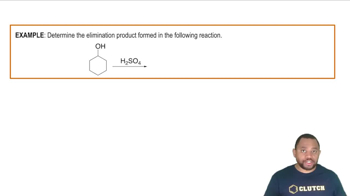
  • Alcohol Reactions Dehydration Reactions Example 1
    1:13

Alcohol Reactions: Oxidation Reactions

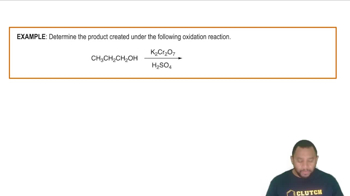
  • Alcohol Reactions Oxidation Reactions Example 1
    1:32
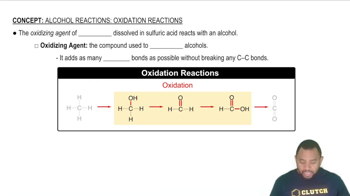
  • Alcohol Reactions: Oxidation Concept 1
    1:49

Naming Ketones

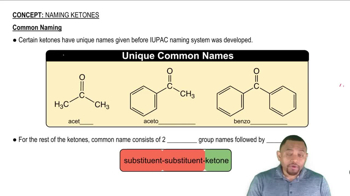
  • Common Naming of Ketones Concept 2
    1:46
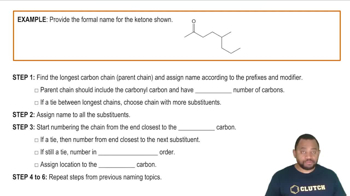
  • Naming Ketones Example 1
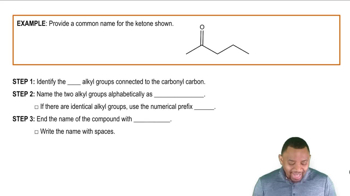
    2:24
  • Naming Ketones Example 2
    1:35

Naming Aldehydes

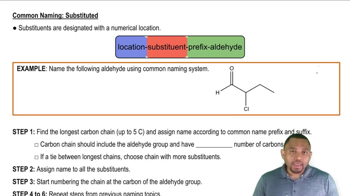
  • Common Naming: Substituted Aldehydes Concept 3
    2:02
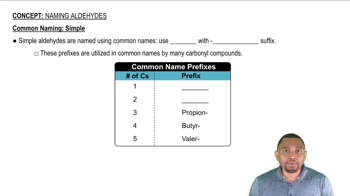
  • Common Naming: Simple Aldehydes Concept 2
    1:27
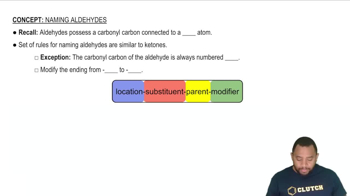
  • IUPAC Rules for Naming Aldehydes Concept 1
    0:54

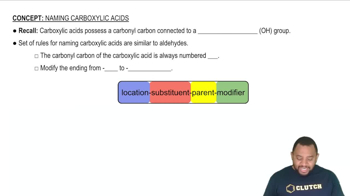
Naming Carboxylic Acids

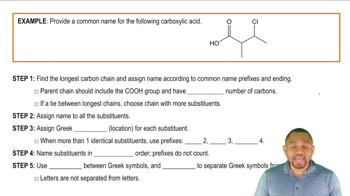
  • Common Naming: Carboxylic Acids Example 2
    2:39
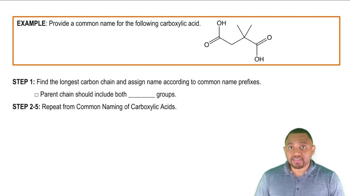
  • Naming Dicarboxylic Acids Example 3
    2:05
  • IUPAC Rules for Naming Carboxylic Acids Concept 1
    0:55

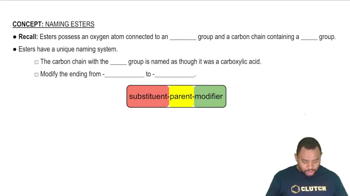
Naming Esters

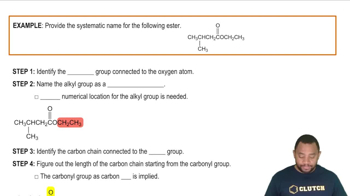
  • IUPAC Rules for Naming Esters Example 1
    3:08
  • IUPAC Rules for Naming Esters Concept 1
    0:59
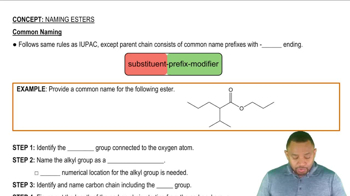
  • Common Naming: Esters Concept 2
    3:30

Naming Amides

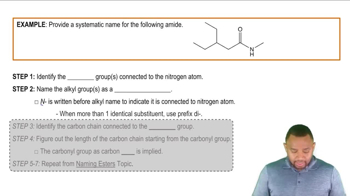
  • IUPAC Rules for Naming Amides Example 2
    2:03
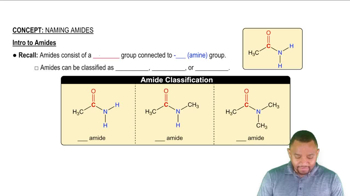
  • Intro to Amides Concept 1
    0:59
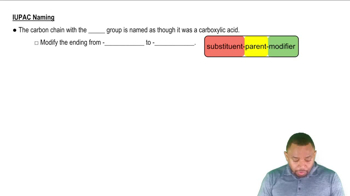
  • IUPAC Rules for Naming Amides Concept 2
    0:35

Carboxylic Acid Reactions

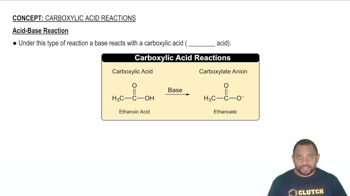
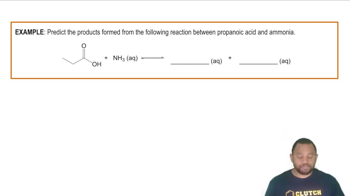
  • Acid-Base Reactions Concept 1
    1:09
  • Carboxylic Acid Reactions Example 1
    1:09

Ester Reactions: Esterification

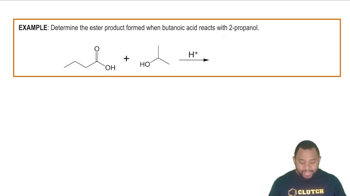
  • Ester Reactions: Esterification Example 1
    0:46
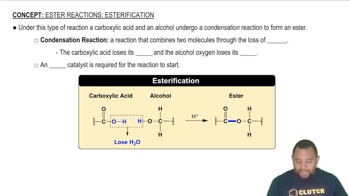
  • Ester Reactions: Esterification Concept 1
    1:50

Ester Reactions: Acid-Catalyzed Hydrolysis

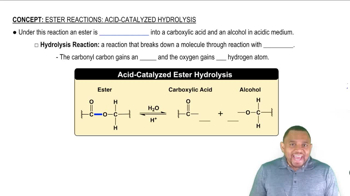
  • Acid-Catalyzed Ester Hydrolysis Concept 1
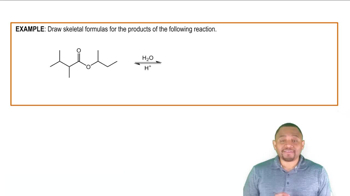
    1:14
  • Acid-Catalyzed Ester Hydrolysis Example 1
    0:47

Ester Reactions: Saponification

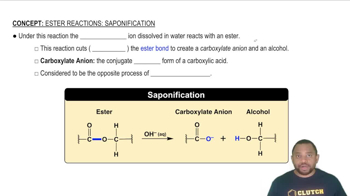
  • Ester Reactions: Saponification Concept 1
    1:25
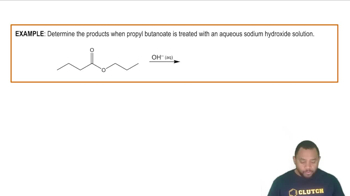
  • Ester Reactions: Saponification Example 1
    0:41

Amide Formation

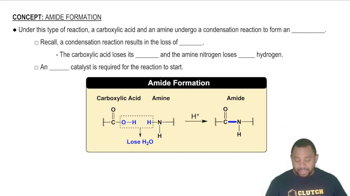
  • Amide Formation Concept 1
    1:41
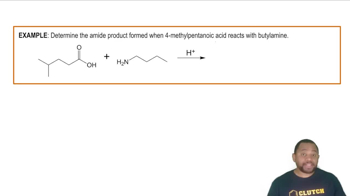
  • Amide Formation Example 1
    0:48

Amide Hydrolysis

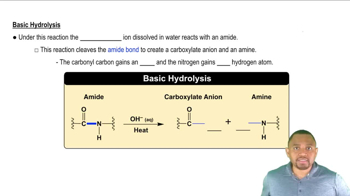
  • Basic Hydrolysis Concept 2
    1:07
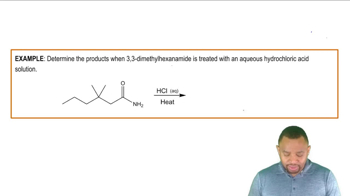
  • Acidic Hydrolysis Example 1
    0:51
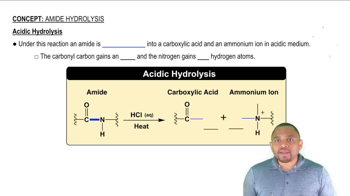
  • Acidic Hydrolysis Concept 1
    1:12

Classifying Amines

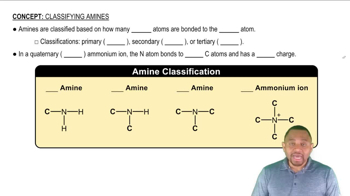
  • Amine Classification Concept 1
    1:26
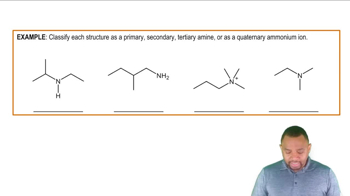
  • Amine Classification Example 1
    0:54

Naming Amines

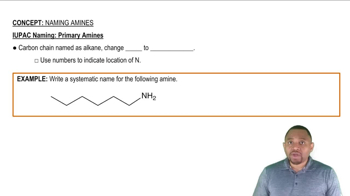
  • IUPAC Naming: Primary Amines Concept 2
    0:56
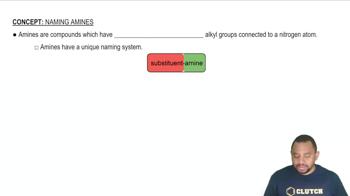
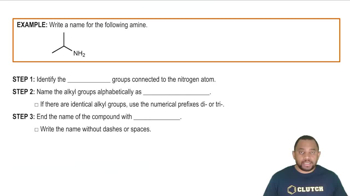
  • Common Naming: Amines Concept 1
    0:28
  • Common Naming: Amines Example 1
    1:06

Intro to Amino Acids

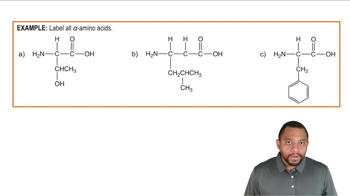
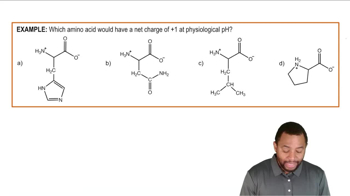
  • Intro to Amino Acids Example 1
    2:11
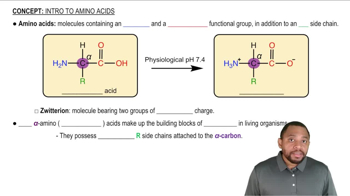
  • Intro to Amino Acids Concept 1
    3:04

Amino Acid Classifications

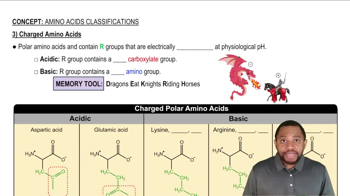
  • Charged Amino Acids Concept 3
    4:00
  • Amino Acid Classifications Example 3
    1:33
  • Amino Acid Classifications Example 2
    1:49

Peptides

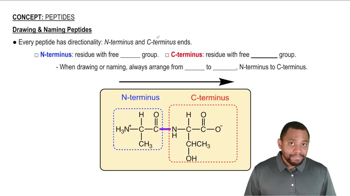
  • Drawing & Naming Peptides Concept 2
    1:18
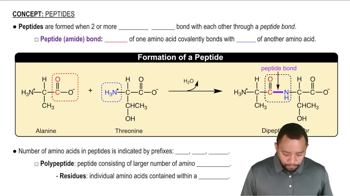
  • Peptides Concept 1
    3:07
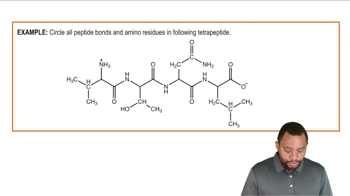
  • Peptides Example 1
    1:24

Primary Protein Structure

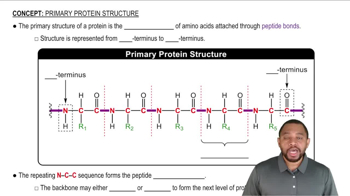
  • Primary Protein Structure Concept 1
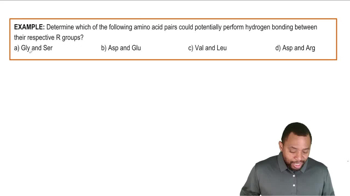
    2:18
  • Primary Protein Structure Example 1
    1:11

Secondary Protein Structure

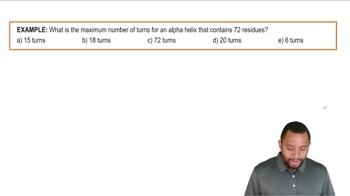
  • Secondary Protein Structure Example 4
    1:09
  • Secondary Protein Structure Example 1
    2:00
  • Secondary Protein Structure Example 3
    0:56

Tertiary Protein Structure

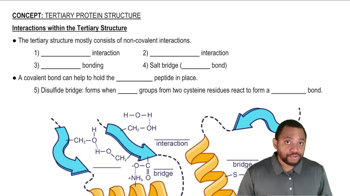
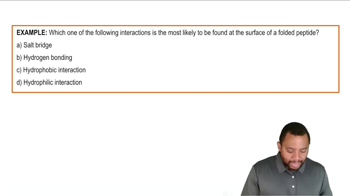
  • Interactions within the Tertiary Structure Concept 2
    2:41
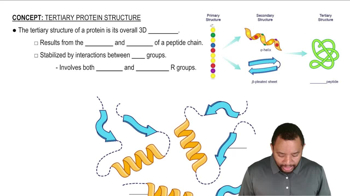
  • Tertiary Protein Structure Concept 1
    2:07
  • Tertiary Protein Structure Example 2
    0:57

Quaternary Protein Structure

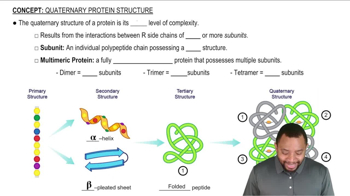
  • Quaternary Protein Structure Concept 1
    3:26
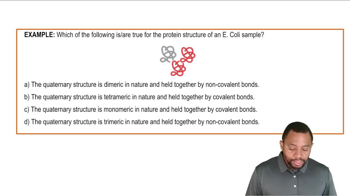
  • Quaternary Protein Structure Example 1
    1:13

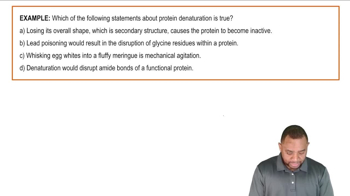
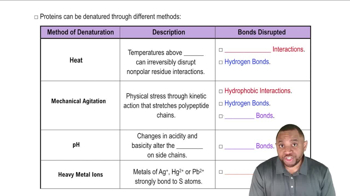
Protein Denaturation

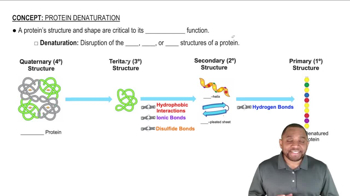
  • Protein Denaturation Concept 1
    2:08
  • Protein Denaturation Example 1
    1:47
  • Protein Denaturation Concept 2
    2:46

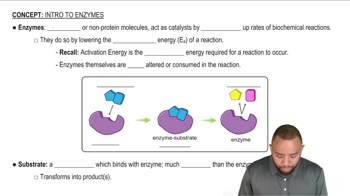
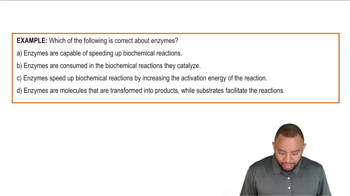
Intro to Enzymes

  • Intro to Enzymes Concept 1
    2:14
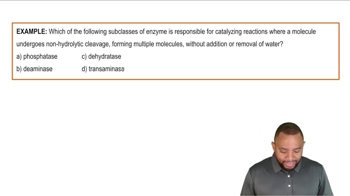
  • Intro to Enzymes Example 1
    1:00

Enzyme Classification

  • Lyases Example 7
    1:06
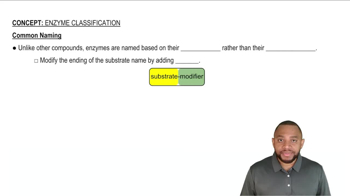
  • Common Naming Concept 1
    0:39
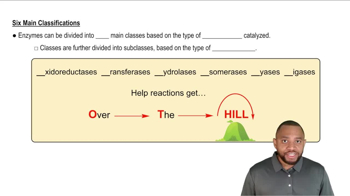
  • Six Main Classifications Concept 3
    1:26

Factors Affecting Enzyme Activity

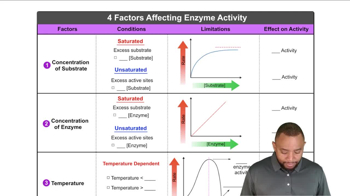
  • Factors Affecting Enzyme Activity Concept 2
    5:33
  • Factors Affecting Enzyme Activity Concept 1
    1:06
  • Factors Affecting Enzyme Activity Example 1
    1:31

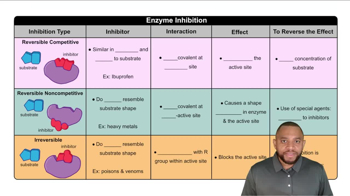
Enzyme Inhibition

  • Enzyme Inhibition Example 1
    2:04
  • Enzyme Inhibition Concept 1
    1:19
  • Enzyme Inhibition Concept 2
    3:26

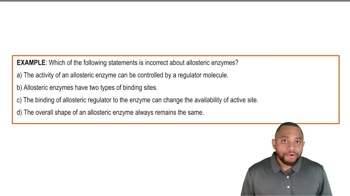
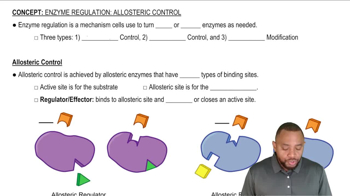
Enzyme Regulation: Allosteric Control

  • Allosteric Control Example 1
    1:21
  • Allosteric Control Concept 1
    2:57

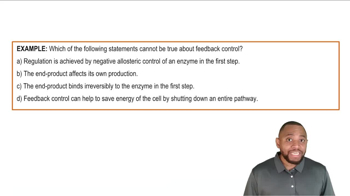
Enzyme Regulation: Feedback Control

  • Feedback Control Example 1
    2:08
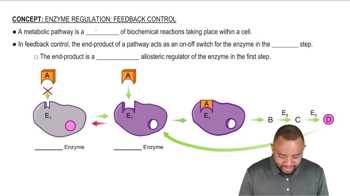
  • Feedback Control Concept 1
    2:50

Enzyme Regulation: Covalent Modification

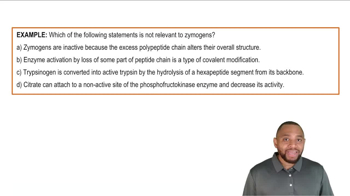
  • Zymogens Example 1
    2:21
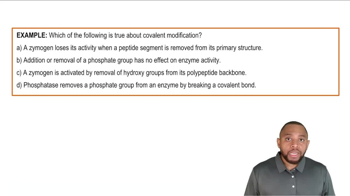
  • Phosphorylation/Dephosphorylation Example 2
    1:53
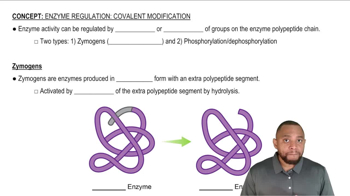
  • Covalent Modification/Zymogens Concept 1
    1:37

Intro to Carbohydrates

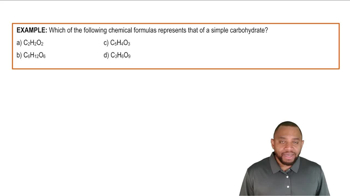
  • Intro to Carbohydrates Example 1
    0:57
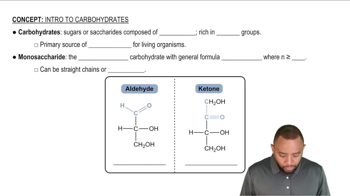
  • Intro to Carbohydrates Concept 1
    1:48
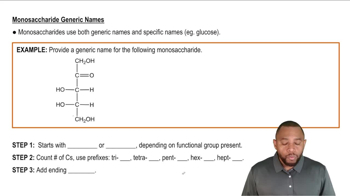
  • Monosaccharide Generic Names Concept 2
    1:30

Classification of Carbohydrates

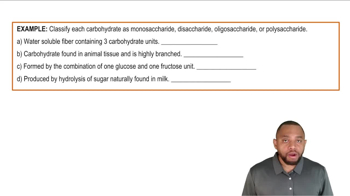
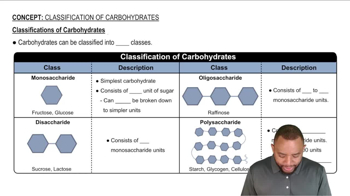
  • Classification of Carbohydrates Example 1
    1:29
  • Classification of Carbohydrates Concept 1
    2:37

Fischer Projections

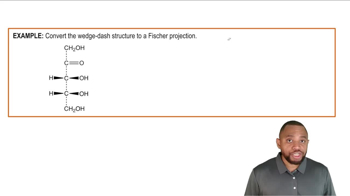
  • Fischer Projections Example 1
    0:48
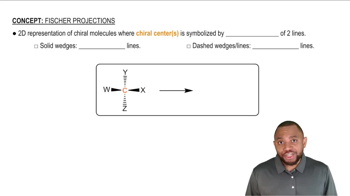
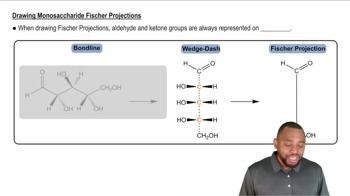
  • Fischer Projections Concept 1
    1:46
  • Fischer Projections Concept 2
    1:35

Enantiomers vs Diastereomers

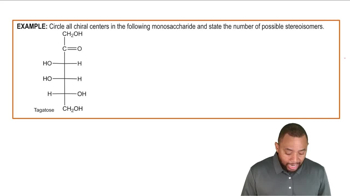
  • Enantiomers vs Diastereomers Example 1
    1:01
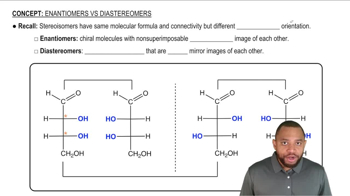
  • Enantiomers vs Diastereomers Concept 1
    3:33

D vs L Enantiomers

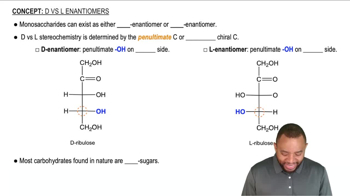
  • D vs L Enantiomers Concept 1
    1:30
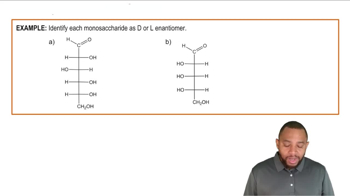
  • D vs L Enantiomers Example 1
    0:56
  • D vs L Enantiomers Example 2
    1:26

Cyclic Hemiacetals

  • Cyclic Hemiacetals Concept 1
    2:10
  • Cyclic Hemiacetals Concept 2
    2:55
  • Cyclic Hemiacetals Example 1
    1:21

Intro to Haworth Projections

  • Intro to Haworth Projections Example 1
    0:58
  • Intro to Haworth Projections Concept 1
    2:18
Cyclic Structures of Monosaccharides

  • Cyclic Structures of Monosaccharides Example 1
    2:31
  • Cyclic Structures of Monosaccharides Concept 1
    2:49

Mutarotation

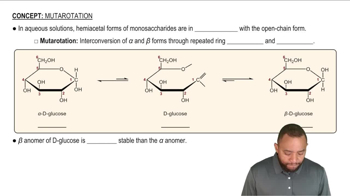
  • Mutarotation Concept 1
    2:10
  • Mutarotation Example 1
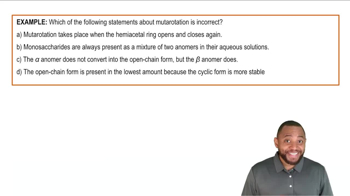
    1:10

Reduction of Monosaccharides

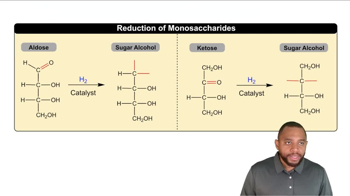
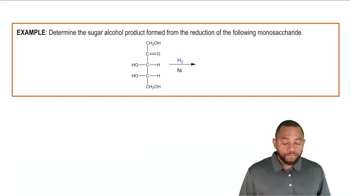
  • Reduction of Monosaccharides Concept 2
    1:16
  • Reduction of Monosaccharides Example 2
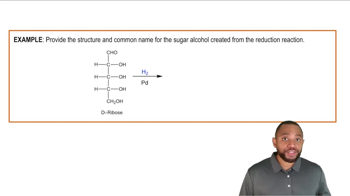
    1:12
  • Reduction of Monosaccharides Example 1
    0:55

Oxidation of Monosaccharides

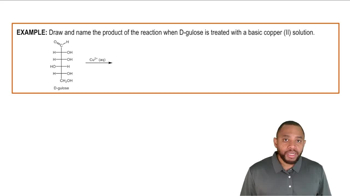
  • Oxidation of Monosaccharides Example 1
    1:03
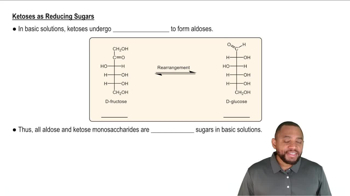
  • Ketoses as Reducing Sugars Concept 2
    1:03
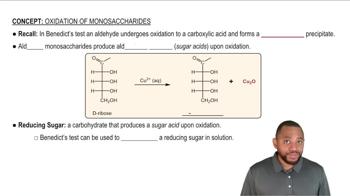
  • Oxidation of Monosaccharides Concept 1
    1:47

Glycosidic Linkage

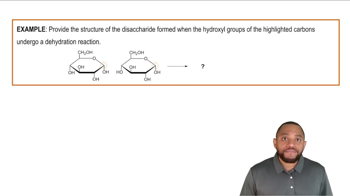
  • Glycosidic Linkage Formation Example 1
    3:07
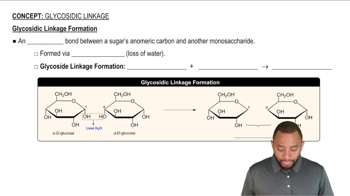
  • Glycosidic Linkage Formation Concept 1
    1:44
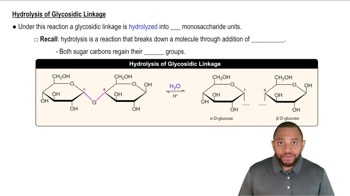
  • Hydrolysis of Glycosidic Linkage Concept 2
    1:18

Disaccharides

  • Types of Disaccharides Example 1
    0:50
  • Types of Disaccharides Concept 1
    3:39

Polysaccharides

  • Polysaccharides Example 1
    1:24
  • Polysaccharides Concept 1
    05:37