 Back
Enzyme Classification and Regulation: GOB Chemistry Study Notes
Study Guide - Smart Notes
 Tailored notes based on your materials, expanded with key definitions, examples, and context.
Enzymes: Biological Catalysts
Definition and Function
Enzymes are biological catalysts—primarily proteins (and some RNA molecules)—that accelerate chemical reactions in living organisms without being consumed in the process. Enzyme names typically end in "-ase" and are often named after their substrate or the reaction they catalyze.
Substrate: The reactant in an enzyme-catalyzed reaction.
Product: The substance formed from the substrate by the enzyme.
Turnover number: The number of substrate molecules converted to product per unit time by a single enzyme molecule.
Cofactor: A nonprotein component (often a metal ion) required for enzyme activity (e.g., Cu2+, Fe2+, Mg2+).
Coenzyme: An organic cofactor, often derived from vitamins, that assists in enzyme function (e.g., NAD+, FAD).
Apoenzyme: The protein portion of an enzyme, inactive without its cofactor/coenzyme.
Holoenzyme: The catalytically active enzyme with its cofactor/coenzyme bound.
Active site: The region of the enzyme where substrate binding and catalysis occur.
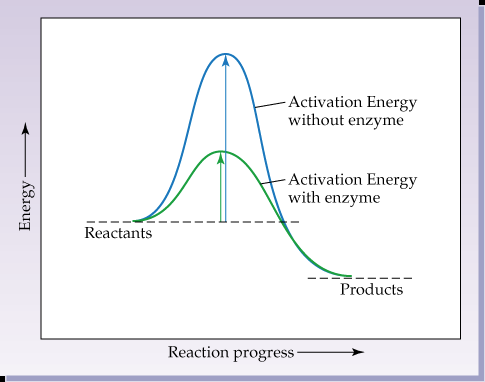
Key Point: Enzymes lower the activation energy of reactions, increasing the reaction rate without altering the overall energy change of the reaction.
Anatomy of Biological Reactions
How Enzymes Work as Catalysts
Proximity effect: Enzymes bring reactants close together to facilitate collisions.
Orientation effect: Enzymes hold substrates in the correct orientation for reaction.
Energy effect: Enzymes lower the activation energy by stabilizing the transition state or inducing strain in substrate bonds.
Catalytic effect: Enzymes provide functional groups (acidic, basic, etc.) necessary for catalysis.
Classification of Enzymes
The Six Major Classes
Enzymes are classified based on the type of reaction they catalyze:
Class | General Reaction Catalyzed |
|---|---|
Oxidoreductases | Oxidation-reduction reactions |
Transferases | Transfer of functional groups between molecules |
Hydrolases | Hydrolysis (splitting with water) |
Isomerases | Isomerization (rearrangement of atoms) |
Lyases | Addition/removal of groups to form double bonds |
Ligases | Bond formation coupled with ATP hydrolysis |
Oxidoreductases
Catalyze oxidation-reduction reactions.
Require coenzymes such as NAD+ or FAD.
Dehydrogenases: Remove two hydrogen atoms from a substrate to form a double bond.

Transferases
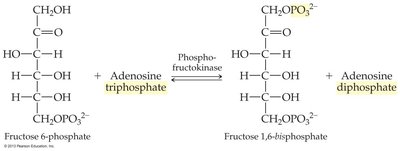
Transfer functional groups (e.g., amino, phosphoryl) between molecules.
Kinases: Transfer phosphoryl groups.
Transaminases: Transfer amino groups.
Hydrolases
Catalyze hydrolysis reactions (breaking bonds with water).
Subclasses: Lipases (lipids), Proteases (proteins), Nucleases (nucleic acids), Amylases (starch).

Isomerases
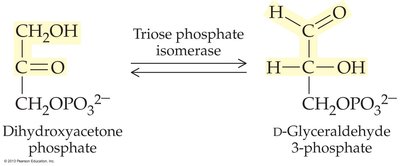
Catalyze rearrangement of atoms within a molecule (isomerization).
Lyases
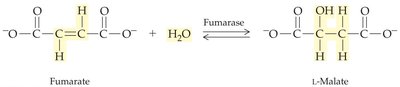
Catalyze addition or removal of small molecules to/from double bonds.
Examples: Decarboxylases, Dehydrases, Deaminases, Synthases.
Ligases
Catalyze the joining of two molecules using ATP hydrolysis.
Subclasses: Synthetases, Carboxylases.

Enzyme Specificity
Specific vs. Nonspecific Enzymes
Highly specific enzymes: Catalyze one type of reaction for a single substrate (e.g., urease hydrolyzes urea).
Nonspecific enzymes: Catalyze a single reaction for a group of similar substrates (e.g., aminopeptidase acts on various polypeptides).
Enzyme specificity depends on the chemical compatibility of the active site with the substrate, including stereochemistry.
Models of Enzyme-Substrate Binding
Lock-and-Key vs. Induced Fit Model
Lock-and-Key Model: The enzyme active site is a rigid shape that fits only specific substrates.
Induced Fit Model: Substrate binding induces a conformational change in the enzyme, optimizing the fit and facilitating catalysis.
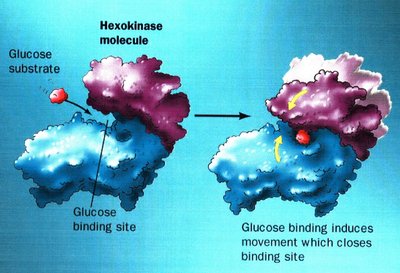
Key Point: The induced fit model more accurately describes enzyme-substrate interactions, as enzymes are flexible and adapt to substrate binding.
Mechanism of Enzyme Action
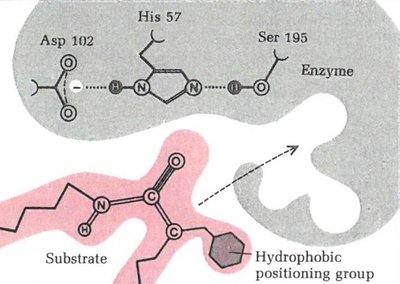
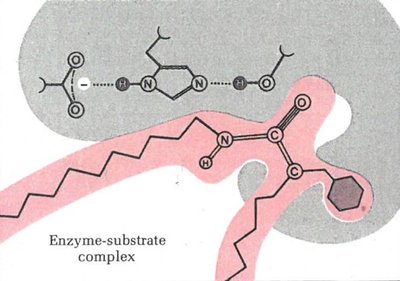
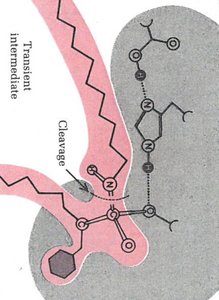
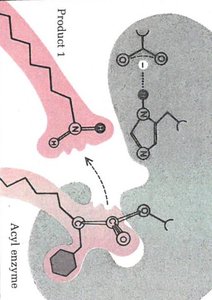
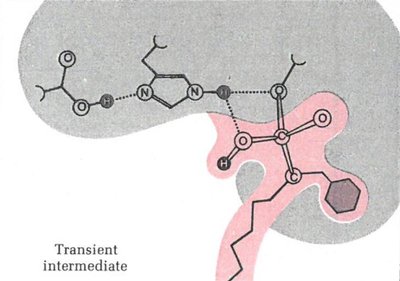
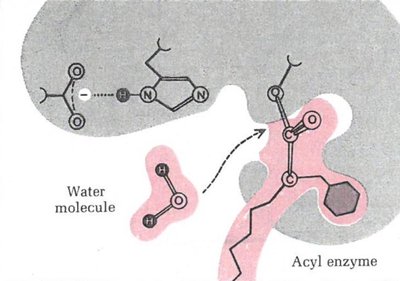
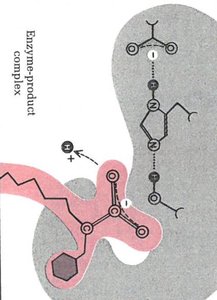
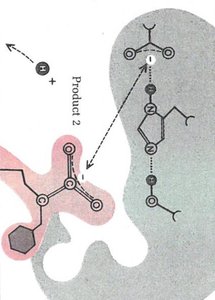
Stepwise Catalysis (Example: Serine Protease)
Enzyme recognizes and binds the substrate at the active site.
Key amino acids (e.g., Asp, Ser, His) participate in catalysis by stabilizing intermediates and facilitating bond cleavage/formation.
The enzyme is regenerated at the end of the reaction and can catalyze additional cycles.
Factors Affecting Enzyme Activity
Substrate Concentration
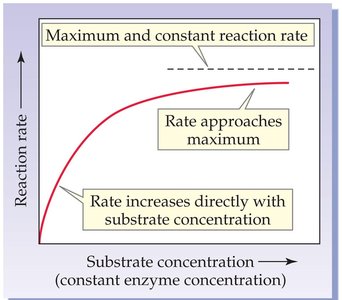
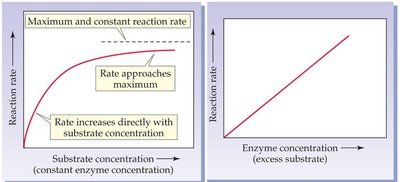
At low substrate concentrations, the reaction rate increases linearly with substrate concentration.
At high substrate concentrations, the rate approaches a maximum (Vmax) as the enzyme becomes saturated.
Enzyme Concentration
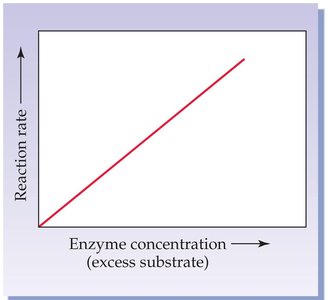
With excess substrate, the reaction rate increases linearly with enzyme concentration.
Temperature
Reaction rate increases with temperature up to an optimum, then decreases as enzymes denature at higher temperatures.
pH
Each enzyme has an optimal pH range; activity decreases outside this range due to denaturation or altered charge states of amino acids in the active site.
Summary Table: Enzyme Classes and Subclasses
Class | Subclass | Reaction Catalyzed |
|---|---|---|
Oxidoreductases | Dehydrogenases | Oxidation-reduction (removal of H2) |
Transferases | Kinases | Transfer of phosphoryl group |
Transferases | Transaminases | Transfer of amino group |
Hydrolases | Lipases | Hydrolysis of ester bonds in lipids |
Hydrolases | Proteases | Hydrolysis of peptide bonds in proteins |
Hydrolases | Nucleases | Hydrolysis of phosphate ester bonds in DNA/RNA |
Hydrolases | Amylases | Hydrolysis of glycosidic bonds in starch |
Isomerases | — | Isomerization (rearrangement of atoms) |
Lyases | Decarboxylases, Dehydrases, Deaminases, Synthases | Addition/removal of groups to/from double bonds |
Ligases | Synthetases, Carboxylases | Bond formation using ATP hydrolysis |
Additional info: Enzyme regulation, inhibition, and allosteric control are also important topics in enzyme chemistry, but are not covered in detail in this summary.
