 Back
BackHost-Microbe Interactions, Pathogenicity, and Immunity: Mini-Textbook Study Guide
Study Guide - Smart Notes
 Tailored notes based on your materials, expanded with key definitions, examples, and context.
Host-Microbe Interactions
Pathogens and the Human Microbiome
The human body is host to a vast array of microbes, some of which are pathogenic and capable of causing disease. The human microbiome consists of microbial communities that begin to establish before birth and are influenced by diet, environment, and contact with others. These microbes play essential roles in health and disease.
Pathogen: A parasite capable of causing disease in the host.
Normal (resident) microflora: Always present, do not cause disease under normal conditions.
Transient microflora: Present temporarily, may cause disease under certain conditions.
Microbial antagonism: Competition between microbes, where normal microflora prevent pathogens from colonizing.
Factors affecting microflora: Nutrients, physical and chemical factors, and host defenses determine the composition and distribution of microflora.
Microbe-Human Symbioses
Microbes interact with the human host in various symbiotic relationships:
Mutualism: Both organisms benefit (e.g., E. coli produces vitamin K).
Parasitism: Microbe benefits, host is harmed (all disease-causing microorganisms).
Commensalism: One benefits, the other is unaffected (e.g., Staphylococcus epidermidis on skin).
Opportunistic Pathogens
Microbes may cause disease when host defenses fail, when introduced to unusual body sites, or when normal flora is disturbed (e.g., C. diff after antibiotics).
Pathogenicity: Capacity to produce disease, depends on invasion, multiplication, and evasion of host defenses.
Virulence: Intensity of disease, varies among microbes.
Microbial Actions and Virulence Factors
Mechanisms of Pathogenicity
Pathogens employ several strategies to cause disease:
Gain access to host (skin, mucous membranes, respiratory, gastrointestinal tract, wounds).
Adhesion and colonization (adhesins on pili or capsule).
Invading tissues (enzymes such as hyaluronidase and coagulase).
Producing toxins (exotoxins and endotoxins).
Virulence Factors
Adhesins: Proteins that allow attachment to host cells.
Enzymes: Hyaluronidase (spreading factor), coagulase (clotting).
Toxins:
Exotoxins: Secreted proteins, highly specific, produced by Gram-positive bacteria.
Endotoxins: Lipid A from Gram-negative cell wall, released at cell death, nonspecific.
Capsules, biofilm, cell wall components, invasions, siderophores: Aid in evasion and iron scavenging.
How Viruses Cause Disease
Cytopathic effect (CPE): Observable changes inside a cell, such as inclusion bodies and syncytium formation.
Selected Infectious Diseases
Tuberculosis
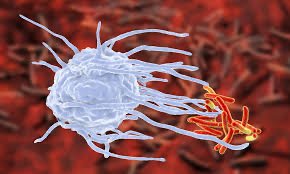
Mycobacterium tuberculosis is an acid-fast bacterium with a lipid-rich cell wall, highly resistant to drying and slow-growing. TB is transmitted via inhalation and can become dormant in tubercles. Diagnosis includes skin tests and chest X-rays; treatment requires prolonged antibiotics.
Legionnaires' Disease
Caused by Legionella pneumophila, a weak Gram-negative bacterium that colonizes water systems. Infection occurs via airborne transmission, leading to pneumonia. Diagnosis includes urine antigen tests and culturing on selective media.
Helicobacter pylori and Peptic Ulcers
H. pylori causes most peptic ulcers by surviving acidic conditions in the stomach through urease production. Diagnosis includes breath tests, stool antigen tests, and endoscopy. Treatment is highly effective with antibiotics.
Cholera
Caused by Vibrio cholerae, cholera leads to rapid dehydration due to massive diarrhea. The cholera toxin binds to intestinal cells, causing fluid loss. Treatment involves rapid fluid and ion replacement.
Lyme Disease
Transmitted by black-legged ticks, Lyme disease is caused by Borrelia burgdorferi. The tick life cycle involves three blood meals and transmission to humans and animals. Symptoms progress from rash to persistent infection, and early antibiotic treatment is effective.
Tetanus and Anthrax
Tetanus: Caused by Clostridium tetani, produces a neurotoxin leading to muscle spasms. Prevention is via vaccination.
Anthrax: Caused by Bacillus anthracis, presents in cutaneous, intestinal, and respiratory forms. Treatment includes antibiotics and vaccination for high-risk individuals.
Eukaryotic Parasites
Malaria
Caused by Plasmodium species, malaria is transmitted by female mosquitoes and involves both mosquito and human hosts. Diagnosis is by blood smear; treatment is complicated by drug resistance.
Toxoplasmosis
Caused by Toxoplasma gondii, infection occurs via contact with cat feces or undercooked meat. Diagnosis is by serological tests; treatment cannot reverse prenatal damage.
Blastomycosis
Caused by Blastomyces dermatitidis, a dimorphic fungus, infection occurs via inhalation of spores. Diagnosis is by chest X-ray and culture; treatment is with antifungals.
Host Defenses and Immunity
Innate Immunity
Innate immunity is the body's first line of defense, present at birth and nonspecific. It includes physical, mechanical, chemical barriers, defensive cells, inflammation, fever, and the complement system.
Complement system: Over 30 proteins produced in the liver, enhances phagocytosis, lyses bacteria, and regulates inflammation.
Three effects: Cytolysis, opsonization, inflammation.
Immunodeficiency
Primary: Genetic/inherited (e.g., SCID).
Secondary: Acquired (e.g., HIV/AIDS).
Adaptive Immunity
Adaptive immunity is specific, slower to respond, and has a memory component. It is acquired naturally (infection) or artificially (vaccination), and can be active (long-term) or passive (short-term).
Humoral immunity: B cells produce antibodies against threats outside cells.
Cellular immunity: T cells target threats inside cells.
Antigen: Foreign substance triggering immune response.
Antibody: Protein produced in response to antigen (immunoglobulin).
Antibodies and Antigen-Antibody Binding
IgG: Main antibody in blood, crosses placenta.
IgA: Secretory antibody, guards entrances to body.
IgM: Pentamer, first antibody in primary response.
Antigen-antibody binding leads to agglutination, opsonization, and neutralization.
ELISA Test
Uses specificity of antigen-antibody interaction for diagnostics, highly sensitive (e.g., early HIV detection).
Antigenic Variation
Mechanisms of Antigenic Variation
Some infectious organisms alter their surface proteins to evade host immune responses. This is especially important for viruses:
Antigenic drift: Minor changes (point mutations) in viral proteins (e.g., influenza).
Antigenic shift: Major changes due to recombination of genetic material (e.g., influenza A).
Epitope: Specific region on antigen where antibody binds.
