 Back
BackLipids: Structure, Types, and Biological Roles
Study Guide - Smart Notes
 Tailored notes based on your materials, expanded with key definitions, examples, and context.
Lipids
Definition and General Structure
Lipids are a diverse group of organic molecules characterized by their insolubility in water and their role in energy storage, cellular structure, and signaling. The fundamental building blocks of many lipids are fatty acids, which consist of a long hydrocarbon chain with a terminal carboxylic acid group (-COOH).
General Formula: , where n ranges from 2 to 28 (always even).
Head: Carboxylic acid group (-COOH)
Tail: Hydrocarbon chain
Types of Lipids
Lipids encompass several classes of molecules, each with distinct functions:
Fatty acids
Triacylglycerols (triglycerides)
Phospholipids
Steroids
Waxes
Fats, oils, and grease
Fatty Acids
Saturated vs. Unsaturated Fatty Acids
Fatty acids are classified based on the presence and number of double bonds in their hydrocarbon chains.
Saturated fatty acids: Contain only carbon-carbon single bonds (C–C). Their straight chains allow tight packing, making them solid at room temperature. Energy storage in animals.
Unsaturated fatty acids: Contain one or more carbon-carbon double bonds (C=C), causing bends in the chain and preventing tight packing. They are typically liquid at room temperature and are used by plants for energy storage.
Classification of Unsaturated Fatty Acids
Monounsaturated: One C=C double bond
Polyunsaturated: More than one C=C double bond
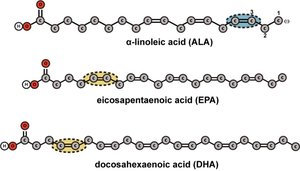
Omega-3 fatty acids: First double bond at the third carbon from the tail
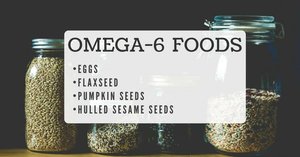
Omega-6 fatty acids: First double bond at the sixth carbon from the tail
Examples of Fatty Acids
Oleic acid: A monounsaturated fatty acid
Linolenic acid: An omega-3 polyunsaturated fatty acid
Linoleic acid: An omega-6 polyunsaturated fatty acid
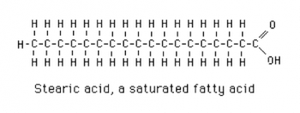
Stearic acid: A saturated fatty acid
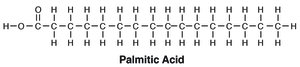
Palmitic acid: A saturated fatty acid
Physical Properties
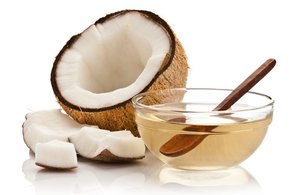
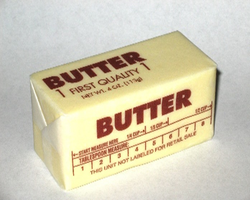
Saturated fatty acids: Solid at room temperature (e.g., butter, coconut oil)
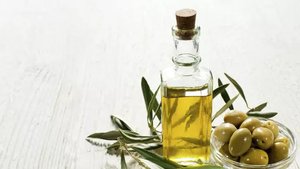
Unsaturated fatty acids: Liquid at room temperature (e.g., olive oil)
Do not dissolve in water
Triglycerides
Structure and Formation
Triglycerides are the main form of stored energy in animals. They are formed by esterification of three fatty acids with one glycerol molecule.
Glycerol: A triol (alcohol with three hydroxyl groups)
Fatty acids: Long carbon chains with a carboxyl group
Reaction: Esterification forms a triester (triglyceride)
Phospholipids
Structure and Function
Phospholipids are major components of cell membranes. They have two distinct regions:
Hydrophilic (water-loving) head: Contains a phosphate group with a negative charge
Hydrophobic (water-hating) tail: Composed of hydrocarbon chains
Phospholipid Bilayer
The cell membrane consists of a phospholipid bilayer, where hydrophobic tails face inward and hydrophilic heads face outward toward the aqueous environment.
Steroids
Structure and Biological Roles
Steroids are lipids with a characteristic four-ring structure. Cholesterol is a sterol compound found in cellular membranes, myelin, nerve tissue, skin (vitamin D precursor), and bile salts. Steroids also function as hormones.
Fats and Health
Dietary Fats
Some saturated fat is necessary for synthesis of phospholipids and cholesterol in cell membranes.
Excessive intake of saturated fat can elevate blood cholesterol, leading to atherosclerosis (plaque buildup in arteries).
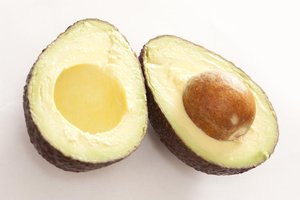
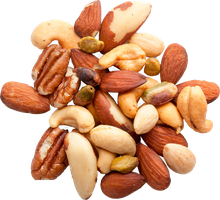
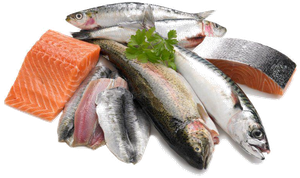
Monounsaturated and polyunsaturated fats (from olive oil, nuts, avocado, cold-water fish, flaxseed, walnuts, sunflower seeds) are considered "good" fats.
Trans Fats and Hydrogenation
Trans fats: Artificially created by partial hydrogenation of unsaturated fats, making them more solid and increasing shelf life.
Trans fats are more difficult for the body to break down and are associated with negative health effects.
Melting Point of Lipids
Factors Affecting Melting Point
Saturated fatty acids have higher melting points than unsaturated fatty acids (major factor).
Number of carbon atoms: More carbons increase melting point (minor factor).
Soaps
Structure and Cleansing Action
Soaps are salts of long-chain carboxylic acids. They have both polar (hydrophilic) and non-polar (hydrophobic) components, enabling them to emulsify grease and oils.
Polar head: Carboxylate salt
Non-polar tail: Hydrocarbon chain
Reactions of Lipids
Addition and Ester Reactions
Unsaturated lipids can undergo addition reactions (e.g., halogenation).
Triglycerides can be hydrolyzed to produce glycerol and fatty acids (or fatty acid salts in soap-making).
Summary Table: Types of Fatty Acids
Type | Bond Type | Physical State | Example |
|---|---|---|---|
Saturated | Single (C–C) | Solid | Butter, Stearic acid |
Monounsaturated | One double (C=C) | Liquid | Olive oil, Oleic acid |
Polyunsaturated | Multiple (C=C) | Liquid | Fish oil, Linolenic acid |
Relevant Images
Monounsaturated Fats: Examples
Olive oil, nuts, avocado are sources of monounsaturated fats.
Oleic Acid Structure

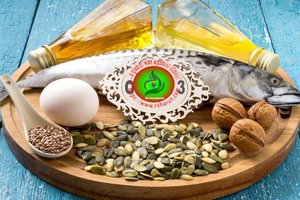
Polyunsaturated Fats: Omega-3
Cold-water fish, flaxseed, walnuts are sources of omega-3 fatty acids.
Omega-3 Fatty Acid Structures
Omega-6 Foods
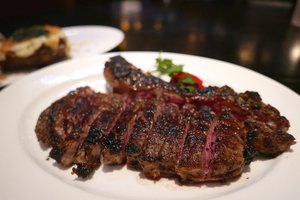
Saturated Fatty Acids: Examples
Stearic acid and palmitic acid are examples of saturated fatty acids.
Health Effects of Lipids
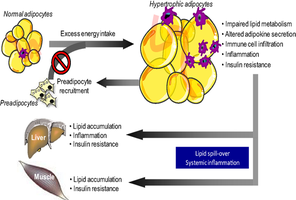
Excess energy intake and lipid accumulation can lead to inflammation and insulin resistance.
Additional info:
Some images (e.g., image_1) are not directly relevant to the chemical or biological explanation and are therefore excluded.
