 Back
BackProteins and Amino Acids: Structure, Function, and Classification
Study Guide - Smart Notes
 Tailored notes based on your materials, expanded with key definitions, examples, and context.
Proteins: The Workhorses of Life
Functions and Importance of Proteins
Proteins are essential macromolecules that serve a wide variety of functions in living organisms. They provide structural support, regulate bodily processes, and catalyze biochemical reactions.
Structural Roles: Proteins form the building materials for large structures such as hair, nails, and connective tissue.
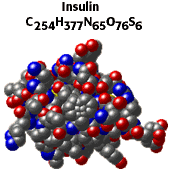
Hormonal Regulation: Some proteins act as hormones, regulating physiological processes in the body.
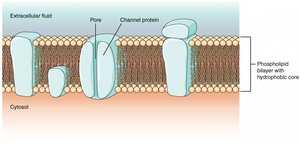
Transport: Proteins regulate the movement of materials across cell membranes, facilitating selective transport of ions and molecules.
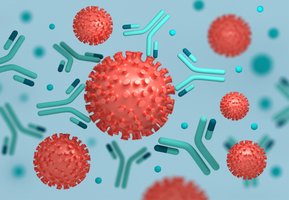
Immune Defense: Antibodies are proteins that protect the body against infection and disease.
Enzymatic Activity: Many proteins function as enzymes, acting as biological catalysts for complex chemical reactions.
Dietary Importance: Proteins are a vital part of the human diet, supplying essential amino acids necessary for health and growth.
Amino Acids: The Building Blocks of Proteins
Structure and General Properties
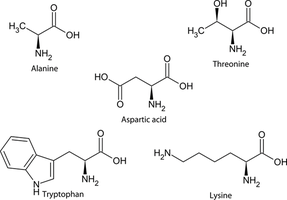
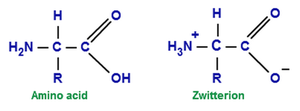
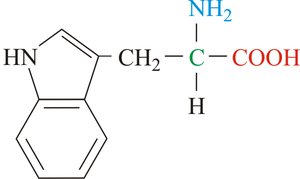
Amino acids are organic compounds that contain both an amine group (−NH2) and a carboxylic acid group (−COOH) attached to a central carbon atom (the α-carbon). The α-carbon is also bonded to a hydrogen atom and a variable side chain, known as the R group, which determines the identity and properties of the amino acid.
General Structure: All amino acids share a common backbone but differ in their R groups.
Biological Relevance: There are 20 standard amino acids used by living organisms to build proteins.
Zwitterions
Amino acids exist as zwitterions at physiological pH, meaning they have both a positively charged (protonated amine) and a negatively charged (deprotonated carboxyl) group, resulting in an overall neutral molecule.
Zwitterion Formation: The amine group gains a proton (−NH3+), and the carboxyl group loses a proton (−COO−).
Peptide Bonds and Protein Formation
Peptide Bond Formation
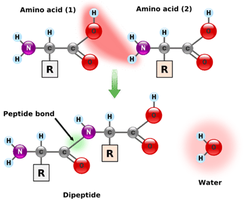
Proteins are polymers formed by linking amino acids through peptide bonds. A peptide bond is a covalent bond formed between the amine group of one amino acid and the carboxyl group of another via a condensation (dehydration) reaction, releasing water.
N-Terminus: The end of the peptide with a free amine group.
C-Terminus: The end of the peptide with a free carboxyl group.
Extension: Chains can be extended by forming additional peptide bonds.
Essential and Non-Essential Amino Acids
Dietary Requirements
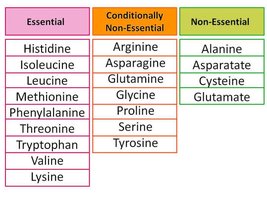
Of the 20 amino acids, the human body can synthesize 12. The remaining 8 are termed essential amino acids and must be obtained from the diet. Foods can be combined to provide all essential amino acids, especially in vegetarian diets.
Essential Amino Acids: Must be supplied by the diet.
Non-Essential Amino Acids: Can be synthesized by the body.
Complementary Proteins: Combining foods such as rice and beans or cereal and milk provides all essential amino acids.


Classification of Amino Acids
Based on R Groups
Amino acids are classified according to the properties of their side chains (R groups), which influence their chemical behavior and role in proteins.
Non-Polar Amino Acids: Contain hydrophobic side chains, usually hydrocarbons.
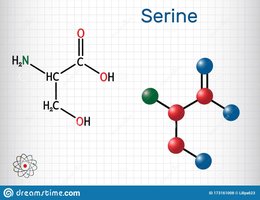
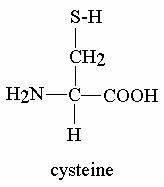
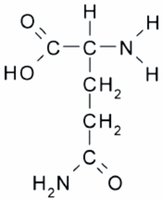
Polar Neutral Amino Acids: Contain side chains with alcohol, thiol, or amide groups; hydrophilic but uncharged.
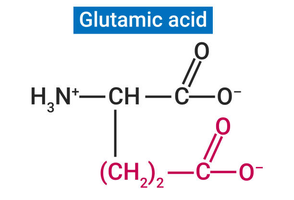
Polar Acidic Amino Acids: Contain carboxylate groups in their side chains; negatively charged at physiological pH.
Polar Basic Amino Acids: Contain amine groups in their side chains; positively charged at physiological pH.

Levels of Protein Structure
Primary Structure
The primary structure of a protein is the unique sequence of amino acids in its polypeptide chain. The order of amino acids determines the protein's final shape and function.
Importance: Even a single change in the sequence can alter protein function.
Secondary Structure
Secondary structure refers to local folding patterns within a polypeptide, stabilized by hydrogen bonds. The most common motifs are the alpha helix and beta sheet.
Alpha Helix: A right-handed coil stabilized by hydrogen bonds.
Beta Sheet: Extended strands connected by hydrogen bonds.
Tertiary Structure
The tertiary structure is the overall three-dimensional shape of a single polypeptide chain, stabilized by interactions between R groups, including hydrophobic interactions, hydrogen bonds, ionic bonds (salt bridges), and disulfide bonds.
Hydrophobic Interactions: Nonpolar side chains cluster away from water.
Hydrophilic Interactions: Polar side chains interact with water.
Disulfide Bonds: Covalent bonds between cysteine residues.
Quaternary Structure
Quaternary structure arises when two or more polypeptide chains (subunits) associate to form a functional protein complex. Not all proteins have quaternary structure.
Example: Hemoglobin, which consists of four subunits, each containing a heme group with an iron atom.
Protein Denaturation
Loss of Structure and Function
Denaturation is any change in the three-dimensional structure of a protein that renders it incapable of performing its biological function. This can be caused by heat, strong acids or bases, organic solvents, detergents, heavy metal ions, or agitation. Denaturation affects secondary, tertiary, or quaternary structure but not the primary sequence.
Example: Cooking an egg causes the albumin protein to denature and coagulate, turning from clear to opaque.
Enzymes: Biological Catalysts
Role and Specificity
Enzymes are proteins that act as biological catalysts, speeding up chemical reactions by lowering the activation energy required. They are highly specific, typically catalyzing only one type of reaction or acting on a specific substrate. The "lock and key" model describes the specificity of enzyme-substrate interactions.
Reusability: Enzymes are not consumed in the reactions they catalyze and can be used repeatedly.
Conditions: Enzymes function under mild conditions of temperature and pH, unlike many laboratory catalysts.
Mechanism of Action
Enzymes bind to their substrates to form an enzyme-substrate complex, facilitating the conversion of substrates into products. After the reaction, the enzyme is released unchanged and can catalyze additional reactions.
Additional info: This guide covers the structure, classification, and function of proteins and amino acids, including their dietary importance, chemical properties, and role as enzymes. It is suitable for introductory college-level biochemistry or general, organic, and biological chemistry (GOB) courses.
