 Back
Proteins and Their Amino Acid Building Blocks: Structure and Function
Study Guide - Smart Notes
 Tailored notes based on your materials, expanded with key definitions, examples, and context.
Biochemistry and Biomacromolecules
What is Biochemistry?
Biochemistry is the study of the chemistry of life, focusing on the chemical reactions and processes that occur within living organisms. It bridges biology and chemistry, providing insight into cellular function, metabolism, and molecular structure.
Four Classes of Biomacromolecules
Biomacromolecules are large molecules essential for life, classified into four main types:
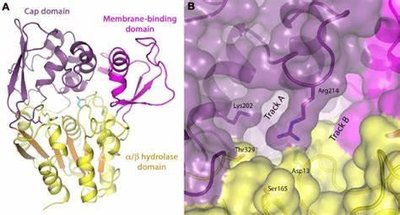
Proteins: Polymers of amino acids, responsible for structure, function, and regulation of tissues and organs.
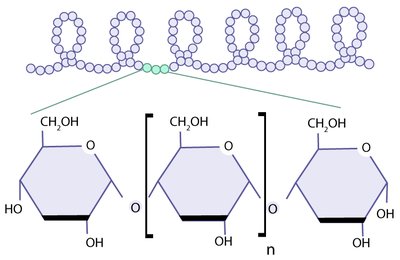
Carbohydrates: Polymers of sugars, serve as energy sources and structural components.
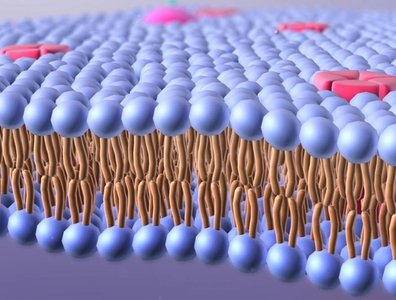
Lipids: Hydrophobic molecules, form membranes and store energy.
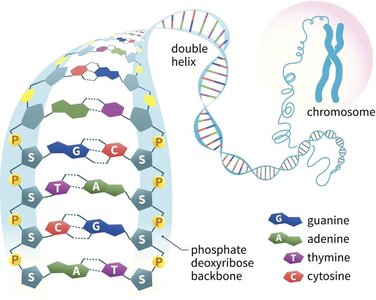
Nucleic Acids: DNA and RNA, carry genetic information.
Roles of Proteins in the Body
Protein Classes and Functions
Proteins perform diverse functions in the body, classified as:
Enzymes: Biological catalysts that accelerate biochemical reactions.
Hormones: Chemical messengers regulating physiological processes.
Storage Proteins: Store essential substances (e.g., ovalbumin, ferritin).
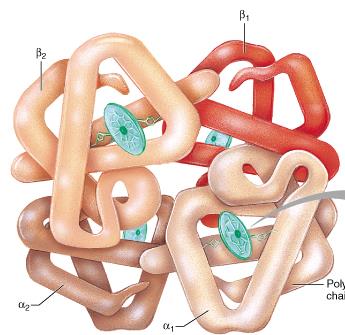
Transport Proteins: Move substances across membranes and in blood (e.g., hemoglobin).
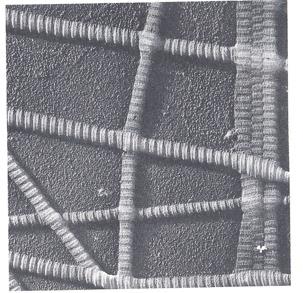
Structural Proteins: Provide support and shape (e.g., collagen, actin).
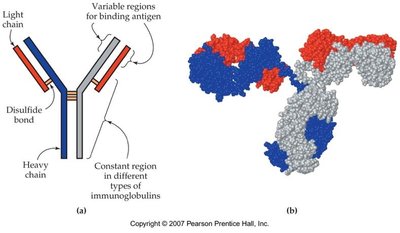
Protective Proteins: Defend against pathogens (e.g., antibodies).
Contractile Proteins: Enable movement (e.g., myosin, kinesin).
Protein Structure: Importance and Determination
Why is Protein Structure Important?
Understanding protein structure is crucial for elucidating function, mechanism, and interactions. Structural knowledge enables drug design, disease understanding, and biotechnological applications.
Methods for Determining Protein Structure
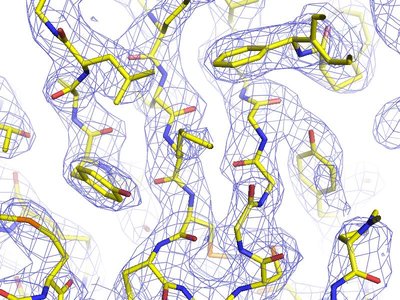
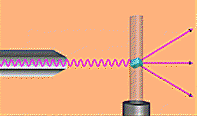
X-ray Crystallography: Reveals atomic structure by analyzing diffraction patterns from protein crystals.
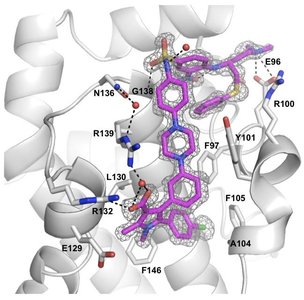
Electron Density Maps: Visualize the spatial arrangement of atoms.
Amino Acids: Structure and Classification
General Structure of Amino Acids
Amino acids are organic molecules with a central (alpha) carbon bonded to:
An amine group (-NH2)
A carboxylic acid group (-COOH)
A hydrogen atom
A variable side chain (R group)
Chirality and Isomerism
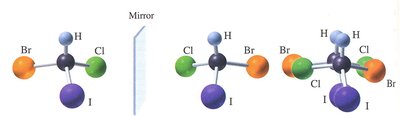
The alpha carbon is typically chiral, meaning it is attached to four different groups, resulting in stereoisomers:
Enantiomers: Non-superimposable mirror images.
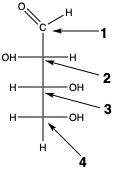
Diastereoisomers: Stereoisomers that are not mirror images.
Classification of Amino Acids
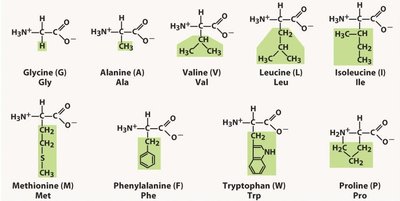
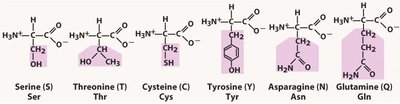
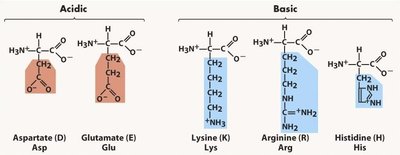
Amino acids are grouped based on their side chain properties:
Nonpolar: Hydrophobic, alkanes/arenes (e.g., glycine, alanine)
Neutral Polar: Hydrophilic, hydroxyl/thiol/amides (e.g., serine, cysteine)
Acidic: Carboxylic acid side chain, negative charge (e.g., aspartate, glutamate)
Basic: Amine side chain, positive charge (e.g., lysine, arginine)
Zwitterions and Charge Properties
At physiological pH (~7), amino acids exist as zwitterions, carrying both positive (amine) and negative (carboxylate) charges. The net charge depends on the pH and the side chain properties.
Protein Structure Levels
Primary Structure
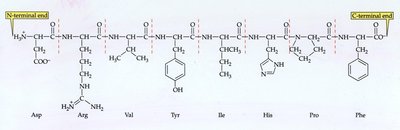
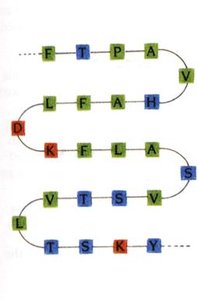
The primary structure is the linear sequence of amino acids in a polypeptide, connected by peptide bonds (amide bonds). It is written from the N-terminus to the C-terminus.
Secondary Structure
Secondary structure refers to local folding patterns stabilized by hydrogen bonds:
Alpha (α)-helix: Right-handed coil stabilized by hydrogen bonds between backbone amide groups four residues apart.
Beta (β)-sheet: Extended strands connected by hydrogen bonds between adjacent strands, forming pleated sheets.
Tertiary Structure
Tertiary structure is the overall three-dimensional folding of a single polypeptide chain, stabilized by:
Hydrophobic interactions (nonpolar side chains cluster away from water)
Hydrogen bonds (between side chains and backbone)
Electrostatic (ionic) interactions
Disulfide bonds (covalent bonds between cysteine residues)
Quaternary Structure
Quaternary structure arises when two or more polypeptide chains assemble into a functional protein complex, stabilized by similar interactions as tertiary structure.
Shape-Determining Amino Acids
Glycine, Proline, and Cysteine
Glycine: Smallest amino acid, provides flexibility, often found in turns.
Proline: Rigid structure due to secondary amine, disrupts helices, found at turns.
Cysteine: Contains thiol group, forms disulfide bonds, stabilizes extracellular proteins.
Stabilizing Interactions in Protein Structure
Types of Interactions
Covalent Bonds: Peptide bonds (primary), disulfide bonds (tertiary/quaternary).
Hydrogen Bonds: Stabilize secondary, tertiary, and quaternary structures.
Electrostatic Interactions: Salt bridges between charged side chains.
Van der Waals Forces: Weak interactions between all atoms.
Hydrophobic Effect: Drives folding by excluding water from nonpolar regions.
Summary Table: Amino Acid Classification
Class | Side Chain Type | Example Amino Acids |
|---|---|---|
Nonpolar | Alkane/Arene | Glycine, Alanine, Valine |
Neutral Polar | Hydroxyl/Thiol/Amide | Serine, Cysteine, Asparagine |
Acidic | Carboxylic Acid | Aspartate, Glutamate |
Basic | Amine | Lysine, Arginine, Histidine |
Key Equations
Peptide Bond Formation:
Zwitterion Formation: at pH 7
Additional info:
Protein structure is hierarchical: primary (sequence), secondary (local folding), tertiary (overall folding), quaternary (multi-chain assembly).
Protein function is determined by structure, which is stabilized by a combination of covalent and noncovalent interactions.
