Back
Lec 11 Regulation of Enzyme Activity, Vitamins, and Diagnostic Testing in GOB Chemistry
Study Guide - Smart Notes
 Tailored notes based on your materials, expanded with key definitions, examples, and context.
Enzyme Inhibition
Types of Enzyme Inhibition
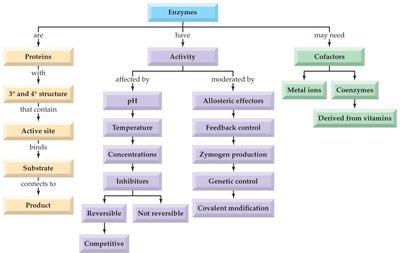
Enzyme inhibition is a critical concept in biochemistry, describing how molecules can decrease or halt enzyme activity. There are several types of inhibition, each affecting enzyme function differently.
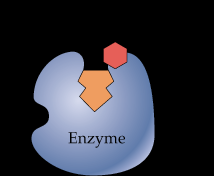
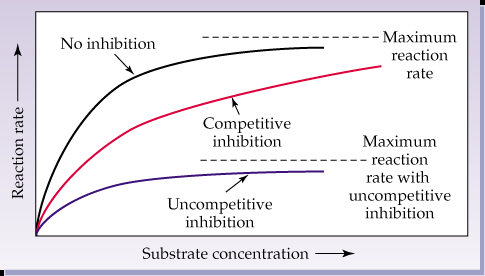
Competitive Inhibition: The inhibitor resembles the substrate and competes for the same binding site on the enzyme. This increases the apparent Km (substrate concentration at half-maximal velocity) but does not affect Vmax (maximum reaction rate).
Noncompetitive Inhibition: The inhibitor binds to a site other than the active site, causing a change in enzyme configuration. This lowers Vmax but leaves Km unchanged.
Uncompetitive Inhibition: The inhibitor binds only to the enzyme-substrate complex, not to the free enzyme. Both Vmax and Km are lowered by the same ratio.
Irreversible Inhibition: The inhibitor covalently modifies the enzyme, rendering it permanently inactive.
Example: Sarin irreversibly inhibits acetylcholinesterase by covalent modification.

Enzyme Regulation
Mechanisms of Regulation
Enzymes in metabolic pathways are regulated to ensure proper cellular function and energy efficiency. Regulation can be achieved through several mechanisms:
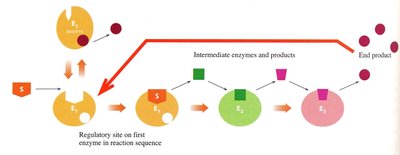
Feedback Control: A product of a pathway acts as an allosteric regulator of an enzyme earlier in the pathway. Negative feedback inhibits the enzyme, while positive feedback enhances its activity.
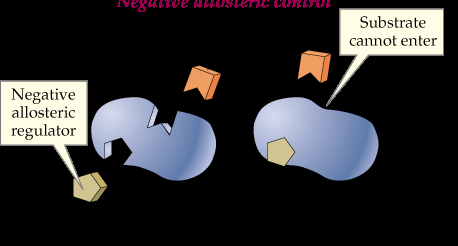
Allosteric Regulation: Binding of a regulator molecule at a site other than the active site alters enzyme activity. Positive regulators increase activity; negative regulators decrease it.
Covalent Modification: Addition or removal of functional groups (e.g., phosphorylation) changes enzyme activity.
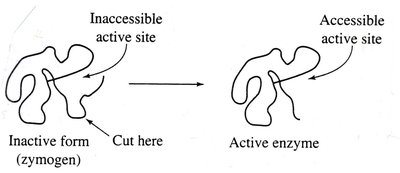
Zymogen Activation: Enzymes are synthesized in inactive forms (proenzymes) and activated by removal of a protein segment.
Genetic Control: Regulation of enzyme levels through gene expression.

Vitamins and Coenzymes
Classification of Vitamins
Vitamins are essential organic molecules required for various biological functions. They are classified based on their solubility:
Water-Soluble Vitamins: Hydrophilic, contain OH and COOH groups, not stored in the body, often form coenzymes. Examples: Vitamin C, B-complex vitamins.
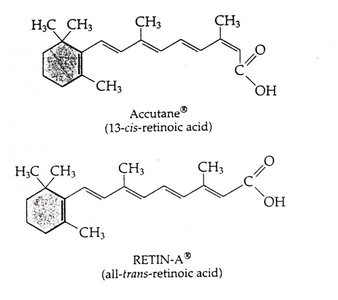
Fat-Soluble Vitamins: Hydrophobic, mainly composed of carbon and hydrogen, stored in the liver. Examples: Vitamins A, D, E, K.
Reason for Classification: Solubility affects storage, absorption, and toxicity. Water-soluble vitamins are excreted easily, while fat-soluble vitamins can accumulate and cause toxicity.
Biological Functions and Sources
Each vitamin has a specific biological function and source. Some are ingested as provitamins and converted to active forms in the body.
Vitamin | Alternate Name | Provitamin | Function | Source |
|---|---|---|---|---|
A | Retinol | β-carotene | Vision, cell growth, antioxidant | Carrots, dairy, liver |
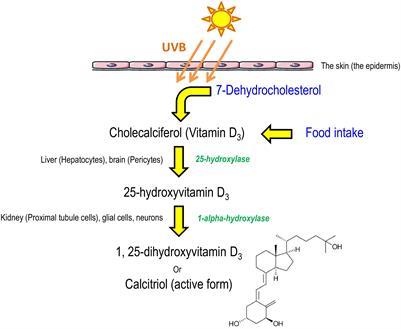
D | Calciferol | 7-Dehydrocholesterol | Bone health, Ca2+ absorption | Sunlight, fish, milk |
E | α-tocopherol | None | Antioxidant | Nuts, seeds, oils |
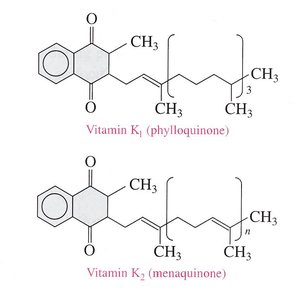
K | Phylloquinone | None | Blood clotting | Leafy greens, bacteria |
C | Ascorbic acid | None | Antioxidant, collagen synthesis | Citrus, vegetables |
B1 | Thiamine | None | Carbohydrate metabolism | Bread, milk, legumes |
B2 | Riboflavin | None | Redox reactions | Bread, milk, meat |
B3 | Niacin | None | Redox reactions | Meat, cereal, nuts |
B5 | Pantothenic acid | None | Acetyl group transfer | All foods |
B6 | Pyridoxine | None | Amino acid metabolism | Veggies, grains, meat |
B7 | Biotin | None | Carbohydrate/lipid metabolism | Eggs, meat, veggies |
B9 | Folic acid | None | Heme, nucleic acid synthesis | Leafy greens, bacteria |
B12 | Cobalamin | None | Methyl transfer, nucleic acid metabolism | Meat, milk, bacteria |
Coenzymes
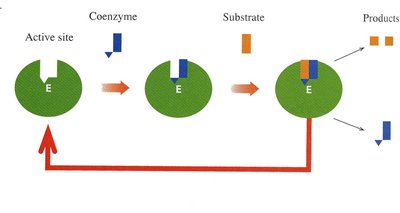
A coenzyme is an organic compound required for enzyme catalysis, often derived from water-soluble vitamins. Coenzymes participate in biochemical reactions by carrying atoms or electrons.
Vitamin | Coenzyme | Function |
|---|---|---|
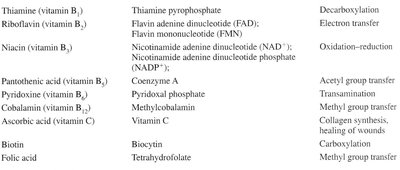
B1 (Thiamine) | Thiamine pyrophosphate (TPP) | Decarboxylation |
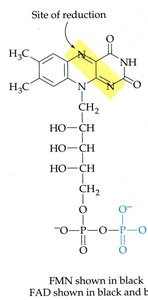
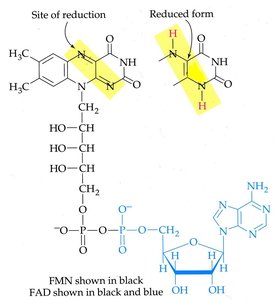
B2 (Riboflavin) | FAD, FMN | Electron transfer |
B3 (Niacin) | NAD+, NADP+ | Oxidation-reduction |
B5 (Pantothenic acid) | Coenzyme A | Acetyl group transfer |
B6 (Pyridoxine) | Pyridoxal phosphate (PLP) | Transamination |
B12 (Cobalamin) | Methylcobalamin | Methyl group transfer |
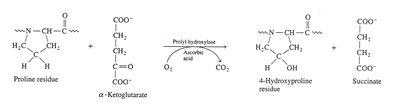
C (Ascorbic acid) | Vitamin C | Collagen synthesis, healing |
B7 (Biotin) | Biocytin | Carboxylation |
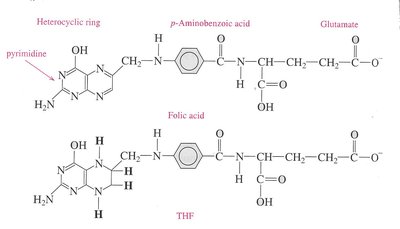
B9 (Folic acid) | Tetrahydrofolate (THF) | Methyl group transfer |
Diagnostic Enzymes and Serological Testing
Enzyme-Based Diagnostic Tests
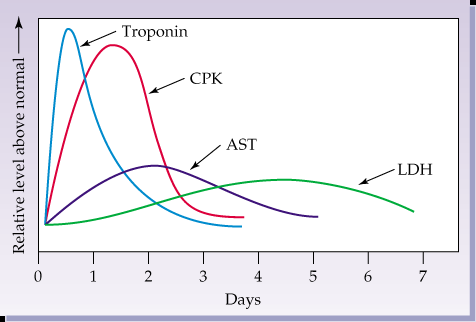
Enzyme activity in blood can be used to diagnose organ damage or disease. Specific enzymes are associated with particular organs:
Heart Attack: Creatine Kinase (CK), Aspartate Transaminase (AST), Lactate Dehydrogenase (LDH)
Liver Dysfunction: Alanine Transaminase (ALT), γ-Glutamyl transferase (GGT), Glutamate-pyruvate Transaminase (GPT)
Pancreas: α-amylase
Bone/Liver: Alkaline Phosphatase (ALP)
Prostate: Prostate Specific Antigen (PSA), Acid Phosphatase (AP)
Isozymes: Different quaternary forms of the same enzyme, tissue-specific, useful for pinpointing organ damage.
Lateral Flow Assay for COVID-19
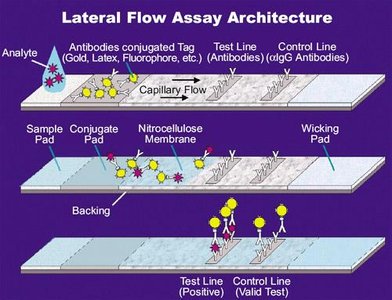
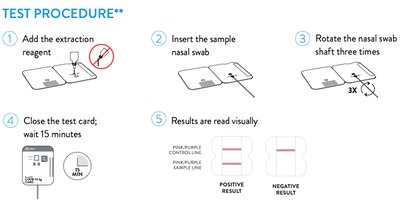
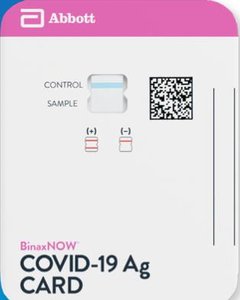
The lateral flow assay is a rapid diagnostic test for COVID-19, using antibodies (a class of protective proteins) to bind the spike protein of SARS-CoV-2. The test is visually read by the appearance of lines indicating positive or negative results.
Summary Table: Water-Soluble and Fat-Soluble Vitamins
Water-Soluble Vitamin | Co-factor Form | Basic Function |
|---|---|---|
Thiamine (B1) | Thiamine pyrophosphate | Decarboxylation |
Riboflavin (B2) | FAD, FMN | Electron transfer |
Niacin (B3) | NAD+, NADP+ | Oxidation-reduction |
Pantothenic acid (B5) | Coenzyme A | Acetyl group transfer |
Pyridoxine (B6) | Pyridoxal phosphate | Transamination |
Cobalamin (B12) | Methylcobalamin | Methyl group transfer |
Ascorbic acid (C) | Vitamin C | Collagen synthesis, healing |
Biotin | Biocytin | Carboxylation |
Folic acid | Tetrahydrofolate | Methyl group transfer |
Fat-Soluble Vitamin | Provitamin | Functions |
|---|---|---|
Vitamin A (retinol) | β-carotene | Vision, cell growth, antioxidant for lipids |
Vitamin D (calciferol) | 7-Dehydrocholesterol | Bone health, Ca2+ absorption |
Vitamin E (α-tocopherol) | None | Antioxidant, prevents oxidative damage |
Vitamin K (phylloquinone) | None | Blood clotting, bone metabolism |