 Back
Pathology of the Skeletal System: Sprains, Carpal Tunnel Syndrome, Bursitis, and Tendinitis
Study Guide - Smart Notes
 Tailored notes based on your materials, expanded with key definitions, examples, and context.
Pathology of the Skeletal System
Sprains
Sprains are a common injury involving the stretching or tearing of ligaments, which are strong bands of connective tissue that connect bones at joints. Due to the poor blood supply to ligaments, sprains often take a long time to heal.
Causes: Sudden twisting or impact that forces a joint beyond its normal range.
Symptoms: Internal bleeding, bruising, swelling, pain, and restricted movement.
Treatment: The recommended approach is "RICE":
Rest: Avoid using the affected joint.
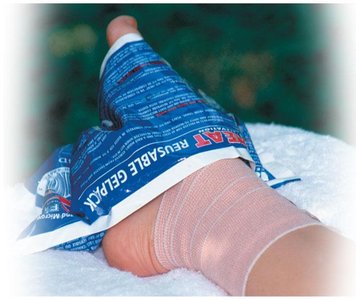
Ice: Apply cold packs to reduce swelling and pain.
Compression: Use bandages to limit swelling.
Elevation: Keep the injured area raised above heart level.
Carpal Tunnel Syndrome (CTS)
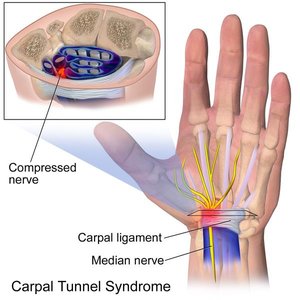
Carpal Tunnel Syndrome is a repetitive strain injury primarily caused by activities such as typing. It affects the wrist, where the carpal bones are held together by a sheath of connective tissue. The median nerve, blood vessels, and tendons pass through this sheath in a space called the carpal tunnel.
Pathophysiology: Overuse leads to inflammation of the tendons, which compresses the median nerve.
Symptoms:
Early: Pain, tingling, and numbness in the hand and wrist, especially in the thumb, index, and middle fingers.
Progression: Decreased grip strength, difficulty making a fist, and trouble grasping small objects.
Other facts: Women are three times more likely to develop CTS; the dominant hand is usually affected first; higher risk in adults and those with diabetes or metabolic disorders.
Treatment:
Non-Surgical: Anti-inflammatory medications, steroid injections, strengthening and stretching exercises, and alternative therapies (yoga may improve grip strength and reduce pain).
Surgical: Carpal tunnel release (severing the band of tissue to relieve pressure), recommended if symptoms persist for more than 6 months. Recurrence is rare and most patients recover fully.
Bursitis
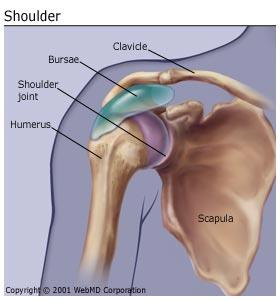
Bursitis is the inflammation of a bursa, which is a sac filled with lubricating fluid that reduces friction between tissues of the body. It commonly occurs due to overuse, sudden injury, or prolonged pressure on a joint.
Pathophysiology: The bursa fills with excess fluid, causing pressure on surrounding tissues.
Symptoms: Pain, swelling, inflammation, tenderness, restricted movement, and muscle weakness due to joint pain.
Causes: Older age, manual labor, athletic activity.
Treatment:
Ice for the first 24 hours, followed by heat.
Rest and over-the-counter pain relievers.
Steroid injections and removal of excess fluid.
Physical therapy and ultrasound.
Tendinitis
Tendinitis is the inflammation of a tendon, which connects muscle to bone. Due to the poor blood supply to tendons, healing is often slow. The knees and shoulders are most commonly affected.
Symptoms: Pain, swelling, and inflammation.
Treatment: Ice followed by heat, rest, pain relievers, and anti-inflammatory medications.
Summary Table: Comparison of Joint Pathologies
Condition | Main Structure Affected | Symptoms | Treatment |
|---|---|---|---|
Sprain | Ligament | Bruising, swelling, pain | RICE (Rest, Ice, Compression, Elevation) |
Carpal Tunnel Syndrome | Median nerve (wrist) | Pain, tingling, numbness, decreased grip | Medications, exercises, surgery |
Bursitis | Bursa | Pain, swelling, restricted movement | Ice/heat, rest, pain relievers, steroids |
Tendinitis | Tendon | Pain, swelling, inflammation | Ice/heat, rest, anti-inflammatory meds |
Additional info:
Ligaments, tendons, and bursae are all connective tissues critical to joint function.
Inflammatory conditions of these tissues often result from overuse, injury, or age-related degeneration.
Prompt treatment and rest are essential to prevent chronic disability.
