 Back
Cell Cycle, Chromosomes, Sex Determination, and Meiosis: Study Guide for Introductory Biology
Study Guide - Smart Notes
 Tailored notes based on your materials, expanded with key definitions, examples, and context.
Cell Cycle and Mitosis
Overview of the Cell Cycle
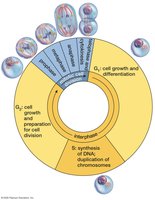
The cell cycle is the series of events that cells undergo as they grow and divide. It consists of interphase (G1, S, G2 phases) and the mitotic phase (mitosis and cytokinesis).
G1 phase: Cell growth and differentiation.
S phase: Synthesis of DNA; duplication of chromosomes.
G2 phase: Cell growth and preparation for cell division.
Mitosis: Division of the nucleus, followed by cytokinesis (division of the cytoplasm).
Stages of Mitosis
Mitosis is divided into four main stages:
Prophase: Chromosomes condense, spindle fibers form.
Metaphase: Chromosomes align at the cell's equator.
Anaphase: Sister chromatids are pulled apart to opposite poles.
Telophase: Nuclear membranes reform, chromosomes decondense.
Cytokinesis: Cytoplasm divides, forming two daughter cells.
Chromosomes and Genetic Terminology
Structure and Function of Chromosomes
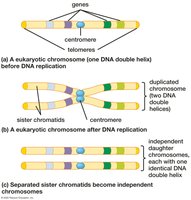
Chromosomes are structures made of DNA and proteins that carry genetic information. Each chromosome contains a specific set and order of genes.
Humans are diploid (2n): They inherit 23 chromosomes from each parent, totaling 46 chromosomes.
22 pairs are autosomes; 1 pair is sex chromosomes (XX or XY).
Homologous Chromosomes
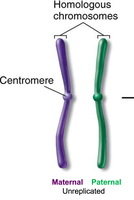
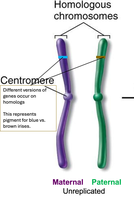
Homologous chromosomes are matched pairs, one from each parent, carrying the same genes but possibly different versions (alleles).
Centromere: The region where sister chromatids are joined.
Maternal and paternal chromosomes: Each homolog is inherited from a different parent.
Genes and Alleles
Genes are specific sequences of DNA located on chromosomes. Alleles are different versions of a gene, responsible for variations in traits such as eye color, hemoglobin type, and more.
Alleles can lead to observable differences, such as sickle cell anemia or tongue rolling ability.
Sex Determination Systems
Genetic Sex vs. Gender
In genetics, sex refers to the combination of sex chromosomes (XX, XY, XXY, XYY, etc.). Gender is a social and psychological concept and does not necessarily align with genetic sex.
XX: Female
XY: Male
Other combinations (XXY, XYY) can occur due to chromosomal variations.
Sex Determination in Other Organisms
Sex determination systems vary across species:
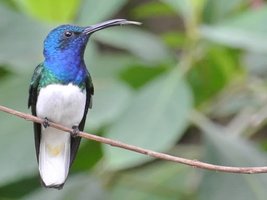
Birds: ZZ (male), ZW (female)
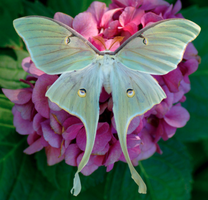
Moths: ZZ (male), Z0 (female)
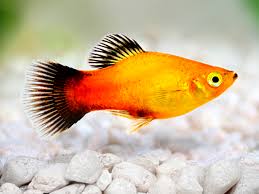
Platyfish: X, Y, W chromosomes; multiple combinations for sex determination
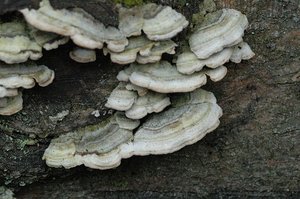
Fungi (Trichaptum genus): Thousands of distinct sexes
Environmental and Other Factors in Sex Determination
Some species do not use chromosomes for sex determination.
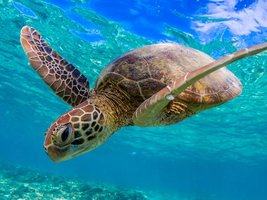
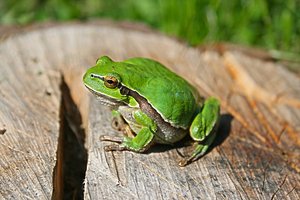
Reptiles and amphibians: Sex is determined by temperature during egg incubation.
Hermaphroditic species: Can transition from one sex to another during their lifetime.
Parasitic Influence on Sex Determination
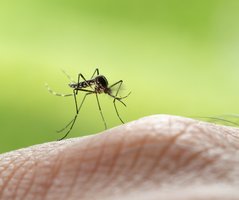
The Wolbachia bacterium can alter sex determination in mosquito hosts, favoring infected female development and increasing the spread of the bacterium.
Infected females produce only infected offspring.
Wolbachia can kill male embryos or convert genetic males into functional females.
Sexual Reproduction and Meiosis
Sexual vs. Asexual Reproduction
Sexual reproduction produces genetic variability, while asexual reproduction (via mitosis) produces clones.
Asexual reproduction: One parent, genetically identical offspring.
Sexual reproduction: Two parents, offspring with unique genetic combinations.
Fertilization and Gametes
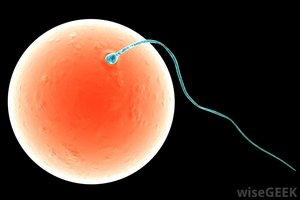
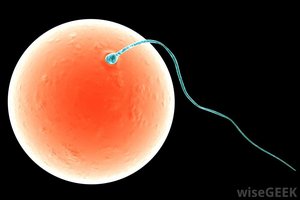
Sexual reproduction requires fertilization of an egg by a sperm. Two types of cell division are involved:
Mitosis: For growth, maintenance, and repair.
Meiosis: For producing gametes (egg and sperm).
Meiosis: Process and Purpose
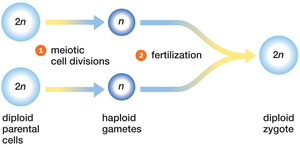
Meiosis occurs only in gametocytes (primary oocytes and spermatocytes) and reduces chromosome number from diploid (2n) to haploid (n).
Ensures offspring have the correct chromosome number after fertilization.
Restores diploid state:
Genetic Variation in Meiosis
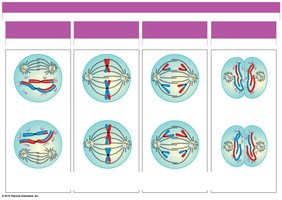
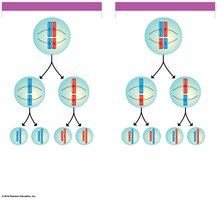
Meiosis introduces genetic variation through independent assortment and crossing over.
Independent assortment: Random arrangement of chromosomes during metaphase I.
Crossing over: Exchange of genetic material between homologous chromosomes during prophase I.
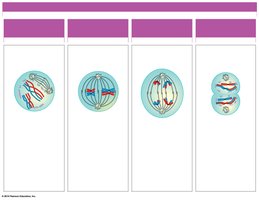
Stages of Meiosis
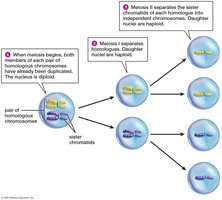
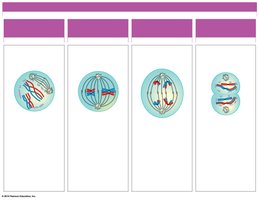
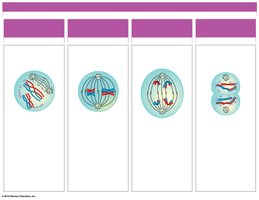
Meiosis consists of two divisions: Meiosis I and Meiosis II.
Meiosis I: Separates homologous chromosomes.
Meiosis II: Separates sister chromatids.
Genetic Variation: Independent Assortment and Crossing Over
The arrangement of chromosomes during metaphase I leads to millions of possible combinations.
Humans have 23 pairs of chromosomes: million combinations.
Crossing over increases variation beyond independent assortment.
Summary Table: Sex Determination Systems
Organism | Sex Chromosomes | Sex Determination |
|---|---|---|
Humans | XX, XY | Genetic |
Birds | ZZ, ZW | Genetic |
Moths | ZZ, Z0 | Genetic |
Platyfish | X, Y, W | Genetic |
Fungi (Trichaptum) | Multiple | Genetic |
Reptiles | None | Temperature |
Amphibians | None | Temperature |
Hermaphroditic species | Varies | Transition during lifetime |
Mosquito (Wolbachia) | Varies | Parasitic influence |
Key Equations
Restoration of diploid state:
Independent assortment: possible combinations (n = number of chromosome pairs)
Conclusion
Understanding the cell cycle, chromosome structure, sex determination, and meiosis is fundamental to biology. These processes ensure genetic diversity and proper inheritance of traits, forming the basis for evolution and population variability. Additional info: Academic context was added to clarify the stages of meiosis, the significance of genetic variation, and the diversity of sex determination systems across life forms.
