 Back
Infectious Agents and Immunity: Study Notes for Introductory Biology
Study Guide - Smart Notes
 Tailored notes based on your materials, expanded with key definitions, examples, and context.
Infectious Diseases
Overview of Infectious Agents
Infectious diseases are caused by a variety of agents that invade tissues and induce damage. These agents differ from genetic diseases, which are caused by malfunctioning genes. Infectious agents include viruses, prions, bacteria, and eukaryotic pathogens such as protists and fungi.
Pathogens: Disease-causing organisms, including viruses, bacteria, eukaryotes, and prions.
Parasites: Organisms that obtain nutrients and shelter from a host while contributing nothing to the host's survival.
Microbes: Microscopic organisms, including bacteria and viruses.
Contagious pathogens: Pathogens that can spread from one organism to another.
Viruses
Structure and Properties of Viruses
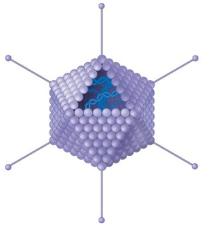
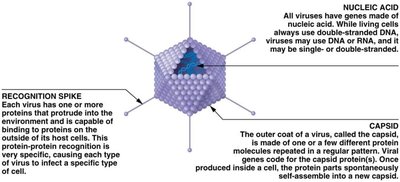
Viruses are infectious agents composed of nucleic acid surrounded by a protein coat called a capsid. Most biologists do not consider viruses to be alive because they lack cells and cannot reproduce independently. Viruses must infect living cells and use the host's machinery to replicate.
Capsid: The protein coat that surrounds the viral nucleic acid.
Nucleic Acid: Can be DNA or RNA, single- or double-stranded.
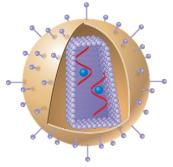
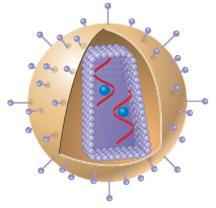
Recognition Spikes: Proteins that protrude from the capsid and bind to host cell proteins, determining host specificity.
Examples of Viral Diseases
AIDS: Caused by HIV, a retrovirus with an RNA genome. HIV targets immune cells and is transmitted through bodily fluids.
Common Cold: Caused by many viruses, most commonly rhinovirus.
Ebola: Transmitted via direct contact with bodily fluids.
Mononucleosis: Caused by Epstein-Barr virus, transmitted in saliva.
Zika: Transmitted by mosquitoes and sexual contact.
Viral Structure and Host Range
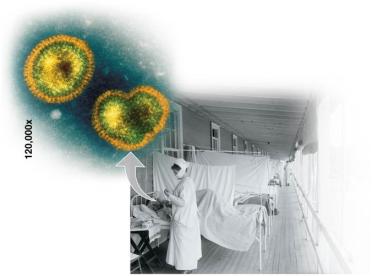
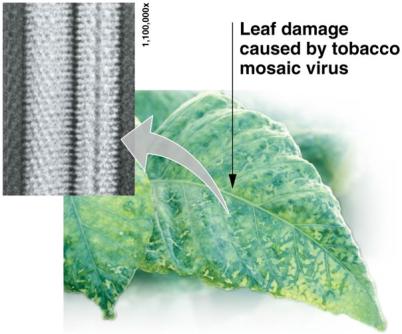
Viruses can infect a broad variety of animals and plants. Their structure varies, with some having envelopes and others being non-enveloped.
HIV: Human Immunodeficiency Virus
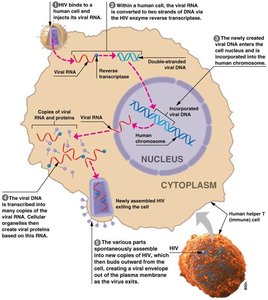
HIV is a retrovirus that cripples the human immune system. It uses the enzyme reverse transcriptase to convert its RNA genome into DNA, which is then integrated into the host cell's genome. The host cell machinery is hijacked to produce new viral particles.
Reverse Transcriptase: Enzyme used by HIV to convert RNA into DNA.
Life Cycle: Involves binding to host cells, reverse transcription, integration, and production of new viruses.
Human Papillomavirus (HPV)
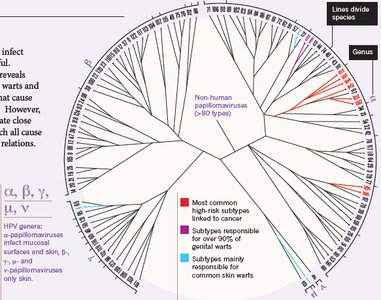
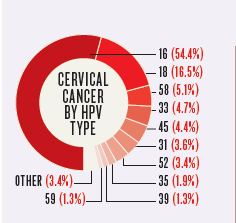
HPV is a small DNA virus without an envelope. It is species-specific and responsible for most cases of cervical cancer, as well as other cancers. Vaccines target the coat proteins and E7 proteins to prevent infection and cancerous growths.
HPV Transmission: Sexually transmitted.
HPV Vaccines: Effective in preventing cervical and other cancers.
West Nile Virus
Transmission and Replication
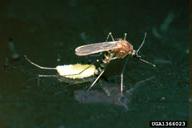
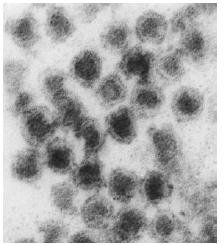
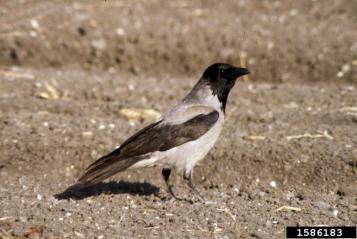
West Nile Virus is a flavivirus transmitted by mosquitoes (Culex pipiens) between birds and humans. It causes neurological disease in humans. Birds act as reservoirs, accumulating high viral titers in their blood.
Horizontal Transmission: Mosquito to bird cycle.
Vertical Transmission: Adult female mosquito to her eggs.
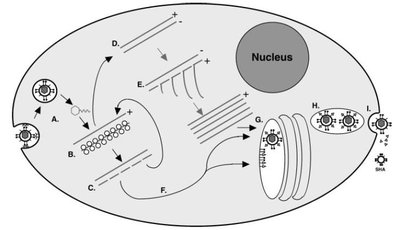
Replication Cycle: Involves attachment, translation, cleavage, RNA replication, encapsidation, and release.
Prions
Structure and Diseases
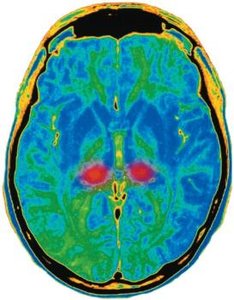
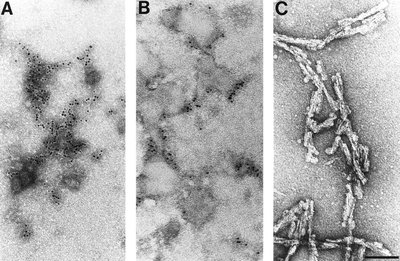
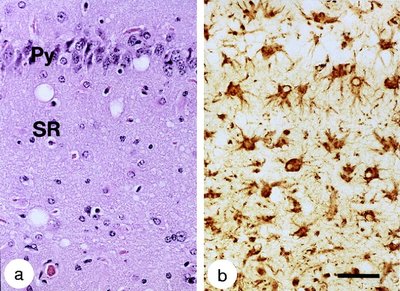
Prions are infectious protein particles without nucleic acid components. They cause diseases such as Kuru, Scrapie, Creutzfeldt-Jakob disease (CJD), and Bovine Spongiform Encephalopathy (BSE). Prion diseases are characterized by long incubation times and resistance to treatments that denature regular proteins.
Prion Structure: Misshapen versions of normal brain proteins.
Transmission: Can occur through contaminated food or medical instruments.
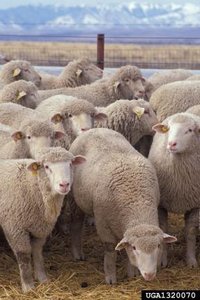
Scrapie: Affects sheep, causing intense itching.
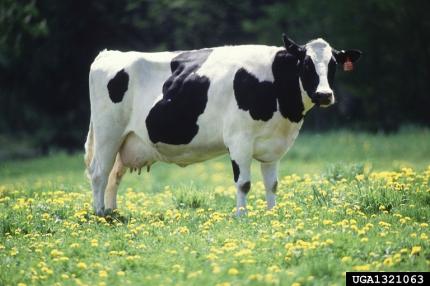
BSE: Affects cows, transmitted through contaminated feed.


Bacteria
Structure and Diversity
Bacteria are prokaryotes with small, simple cells. They are found everywhere and can be harmful or beneficial. Nearly all bacteria have a cell wall, and many are mobile via flagella. Some can form endospores for survival in harsh conditions. Bacteria reproduce by binary fission, leading to rapid population growth.
Shapes: Cocci (spherical), Bacilli (rod-shaped), Spiral/curved.
Biofilms: Organized colonies attached to surfaces.
Helpful and Harmful Bacteria
Helpful: Nitrogen-fixers, decomposers, sewage treatment, bioremediation.
Harmful: Pathogenic bacteria cause diseases such as botulism, E. coli infection, staph infection, tuberculosis.
Bacterial Diseases and Treatment
Antibiotics: Used to treat bacterial infections; resistance can develop.
Vaccines: DPT for diphtheria, pertussis, tetanus; meningitis vaccine.
Eukaryotic Pathogens
Protists, Worms, and Fungi
Eukaryotic pathogens include single-celled protozoans, worms, and fungi. Protozoans are spread by contaminated water and food, while worms are transmitted by poor sanitation or contaminated meat. Fungi damage tissues by secreting digestive enzymes.
Protozoan Diseases: Giardiasis (caused by Giardia lamblia), Malaria (caused by Plasmodium falciparum), Chagas disease (caused by Trypanosoma cruzi).
Worm Diseases: Schistosomiasis, Tapeworm infection.
Fungal Diseases: Athlete's foot, candidiasis.
Immunity
Immune System Defenses
The immune system protects against pathogens using a variety of defenses, including external barriers, the inflammatory response, the lymphatic system, and white blood cells.
External Barriers: Skin, mucous membranes, hairs, cilia, gastric juice.
Inflammatory Response: Phagocytes engulf and destroy bacteria.
Lymphatic System: Lymph nodes filter microbes; lymphocytes attack invaders.
Specific Immunity: B cells and T cells recognize antigens and produce antibodies.
Clonal Selection: Rapid multiplication of lymphocytes upon antigen exposure.
Memory Cells: Provide long-term immunity after exposure or vaccination.
Vaccination
Vaccines use components of pathogens to stimulate the immune system and produce memory cells, conferring long-term protection. Some vaccines require multiple doses or yearly updates due to mutations.
Summary Table: Types of Infectious Agents and Examples
Agent Type | Example Disease | Transmission |
|---|---|---|
Virus | HIV/AIDS, Influenza, HPV | Bodily fluids, airborne, sexual contact |
Prion | Scrapie, BSE, CJD | Contaminated food, medical instruments |
Bacteria | Strep throat, Tuberculosis, E. coli infection | Airborne, contaminated food/water, direct contact |
Protist | Malaria, Giardiasis | Insect vector, contaminated water |
Fungi | Athlete's foot, Candidiasis | Direct contact, environmental exposure |
Key Equations and Concepts
Binary Fission (Bacterial Reproduction): Where is the final number of bacteria, is the initial number, and is the number of generations.
Odds Ratio (Vaccine Effectiveness):
Review Questions
What are the main types of infectious agents?
How do viruses differ from bacteria?
What is the role of vaccines in immunity?
How are prion diseases transmitted?
What are examples of diseases caused by eukaryotic pathogens?
Additional info: Academic context was added to clarify the structure, transmission, and impact of infectious agents, as well as the mechanisms of immunity and vaccination.
