 Back
BackChapter 14: Acids and Bases – Study Notes
Study Guide - Smart Notes
 Tailored notes based on your materials, expanded with key definitions, examples, and context.
Acids and Bases
Introduction to Acids and Bases
Acids and bases are two fundamental categories of compounds in chemistry, each with distinct properties and important roles in chemical reactions and everyday life. This chapter explores their properties, definitions, reactions, and quantitative aspects.
Properties of Acids
General Properties
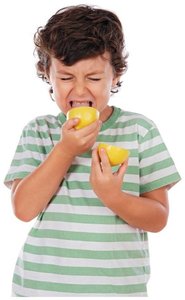
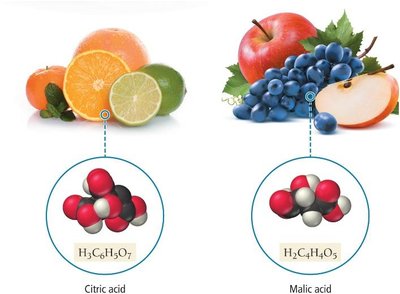
Sour taste: Many acids, such as citric acid in lemons, have a characteristic sour taste.
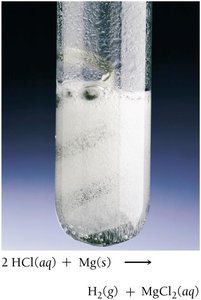
Reaction with metals: Acids can dissolve many metals, producing hydrogen gas.
Effect on indicators: Acids turn blue litmus paper red.
Common Acids and Their Uses
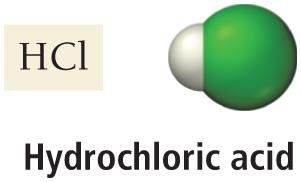
Hydrochloric acid (HCl): Found in stomach acid, used in cleaning metals and food processing.
Sulfuric acid (H2SO4): Used in fertilizers, batteries, and manufacturing.
Nitric acid (HNO3): Used in explosives and dyes.
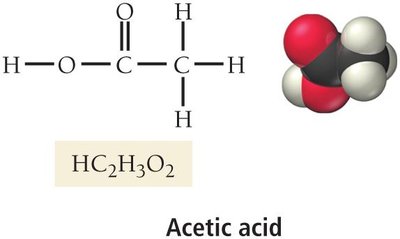
Acetic acid (HC2H3O2): Responsible for the sour taste of vinegar.
Carboxylic Acids
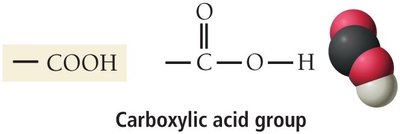
Carboxylic acids contain the carboxyl group (–COOH) and are common in biological systems.
Properties of Bases
General Properties
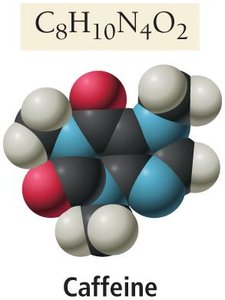
Bitter taste: Bases often taste bitter (e.g., caffeine in coffee).
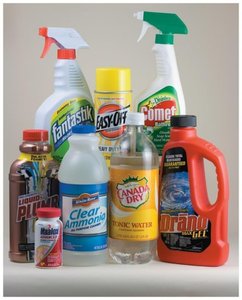
Slippery feel: Bases feel slippery because they react with oils on skin to form soap-like substances.
Effect on indicators: Bases turn red litmus paper blue.
Common Bases and Their Uses
Sodium hydroxide (NaOH): Used in soap and drain cleaners.
Potassium hydroxide (KOH): Used in manufacturing and cleaning.
Sodium bicarbonate (NaHCO3): Baking soda, used as an antacid.
Definitions of Acids and Bases
Arrhenius Definition
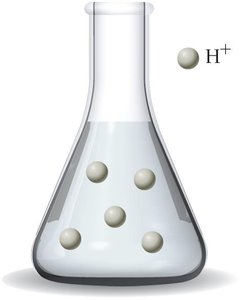
Acid: Produces H+ ions in aqueous solution.
Base: Produces OH− ions in aqueous solution.
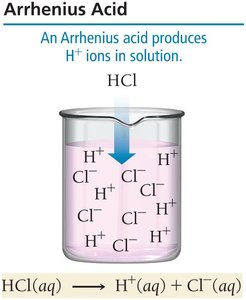
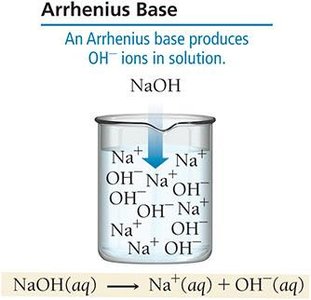
Brønsted–Lowry Definition
Acid: Proton (H+) donor.
Base: Proton (H+) acceptor.
This definition applies to a wider range of reactions, including those not in water.
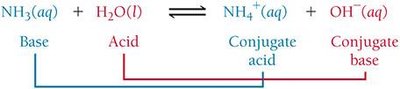
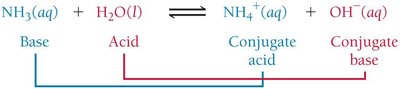
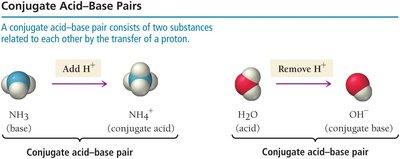
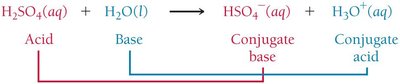
Conjugate Acid-Base Pairs
In Brønsted–Lowry reactions, acids and bases form conjugate pairs, differing by one proton.
Reactions of Acids and Bases
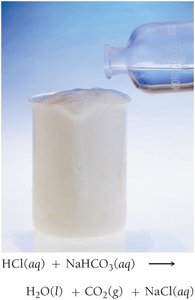
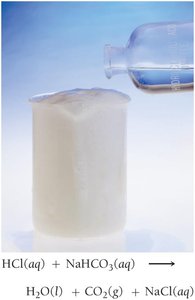
Neutralization Reactions
When an acid reacts with a base, water and a salt are formed. The general equation is:
Net ionic equation for many neutralizations:
Acid Reactions with Metals and Metal Oxides
Acid + Metal: Produces hydrogen gas and a salt.
Acid + Metal Oxide: Produces water and a salt.
Acid–Base Titration
Principle of Titration
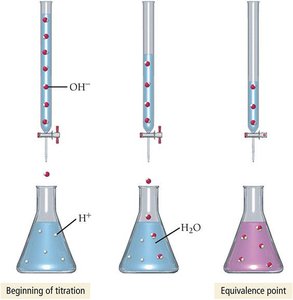
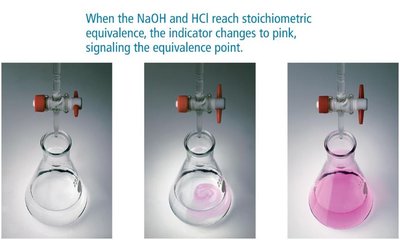
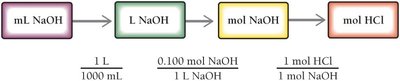
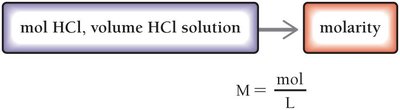
Titration is a laboratory technique to determine the concentration of an unknown acid or base by reacting it with a solution of known concentration.
Strong and Weak Acids and Bases
Strong Acids
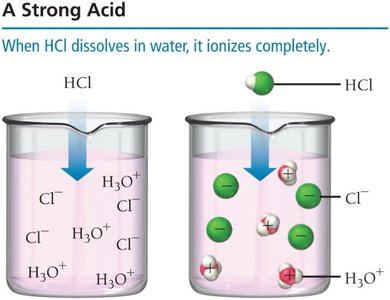
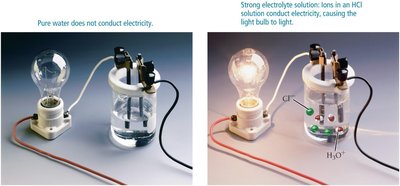
Strong acids completely ionize in solution. Examples include HCl, HNO3, HBr, HClO4, HI, and H2SO4 (first proton only).
Weak Acids
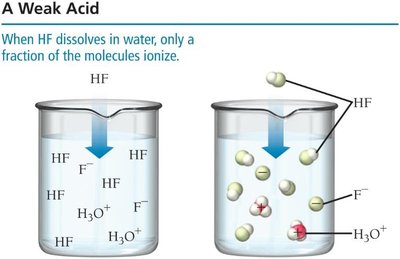
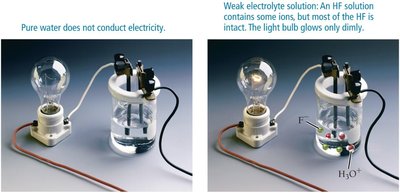
Weak acids only partially ionize in solution. Examples include HF, acetic acid, and carbonic acid.
Strong Bases
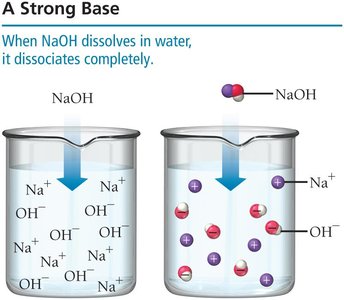
Strong bases completely dissociate in solution. Examples include NaOH, KOH, Ba(OH)2, Sr(OH)2, Ca(OH)2, LiOH.
Weak Bases
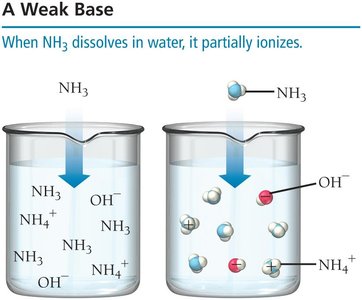
Weak bases only partially react with water to produce OH−. Ammonia (NH3) is a common weak base.
Self-Ionization of Water and the Ion Product Constant
Self-Ionization of Water
Water can act as both an acid and a base, producing small, equal concentrations of H3O+ and OH− in pure water.

Ion Product Constant for Water (Kw)
At 25°C:
The pH Scale
Definition and Interpretation
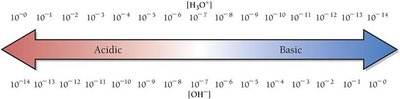
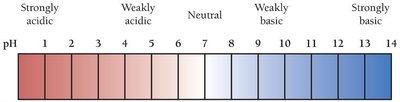
The pH scale expresses the acidity or basicity of a solution based on the concentration of H3O+ ions.
pH < 7: Acidic
pH = 7: Neutral
pH > 7: Basic
Calculating pH
The pH is calculated as:
To find [H3O+] from pH:
Buffers
Definition and Function
A buffer is a solution containing significant amounts of both a weak acid and its conjugate base. Buffers resist changes in pH when small amounts of acid or base are added.
Chemistry and Health Connections
Alkaloids
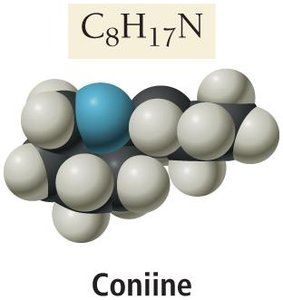
Alkaloids are organic bases found in plants, often with medicinal or toxic properties (e.g., morphine, caffeine, coniine).
Antifreeze Poisoning
Ethylene glycol (antifreeze) is metabolized to glycolic acid, which can overwhelm the blood's buffer system, leading to dangerous drops in blood pH.
Summary Table: Strong and Weak Acids and Bases
Type | Examples | Ionization/Dissociation |
|---|---|---|
Strong Acid | HCl, HNO3, H2SO4 (1st proton), HBr, HI, HClO4 | Complete |
Weak Acid | HF, CH3COOH, H2CO3 | Partial |
Strong Base | NaOH, KOH, Ba(OH)2, Sr(OH)2 | Complete |
Weak Base | NH3, C5H5N | Partial |
Key Equations and Concepts
Neutralization:
Ion product of water:
pH calculation:
[H3O+] from pH:
