Back
BackChem 1120 Final Exam Study Guide – Step-by-Step Guidance
Study Guide - Learn with Videos
 Curated lessons matched to your uploaded material – learn every topic step by step.
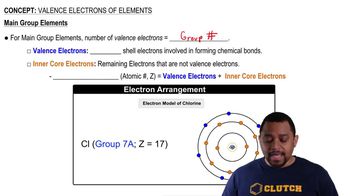
Valence Electrons of Elements (Simplified)
- Guided course
 01:14
01:14
- Guided course 01:55
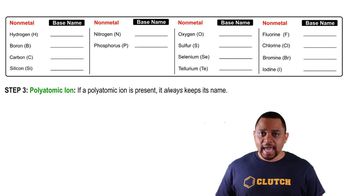
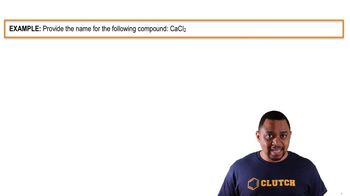
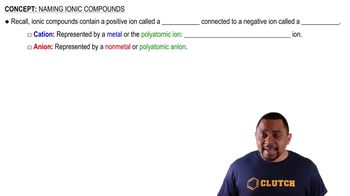
Naming Ionic Compounds
- Guided course 01:52
- Guided course 01:01
- Guided course 02:11
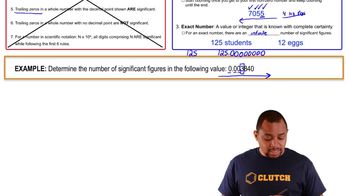
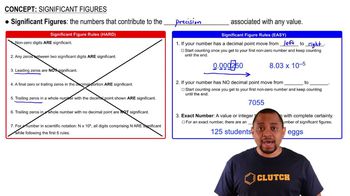
Significant Figures (Simplified)
- Guided course 01:09
- Guided course 00:58
- Guided course 04:40
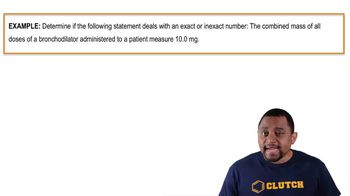
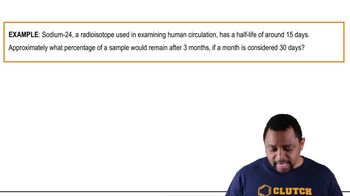
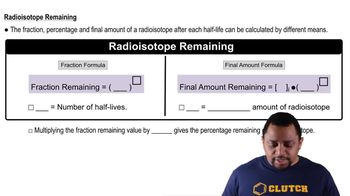
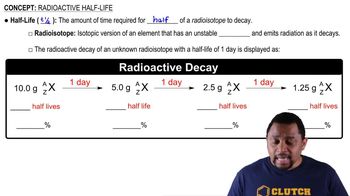
Radioactive Half-Life
- Guided course 01:06
- Guided course 01:28
- Guided course 02:09
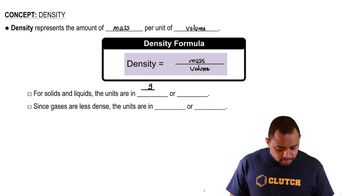
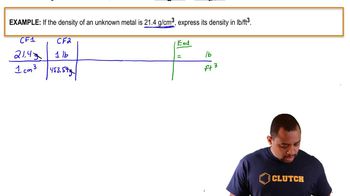
Density
- Guided course 01:56
- Guided course 05:30
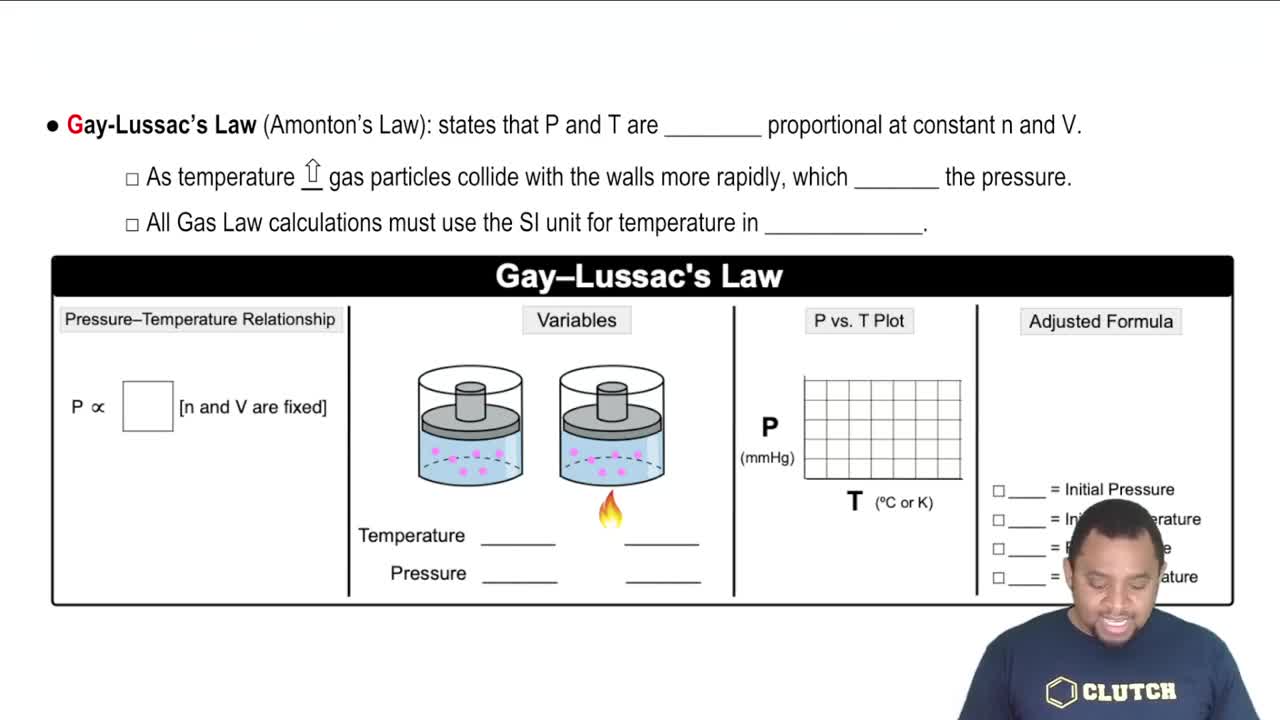
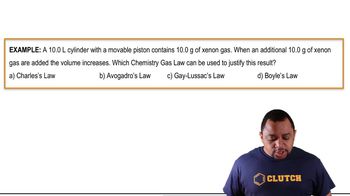
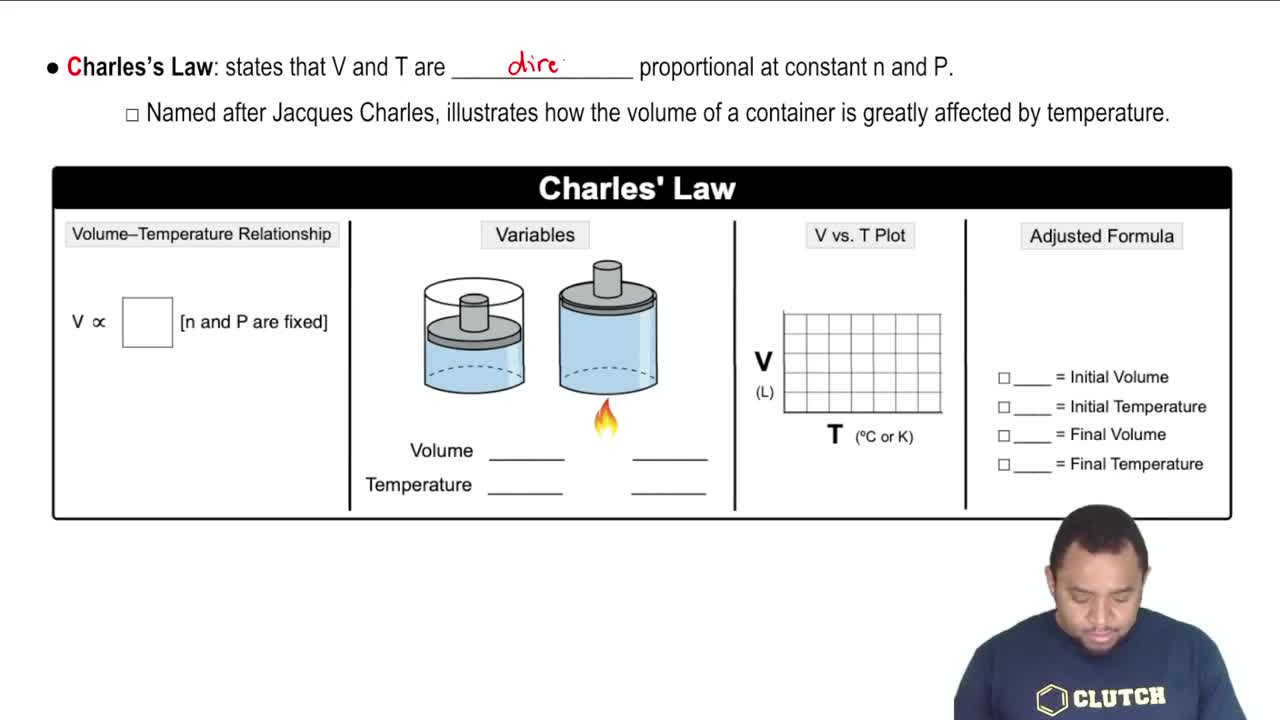
Chemistry Gas Laws
- Guided course 03:20
- Guided course 01:14
- Guided course 02:06
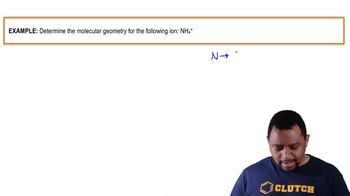
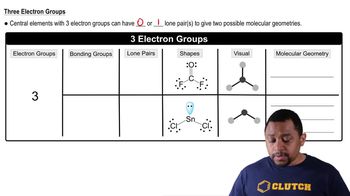
Molecular Geometry (Simplified)
- Guided course 01:41
- Guided course 02:03
- Guided course 01:32
Intermolecular Forces (Simplified)
- Guided course 06:36
- Guided course 01:54
- Guided course 02:25
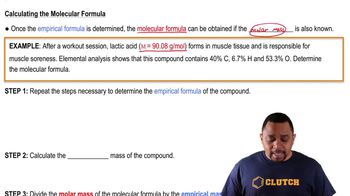
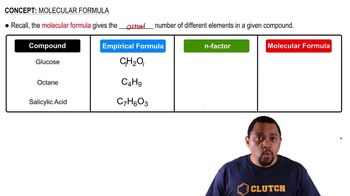
Molecular Formula
- Guided course 05:03
- Guided course 02:08
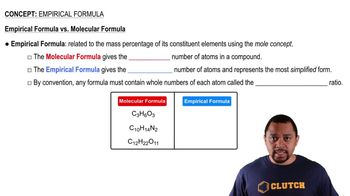
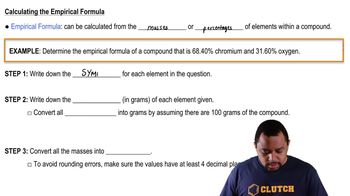
Empirical Formula
- Guided course 02:26
- Guided course 05:11
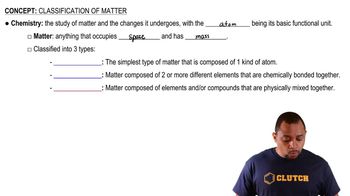
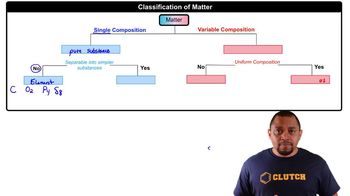
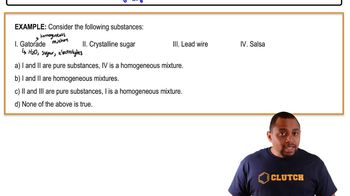
Classification of Matter
- Guided course 01:34
- Guided course 04:19
- Guided course 02:58
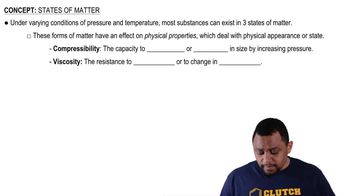
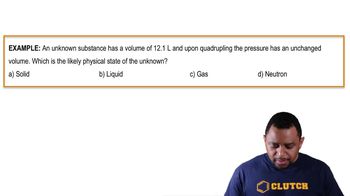
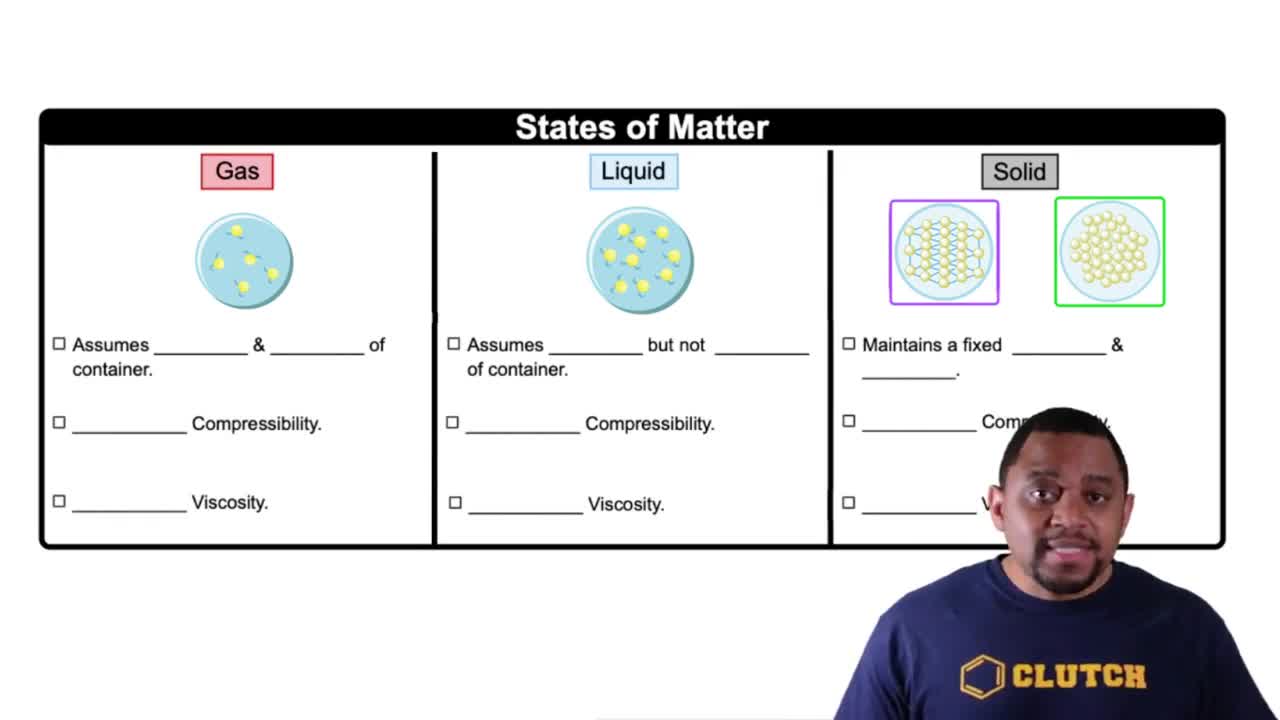
States of Matter
- Guided course 01:35
- Guided course 01:01
- Guided course 02:23
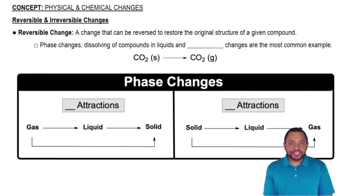
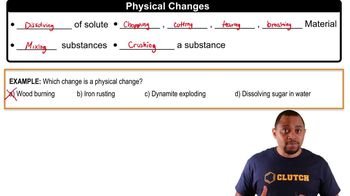
Physical & Chemical Changes
- Guided course 01:52
- Guided course 03:42
- Guided course 01:52
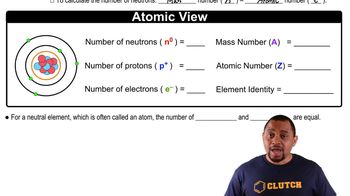
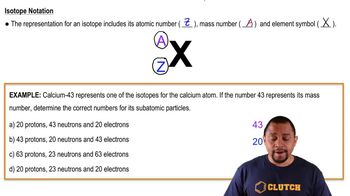
Isotopes
- Guided course 04:36
- Guided course 03:57
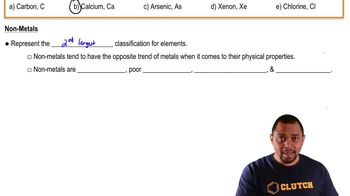
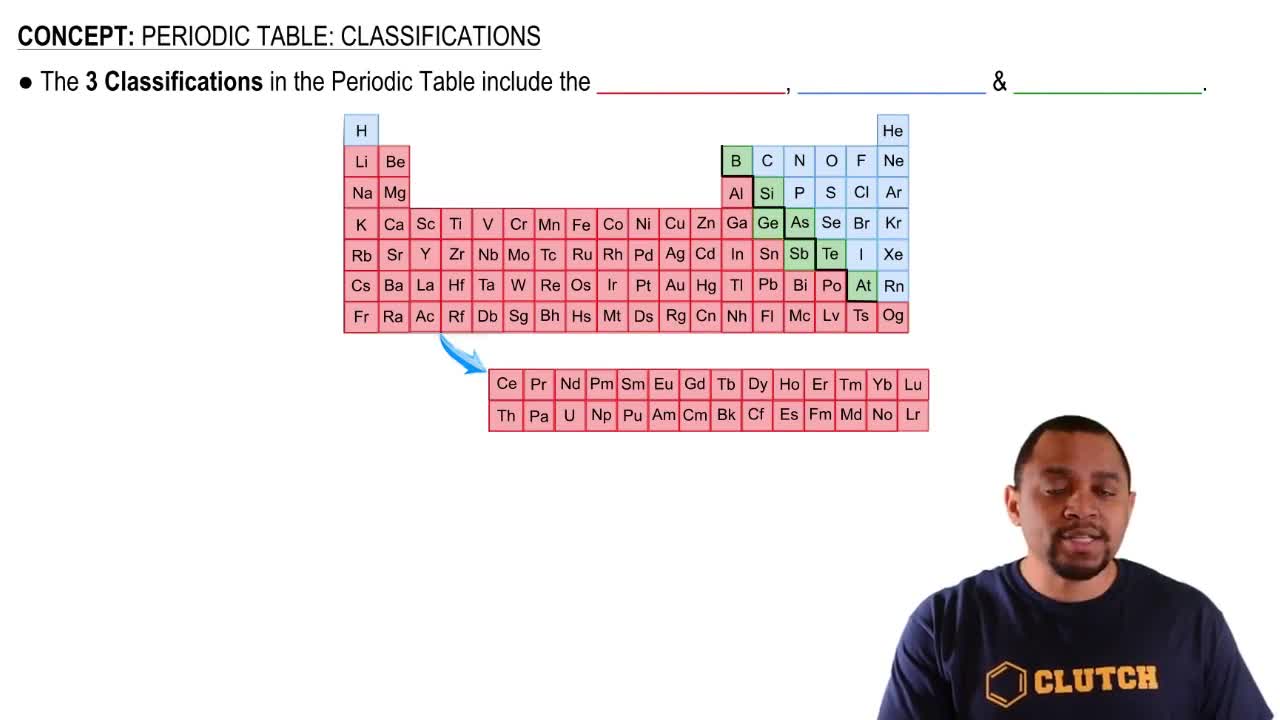
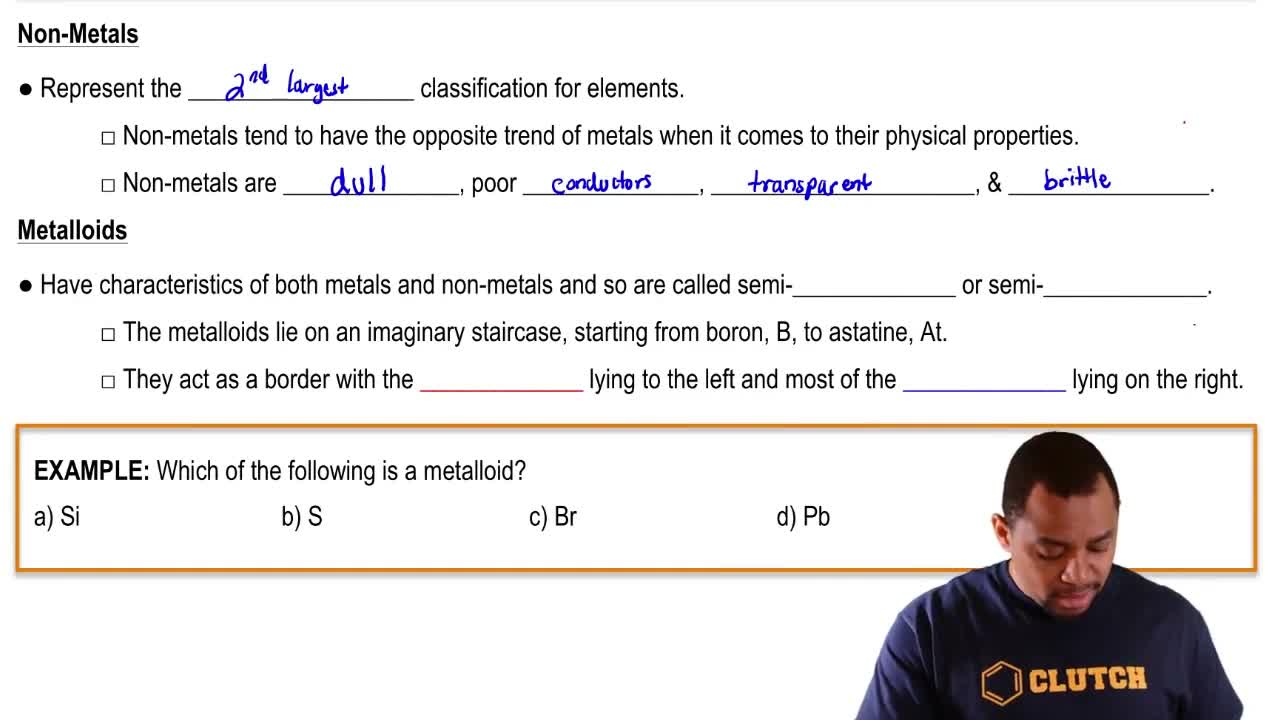
Periodic Table: Classifications
- Guided course 01:12
- Guided course 02:40
- Guided course 03:37
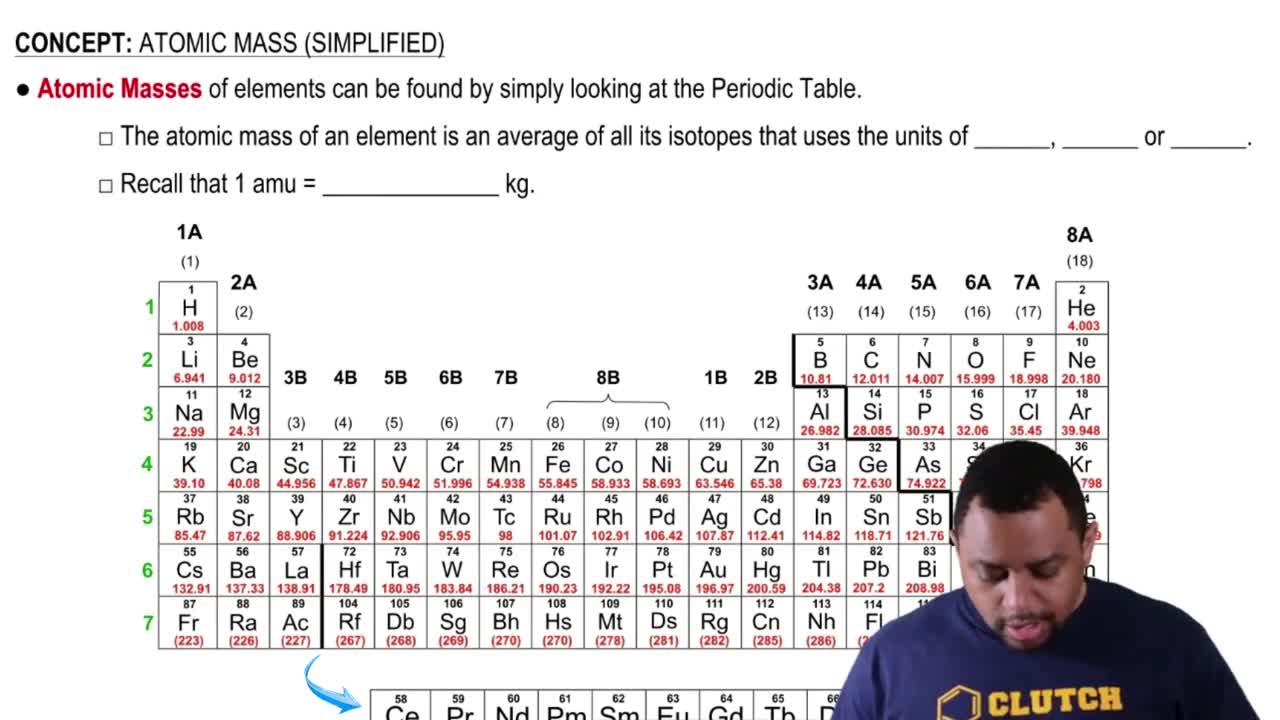
Atomic Mass (Simplified)
- Guided course 01:51
- Guided course 01:13
- Guided course 02:06
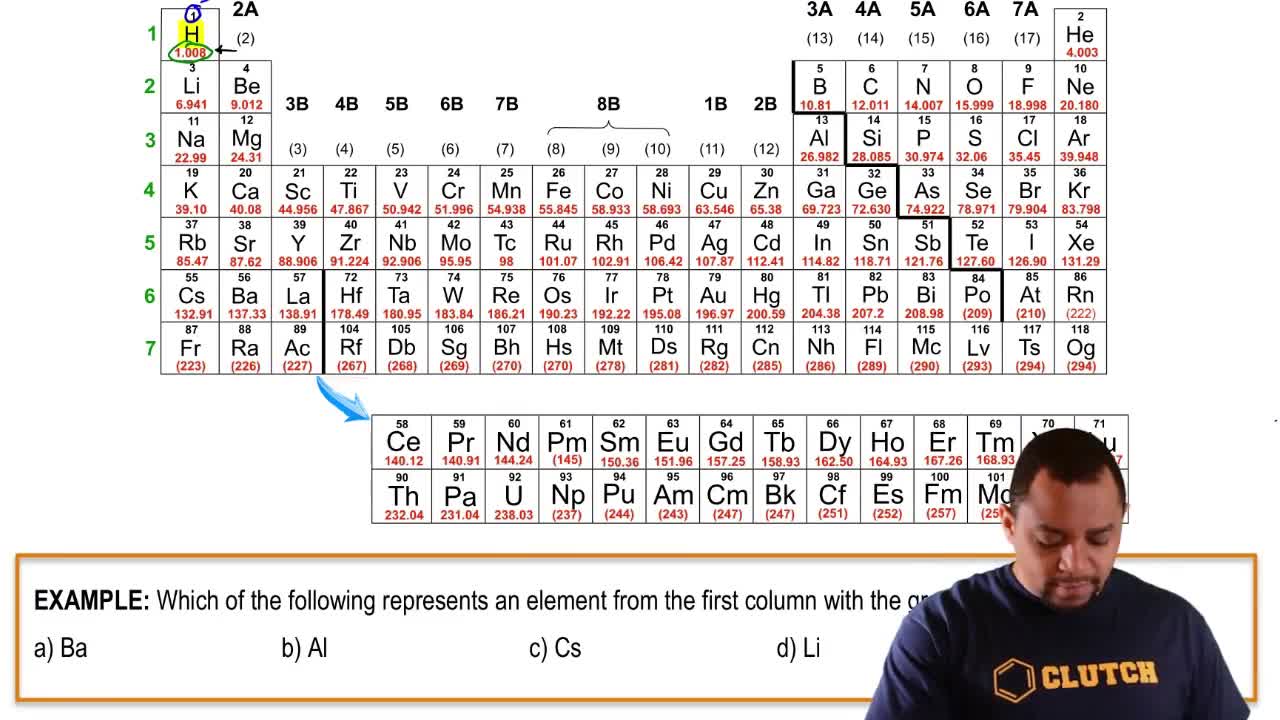
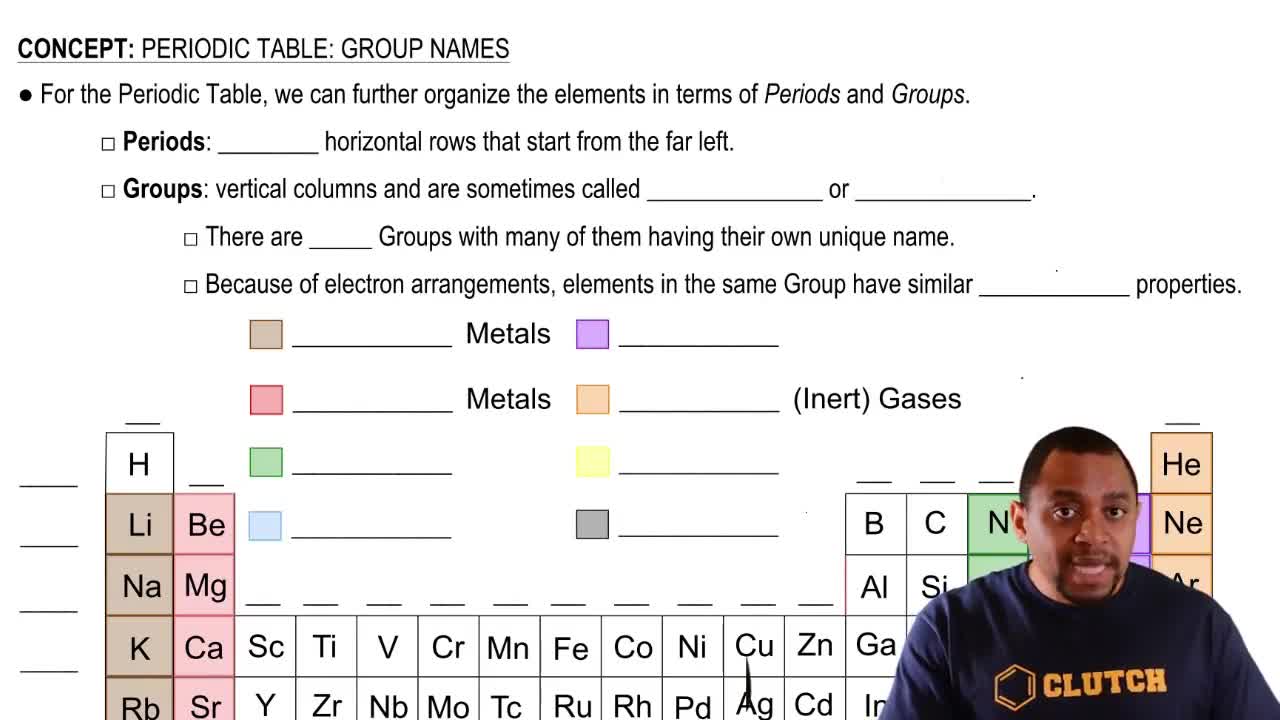
Periodic Table: Group Names
- Guided course 05:33
- Guided course 01:17
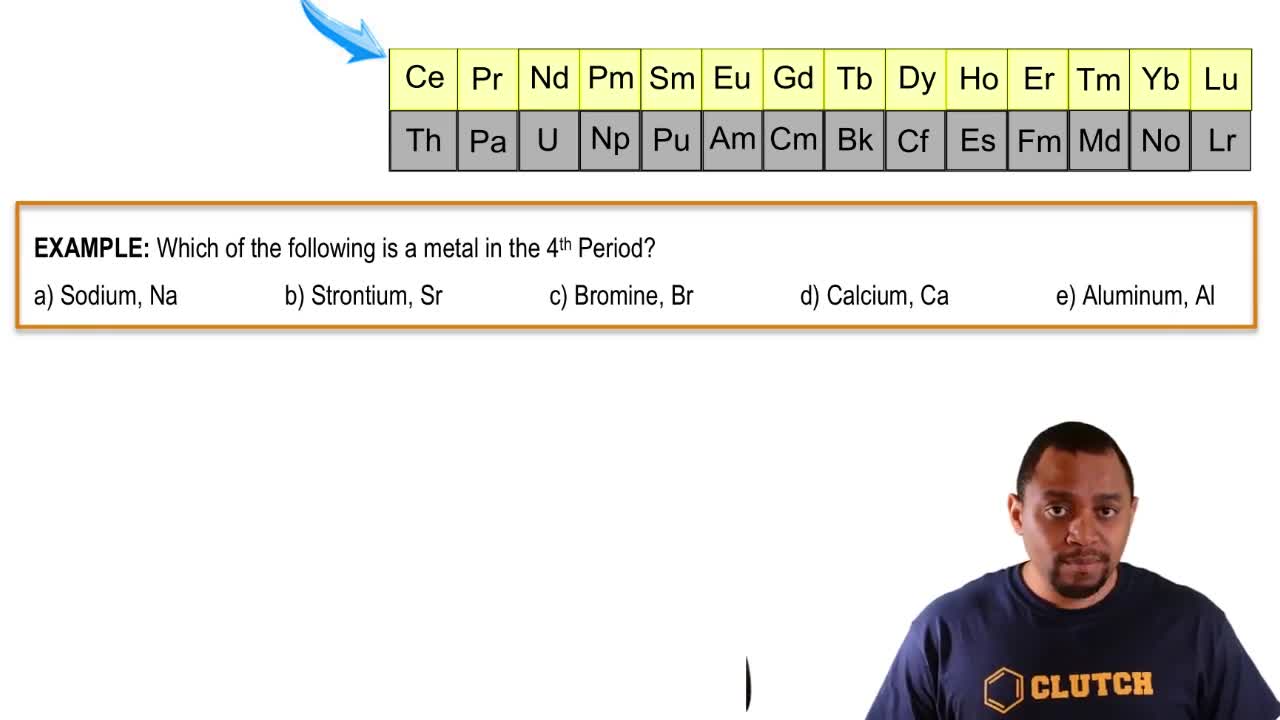
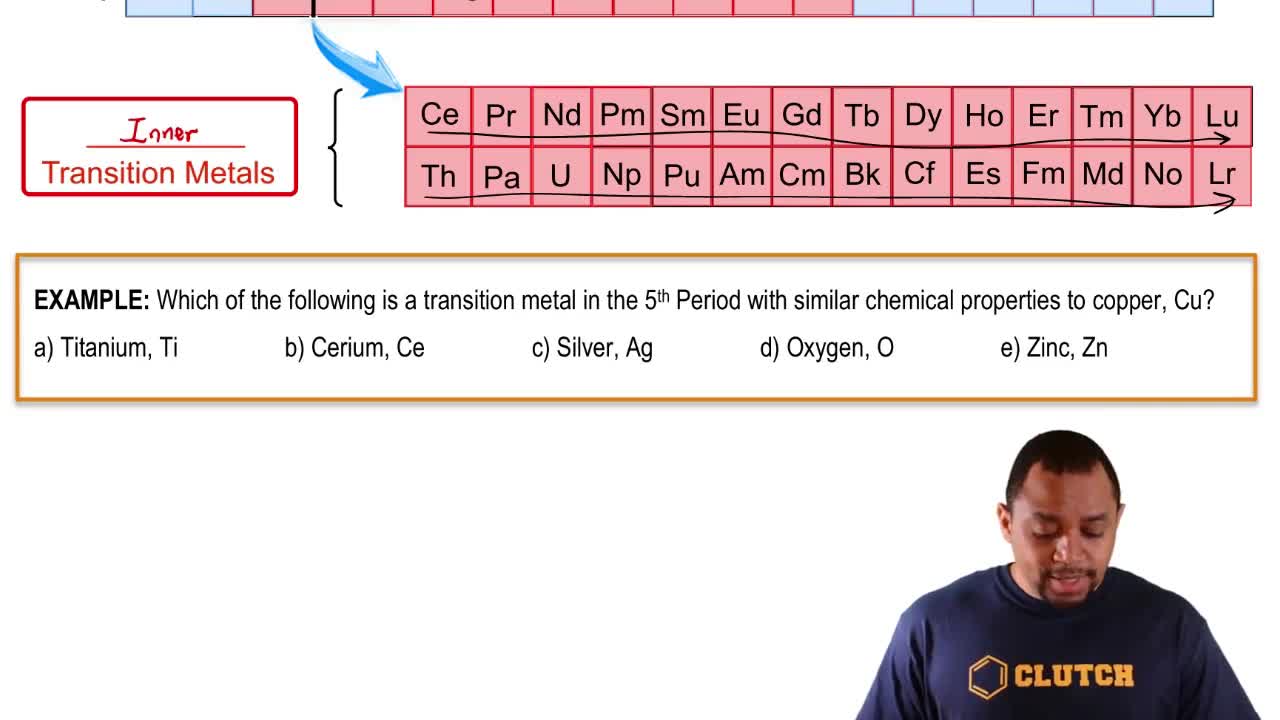
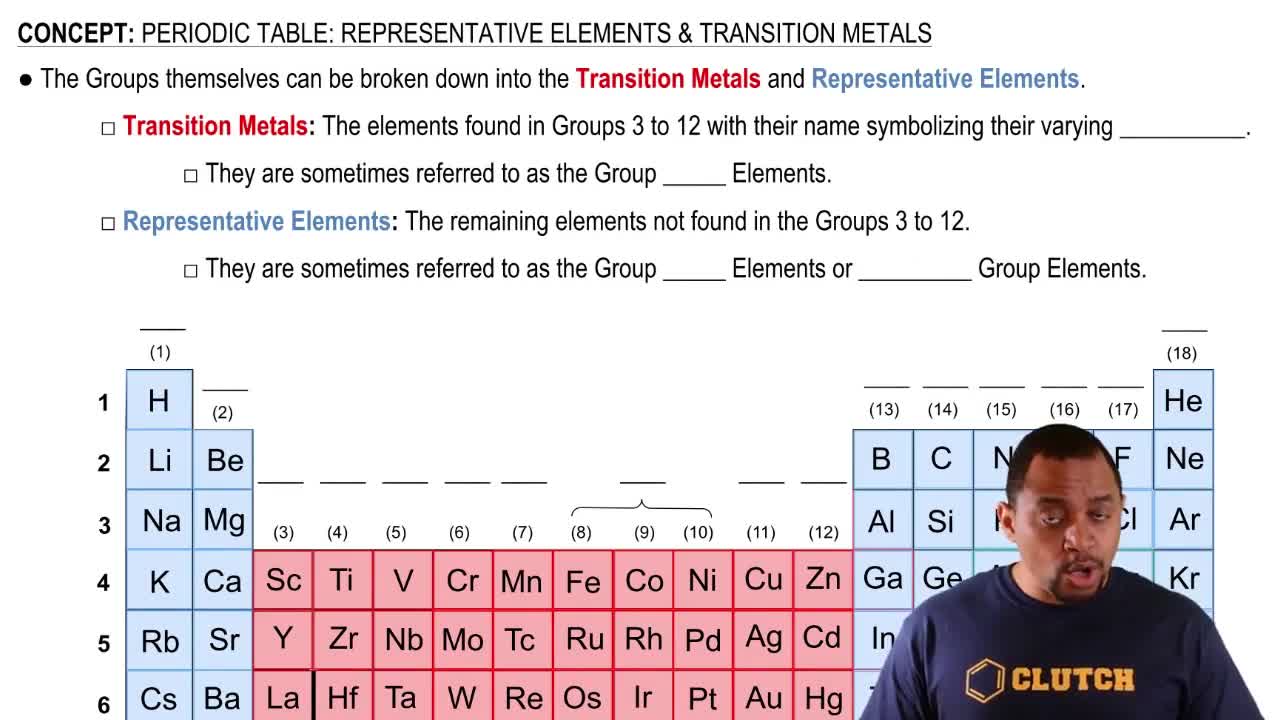
Periodic Table: Representative Elements & Transition Metals
- Guided course 01:23
- Guided course 03:30
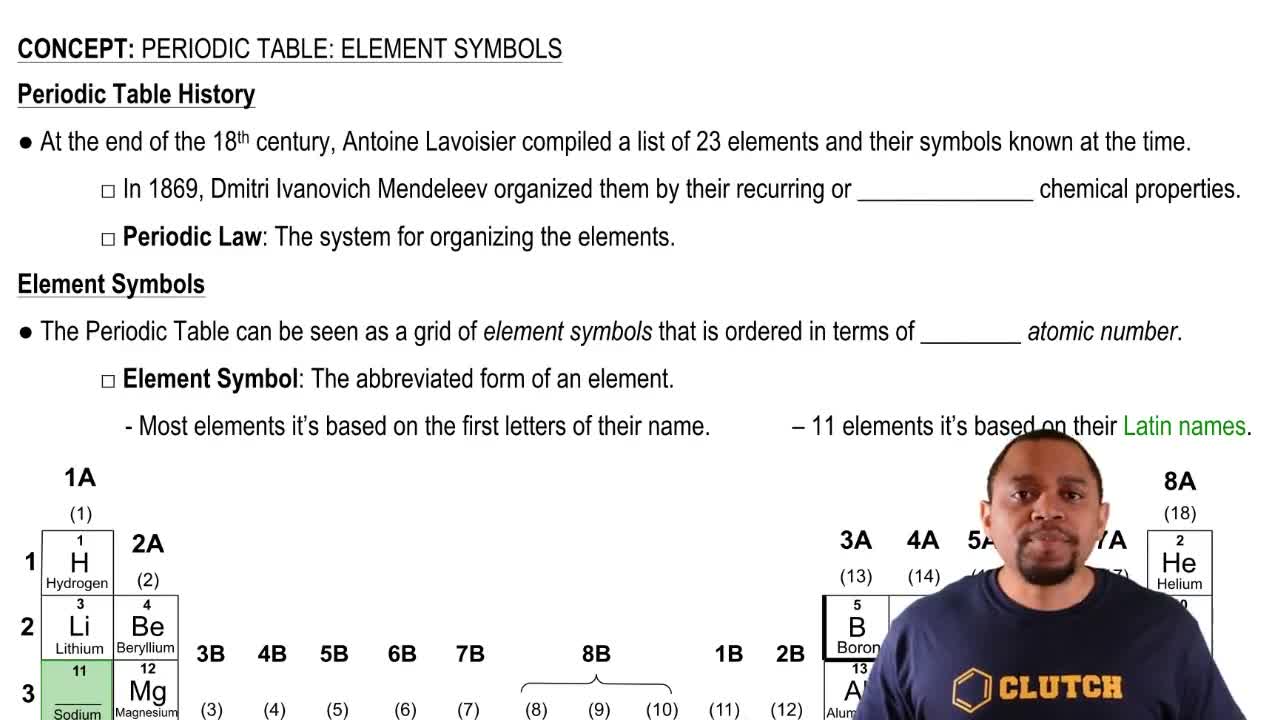
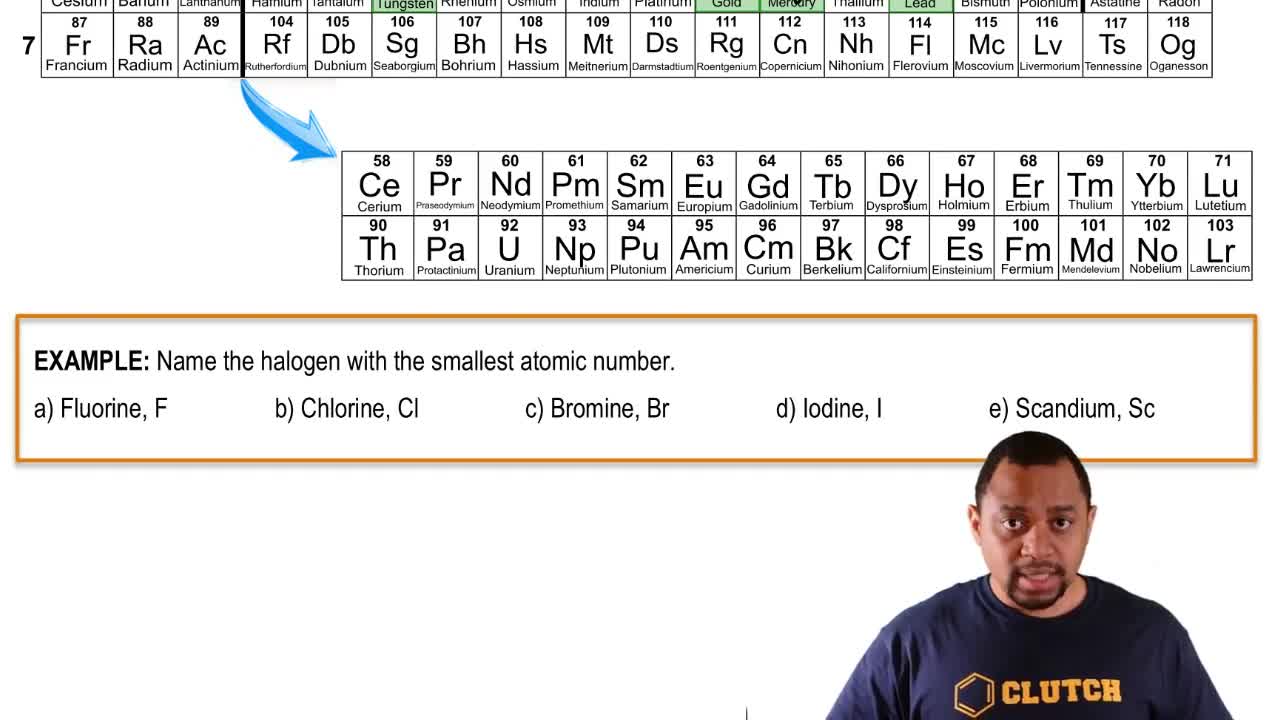
Periodic Table: Element Symbols
- Guided course 04:01
- Guided course 01:01
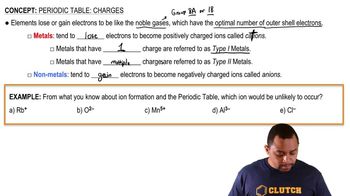
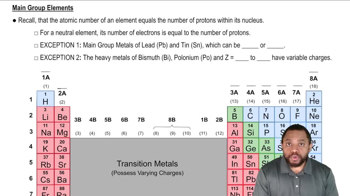
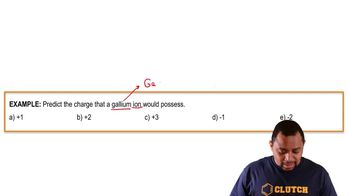
Periodic Table: Main Group Element Charges
- Guided course 01:52
- Guided course 07:38
- Guided course 00:48
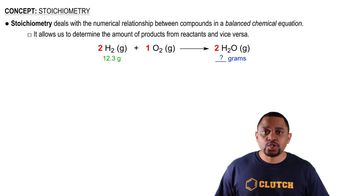
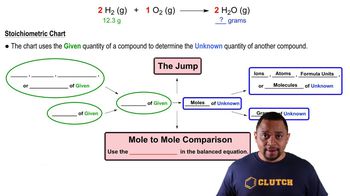
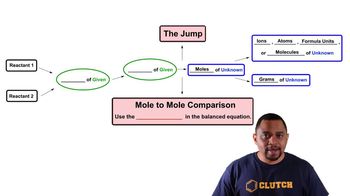
Stoichiometry
- Guided course 01:16
- Guided course 03:04
- Guided course 05:53
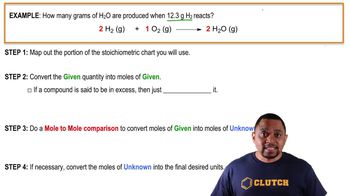
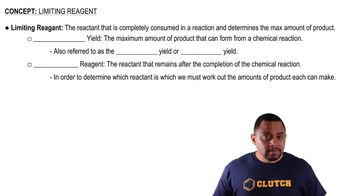
Limiting Reagent
- Guided course 01:30
- Guided course 01:34
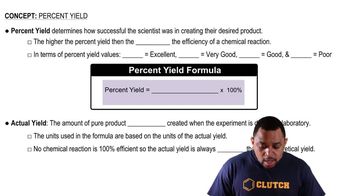
Percent Yield
- Guided course 03:09
- Guided course 04:43
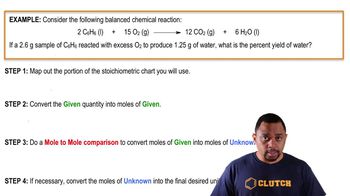
Mole Concept
- Guided course 02:41
- Guided course 01:41
- Guided course 01:28
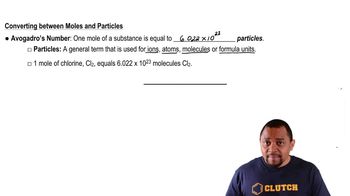
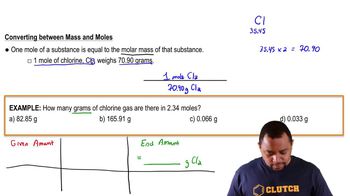
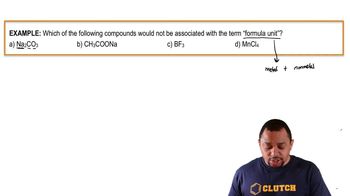
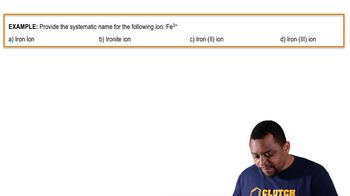
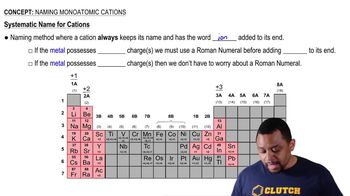
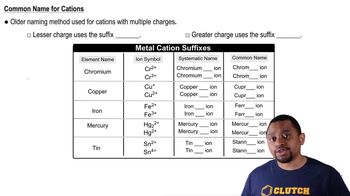
Naming Monoatomic Cations
- Guided course 00:34
- Guided course 01:24
- Guided course 03:28
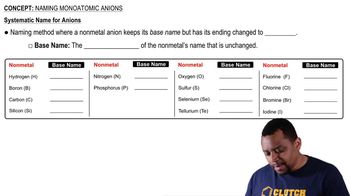
Naming Monoatomic Anions
- Guided course 01:42
- Guided course 00:37
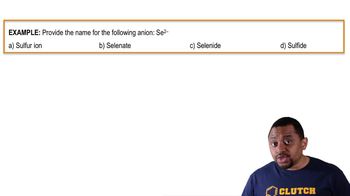
Polyatomic Ions
- Guided course 01:16
- Guided course 01:08
- Guided course 01:26
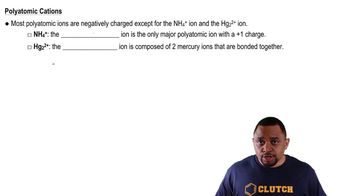
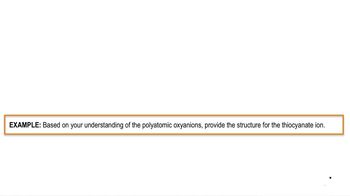
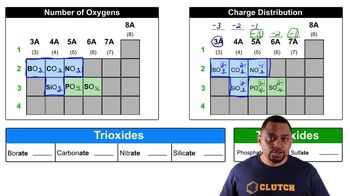
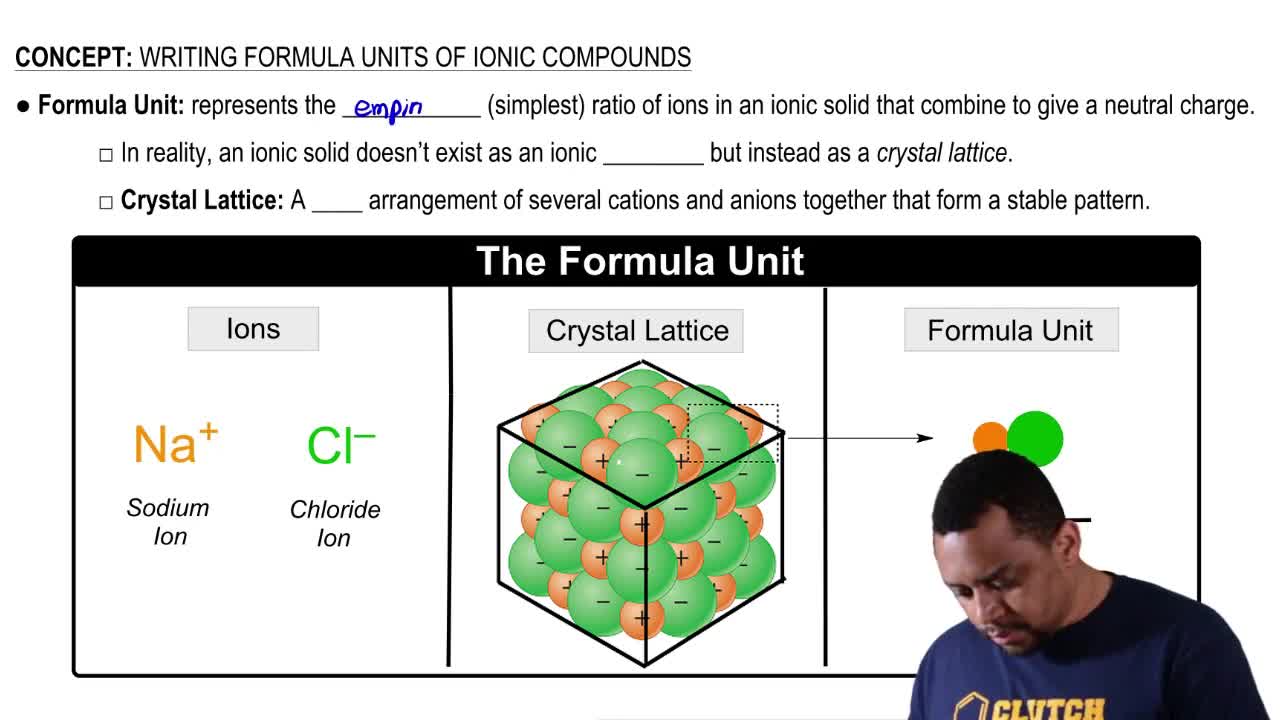
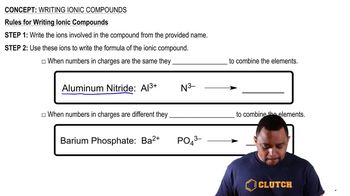
Writing Formula Units of Ionic Compounds
- Guided course 01:46
- Guided course 03:09
- Guided course 00:34
Chemical Reaction: Chemical Change
- Guided course 01:24
- Guided course 00:49
- Guided course 02:04
Balancing Chemical Equations (Simplified)
- Guided course 04:21
- Guided course 01:32
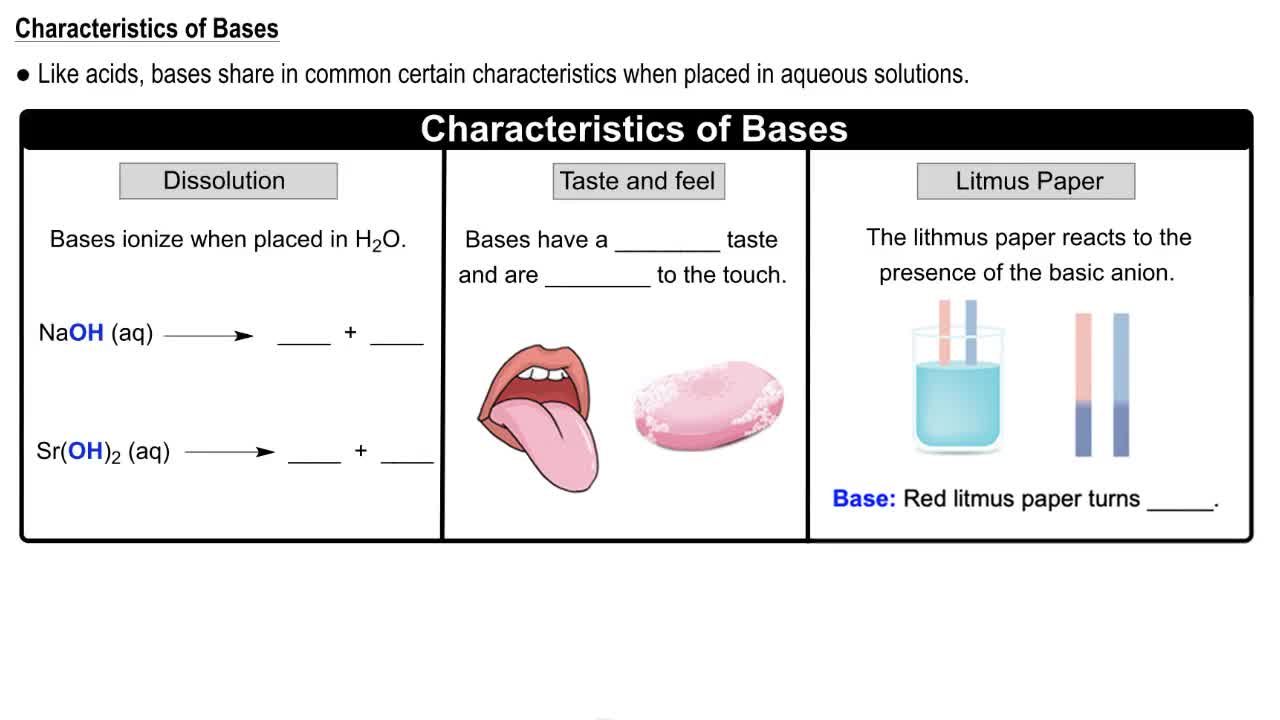
Acid-Base Introduction
- Guided course 01:30
- Guided course 00:33
- Guided course 00:48
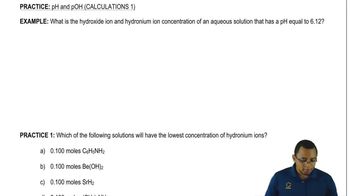
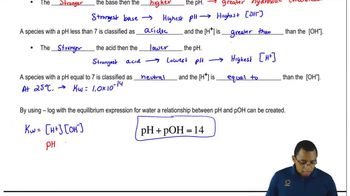
The pH Scale
- Guided course 02:42
- Guided course 03:15
- Guided course 01:21
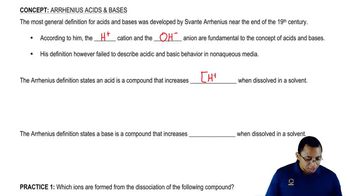
Arrhenius Acid and Base
- Guided course 03:11
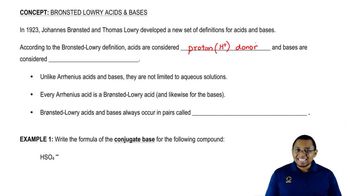
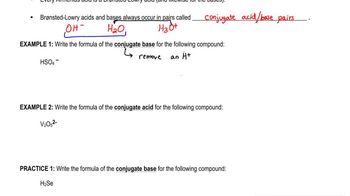
Bronsted Lowry Acid and Base
- Guided course 01:00
- Guided course 03:17
- Guided course 01:23
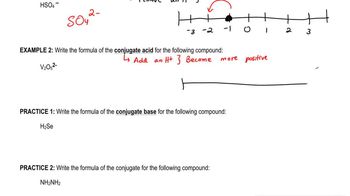
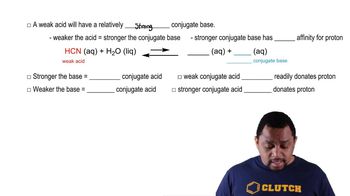
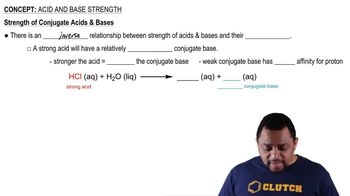
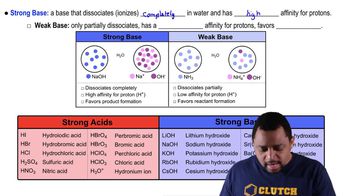
Acid and Base Strength
- Guided course 01:46
- Guided course 00:50
- Guided course 03:27
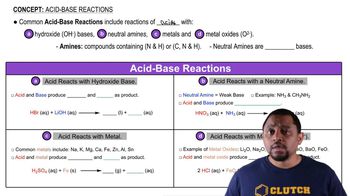
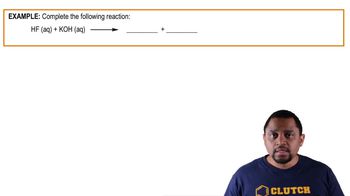
Acid-Base Reactions
- Guided course 03:08
- Guided course 00:52
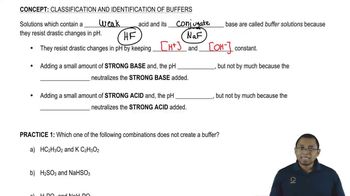
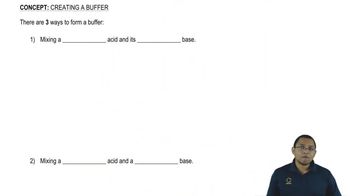
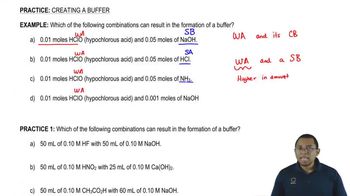
Buffers
- Guided course 03:14
- Guided course 04:34
- Guided course 03:53
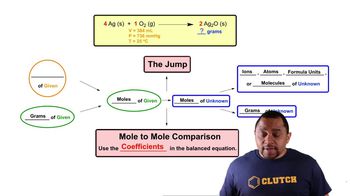
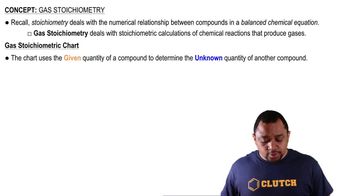
Gas Stoichiometry
- Guided course 02:05
- Guided course 00:47
- Guided course 03:51
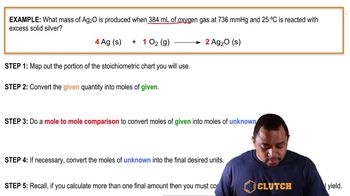
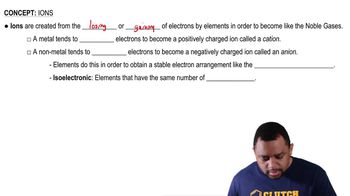
Ions (Simplified)
- Guided course 00:53
- Guided course 01:59
- Guided course 02:22
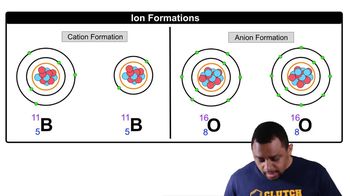
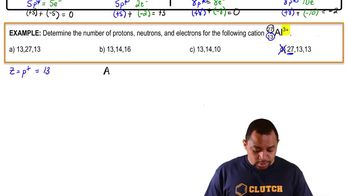
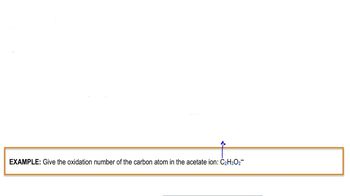
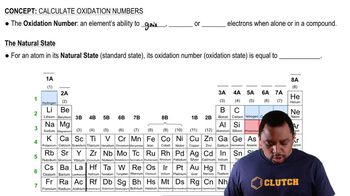
Calculate Oxidation Numbers
- Guided course 01:22
- Guided course 01:38
- Guided course 02:42
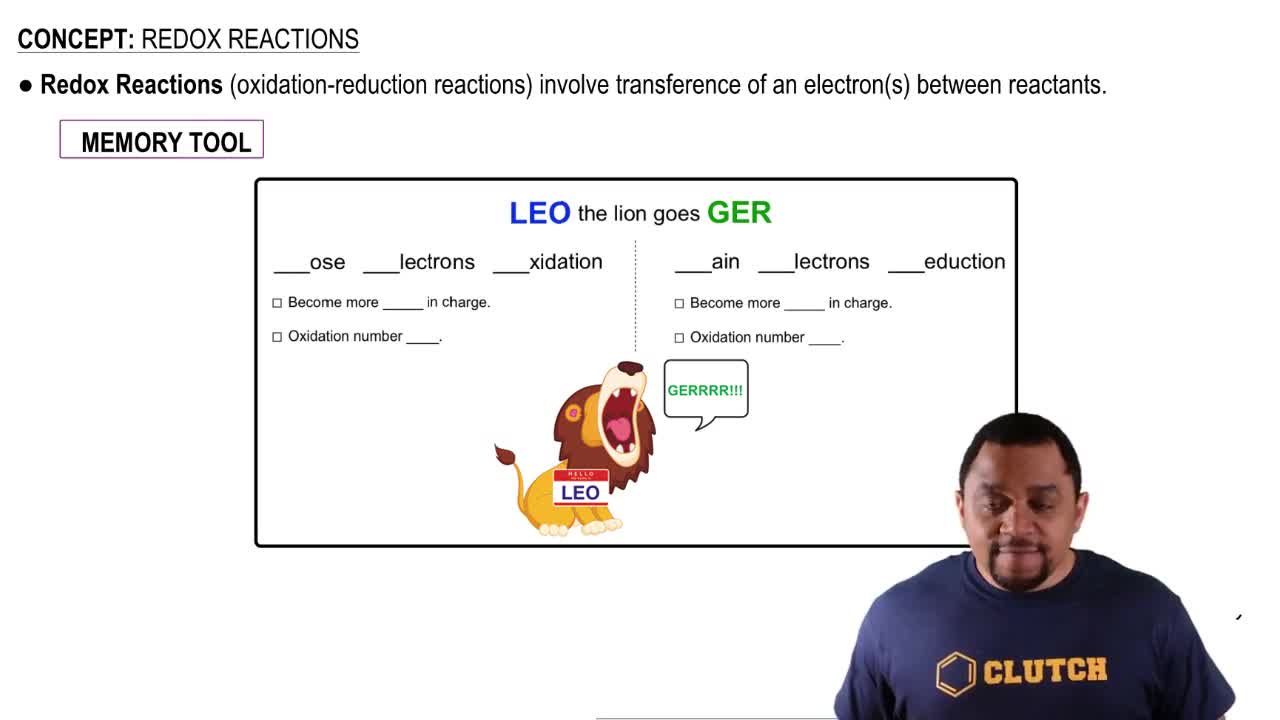
Redox Reactions
- Guided course 02:17
- Guided course 01:53
- Guided course 01:01
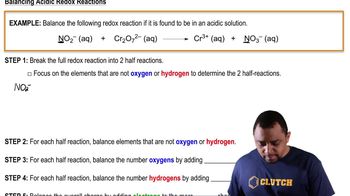
Balancing Redox Reactions: Acidic Solutions
- Guided course 01:46
- Guided course 00:52
- Guided course 07:19
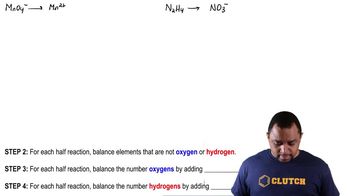
Balancing Redox Reactions: Basic Solutions
- Guided course 08:25
- Guided course 01:04
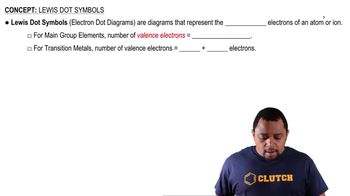
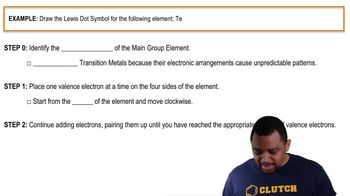
Lewis Dot Symbols (Simplified)
- Guided course 00:50
- Guided course 00:52
- Guided course 01:18
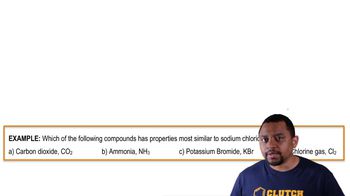
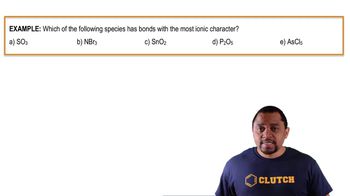
Ionic Bonding
- Guided course 01:06
- Guided course 01:16
- Guided course 02:33
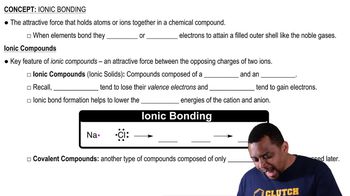
Covalent Bonds
- Guided course 01:18
- Guided course 01:13
- Guided course 00:46
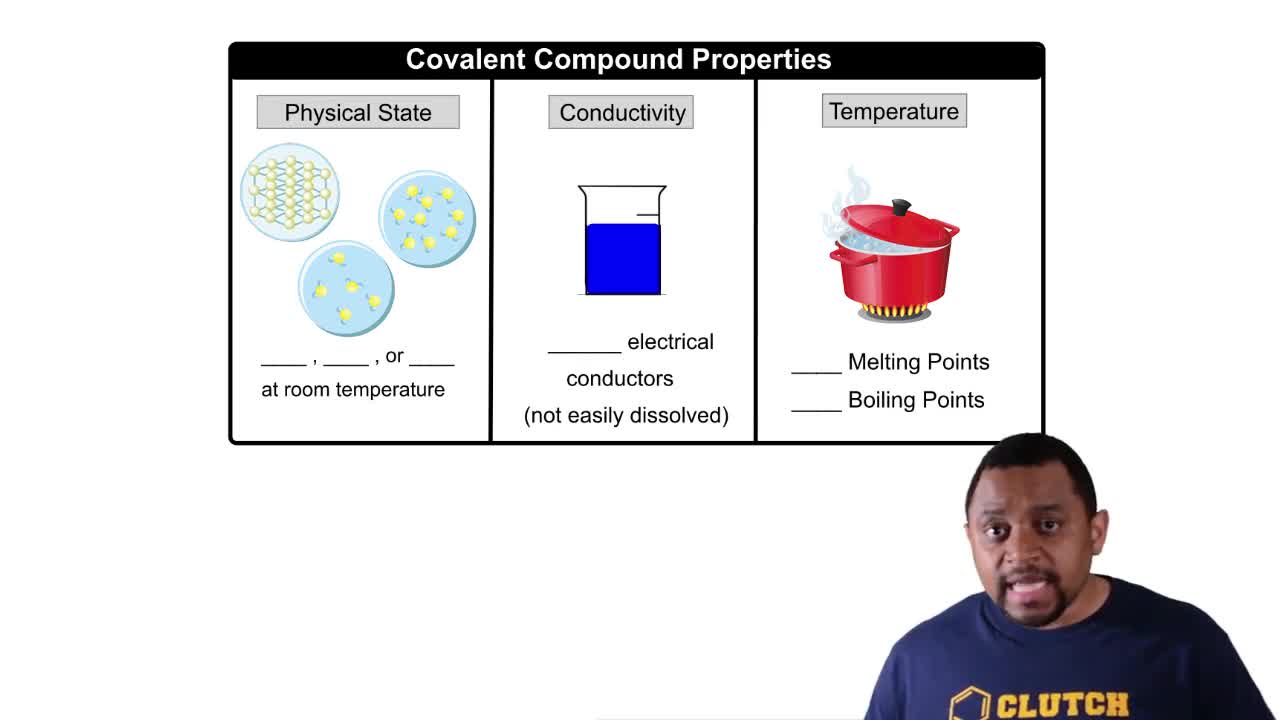
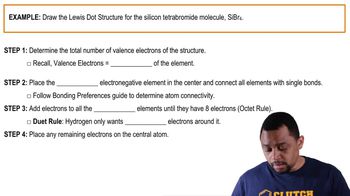
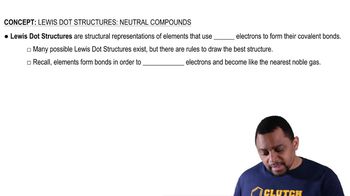
Lewis Dot Structures: Neutral Compounds (Simplified)
- Guided course 02:49
- Guided course 00:37
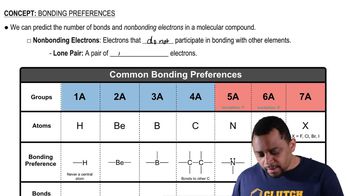
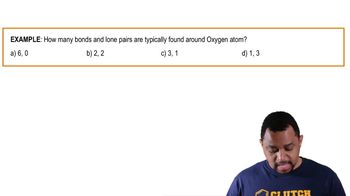
Bonding Preferences
- Guided course 03:16
- Guided course 00:56
Multiple Bonds
- Guided course 01:10
- Guided course 02:26
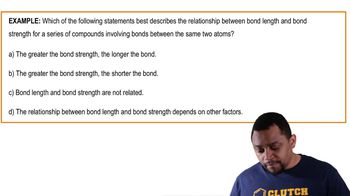
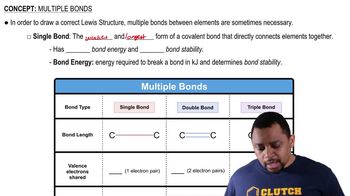
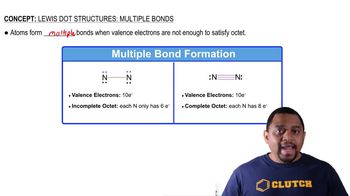
Lewis Dot Structures: Multiple Bonds
- Guided course 02:55
- Guided course 01:57
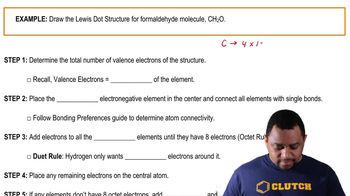
Lewis Dot Structures: Ions (Simplified)
- Guided course 03:11
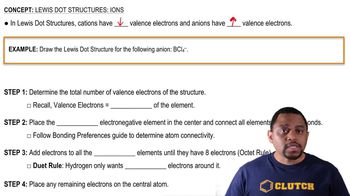
Lewis Dot Structures: Exceptions (Simplified)
- Guided course 00:52
- Guided course 01:46
- Guided course 01:38
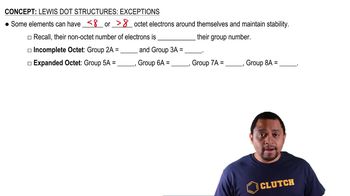
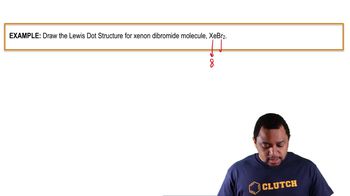
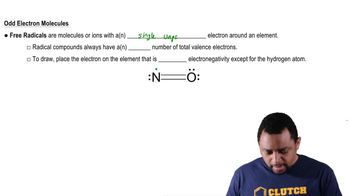
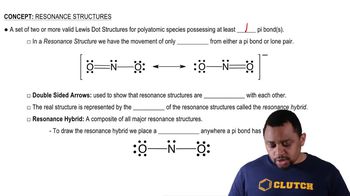
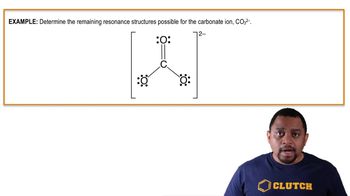
Resonance Structures (Simplified)
- Guided course 01:59
- Guided course 01:31
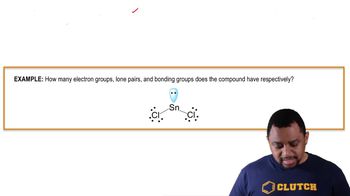
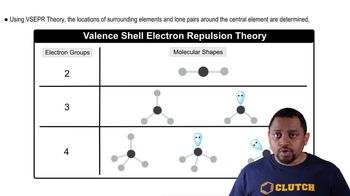
Valence Shell Electron Pair Repulsion Theory (Simplified)
- Guided course 00:45
- Guided course 01:40
- Guided course 01:04
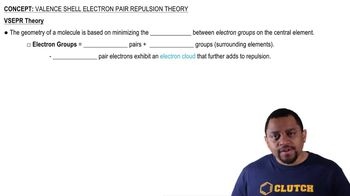
Electron Geometry (Simplified)
- Guided course 00:45
- Guided course 01:50
- Guided course 02:25
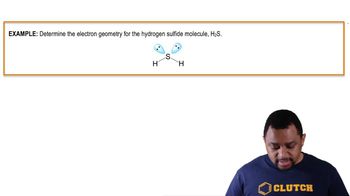
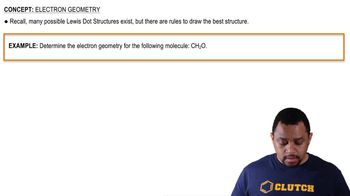
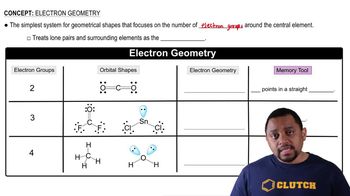
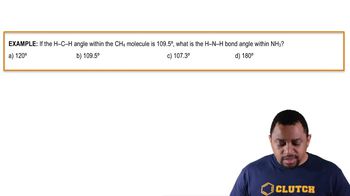
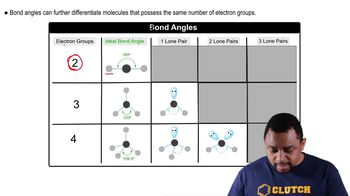
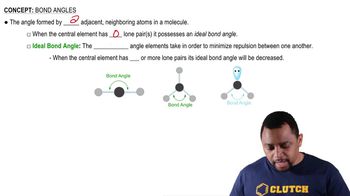
Bond Angles (Simplified)
- Guided course 01:24
- Guided course 02:14
- Guided course 01:24
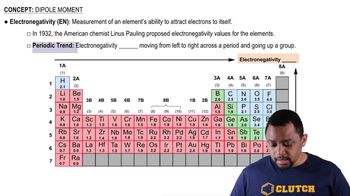
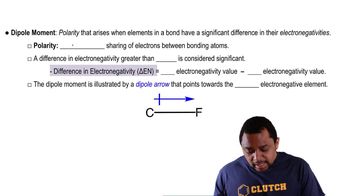
Dipole Moment (Simplified)
- Guided course 01:07
- Guided course 01:51
- Guided course 01:25
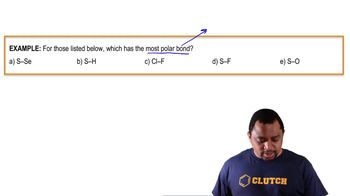
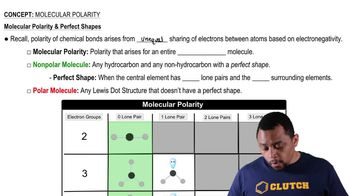
Molecular Polarity (Simplified)
- Guided course 01:34
- Guided course 01:09