 Indietro
Infectious Diseases Affecting the Genitourinary System: Anatomy, Physiology, and Pathology
Guida di studio - Note intelligenti
 Appunti personalizzati basati sui tuoi materiali, ampliati con definizioni chiave, esempi e contesto.
Genitourinary Tract: Anatomy and Defenses
Overview of the Genitourinary System
The genitourinary tract consists of two distinct organ systems: the urinary tract and the genital (reproductive) system. Both systems are closely related anatomically and functionally, and are subject to a variety of infectious diseases.
Urinary tract: Includes the kidneys, ureters, bladder, and urethra. Responsible for filtering blood, forming urine, and excreting waste.
Genital system: Involved in reproduction and includes organs such as the testes, epididymides, vas deferens, prostate gland (male), and uterus, fallopian tubes, ovaries, vagina, and cervix (female).
Defenses of the Urinary Tract
The urinary tract is protected by several innate defenses that help prevent infection:
Flushing action of urine: Physically removes microbes from the tract.
Desquamation: Shedding of epithelial cells lining the tract, which removes attached microbes.
Chemical defenses in urine:
Acidic pH inhibits microbial growth.
Lysozyme breaks down bacterial cell walls.
Lactoferrin binds iron, limiting bacterial proliferation.
Secretory IgA provides specific immune protection.
Defenses of the Male and Female Reproductive Systems
Male: Flushing action of urine, external anatomy (scrotum, penis) provides some protection.
Female: Mucous membranes, secreted mucus, and secretory IgA. Vaginal pH is acidic (4.2–5) during childbearing years due to estrogen-stimulated glycogen metabolism by Lactobacillus species.
Normal Biota of the Genitourinary Tract
Microbial Flora
The genitourinary tract harbors a diverse microbiota, which varies by sex and individual. The normal biota play a role in preventing colonization by pathogens.
Female urethra: Short and close to the anus, increasing UTI risk.
Penis: Colonized by aerobic and anaerobic bacteria, especially in uncircumcised males.
Vagina: Dominated by Lactobacillus species, which maintain acidic pH and inhibit pathogens. Candida albicans is present at low levels and can cause yeast infections if overgrown.
Urinary Tract Infections (UTIs)
Types and Symptoms
UTIs are common infections of the urinary tract, classified by the site of infection:
Cystitis: Infection of the bladder. Symptoms: pain, dysuria (burning urination), frequent urge to urinate, cloudy urine, hematuria (blood in urine), low-grade fever, nausea.
Pyelonephritis: Infection of the kidneys. Symptoms: back pain, high fever, risk of permanent kidney damage.
Urethritis: Infection limited to the urethra.
Causative Agents and Epidemiology
Most UTIs are caused by normal biota of the gastrointestinal tract, especially Escherichia coli (80%). Other agents: Klebsiella pneumoniae, Proteus mirabilis, Staphylococcus saprophyticus.
Catheter-associated UTIs (CA-UTIs) are common in healthcare settings.
Community-acquired UTIs are more common in women due to anatomical factors.
Treatment
Sulfa drugs (e.g., trimethoprim-sulfamethoxazole) are commonly used.
Phenazopyridine (Pyridium) relieves symptoms but is not an antibiotic.
Antibiotic resistance, especially among E. coli, is a growing concern.
Reproductive Tract Infections
Discharge Diseases
These diseases are characterized by increased fluid discharge from the reproductive tract and are often sexually transmitted.
Gonorrhea: Caused by Neisseria gonorrhoeae. Symptoms in males: urethritis, painful urination, yellowish discharge. In females: mucopurulent or bloody discharge, painful urination, risk of pelvic inflammatory disease (PID).
Chlamydia: Caused by Chlamydia trachomatis. Most common reportable infectious disease in the U.S. Symptoms mimic gonorrhea; often asymptomatic, especially in women, increasing risk of PID.
Trichomoniasis: Caused by Trichomonas vaginalis, a protozoan. May cause frothy discharge and increase susceptibility to other infections.
Pathogenesis and Diagnosis
Gonorrhea: Fimbriae-mediated attachment, antigenic variation, IgA protease. Diagnosed by gram stain, ELISA, PCR, or culture.
Chlamydia: Intracellular growth, immune evasion, inflammation-induced tissue damage. Diagnosed by PCR, ELISA, or direct fluorescent antibody detection.
Treatment and Prevention
Both gonorrhea and chlamydia are treated with antibiotics (e.g., doxycycline, azithromycin). Coinfection is common, so both are often treated together.
Condom use and regular screening are key preventive measures.
Vaginitis and Vaginosis
Candida albicans
Candida albicans is a dimorphic fungus and normal biota of the vagina. Overgrowth leads to yeast infection (vaginitis), characterized by itching, burning, and discharge. Risk factors include antibiotic use, diabetes, pregnancy, and immunosuppression.
Gardnerella Species
Bacterial vaginosis (BV) is caused by a shift from lactobacilli to "bad" bacteria such as Gardnerella. Characterized by a fishy-smelling discharge and higher vaginal pH. Diagnosed by the presence of clue cells in vaginal secretions.
Genital Ulcer Diseases
Syphilis
Syphilis is a sexually transmitted infection caused by Treponema pallidum, a spirochete bacterium. It progresses through several stages:
Primary syphilis: Hard, painless chancre at the site of entry.
Secondary syphilis: Systemic symptoms including a widespread rash, fever, and lymphadenopathy.
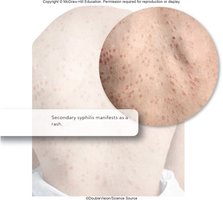
Latency and tertiary syphilis: Latent period can last years. Tertiary syphilis involves cardiovascular and neurological complications, and gummas (syphilitic tumors).
Congenital syphilis: Transmission from mother to fetus can cause severe developmental defects or stillbirth.
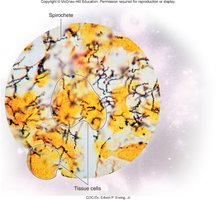
Chancroid
Chancroid is an ulcerative disease caused by Haemophilus ducreyi. Presents as a soft, painful chancre, often with swollen inguinal lymph nodes. More common in men and associated with poor hygiene and sex work.
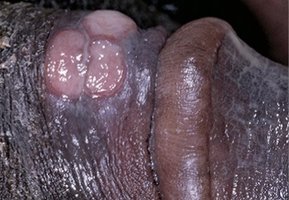
Genital Herpes
Genital herpes is caused by herpes simplex viruses (HSV-1 and HSV-2). Characterized by painful vesicular lesions on the genitalia, perineum, or buttocks. The virus establishes latency in nerve cells and can reactivate, causing recurrent outbreaks. Neonatal herpes can be severe and is usually acquired during birth.
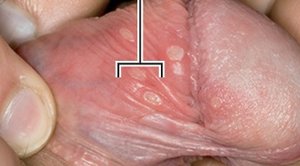
Human Papillomavirus (HPV) Infection
Overview and Symptoms
HPV is a group of nonenveloped DNA viruses that cause genital warts and are associated with cervical, penile, and oropharyngeal cancers. Warts may be flat or form large, branching masses (condyloma acuminata). Most cervical cancers are caused by high-risk HPV types (e.g., 16, 18, 31, 33, 35).
Prevention and Treatment
Vaccination is highly effective against the most dangerous HPV types.
Regular Pap smears are essential for early detection of cervical changes.
Warts can be removed, but the infection itself is incurable.
Group B Streptococcus Colonization
Group B Streptococcus (GBS) colonizes 10–40% of women asymptomatically. In pregnant women, it can cause preterm delivery and neonatal infection. Screening and prophylactic antibiotics during labor reduce neonatal disease risk.
Summary Table: Major Genitourinary Infectious Diseases
Disease | Causative Agent | Main Symptoms | Transmission | Treatment |
|---|---|---|---|---|
UTI | E. coli, others | Dysuria, frequency, hematuria | Endogenous (GI tract) | Antibiotics (sulfa drugs, others) |
Gonorrhea | Neisseria gonorrhoeae | Discharge, pain, PID | Sexual contact | Antibiotics (dual therapy) |
Chlamydia | Chlamydia trachomatis | Discharge, pain, PID | Sexual contact, vertical | Antibiotics (doxycycline, azithromycin) |
Syphilis | Treponema pallidum | Chancre, rash, systemic | Sexual contact, vertical | Antibiotics (penicillin, others) |
Genital Herpes | HSV-1, HSV-2 | Painful vesicles, recurrence | Direct contact | Acyclovir, not curative |
HPV | Human papillomavirus | Warts, cancer risk | Direct contact | Vaccine, removal of warts |
