 Indietro
The Endocrine System: Structure, Function, and Disorders
Guida di studio - Note intelligenti
 Appunti personalizzati basati sui tuoi materiali, ampliati con definizioni chiave, esempi e contesto.
The Endocrine System
Overview and Importance
The endocrine system is a network of specialized organs and glands that secrete hormones into the blood or extracellular fluid, acting as chemical messengers to regulate various bodily functions. It works alongside the nervous system to maintain homeostasis, which is the stable internal environment required for optimal functioning.
Endocrine glands: Ductless glands that release hormones directly into the bloodstream.
Exocrine glands: Ducted glands that secrete substances (e.g., sweat, tears) outside the body.
Hormones: Chemical messengers that regulate metabolism, growth, reproduction, water and electrolyte balance, and more.
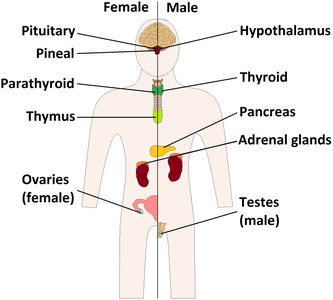
Endocrine vs. Exocrine Glands
Endocrine glands: Secrete hormones; no ducts; include glandular epithelial cells and neurosecretory cells.
Exocrine glands: Secrete substances via ducts; not part of the endocrine system.
Hormones: Classification and Action
Functional Classification
Tropic hormones: Target other endocrine glands (e.g., TSH).
Sex hormones: Target reproductive tissues (e.g., oestrogen, testosterone).
Anabolic hormones: Promote anabolism in target cells (e.g., growth hormone).
Chemical Classification
Steroid hormones: Lipid-soluble; derived from cholesterol; produced by adrenal cortex, ovaries, testes.
Protein/polypeptide hormones: Water-soluble; produced by pituitary, pancreas.
Modified amino-acid hormones: Mostly water-soluble; produced by thyroid, pineal, adrenal medulla.
Hormone Solubility and Receptor Location
Lipid-soluble hormones: Cross cell membranes; bind to intracellular receptors; affect gene transcription.
Water-soluble hormones: Cannot cross cell membranes; bind to surface receptors; use second messenger systems (e.g., cAMP, calcium-calmodulin).
Major Endocrine Organs and Glands
List and Locations
# | Organ/Gland | Location |
|---|---|---|
1 | Hypothalamus | Cranial cavity |
2a | Posterior pituitary | Cranial cavity |
2b | Anterior pituitary | Cranial cavity |
3 | Pineal | Cranial cavity |
4 | Thyroid | Neck |
5 | Parathyroid | Neck |
6 | Thymus | Chest, between lungs |
7 | Pancreas | Abdominal cavity |
8 | Adrenal | Abdominal cavity |
9 | Ovaries (female) | Pelvic cavity |
10 | Testes (male) | Scrotum |
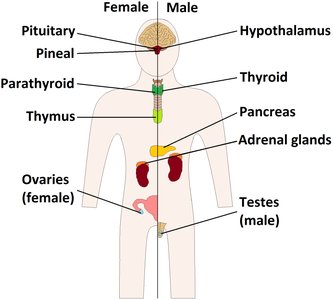
Primary Hormones and Functions
Organ/Gland | Hormone Example | Primary Function |
|---|---|---|
Hypothalamus | Numerous | Regulates pituitary |
Posterior pituitary | ADH | Decreases urine, increases blood pressure |
Anterior pituitary | TSH | Controls thyroxine production |
Pineal | Melatonin | Controls sleep cycle |
Thyroid | T4, T3 | Metabolic rate, growth, development |
Parathyroid | PTH | Calcium regulation |
Thymus | Thymopoietin | T-cell differentiation |
Pancreas | Insulin | Glucose metabolism |
Adrenal | Adrenaline | Metabolism, heart rate |
Ovaries | Oestrogens | Reproductive development |
Testes | Testosterone | Reproductive development |
Individual Endocrine Organs
Hypothalamus
The hypothalamus is located at the base of the brain and links the nervous and endocrine systems. It regulates homeostasis and signals the pituitary gland to start or stop hormone production. It produces hormones such as thyrotrophin releasing hormone, corticotrophin releasing hormone, and growth hormone releasing hormone.
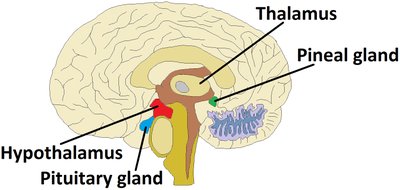
Pituitary Gland
The pituitary gland is connected to the hypothalamus and is often called the master gland. It has anterior and posterior lobes, each producing different hormones. The anterior lobe produces ACTH, FSH, and LH, while the posterior lobe releases ADH and oxytocin.
Pineal Gland
The pineal gland is deep within the brain and produces melatonin, which regulates the circadian rhythm and sleep-wake cycle.
Thyroid Gland
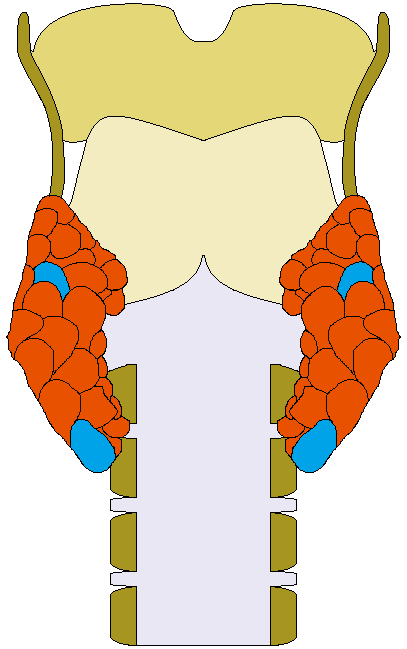
The thyroid gland is butterfly-shaped and located in the neck, anterior to the trachea. It regulates metabolism, growth, and calcium deposition in bone. It produces T4, T3, and calcitonin.
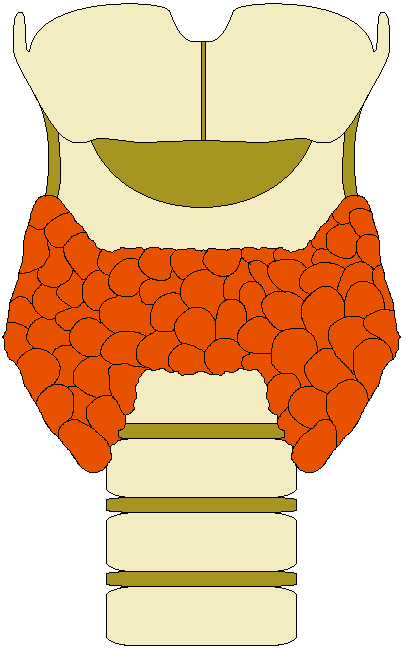
Parathyroid Glands
There are typically four parathyroid glands located on the posterior of the thyroid. They produce parathyroid hormone (PTH), which raises blood calcium levels by removing calcium from bone. Calcitonin from the thyroid lowers blood calcium, and together these hormones maintain calcium homeostasis.
Thymus
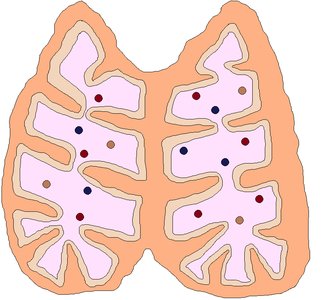
The thymus is located in the chest between the lungs and is most active from childhood to puberty. It produces thymopoietin, which is involved in the maturation of T-lymphocytes (immune cells). Disorders include myasthenia gravis and pure red cell aplasia.
Pancreas
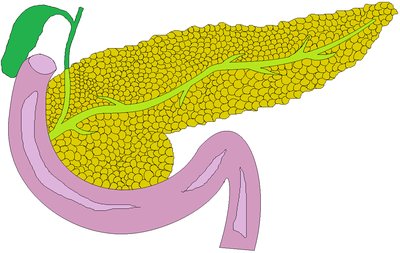
The pancreas has both endocrine and exocrine functions. Its endocrine function involves the production of insulin and glucagon by the islets of Langerhans, regulating blood glucose levels. Alpha cells produce glucagon, beta cells produce insulin, delta cells produce somatostatin, gamma cells produce pancreatic polypeptide, and epsilon cells produce ghrelin.
Adrenal Glands
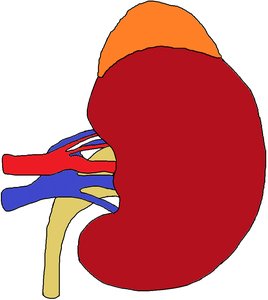
The adrenal glands are located above the kidneys and have two regions: cortex (produces steroid hormones like cortisol and aldosterone) and medulla (produces amino acid hormones like epinephrine and norepinephrine). Disorders include adrenal gland tumors, Addison's disease, and Cushing's syndrome.
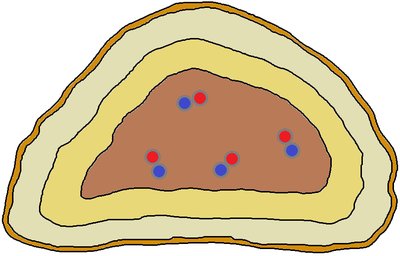
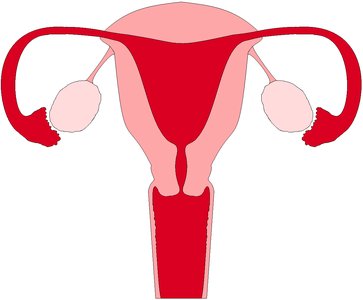
Ovaries
The ovaries are female reproductive organs that produce oestrogen and progesterone, which regulate reproductive development and the menstrual cycle.
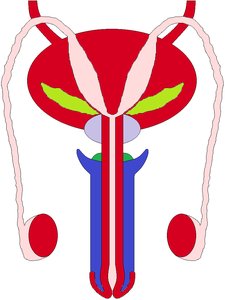
Testes
The testes are male reproductive organs that produce testosterone, which promotes male reproductive organ development, muscle growth, and bone strength.
Regulation of the Endocrine System
Types of Stimuli
Humoral: Changes in ion/nutrient levels stimulate hormone release (e.g., ADH release in response to solute concentration).
Neural: Neural signals stimulate hormone release (e.g., adrenal medulla releases adrenaline in response to danger).
Hormonal: Presence of other hormones stimulates hormone release (e.g., hypothalamus controls pituitary hormones).
Endocrine System Disorders
Categories and Examples
Hypersecretion: Excess hormone production (e.g., gigantism, acromegaly, Cushing's syndrome).
Hyposecretion: Insufficient hormone production (e.g., pituitary dwarfism, Addison's disease, diabetes mellitus).
Tumors/Lesions: May or may not affect hormone levels (e.g., thymomas, adrenal tumors).
Notable Disorders
Diabetes mellitus: Hyposecretion or hypoactivity of insulin; symptoms include polyuria, polydipsia, polyphagia.
Hyperinsulinism: Excess insulin causes hypoglycemia; symptoms include anxiety, tremors, weakness.
Menopause: Ovaries become unresponsive to gonadotropins; oestrogen deficiency can lead to osteoporosis.
Summary Table: Major Endocrine Glands and Functions
Gland | Hormone(s) | Main Function |
|---|---|---|
Hypothalamus | TRH, CRH, GHRH | Regulates pituitary, homeostasis |
Pituitary | TSH, ACTH, FSH, LH, ADH, Oxytocin | Controls other glands, growth, reproduction |
Pineal | Melatonin | Sleep-wake cycle |
Thyroid | T4, T3, Calcitonin | Metabolism, growth, calcium regulation |
Parathyroid | PTH | Calcium regulation |
Thymus | Thymopoietin | T-cell maturation |
Pancreas | Insulin, Glucagon | Blood glucose regulation |
Adrenal | Cortisol, Aldosterone, Adrenaline | Stress response, metabolism, blood pressure |
Ovaries | Oestrogen, Progesterone | Reproductive development |
Testes | Testosterone | Reproductive development |
Key Equations and Concepts
Facilitated diffusion of glucose: Movement of glucose into cells via insulin-mediated transport proteins.
Hormone action:
Second messenger system:
Additional info: For further reading, see 'Module 1: The Endocrine System' at https://courses.lumenlearning.com/suny-ap2/
