Indietro

Campbell Biology Chapters 1, 2, 3, 4, 5, 6, 7, 9, 10, 16, and 22 Study Guide: Key Concepts, Vocabulary, and Academic Context

Guida di studio - Impara con i video

Lezioni curate abbinate al materiale che hai caricato – impara ogni argomento passo dopo passo.

Introduction to Biology

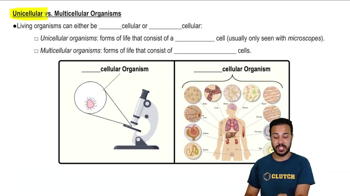
  • Unicellular vs. Multicellular
    02:09
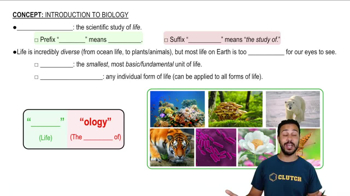
  • Introduction to Biology
    02:54
  • Introduction to Biology Channel
    1:28

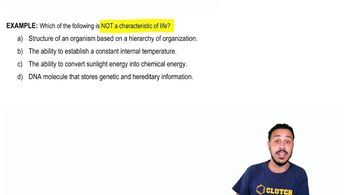
Characteristics of Life

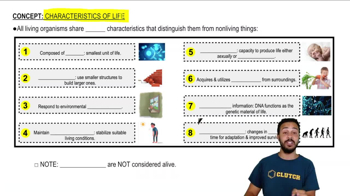
  • Characteristics of Life
    09:26
  • Characteristics of Life Example 1
    02:59
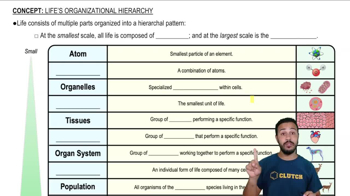
Life's Organizational Hierarchy

  • Life's Organizational Hierarchy
    09:50
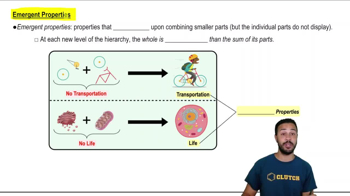
  • Emergent Properties
    04:05
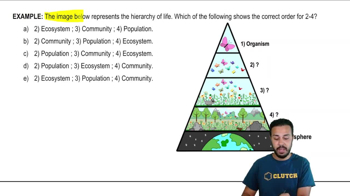
  • Life's Organizational Hierarchy Example 1
    03:05

Scientific Method

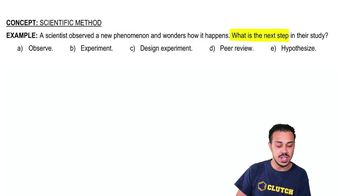
  • Scientific Method Example 1
    01:35
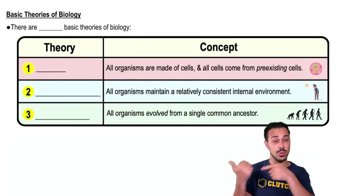
  • Basic Theories of Biology
    03:03
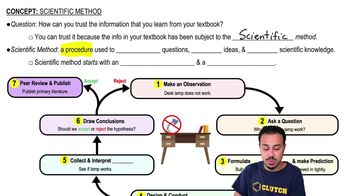
  • Scientific Method
    06:29
Atoms - Smallest Unit of Matter

  • Atoms- Smallest Unit of Matter Example 1
    02:13
  • Atoms- Smallest Unit of Matter Example 3
    03:51
  • Electron Orbitals & Energy Shells
    09:44

Isotopes

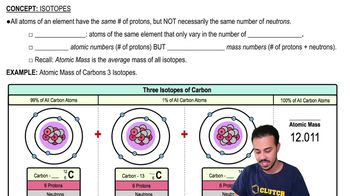
  • Isotopes
    06:50
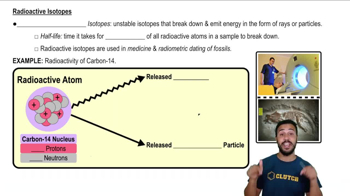
  • Radioactive Isotopes
    02:37

Introduction to Chemical Bonding

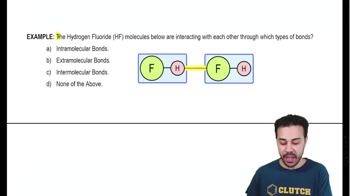
  • Introduction to Chemical Bonding Example 1
    1:59
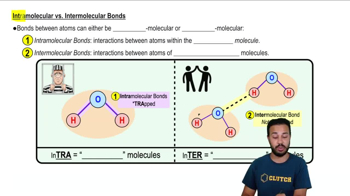
  • Intramolecular vs. Intermolecular Bonds
    03:53
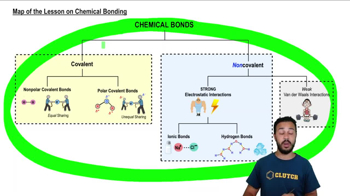
  • Map of the Lesson on Chemical Bonding
    02:42

Covalent Bonds

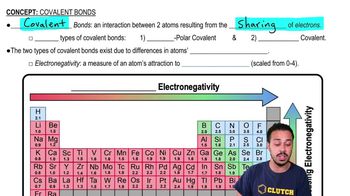
  • Covalent Bonds
    04:28
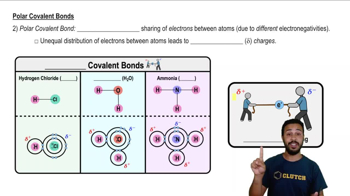
  • Polar Covalent Bonds
    06:59
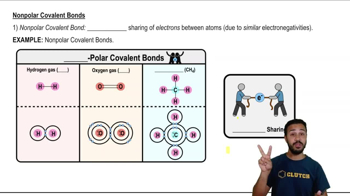
  • Nonpolar Covalent Bonds
    06:41

Ionic Bonding

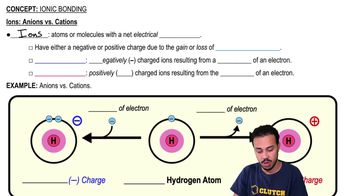
  • Ions: Anions vs. Cations
    04:34
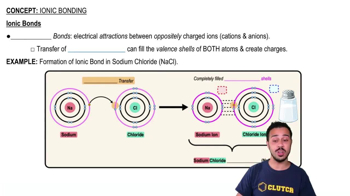
  • Ionic Bonds
    06:07

Hydrogen Bonding

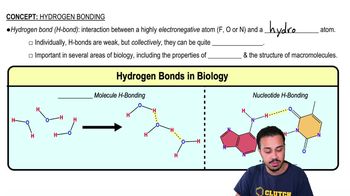
  • Hydrogen Bonding
    05:03

Introduction to Water

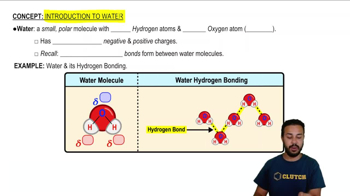
  • Introduction to Water
    01:54
  • Introduction to Water Example 1
    01:51
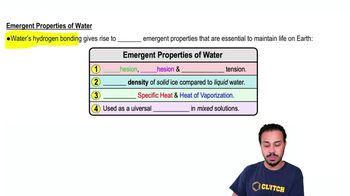
  • Emergent Properties of Water
    01:29

Properties of Water- Cohesion and Adhesion

  • Properties of Water- Cohesion and Adhesion Example 1
    01:46
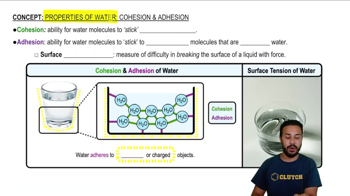
  • Properties of Water- Cohesion and Adhesion
    04:16

Properties of Water- Thermal

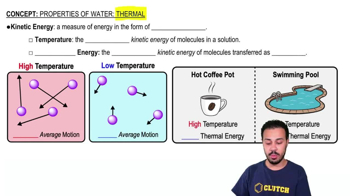
  • Properties of Water- Thermal
    04:07
  • Water’s High Specific Heat
    03:25
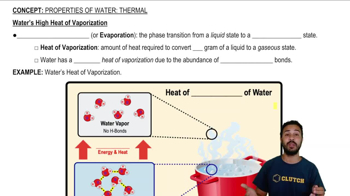
  • Water’s High Heat of Vaporization
    03:31

Properties of Water- The Universal Solvent

  • Properties of Water- The Universal Solvent
    06:20
  • Hydrophilic vs. Hydrophobic
    03:43
  • Homogenous vs. Heterogenous Solutions
    02:19

Acids and Bases

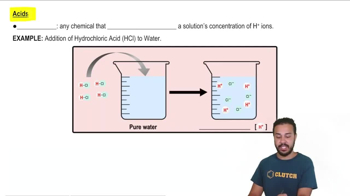
  • Acids
    02:45
  • Acids and Bases
    01:29
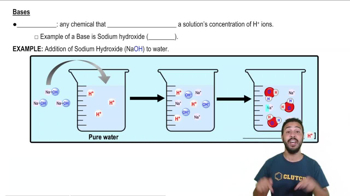
  • Bases
    03:48

pH Scale

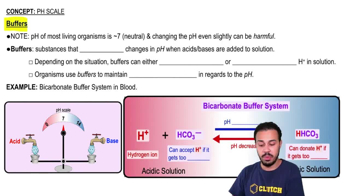
  • Buffers
    05:38
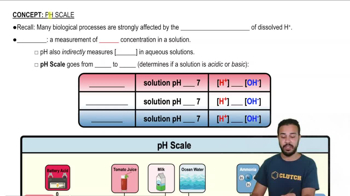
  • pH Scale
    11:05

Carbon

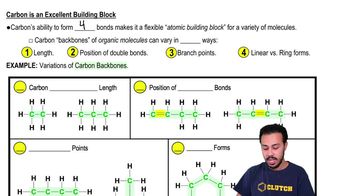
  • Carbon is an Excellent Building Block
    03:35
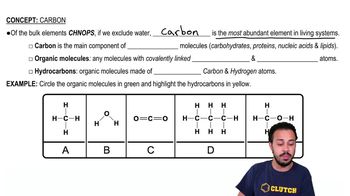
  • Carbon
    04:19

Functional Groups

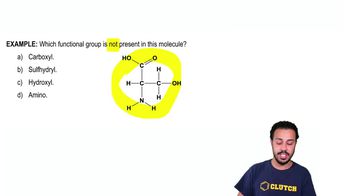
  • Functional Groups Example 1
    02:00
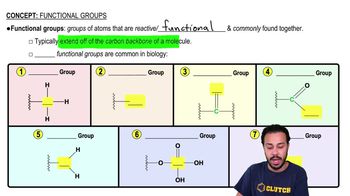
  • Functional Groups
    06:04

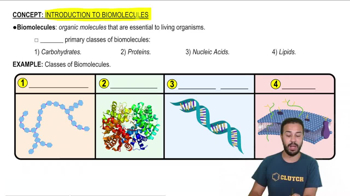
Introduction to Biomolecules

  • Introduction to Biomolecules
    01:17
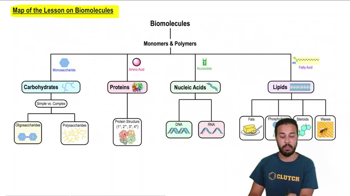
  • Map of the Lesson on Biomolecules
    01:29

Monomers & Polymers

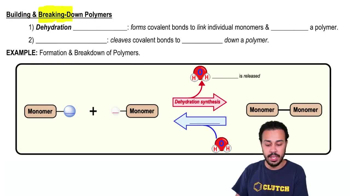
  • Building & Breaking-Down Polymers
    04:19
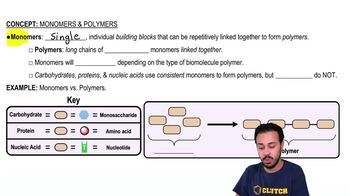
  • Monomers & Polymers
    03:42

Carbohydrates

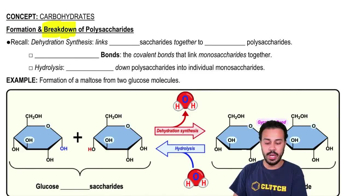
  • Formation & Breakdown of Polysaccharides
    03:08
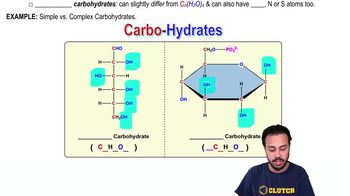
  • Carbohydrates
    04:53
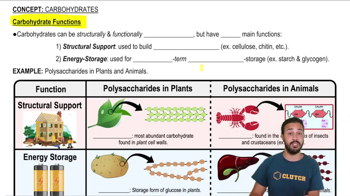
  • Carbohydrate Functions
    05:08

Proteins

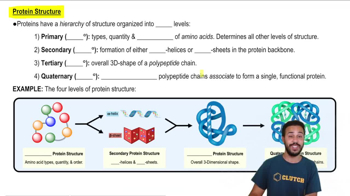
  • Protein Structure
    08:02
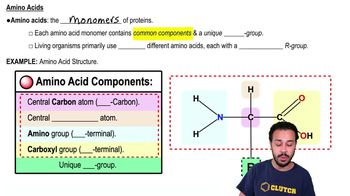
  • Amino Acids
    04:37
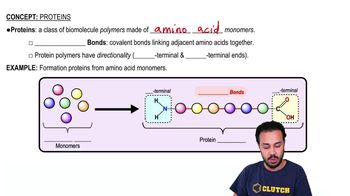
  • Proteins
    02:50

Nucleic Acids

  • Nucleic Acids Example 2
    01:05
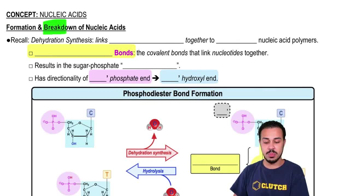
  • Formation & Breakdown of Nucleic Acids
    04:07
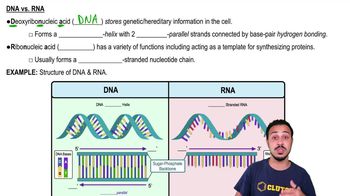
  • DNA vs. RNA
    05:57

Lipids

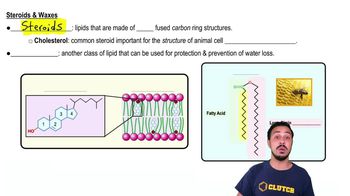
  • Steroids & Waxes
    03:30
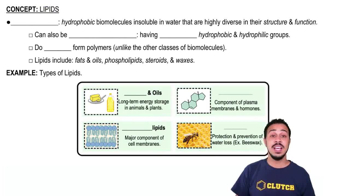
  • Lipids
    04:19
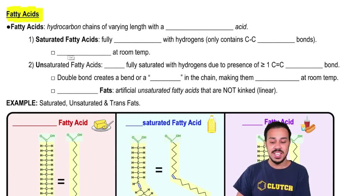
  • Fatty Acids
    06:59

Prokaryotic & Eukaryotic Cells

  • Recap: Prokaryotic vs. Eukaryotic Cells
    04:26
  • Prokaryotic & Eukaryotic Cells
    05:54
  • Features of Bacterial Cells
    03:54

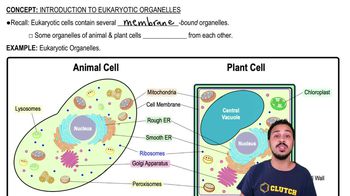
Introduction to Eukaryotic Organelles

  • Introduction to Eukaryotic Organelles
    03:45
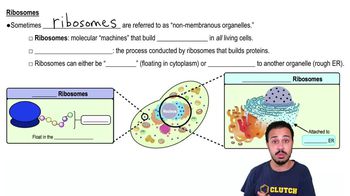
  • Ribosomes
    06:51
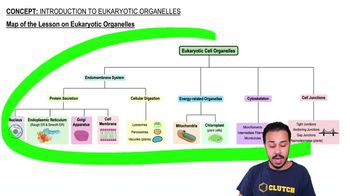
  • Map of the Lesson on Eukaryotic Organelles
    02:43

Endomembrane System: Protein Secretion

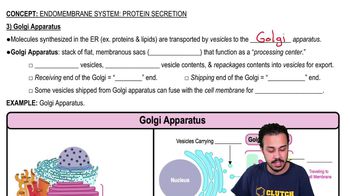
  • Golgi Apparatus
    06:02
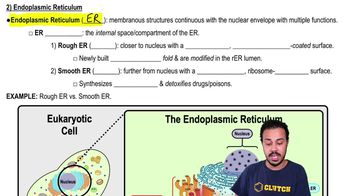
  • Endoplasmic Reticulum
    06:07
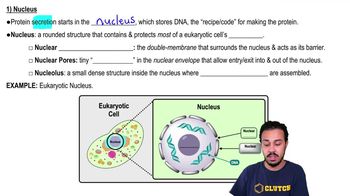
  • Nucleus
    06:32

Endomembrane System: Digestive Organelles

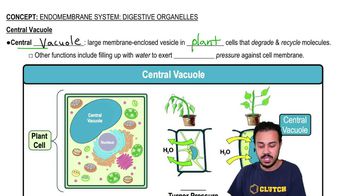
  • Central Vacuole
    03:35
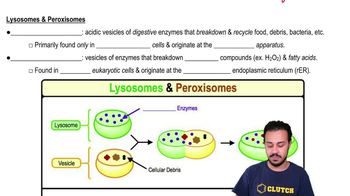
  • Lysosomes & Peroxisomes
    05:38

Mitochondria & Chloroplasts

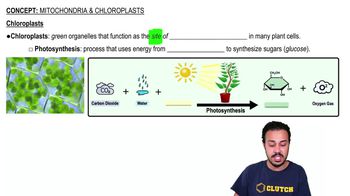
  • Chloroplasts
    03:16
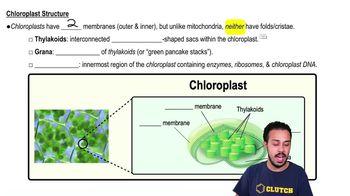
  • Chloroplast Structure
    03:41
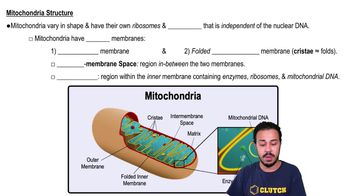
  • Mitochondria Structure
    04:45

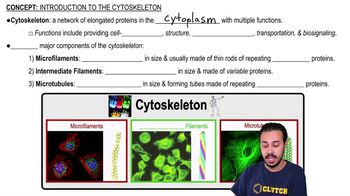
Introduction to the Cytoskeleton

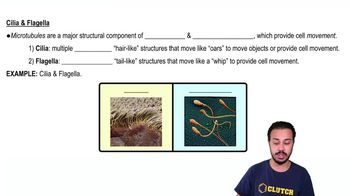
  • Cilia & Flagella
    03:15
  • Introduction to the Cytoskeleton
    06:05

Biological Membranes

  • Biological Membranes Example 1
    02:21
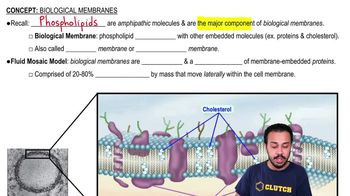
  • Biological Membranes
    06:04

Types of Membrane Proteins

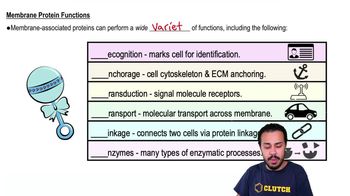
  • Membrane Protein Functions
    03:54
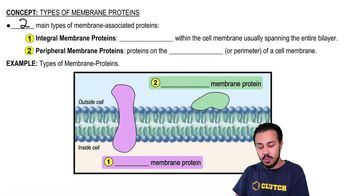
  • Types of Membrane Proteins
    02:35

Concentration Gradients and Diffusion

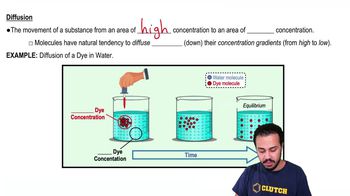
  • Diffusion
    02:44
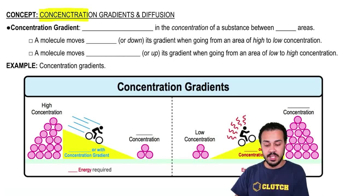
  • Concentration Gradients and Diffusion
    04:51

Introduction to Membrane Transport

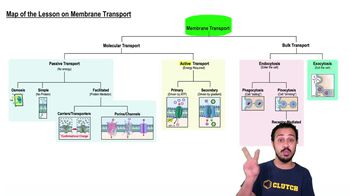
  • Map of the Lesson on Membrane Transport
    02:33
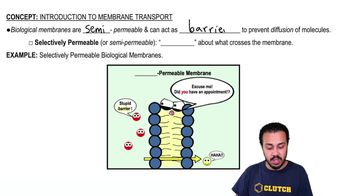
  • Introduction to Membrane Transport
    02:47
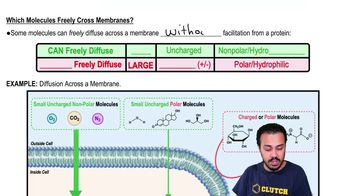
  • Which Molecules Freely Cross Membranes?
    07:10

Passive vs. Active Transport

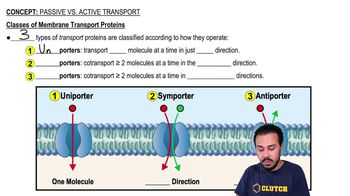
  • Classes of Membrane Transport Proteins
    03:28
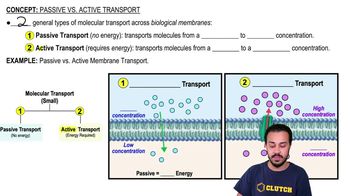
  • Passive vs. Active Transport
    04:18

Osmosis

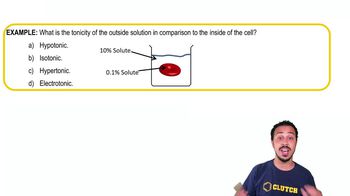
  • Osmosis Example 1
    02:18
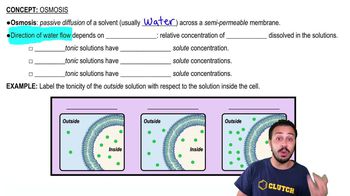
  • Osmosis
    05:59
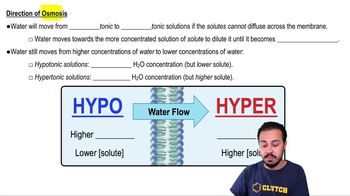
  • Direction of Osmosis
    06:48

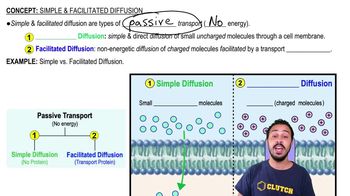
Simple and Facilitated Diffusion

  • Simple and Facilitated Diffusion
    05:10
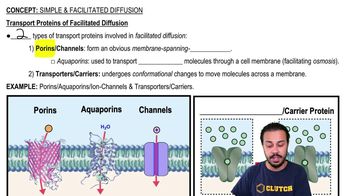
  • Transport Proteins of Facilitated Diffusion
    04:49

Active Transport

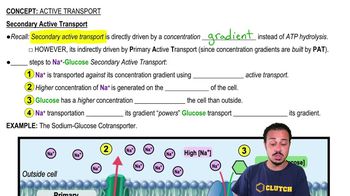
  • Secondary Active Transport
    07:06
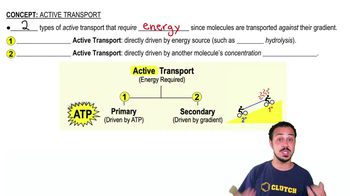
  • Active Transport
    02:37
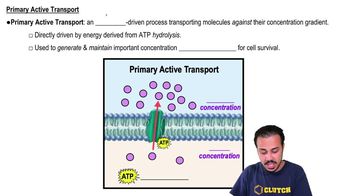
  • Primary Active Transport
    02:53

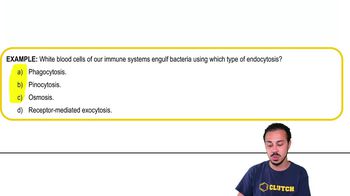
Endocytosis and Exocytosis

  • Endocytosis and Exocytosis Example 1
    01:52
  • Endocytosis Allows Entry to the Cell
    04:18
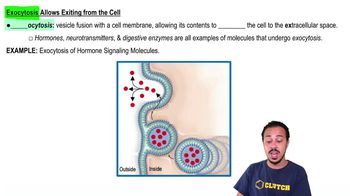
  • Exocytosis Allows Exiting from the Cell
    02:28

Introduction to Energy

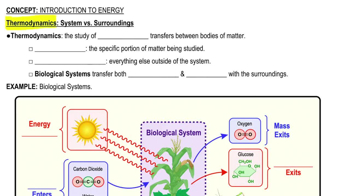
  • Thermodynamics: System vs. Surroundings
    04:21
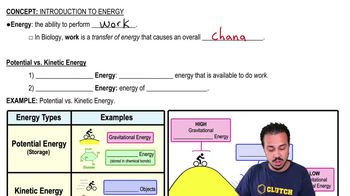
  • Introduction to Energy
    04:58

Laws of Thermodynamics

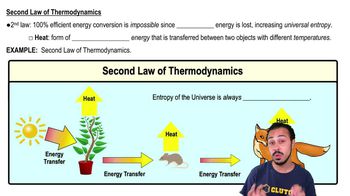
  • Second Law of Thermodynamics
    02:53
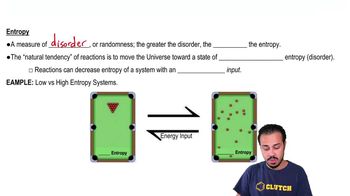
  • Entropy
    03:21
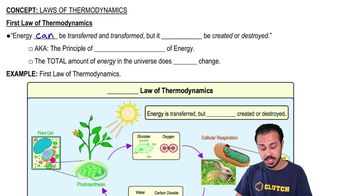
  • First Law of Thermodynamics
    04:43

Chemical Reactions

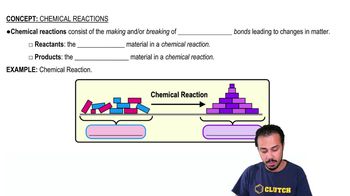
  • Chemical Reactions
    01:56
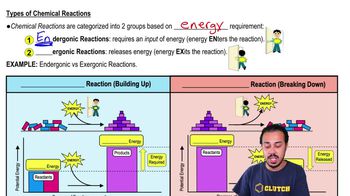
  • Types of Chemical Reactions
    05:48

ATP

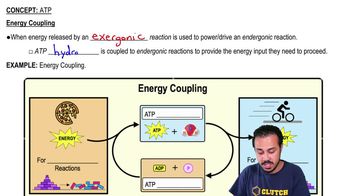
  • Energy Coupling
    04:57
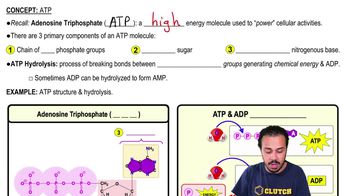
  • ATP
    06:43
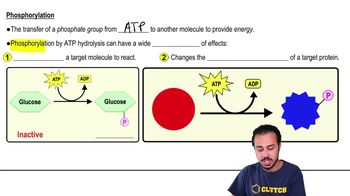
  • Phosphorylation
    03:

Enzymes

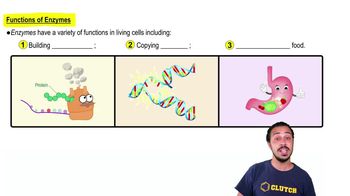
  • Functions of Enzymes
    02:32
  • Enzymes Example 1
    02:25
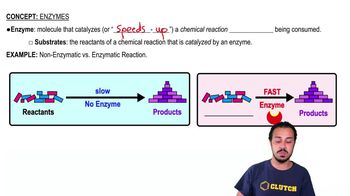
  • Enzymes
    02:55

Introduction to Metabolism

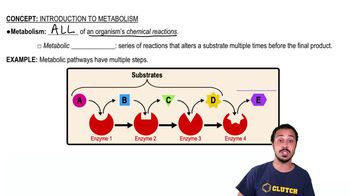
  • Introduction to Metabolism
    02:17
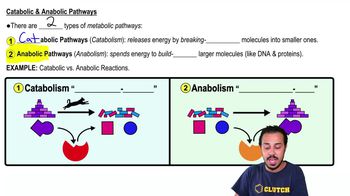
  • Catabolic & Anabolic Pathways
    03:25

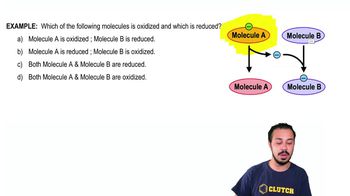
Redox Reactions

  • Redox Reactions Example 1
    01:44
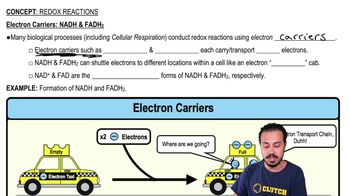
  • Electron Carriers: NADH & FADH2
    05:22
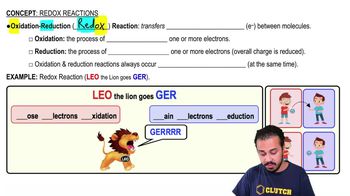
  • Redox Reactions
    04:47

Introduction to Aerobic Cellular Respiration

  • Introduction to Cellular Respiration Example 2
    01:53
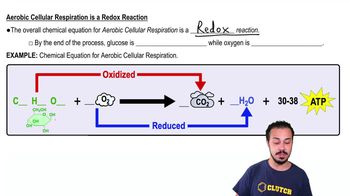
  • Aerobic Cellular Respiration is a Redox Reaction
    04:18
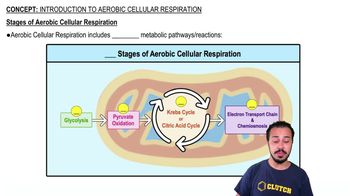
  • Stages of Aerobic Cellular Respiration
    02:31

Glycolysis

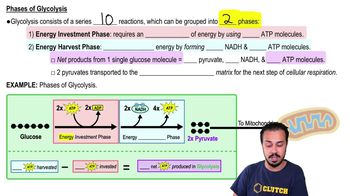
  • Phases of Glycolysis
    06:20
  • Glycolysis Example 1
    01:29
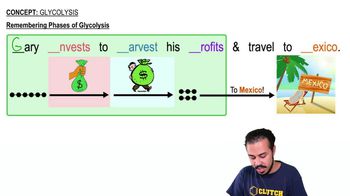
  • Remembering Phases of Glycolysis
    02:49

Pyruvate Oxidation

  • Pyruvate Oxidation
    04:38

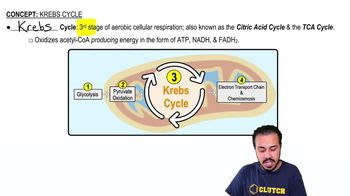
Krebs Cycle

  • Krebs Cycle Example 1
    01:20
  • Krebs Cycle
    01:37
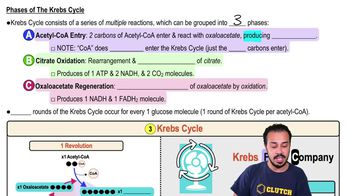
  • Phases of The Krebs Cycle
    09:54

Electron Transport Chain

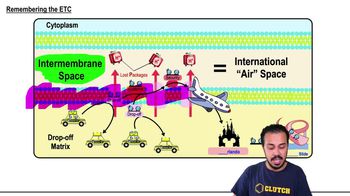
  • Remembering the ETC
    04:43
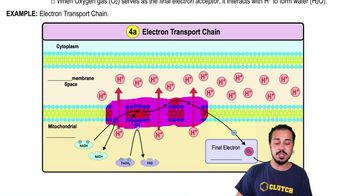
  • Electron Transport Chain
    07:41

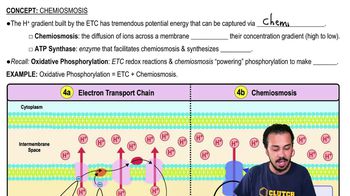
Chemiosmosis

  • Chemiosmosis
    05:01

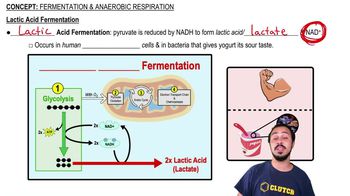
Fermentation & Anaerobic Respiration

  • Lactic Acid Fermentation
    03:34
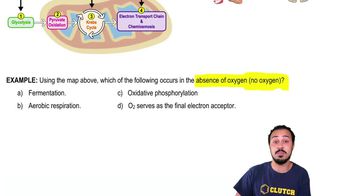
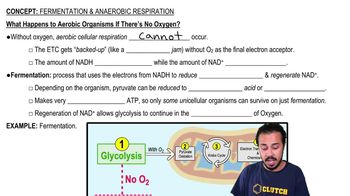
  • What Happens to Aerobic Organisms if There's No Oxygen?
    07:51
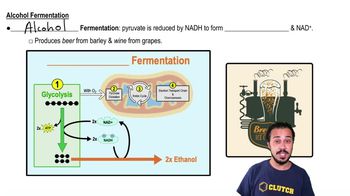
  • Alcohol Fermentation
    02:02

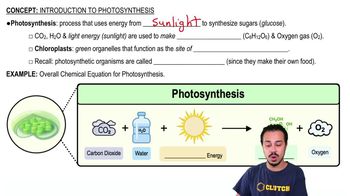
Introduction to Photosynthesis

  • Introduction to Photosynthesis
    03:32
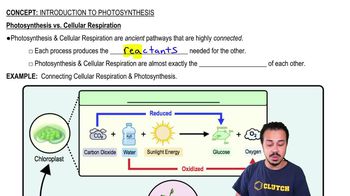
  • Photosynthesis vs. Cellular Respiration
    07:55
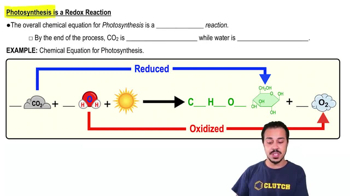
  • Photosynthesis is a Redox Reaction
    03:20

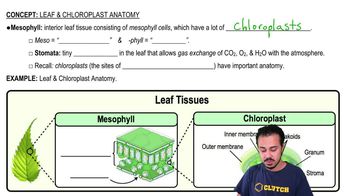
Leaf & Chloroplast Anatomy

  • Leaf & Chloroplast Anatomy
    08:18

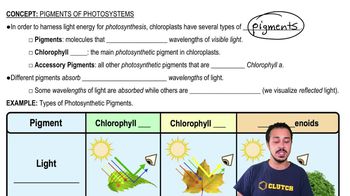
Pigments of Photosynthesis

  • Pigments of Photosynthesis
    05:58
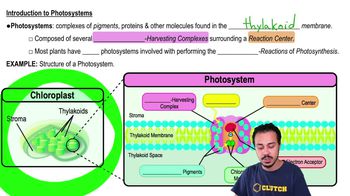
  • Introduction to Photosystems
    04:59
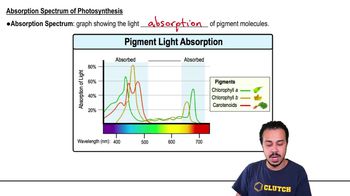
  • Absorption Spectrum of Photosynthesis
    02:52

Stages of Photosynthesis

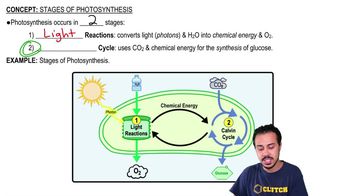
  • Stages of Photosynthesis
    03:16
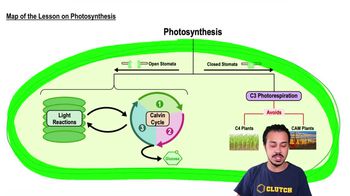
  • Map of the Lesson on Photosynthesis
    02:41

Light Reactions of Photosynthesis

  • Light Reactions of Photosynthesis Example 1
    01:48
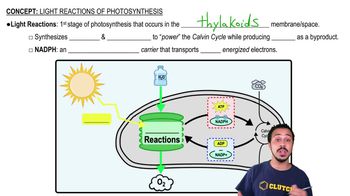
  • Light Reactions of Photosynthesis
    04:06
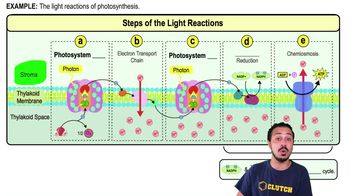
  • Steps of the Light Reactions
    15:15

Calvin Cycle

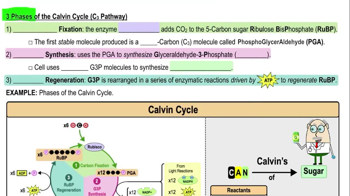
  • 3 Phases of the Calvin Cycle (C3 Pathway)
    10:58
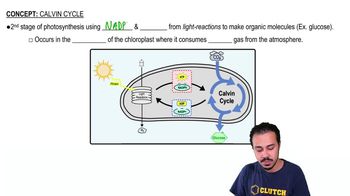
  • Calvin Cycle
    03:42

C3, C4 & CAM Plants

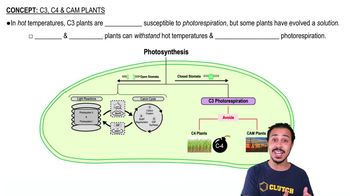
  • C3, C4 & CAM Plants
    04:34
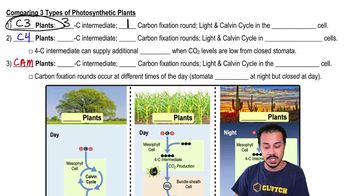
  • Comparing 3 Types of Photosynthetic Plants
    14:52

Introduction to DNA Replication

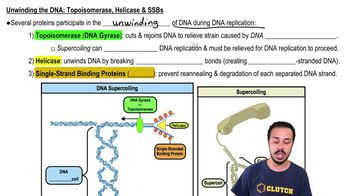
  • Unwinding the DNA: Topoisomerase, Helicase & SSBs
    05:10
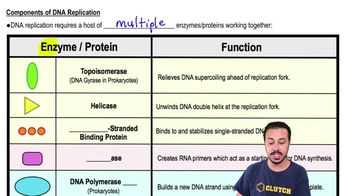
  • Components of DNA Replication
    04:47
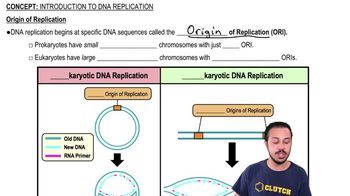
  • Origin of Replication
    03:33

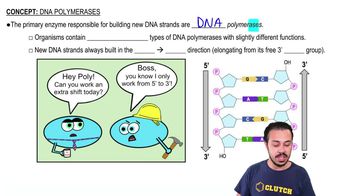
DNA Polymerases

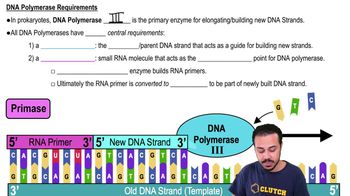
  • DNA Polymerase Requirements
    05:03
  • DNA Polymerases
    04:01

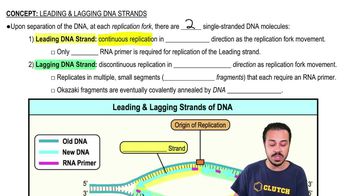
Leading & Lagging DNA Strands

  • Leading & Lagging DNA Strands
    05:15

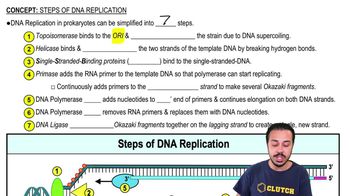
Steps of DNA Replication

  • Steps of DNA Replication
    09:29

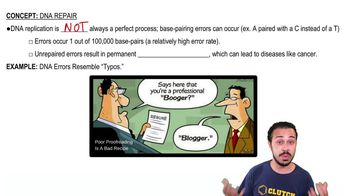
DNA Repair

  • DNA Repair
    03:20
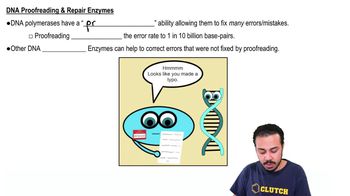
  • DNA Proofreading & Repair Enzymes
    02:12

Telomeres

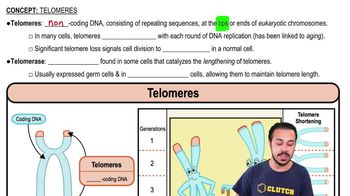
  • Telomeres
    04:25

Central Dogma

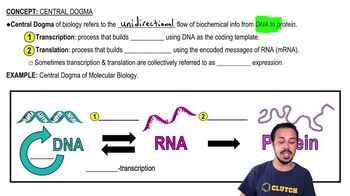
  • Central Dogma
    05:45

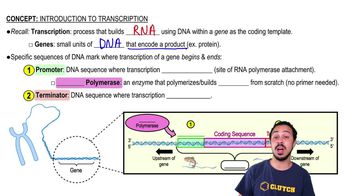
Introduction to Transcription

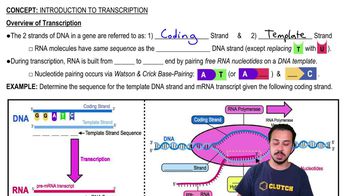
  • Overview of Transcription
    07:44
  • Introduction to Transcription
    05:51

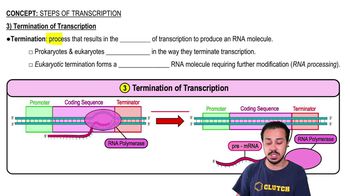
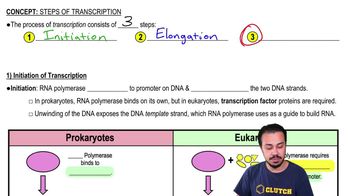
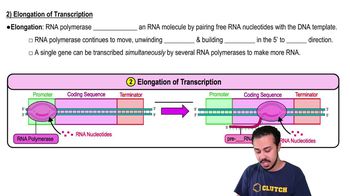
Steps of Transcription

  • 3) Termination of Transcription
    02:44
  • 1) Initiation of Transcription
    04:16
  • 2) Elongation of Transcription
    04:01

Eukaryotic RNA Processing and Splicing

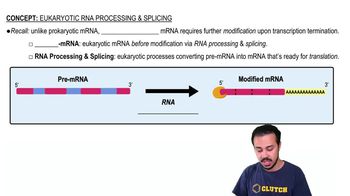
  • Eukaryotic RNA Processing and Splicing
    02:32
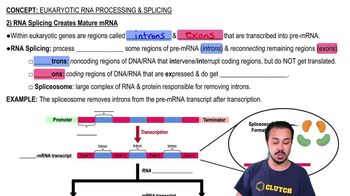
  • 2) RNA Splicing Creates Mature mRNA
    08:44
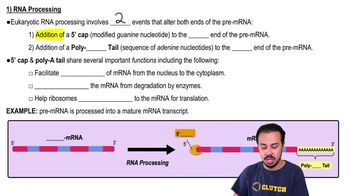
  • 1) RNA Processing
    04:19

Introduction to Types of RNA

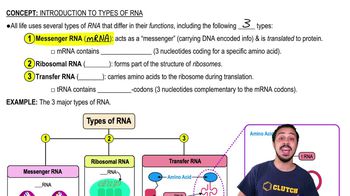
  • Introduction to Types of RNA
    07:20

Genetic Code

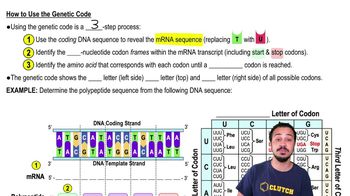
  • How to Use the Genetic Code
    11:39
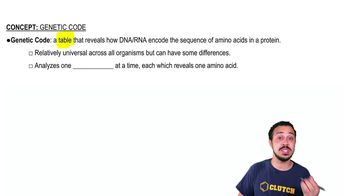
  • Genetic Code
    01:28

Introduction to Translation

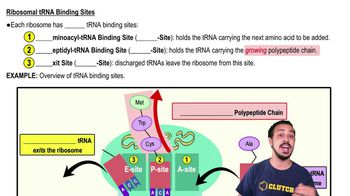
  • Ribosomal tRNA Binding Sites
    06:16
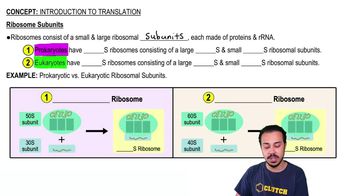
  • Ribosome Subunits
    08:42
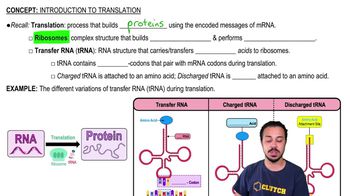
  • Introduction to Translation
    06:12

Steps of Translation

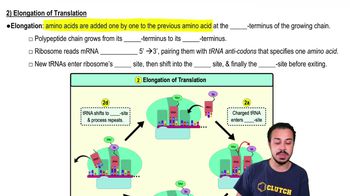
  • 2) Elongation of Translation
    04:59
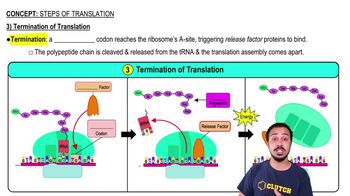
  • 3) Termination of Translation
    02:16
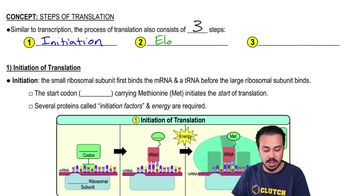
  • 1) Initiation of Translation
    05:03

Mutations

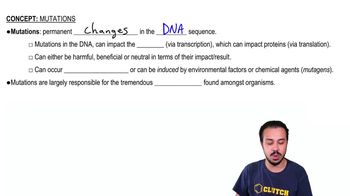
  • Mutations
    02:29
  • Types of Mutations
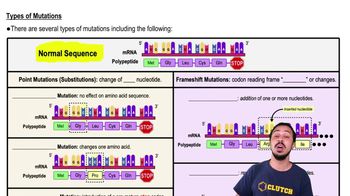
    08:44

Genomes

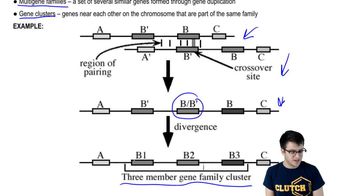
  • Gene Families
    02:06
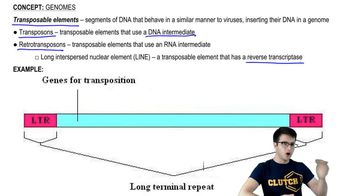
  • Transposable Elements and Pseudogenes
    03:57
  • Protein Encoding Genes
    02:11