Indietro
BIO 102 Week 8 Cancer Part 2 B
Guida di studio - Note intelligenti
 Appunti personalizzati basati sui tuoi materiali, ampliati con definizioni chiave, esempi e contesto.
Genetic Basis of Cancer: Retinoblastoma
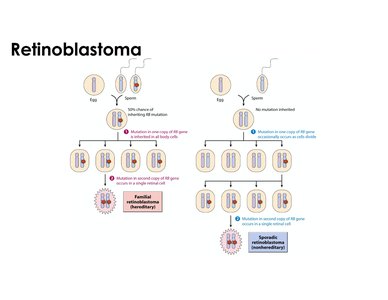
Cancer can arise from both inherited and spontaneous mutations. Retinoblastoma, a childhood eye cancer, illustrates the difference between hereditary and non-hereditary cancer pathways. The RB gene is a crucial tumor suppressor that inhibits cell proliferation by controlling the cell cycle transition from G1 to S phase.
Hereditary Retinoblastoma: One defective RB gene is inherited, present in all cells. Only one additional mutation is needed for cancer to develop.
Non-Hereditary Retinoblastoma: Both RB gene copies are normal at birth; two independent mutations must occur in the same cell for cancer to arise.
Tumor Suppressor Genes: Both alleles must be lost or mutated for loss of function and tumorigenesis.
Cell Cycle Regulation: RB protein restrains cell cycle progression; loss leads to uncontrolled replication.
Example: Familial retinoblastoma is more likely and aggressive due to the need for only one additional mutation.
Cancer Prevention and Epidemiology
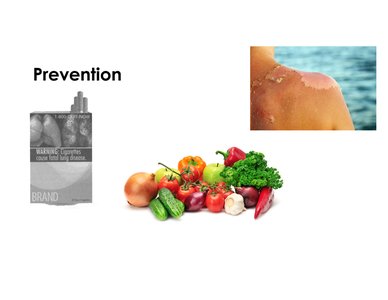
Environmental and lifestyle factors significantly influence cancer risk. Epidemiological studies reveal that certain behaviors and exposures can increase or decrease the likelihood of developing specific cancers.
Prevention Strategies: Avoiding tobacco, reducing alcohol consumption, maintaining a healthy diet, and minimizing sun exposure can lower cancer risk.
Environmental Influences: Geographic location, occupational hazards, and dietary choices affect cancer incidence (e.g., higher skin cancer rates in Australia due to sun exposure).
Dietary Factors: Diets high in cruciferous vegetables may reduce prostate cancer risk; high-fat, low-fiber diets increase risk for bowel and pancreatic cancers.
Example: Prostate cancer is slow-growing and often not fatal; lifestyle changes can impact prognosis.
Cancer Diagnosis and Staging
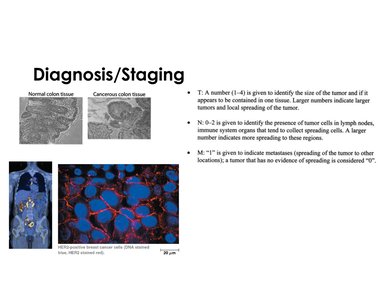
Early detection and accurate staging are critical for effective cancer treatment. Diagnosis involves histological analysis, molecular markers, and imaging techniques. Staging assesses tumor size, lymph node involvement, and metastasis.
Histology: Cancerous tissues show abnormal cell morphology compared to normal tissues.
Molecular Markers: Upregulation of proteins (e.g., HER2 in breast cancer) can indicate cancer presence.
Staging System: T (tumor size), N (lymph node involvement), M (metastasis) are used to classify cancer severity.
Example: HER2-positive breast cancer cells show high HER2 expression outside the nucleus.
Diagnostic Tests and Tumor Markers
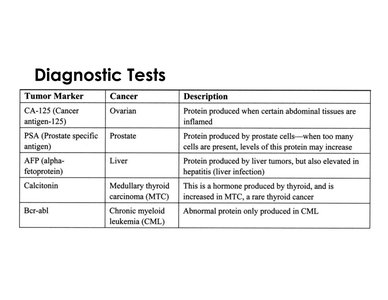
Tumor markers are proteins or molecules produced by cancer cells or affected tissues, aiding in diagnosis and monitoring.
CA-125: Indicates ovarian cancer; produced during abdominal inflammation.
PSA: Prostate-specific antigen; elevated in prostate cancer.
AFP: Alpha-fetoprotein; produced by liver tumors and in hepatitis.
Calcitonin: Elevated in medullary thyroid carcinoma.
Bcr-abl: Abnormal protein in chronic myeloid leukemia (CML).
Tumor Marker | Cancer | Description |
|---|---|---|
CA-125 | Ovarian | Protein produced when certain abdominal tissues are inflamed |
PSA | Prostate | Protein produced by prostate cells—when too many cells are present, levels of this protein may increase |
AFP | Liver | Protein produced by liver tumors, but also elevated in hepatitis (liver infection) |
Calcitonin | Medullary thyroid carcinoma (MTC) | This is a hormone produced by thyroid, and is increased in MTC, a rare thyroid cancer |
Bcr-abl | Chronic myeloid leukemia (CML) | Abnormal protein only produced in CML |
Standard Cancer Treatments: Surgery, Radiation, and Chemotherapy
Cancer treatment often involves a combination of surgery, radiation, and chemotherapy. The choice depends on cancer type, location, and stage.
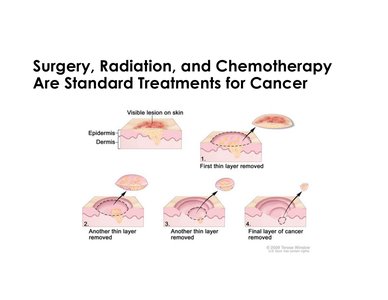
Surgery: Removal of tumor mass; effectiveness depends on clean margins and absence of metastasis.
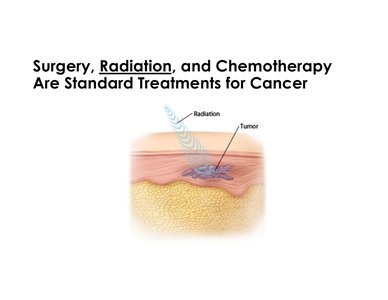
Radiation Therapy: Uses high-energy X-rays to induce DNA damage and kill cancer cells. Can activate apoptosis via p53 pathway or cause chromosomal damage.
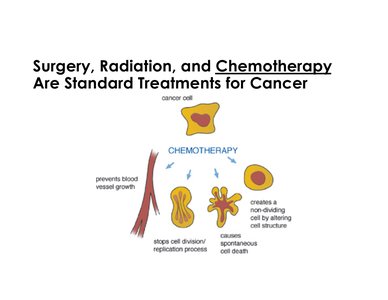
Chemotherapy: Systemic drugs target rapidly dividing cells, inhibiting metabolic pathways, DNA replication, or mitosis. Affects both cancerous and healthy cells with high turnover.
Example: Skin cancer surgery involves excising layers until no abnormal cells remain.
Targeted Therapies and Synthetic Lethality
Targeted therapies exploit specific molecular abnormalities in cancer cells, aiming for greater efficacy and fewer side effects. Synthetic lethal approaches selectively kill cancer cells by targeting pathways lost in tumor cells but intact in normal cells.
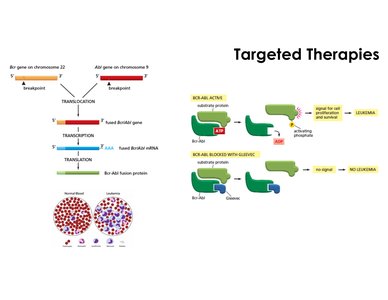
BCR-ABL Fusion: In CML, a translocation creates a BCR-ABL fusion protein with abnormal tyrosine kinase activity, promoting cell proliferation.
Gleevec: Small molecule inhibitor that blocks ATP binding in BCR-ABL, preventing substrate phosphorylation and cell proliferation.
Synthetic Lethality: Drugs block redundant DNA repair pathways; normal cells survive using alternative pathways, but tumor cells with lost redundancy die.
Example: Gleevec treatment leads to remission in CML patients by targeting the fusion protein.
Drug Resistance in Cancer
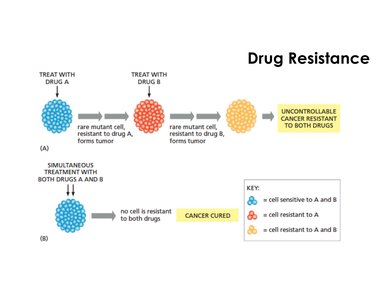
Cancer cells can evolve resistance to anti-cancer drugs, similar to antibiotic resistance in bacteria. Combination therapies can reduce the likelihood of resistance.
Sequential Treatment: Cancer cells may become resistant to individual drugs over time.
Simultaneous Treatment: Using multiple drugs at once can prevent the emergence of resistant cells.
Example: HIV and AIDS treatments use drug cocktails to target multiple viral pathways.
Cancer and the Immune System: Immunotherapy
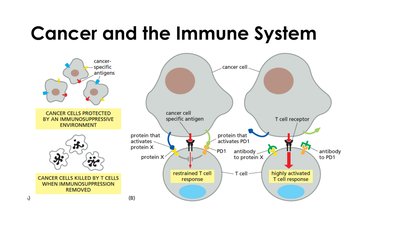
Immunotherapy harnesses the immune system to target cancer cells. Tumors often create immunosuppressive microenvironments, evading immune detection. Antibody-based therapies can block inhibitory signals and enhance T cell responses.
Immune Evasion: Cancer cells express inhibitory proteins that restrain T cell activity.
Antibody Therapy: Antibodies block inhibitory receptors (e.g., PD-1), allowing T cells to attack cancer cells.
Risks: Enhanced immune response may provoke autoimmune side effects.
Example: Antibodies targeting cancer-specific antigens can selectively kill tumor cells.
Monoclonal Antibody Therapy: HER2 and Herceptin
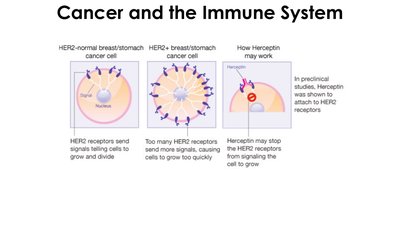
Monoclonal antibodies can target overexpressed proteins in cancer cells. Herceptin is used for HER2-positive breast and stomach cancers, binding to HER2 receptors and inhibiting cell division.
HER2 Receptor: Overexpression leads to excessive cell division signals.
Herceptin: Monoclonal antibody binds HER2, thought to prevent receptor dimerization and downregulate signaling.
Example: Herceptin is effective for HER2-positive cancers but not for normal HER2 expression.
Immunotherapy Approaches
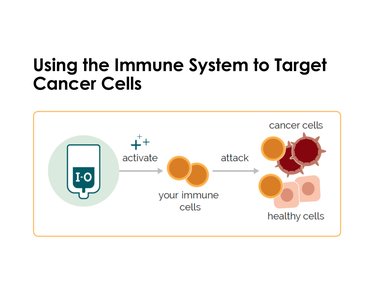
Immunotherapy aims to activate the patient's immune cells for a more personalized and targeted attack on cancer cells. This approach is rapidly evolving and offers new avenues for cancer treatment.
Activation of Immune Cells: Drugs or antibodies stimulate immune cells to recognize and destroy cancer cells.
Personalized Medicine: Treatments tailored to individual cancer profiles and immune responses.
Example: Immune checkpoint inhibitors and CAR-T cell therapies are current immunotherapy strategies.
Translational Research: From Basic Science to Clinical Application
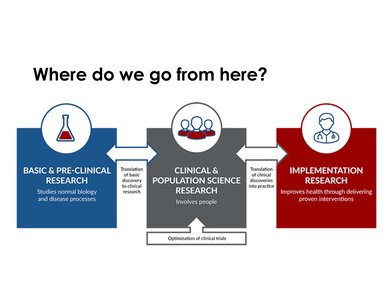
Translational research bridges basic biological discoveries and clinical implementation. Understanding molecular and cellular mechanisms enables the development of new diagnostics and treatments.
Basic Research: Studies normal biology and disease processes.
Clinical Research: Tests discoveries in people through clinical trials.
Implementation: Proven interventions are delivered to improve health outcomes.
Example: Development of targeted therapies and immunotherapies relies on translational science.