 Indietro
Cell Division: The Cell Cycle and Mitosis – Study Notes for General Biology
Guida di studio - Note intelligenti
 Appunti personalizzati basati sui tuoi materiali, ampliati con definizioni chiave, esempi e contesto.
Cell Division and the Cell Cycle
Overview of Cell Division
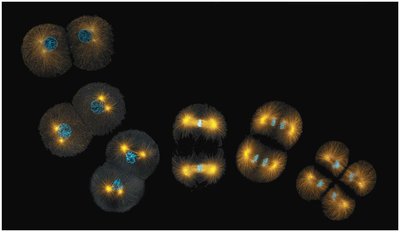
Cell division is a fundamental process that enables organisms to reproduce, grow, and maintain their tissues. It is essential for the continuity of life, as it allows cells to generate new cells through a highly regulated cycle.
Cell division distinguishes living organisms from nonliving matter by enabling reproduction and growth.
The cell cycle is the sequence of events from a cell's formation to its own division.
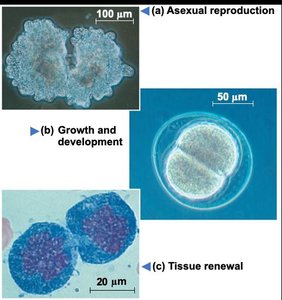
Functions of cell division include asexual reproduction, growth and development, and tissue renewal.
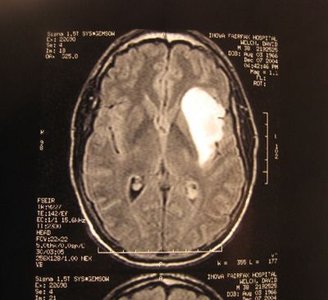
Errors in cell division can lead to diseases such as cancer.
Genetic Material and Chromosome Organization
Cell division results in genetically identical daughter cells, requiring precise duplication and distribution of genetic material.
Gene: Functional unit of DNA containing instructions to make a protein.
Genome: All DNA in a cell, organized into chromosomes.
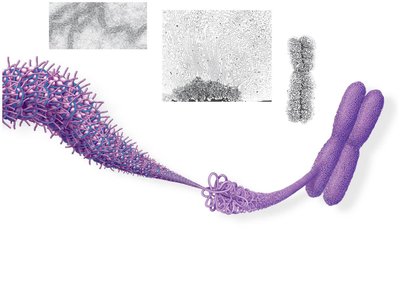
Chromosome: A single DNA molecule, visible when tightly packaged.
Chromatin: DNA/protein complex in the nucleus; can be euchromatin (loosely packed, easily expressed) or heterochromatin (tightly packed, not easily expressed).
Chromosome Number and Species Variation
Each species has a characteristic number of chromosomes, which are duplicated before cell division.
Diploid number: Total number of chromosomes in a somatic cell.
Chromosome numbers vary among species (e.g., humans have 46, fruit flies have 8).
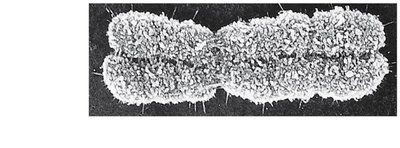
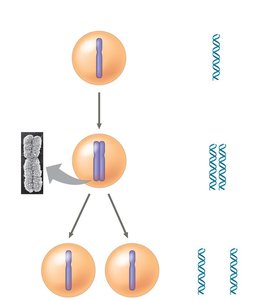
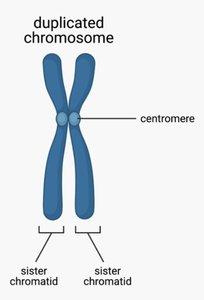
Prior to division, chromosomes duplicate, forming sister chromatids joined at the centromere.
DNA Packaging and Chromatin Structure
Levels of DNA Packaging
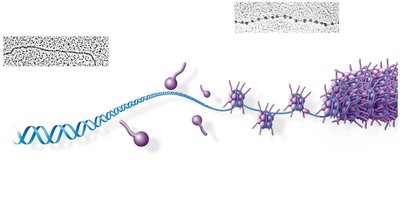
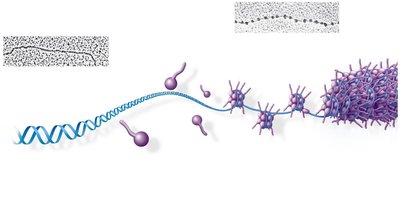
DNA is packaged in the cell through association with histone proteins, forming nucleosomes and higher-order structures.
Histones: Proteins that help package DNA into nucleosomes.
Nucleosome: "Beads on a string" structure, 10-nm fiber.
Further packaging forms 30-nm fibers, looped domains, and metaphase chromosomes.
Euchromatin vs. Heterochromatin
Chromatin can exist in two forms, affecting gene expression.
Euchromatin: Loosely packed, transcriptionally active.
Heterochromatin: Densely packed, transcriptionally inactive (e.g., centromeres, telomeres).
The Cell Cycle
Phases of the Cell Cycle
The cell cycle consists of interphase and the mitotic (M) phase, each with distinct subphases.
Interphase: Includes G1 (growth), S (DNA synthesis), and G2 (preparation for division).
M Phase: Includes mitosis (division of genetic material) and cytokinesis (division of cytoplasm).
Chromosome Duplication and Distribution
Chromosomes are duplicated during the S phase and distributed evenly during mitosis.
Each duplicated chromosome consists of two sister chromatids.
During mitosis, sister chromatids are separated into two daughter cells.
Mitosis: Stages and Mechanisms
Stages of Mitosis (PMAT)
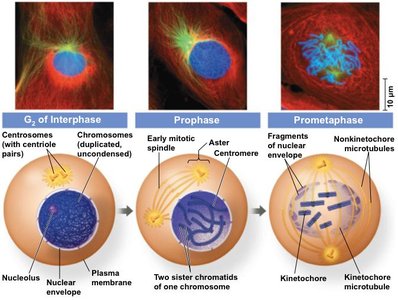
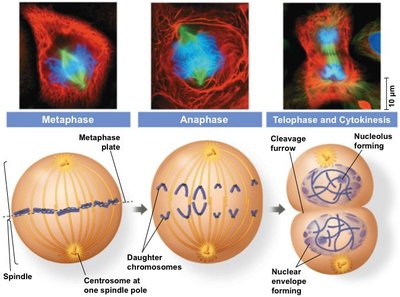
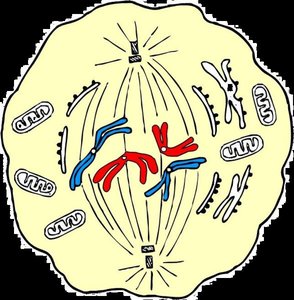
Mitosis is divided into four main stages: prophase, metaphase, anaphase, and telophase, followed by cytokinesis.
Prophase: Chromosomes condense, spindle forms, nuclear envelope breaks down.
Metaphase: Chromosomes align at the metaphase plate, spindle attaches to kinetochores.
Anaphase: Sister chromatids are pulled apart to opposite poles.
Telophase: Nuclear envelope reforms, chromosomes decondense, cytokinesis begins.
Cytokinesis
Cytokinesis is the process by which the cytoplasm divides, resulting in two daughter cells.
In animal cells, a cleavage furrow forms via microfilament contraction.
In plant cells, a cell plate forms, leading to a new cell wall.
Regulation of the Cell Cycle
Cell Cycle Checkpoints
The cell cycle is regulated by checkpoints that ensure proper division and prevent errors.
G1 checkpoint: Determines if the cell will divide; entry into G0 phase if not.
G2 checkpoint: Ensures chromosomes are duplicated and resources are sufficient.
M checkpoint: Ensures all chromosomes are aligned and attached to the spindle.
External Signals and Cell Cycle Control
Cell cycle progression requires external signals, such as anchorage dependence and density-dependent inhibition.
Anchorage dependence: Cells require a surface to divide.
Density-dependent inhibition: Cells stop dividing when a single layer is formed or a gap is filled.
Cancer cells often lose these controls, leading to uncontrolled proliferation.
Anticancer Drugs and Cell Cycle Disruption
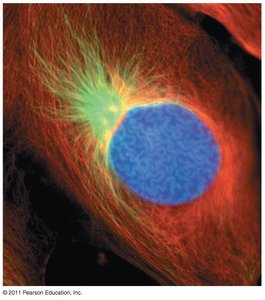
Drugs like Taxol disrupt microtubule formation, halting mitosis and affecting cancer cell proliferation.
Taxol binds to microtubules, preventing spindle formation and stopping mitosis.
Prokaryotic Cell Division: Binary Fission
Binary Fission in Prokaryotes
Prokaryotes reproduce by binary fission, a simpler process than mitosis.
DNA is replicated and distributed to two daughter cells.
No mitotic spindle or complex chromosome structure.
Summary and Review
Key Concepts
Cell division is essential for reproduction, growth, and tissue maintenance.
DNA is organized into chromosomes, which are duplicated and distributed during the cell cycle.
Mitosis ensures equal distribution of genetic material; cytokinesis completes cell division.
Cell cycle checkpoints and external signals regulate division and prevent errors.
Binary fission is the mechanism of cell division in prokaryotes.
Additional info:
Cell cycle regulation is a major topic in cancer biology, as loss of control leads to tumor formation.
Chromosome number is a key feature in genetics and species identification.
Binary fission is a rapid and efficient method of reproduction in prokaryotes.
