Indietro
Cellular Respiration and Fermentation: Study Guide for General Biology
Guida di studio - Note intelligenti
 Appunti personalizzati basati sui tuoi materiali, ampliati con definizioni chiave, esempi e contesto.
Cellular Respiration and Fermentation
Overview of Cellular Respiration
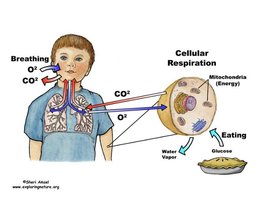
Cellular respiration is a fundamental metabolic process by which cells extract energy from organic molecules, primarily glucose, to produce ATP, the main energy currency of the cell. This process is essential for powering cellular activities and maintaining life.
Organic Molecules: Carbohydrates, fats, and proteins are consumed as fuel for cellular respiration.
ATP Production: The chemical energy stored in food is converted into ATP through a series of metabolic pathways.
Catabolism: Cellular respiration is a catabolic process, breaking down complex molecules into simpler ones and releasing energy.
Glucose: The Primary Fuel
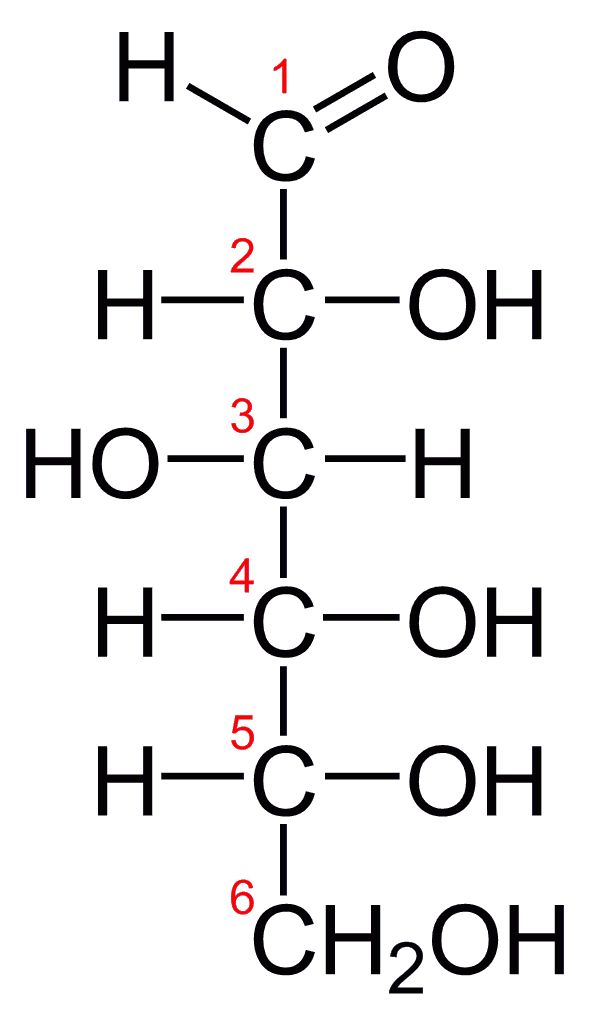
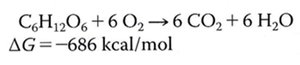
Glucose (C6H12O6) is a high-energy molecule whose carbon-carbon and carbon-hydrogen bonds store significant chemical energy. This energy is released in a controlled manner during cellular respiration.
Energy Storage: Glucose's bonds are broken to release energy for ATP synthesis.
ATP: Adenosine triphosphate (ATP) is the primary energy carrier in cells.
Overall Chemical Reaction of Cellular Respiration
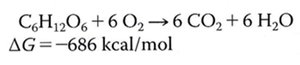
The process of cellular respiration can be summarized by the following equation:
Reactants: Glucose and oxygen
Products: Carbon dioxide, water, and energy (ATP and heat)
Catabolic Pathways
Catabolic pathways break down organic molecules to release energy.
Aerobic Respiration: Uses oxygen as the final electron acceptor; highly efficient.
Fermentation: Occurs without oxygen; less efficient.
Anaerobic Respiration: Uses substances other than oxygen as the final electron acceptor.
Redox Reactions in Cellular Respiration
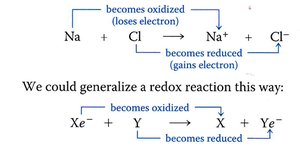
Cellular respiration involves oxidation-reduction (redox) reactions, where electrons are transferred between molecules.
Oxidation: Loss of electrons
Reduction: Gain of electrons
Reducing Agent: Electron donor
Oxidizing Agent: Electron acceptor
Electron Carriers: NAD+ and FAD
Two key electron carriers participate in cellular respiration:
NAD+ (Nicotinamide Adenine Dinucleotide): Accepts electrons and becomes NADH.
FAD (Flavin Adenine Dinucleotide): Accepts electrons and becomes FADH2.
Stages of Cellular Respiration
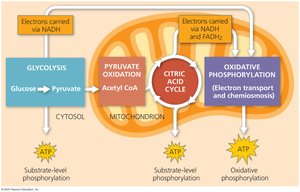
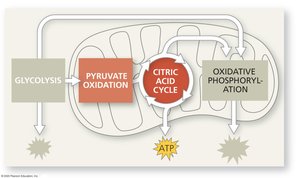
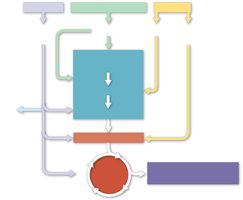
Cellular respiration occurs in three main stages:
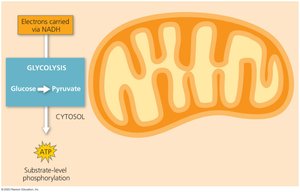
Glycolysis: Occurs in the cytoplasm; breaks glucose into pyruvate.
Pyruvate Oxidation and Citric Acid Cycle: Occurs in the mitochondria; further oxidizes pyruvate to CO2 and produces NADH and FADH2.
Oxidative Phosphorylation: Includes the electron transport chain and chemiosmosis; produces most ATP.
Glycolysis
Glycolysis is the first stage of cellular respiration and occurs in the cytoplasm. It consists of two phases:
Energy Investment Phase: ATP is used to phosphorylate glucose.
Energy Payoff Phase: ATP and NADH are produced.
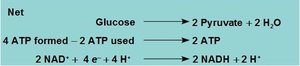
Products: 2 pyruvate, 2 ATP (net), 2 NADH, 2 H2O
Fate of Pyruvate
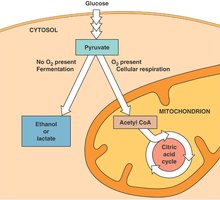
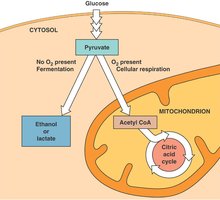
After glycolysis, pyruvate can follow different pathways depending on oxygen availability:
With Oxygen: Pyruvate enters mitochondria for further oxidation.
Without Oxygen: Pyruvate undergoes fermentation.
Mitochondria: The Site of Respiration
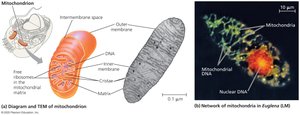
Mitochondria are organelles where most ATP is produced.
Structure: Outer membrane, inner membrane (cristae), matrix, circular DNA, ribosomes
Function: Houses enzymes for respiration and ATP synthesis
Pyruvate Oxidation
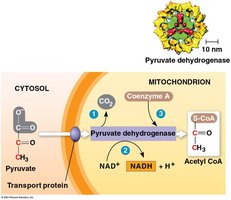
Pyruvate is transported into the mitochondrial matrix and converted to acetyl CoA by the enzyme pyruvate dehydrogenase.
Products: Acetyl CoA, NADH, CO2
Citric Acid (Krebs) Cycle
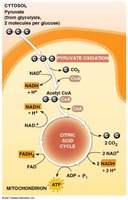
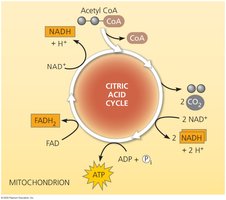
The citric acid cycle oxidizes acetyl CoA to produce CO2, ATP, NADH, and FADH2.
Each turn: 2 CO2, 1 ATP, 3 NADH, 1 FADH2
Location: Mitochondrial matrix
Oxidative Phosphorylation
This stage includes the electron transport chain and chemiosmosis, accounting for most ATP production.
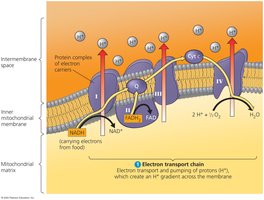
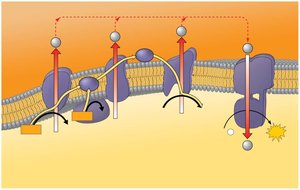
Electron Transport Chain: Located in the inner mitochondrial membrane; electrons from NADH and FADH2 are transferred through protein complexes to oxygen.
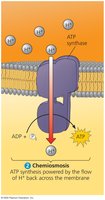
Chemiosmosis: Energy from electron transfer pumps H+ across the membrane, creating a gradient used by ATP synthase to generate ATP.
ATP Yield and Efficiency
Total ATP: About 30-32 ATP per glucose molecule
Efficiency: About 34% of the energy in glucose is captured as ATP; the rest is released as heat
Catabolism of Other Molecules
Carbohydrates: Hydrolyzed to glucose and enter glycolysis
Proteins: Digested to amino acids, which can enter glycolysis or the citric acid cycle
Fats: Broken down to glycerol (enters glycolysis) and fatty acids (converted to acetyl CoA via beta-oxidation)
Fermentation and Anaerobic Respiration
When oxygen is absent, cells use fermentation or anaerobic respiration to produce ATP.
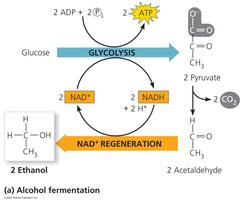
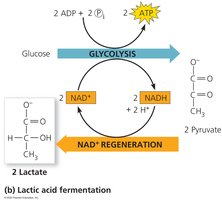
Fermentation: Glycolysis plus reactions that regenerate NAD+; allows continuous ATP production
Alcohol Fermentation: Pyruvate is converted to ethanol and CO2
Lactic Acid Fermentation: Pyruvate is reduced to lactate
Anaerobic Respiration: Uses electron transport chain with a final electron acceptor other than oxygen (e.g., sulfate)
Comparing Fermentation and Aerobic Respiration
Feature | Aerobic Respiration | Fermentation |
|---|---|---|
ATP Yield | ~32 ATP/glucose | 2 ATP/glucose |
Final Electron Acceptor | O2 | Pyruvate or acetaldehyde |
Electron Transport Chain | Present | Absent |
End Products | CO2, H2O | Ethanol or lactate |
Types of Anaerobes
Obligate Anaerobes: Use only fermentation or anaerobic respiration; cannot survive in O2.
Facultative Anaerobes: Can use aerobic respiration when O2 is present or fermentation when it is absent.
Summary Table: Cellular Respiration Pathways
Pathway | Location | ATP Yield | Key Products |
|---|---|---|---|
Glycolysis | Cytoplasm | 2 ATP | Pyruvate, NADH |
Pyruvate Oxidation | Mitochondrial Matrix | 0 ATP | Acetyl CoA, NADH, CO2 |
Citric Acid Cycle | Mitochondrial Matrix | 2 ATP | CO2, NADH, FADH2 |
Oxidative Phosphorylation | Inner Mitochondrial Membrane | 26-28 ATP | ATP, H2O |
Fermentation | Cytoplasm | 2 ATP | Ethanol or lactate |
Key Terms
ATP: Adenosine triphosphate, main energy carrier
Glycolysis: Breakdown of glucose to pyruvate
Citric Acid Cycle: Series of reactions oxidizing acetyl CoA
Oxidative Phosphorylation: ATP production via electron transport chain and chemiosmosis
Fermentation: ATP production without oxygen
Redox Reaction: Electron transfer between molecules
Example Application
Human Muscle Cells: Switch to lactic acid fermentation during intense exercise when O2 is scarce.
Yeast: Use alcohol fermentation in brewing and baking.