 Indietro
Cellular Respiration: Mechanisms and Stages
Guida di studio - Note intelligenti
 Appunti personalizzati basati sui tuoi materiali, ampliati con definizioni chiave, esempi e contesto.
Cellular Respiration
Overview of Cellular Respiration
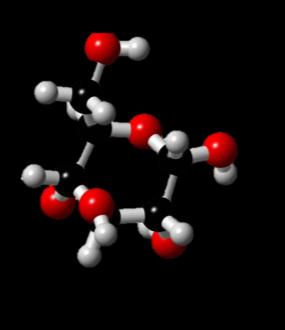
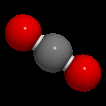
Cellular respiration is a fundamental metabolic process by which cells extract energy from glucose and other organic molecules. This process involves a series of redox reactions, where electrons are transferred from glucose to oxygen, resulting in the release of energy that is used to produce ATP. - Key Point 1: Cellular respiration is a controlled, stepwise process, unlike the rapid energy release seen in combustion. - Key Point 2: The overall chemical equation for cellular respiration is: - Example: Burning sugar (combustion) releases energy quickly as heat and light, while cellular respiration releases energy gradually and stores it as ATP. 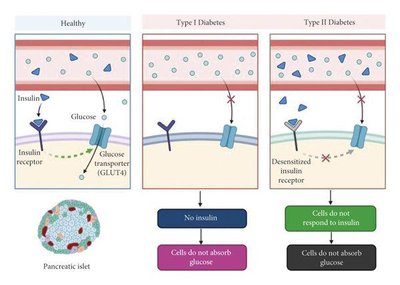


Redox Reactions in Cellular Respiration
Redox (reduction-oxidation) reactions are central to cellular respiration. Electrons are removed from glucose (oxidation) and transferred to oxygen (reduction), often via electron carriers such as NADH and FADH2. - Key Point 1: Oxidation is the loss of electrons (or hydrogen atoms), while reduction is the gain of electrons. - Key Point 2: The mnemonic "OIL RIG" helps remember: Oxidation Is Losing, Reduction Is Gaining. - Example: In the reaction Na → Na+, sodium is oxidized; Cl → Cl-, chlorine is reduced. 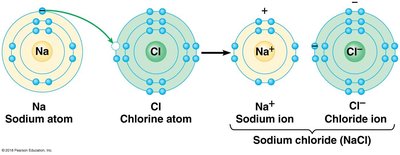
Comparison: Cellular Respiration vs. Sugar Combustion
Both cellular respiration and sugar combustion are redox reactions, but they differ in their mechanisms and outcomes. - Key Point 1: Cellular respiration is stepwise, enzyme-catalyzed, and energy is harvested as ATP. - Key Point 2: Combustion releases energy rapidly as heat and light. - Example: Both processes convert glucose and oxygen to carbon dioxide and water, but only cellular respiration produces ATP. 
Stages of Cellular Respiration
Stage 1: Glycolysis
Glycolysis is the first stage of cellular respiration, occurring in the cytoplasm. It breaks down glucose into two molecules of pyruvate, producing a small amount of ATP and NADH. - Key Point 1: Glycolysis does not require oxygen (anaerobic). - Key Point 2: The products are pyruvate, ATP, and NADH. - Example: Glucose (C6H12O6) is split into two pyruvate molecules. 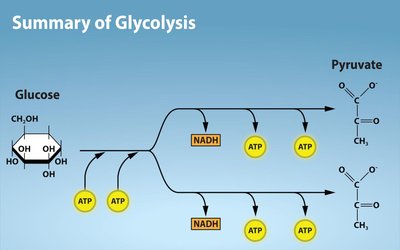
Stage 2: Pyruvate Oxidation and Citric Acid Cycle
Pyruvate produced in glycolysis is transported into the mitochondria, where it is oxidized to acetyl CoA. Acetyl CoA enters the citric acid cycle (Krebs cycle), which completes the oxidation of glucose and produces NADH, FADH2, ATP, and CO2. - Key Point 1: The citric acid cycle is a series of enzyme-catalyzed reactions. - Key Point 2: Most electron carriers (NADH, FADH2) are generated in this stage. - Example: Acetyl CoA combines with oxaloacetate to form citrate, which is then metabolized through the cycle. 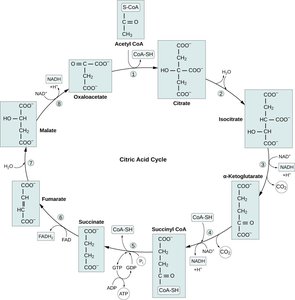
Stage 3: Oxidative Phosphorylation
Oxidative phosphorylation consists of two parts: the electron transport chain and chemiosmosis. Electrons from NADH and FADH2 are transferred through protein complexes in the inner mitochondrial membrane, releasing energy to pump protons (H+) into the intermembrane space. The resulting proton gradient drives ATP synthesis via ATP synthase. - Key Point 1: The electron transport chain transfers electrons to oxygen, forming water. - Key Point 2: Chemiosmosis uses the proton gradient to synthesize ATP. - Example: Most ATP is produced during oxidative phosphorylation. 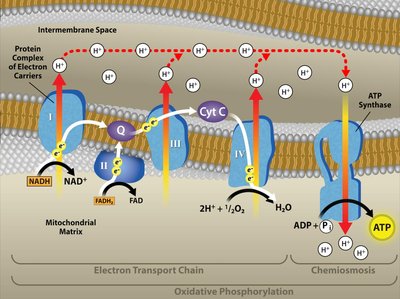
Electron Carriers: NADH and FADH2
Role of Electron Carriers
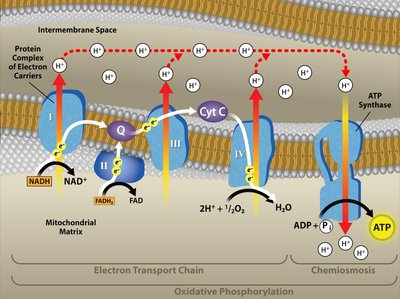
NADH and FADH2 are crucial electron carriers in cellular respiration. They transport electrons from glycolysis and the citric acid cycle to the electron transport chain. - Key Point 1: NADH and FADH2 are reduced forms, carrying high-energy electrons. - Key Point 2: Their oxidation in the electron transport chain releases energy for ATP synthesis. - Example: NADH is produced during glycolysis and the citric acid cycle; FADH2 is produced in the citric acid cycle.
Summary Table: Cellular Respiration Stages
Stage | Main Reactants | Main Products | ATP Yield |
|---|---|---|---|
Glycolysis | Glucose | Pyruvate, NADH, ATP | 2 ATP |
Pyruvate Oxidation & Citric Acid Cycle | Pyruvate, Acetyl CoA | CO2, NADH, FADH2, ATP | 2 ATP |
Oxidative Phosphorylation | NADH, FADH2, O2 | H2O, ATP | ~28 ATP |
Metabolic Pathways and Enzyme Catalysis
Metabolic Pathways
Metabolic pathways are sequences of chemical reactions, each catalyzed by a specific enzyme. These pathways allow cells to efficiently extract energy and regulate metabolic processes. - Key Point 1: Each step in cellular respiration is catalyzed by a different enzyme. - Key Point 2: Intermediates are formed and consumed in a stepwise manner. - Example: The citric acid cycle involves multiple intermediates and enzymes.
Practice and Application
Redox Practice
Identify which reactant is oxidized and which is reduced in the following reaction: - Glucose is oxidized (loses electrons/hydrogen). - Oxygen is reduced (gains electrons/hydrogen).
Conclusion
Cellular respiration is a complex, multi-stage process that enables cells to efficiently harvest energy from glucose. Understanding the mechanisms, stages, and roles of electron carriers is essential for comprehending how cells power their activities. Additional info: The notes have been expanded to provide academic context and ensure completeness for exam preparation.
