Indietro
Energy and Life: Thermodynamics, Chemical Reactions, and Cellular Respiration
Guida di studio - Note intelligenti
 Appunti personalizzati basati sui tuoi materiali, ampliati con definizioni chiave, esempi e contesto.
Energy and Life
Introduction to Energy
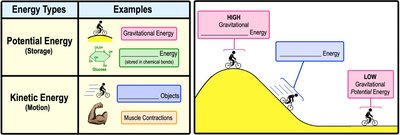
Energy is the capacity to perform work, which in biological systems refers to the transfer of energy that results in a change in matter. There are two primary types of energy: potential energy (stored energy) and kinetic energy (energy of motion).
Potential Energy: Energy stored in chemical bonds or as gravitational energy.
Kinetic Energy: Energy associated with moving objects or muscle contractions.
Example: A glucose molecule contains potential energy, while water rushing over a waterfall demonstrates kinetic energy.
Thermodynamics: System vs. Surroundings
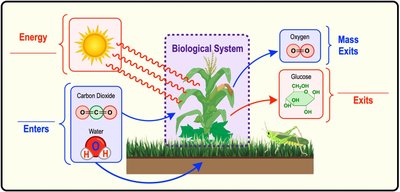
Thermodynamics is the study of energy transfers between bodies of matter. In biology, a system refers to the specific portion of matter being studied, while the surroundings are everything else outside the system. Biological systems exchange both energy and mass with their surroundings.
Example: A plant absorbs energy from sunlight and mass in the form of carbon dioxide and water, producing glucose and oxygen.
Laws of Thermodynamics
First Law of Thermodynamics
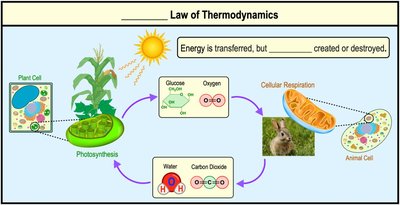
The First Law of Thermodynamics states that energy can be transferred and transformed, but it cannot be created or destroyed. This is also known as the Principle of Conservation of Energy. The total amount of energy in the universe does not change.
Example: Energy from sunlight is converted to chemical energy in glucose during photosynthesis, and then to ATP during cellular respiration.
Entropy
Entropy is a measure of disorder or randomness. The greater the disorder, the higher the entropy. The natural tendency of reactions is to move the universe toward a state of higher entropy. Reactions can decrease entropy in a system with an energy input.
Example: Arranging billiard balls in a triangle (low entropy) versus scattered balls (high entropy).
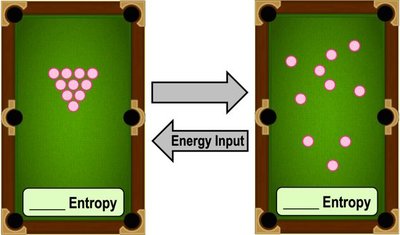
Comparing Entropy in Systems
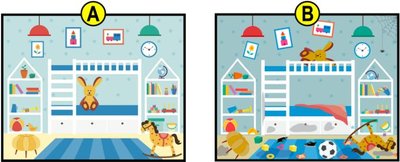
Systems with more order have lower entropy, while those with more disorder have higher entropy.
Example: A tidy room (low entropy) versus a messy room (high entropy).
Second Law of Thermodynamics
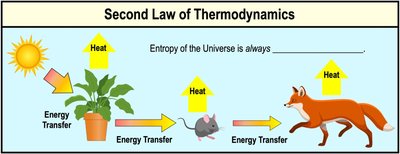
The Second Law of Thermodynamics states that energy conversions are never 100% efficient; some energy is always lost as heat, increasing universal entropy. Heat is a form of kinetic energy transferred between objects with different temperatures.
Example: Energy transfer from the sun to plants, then to animals, with heat lost at each step.
Chemical Reactions
Reactants and Products
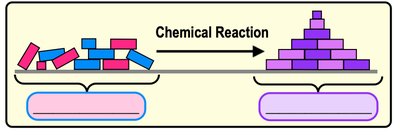
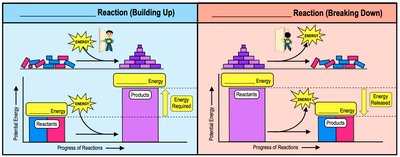
Chemical reactions involve the making and breaking of chemical bonds, leading to changes in matter. Reactants are the starting materials, and products are the resulting materials.
Example: Building blocks (reactants) are rearranged to form a pyramid (product).
Types of Chemical Reactions: Endergonic vs. Exergonic
Chemical reactions are categorized based on energy requirements:
Endergonic Reactions: Require an input of energy (energy enters the reaction).
Exergonic Reactions: Release energy (energy exits the reaction).
Example: Building up (endergonic) versus breaking down (exergonic) reactions.
ATP: The Energy Currency of the Cell
Structure and Function of ATP
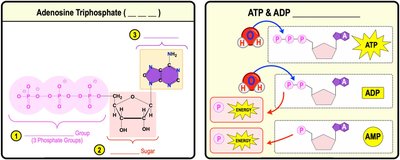
Adenosine Triphosphate (ATP) is a high-energy molecule used to power cellular activities. It consists of three main components: a chain of three phosphate groups, a ribose sugar, and a nitrogenous base (adenine).
ATP Hydrolysis: Breaking bonds between phosphate groups releases energy and forms ADP (adenosine diphosphate).
Sometimes: ADP can be hydrolyzed to form AMP (adenosine monophosphate).
ATP Cycle
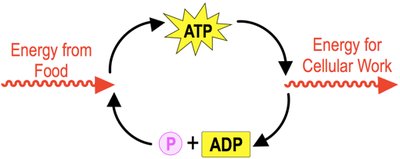
ATP acts as an intermediary to store and transfer energy for cellular work. Energy from food is used to regenerate ATP from ADP and inorganic phosphate (Pi).
Example: The ATP cycle shows energy input from food and output for cellular work.
Energy Coupling
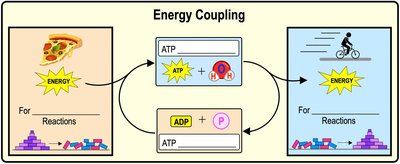
Energy released by exergonic reactions is used to power endergonic reactions. ATP hydrolysis is coupled to endergonic reactions to provide the necessary energy input.
Example: Energy from food is used to build molecules, while ATP hydrolysis powers muscle contractions.
Phosphorylation
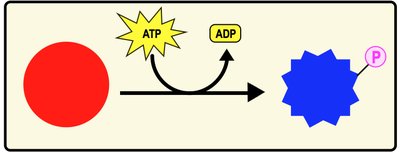
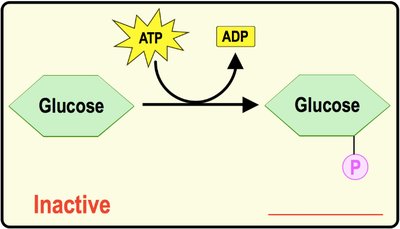
Phosphorylation is the transfer of a phosphate group from ATP to another molecule, providing energy. This process can activate a target molecule or change the shape of a target protein.
Example: ATP transfers a phosphate to a molecule, activating it for further reactions.
Enzymes and Metabolism
Enzymes: Biological Catalysts
Enzymes are molecules that catalyze (speed up) chemical reactions without being consumed. Substrates are the reactants in enzyme-catalyzed reactions.
Example: Enzymatic reactions proceed much faster than non-enzymatic reactions.

Functions of Enzymes
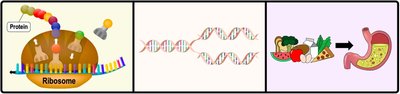
Enzymes perform various functions in living cells, including building proteins, copying DNA, and digesting food.
Example: Ribosome synthesizing proteins, DNA replication, and food digestion.
Environmental Factors Affecting Enzyme Activity
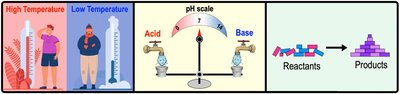
Enzyme activity is influenced by temperature, pH, and concentration of reactants. Extreme conditions can cause enzymes to denature, losing their shape and activity.
Example: Enzyme activity varies with temperature and pH.
Activation Energy
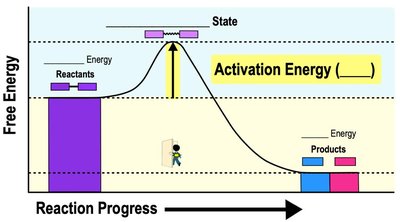
Activation Energy (EA) is the minimum energy required to start a chemical reaction. The higher the activation energy, the slower the reaction. The transition state is a temporary high-energy state during the reaction.
Example: Reaction progress diagram showing activation energy barrier.
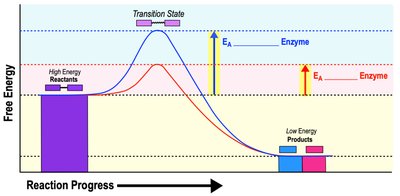
Enzymes Lower Activation Energy
Enzymes catalyze reactions by lowering the activation energy barrier, allowing reactions to occur more rapidly.
Example: Reaction coordinate diagram comparing reactions with and without enzymes.
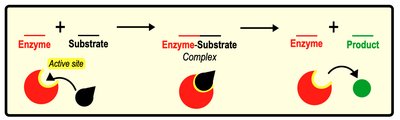
Enzyme-Substrate Complex
A substrate binds to an enzyme at the active site, forming the enzyme-substrate complex. After catalysis, products are released, and the enzyme remains unchanged.
Example: Substrate binding and product release in enzyme-catalyzed reactions.
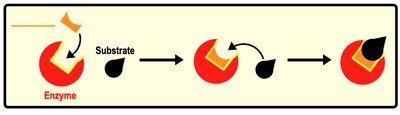
Cofactors and Coenzymes
Some enzymes require cofactors (non-protein substances, such as metal ions) or coenzymes (organic molecules derived from vitamins) for catalysis. These are not consumed in the reaction.
Example: Cofactors assist in substrate binding.
Enzyme Inhibition
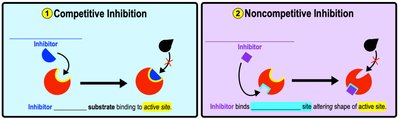
Enzyme inhibitors interfere with and selectively block the catalysis of specific enzymes. Competitive inhibitors compete for the active site, while noncompetitive inhibitors bind at an allosteric site, changing the shape of the active site.
Example: Competitive vs. noncompetitive inhibition diagrams.
Metabolism and Feedback Regulation
Metabolic Pathways
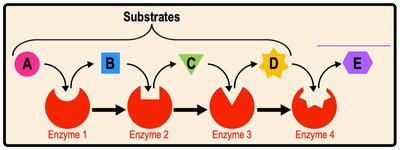
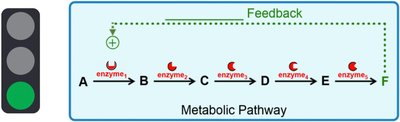
Metabolism is the sum of an organism's chemical reactions. Metabolic pathways are series of reactions that alter a substrate multiple times before the final product.
Example: Multiple steps in a metabolic pathway, each catalyzed by a different enzyme.
Catabolic and Anabolic Pathways
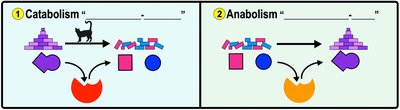
There are two types of metabolic pathways:
Catabolic Pathways (Catabolism): Release energy by breaking down molecules into smaller ones.
Anabolic Pathways (Anabolism): Consume energy to build larger molecules from smaller ones.
Example: Catabolic reactions break down polymers; anabolic reactions build up polymers.
Negative and Positive Feedback
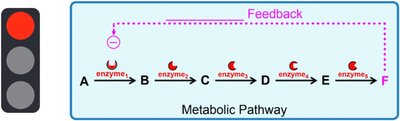
Negative feedback occurs when the final product of a metabolic pathway inhibits an earlier step, acting as a "red light" to stop the pathway. Positive feedback occurs when the final product stimulates an earlier step, acting as a "green light" to enhance the pathway.
Example: Feedback inhibition diagrams for negative and positive feedback.
Redox Reactions and Electron Carriers
Oxidation-Reduction (Redox) Reactions
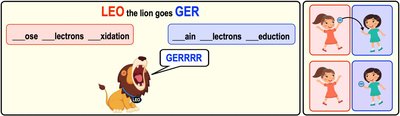
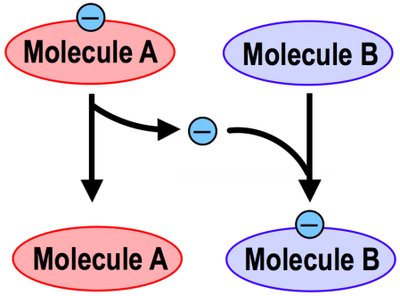
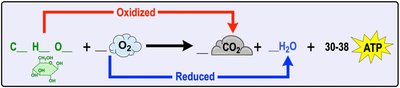
Redox reactions transfer electrons between molecules. Oxidation is the loss of electrons, while reduction is the gain of electrons. These reactions always occur together.
Example: "LEO the Lion goes GER" (Lose Electrons = Oxidation, Gain Electrons = Reduction).
Electron Carriers: NADH & FADH2
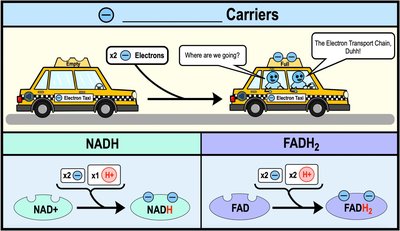
Electron carriers such as NADH and FADH2 transport electrons during cellular respiration. NAD+ and FAD are the oxidized forms, while NADH and FADH2 are the reduced forms.
Example: Electron carriers act as "taxis" shuttling electrons to the electron transport chain.
Aerobic Cellular Respiration
Overview and Chemical Equation
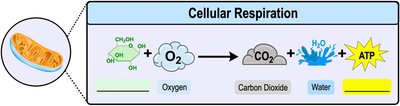
Aerobic cellular respiration is the process of breaking down glucose to produce ATP, requiring oxygen. Most stages occur inside the mitochondria. The overall chemical equation is:
Example: Cellular respiration diagram and redox summary.
Stages of Aerobic Cellular Respiration
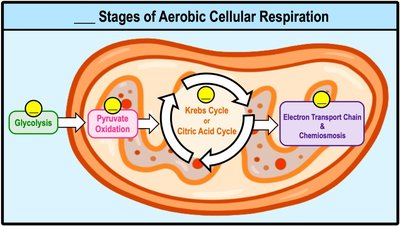
The process includes four main stages: Glycolysis, Pyruvate Oxidation, Krebs Cycle (Citric Acid Cycle), and Electron Transport Chain & Chemiosmosis.
Example: Mitochondrial diagram showing the stages of cellular respiration.