 Indietro
Eukaryotes, Microbial Genetics, and Virology: Study Guide
Guida di studio - Note intelligenti
 Appunti personalizzati basati sui tuoi materiali, ampliati con definizioni chiave, esempi e contesto.
Eukaryotes
General Characteristics
Eukaryotes are organisms whose cells contain a nucleus and various membranous organelles. They arose approximately 2.7 billion years ago and are typically larger than prokaryotes, ranging from 10 to 100 μm in size.
Nucleus: Surrounded by a double membrane (nuclear envelope) with pores and ribosomes. Contains the nucleolus, chromatin (DNA coiled with histones), and a nuclear lamina.
Cellular Replication: Includes interphase (DNA duplication), mitosis (division of duplicated chromosomes), and cytokinesis (cell division).
Mitosis Stages: Prophase (chromosomes condense, nuclear envelope degrades), prometaphase (chromosomes sort), metaphase (chromosomes align), anaphase (chromosomes separate), telophase (chromosomes decondense, nuclei reform).
Meiosis: Reduces chromosome number from diploid (2n) to haploid (n), generating four haploid gametes.
Organelles: Eukaryotic cells contain mitochondria, chloroplasts, hydrogenosomes (energy production), endoplasmic reticulum (rough for protein synthesis, smooth for lipid production and Ca2+ storage), Golgi apparatus (protein modification), lysosomes (digestion), and cytoskeleton (microtubules, microfilaments, intermediate filaments for motility and structure).
Cellular Processes: Endocytosis (phagocytosis, pinocytosis, receptor-mediated), motility (flagella, cilia with 9+2 microtubule arrangement).
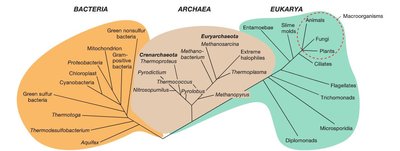
Fungi
Fungi are eukaryotic organisms that include molds and yeast. They can be saprobes, parasites, or symbionts.
Cell Wall: Composed of chitin, β-glucans, mannoproteins, and sometimes cellulose.
Cell Membrane: Contains ergosterols.
Hyphae: Filamentous structures forming mycelium; can be septate (divided) or aseptate (continuous).
Reproduction: Sporangiospores (from sporangium), conidiospores (from vegetative cells).
Pathogenicity: Mycoses (infections), mycotoxins, allergens. Dimorphism (yeast in heat, mold in cold), e.g., Candida albicans.
Protists
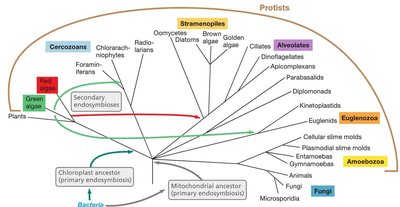
Protists are a diverse group of eukaryotes, including vegetative trophozoites and dormant cysts. They range from 10 to 100 μm and include various lineages:
Cercozoans: Foraminiferans (calcium shells), radiolarians (silica shells).
Stramenopiles: Diatoms (silicon frustule), oomycetes (water molds), brown and golden algae.
Alveolates: Ciliates (Balantidium), dinoflagellates (red tides, neurotoxins), apicomplexans (Plasmodium, Toxoplasma).
Parabasalids: Hydrogenosome, anoxic (Trichomonas).
Diplomonads: Bi-nucleate (Giardia).
Euglenozoa: Single mitochondrion, flagella (Euglena, Trypanosoma).
Amoebozoa: Amoeba, slime molds.
Helminths
Helminths are parasitic worms, including flatworms (Platyhelminthes) and roundworms (Aschelminthes).
Flatworms: Often segmented, monoecious, lack or have rudimentary GI tract. Includes cestodes (tapeworms, e.g., Taenia) and trematodes (flukes, e.g., Clonorchis).
Roundworms: Cylindrical, dioecious, complete GI tract. Includes nematodes (Ascaris, Enterobius).
Microbial Genetics
Genes and Genomes
Genes are functional segments of DNA, with allelic variants (dominant and recessive) determining genotype and phenotype. The genome is the sum of all genetic elements.
DNA Structure: Double helix, antiparallel strands, phosphate-deoxyribose backbone, base pairing (A=T, C≡G), 2 nm radius.
DNA Replication
DNA polymerase synthesizes DNA in the 5' to 3' direction. Replication involves a fork at the origin, primase (RNA primers), leading and lagging strand synthesis (Okazaki fragments), ligase, gyrase, helicase, SSB proteins, and primer replacement. Bacteria use bidirectional replication (θ structure).
Central Dogma
The central dogma describes the flow of genetic information: DNA → RNA → Protein.
Transcription: Initiation (promoter, RNA polymerase, transcription factors), elongation (RNA synthesis, U replaces T), termination (Rho or stem-loop), processing (cap, tail, splicing in eukaryotes).
Translation: tRNA (anticodon, amino acid binding), aminoacyl-tRNA synthetases, ribosome (small/large subunits, catalytic rRNA), E-P-A sites, initiation (16S rRNA, tRNAmet), elongation (tRNA cycling, peptide growth), termination (release factors, hydrolysis), polyribosomes.
Gene Expression Regulation
Gene expression is regulated at multiple levels: DNA accessibility, transcriptional, post-transcriptional, translational, post-translational, and by RNA/protein half-lives.
Operons: Trp operon (corepressor activates repressor), Lac operon (inducer inactivates repressor).
Horizontal Gene Transfer
Bacteria exchange genetic material via transformation (uptake from surroundings), transduction (phage-mediated), conjugation (F plasmid/Hfr), and transposition (transposons).
Mutations: Point (silent, nonsense, missense), frameshift, UV-induced thymine dimers, error-prone repair.
Molecular Biology Techniques
Restriction Endonucleases: Used for cloning.
Plasmid Vectors: Transformation for gene transfer.
RFLP Mapping: DNA fingerprinting.
Sequencing: Determining DNA sequence.
PCR: Amplification of DNA.
Virology
General Characteristics
Viruses are obligate intracellular parasites, 20–300 nm in size, relying on host metabolism. They can be "naked" (nucleocapsid only) or enveloped (lipid/protein envelope).
Capsid Symmetry: Helical, icosahedral, complex.
Classification: Baltimore & Temin system based on genome and replication mode (dsDNA, ssDNA, dsRNA, ssRNA, ssRNA-RT, dsDNA-RT).
Viral Gene Expression and Life Cycle
Viruses must produce viral +ssRNA for protein synthesis. They encode capsid, envelope proteins, polymerases, and may use host-derived enzymes, membranes, ribosomes, tRNA, rRNA.
Life Cycle: Adsorption (host receptor binding), penetrance/uncoating, synthesis (DNA viruses in nucleus, RNA viruses in cytoplasm, retroviral RNA→DNA), assembly, release (exocytosis, lysis).
Cytopathic Effects: Inclusion bodies, membrane fusion (syncytia), lysis.
Phases: Lysogenic (integration, dormancy), lytic (replication, release), chronic latent (periodic lytic), oncogenic (tumorigenesis).
Bacteriophage
Bacteriophages infect bacteria, with temperate phages capable of lytic and lysogenic cycles. Lysogenic conversion can confer pathogenicity (toxins).
Cultivation and Pathogens
Cultivation: Chicken eggs (pocks), cell culture (PFU), in vivo (animal models).
Pathogens: Common cold, flu, hepatitis, chicken pox, herpes, rabies, Ebola, dengue, AIDS.
Prions and Satellite Viruses
Prions: Proteinaceous infectious particles, cause diseases like BSE and Creutzfeldt-Jakob.
Satellite Viruses: Require another virus for replication (e.g., Hepatitis D).
Viroids: Smallest infectious agents, ssRNA, no capsid.
Treatments
Antibiotics: Ineffective against viruses.
Antivirals: Disrupt viral replication/assembly.
Vaccination: Attenuated viruses used for immunization.
