Indietro

General Biology Midterm Study Guide: Chemistry, Molecules, Cells, and Energy

Guida di studio - Impara con i video

Lezioni curate abbinate al materiale che hai caricato – impara ogni argomento passo dopo passo.

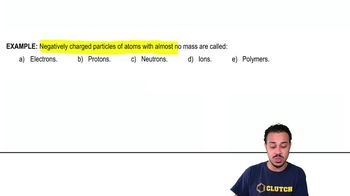
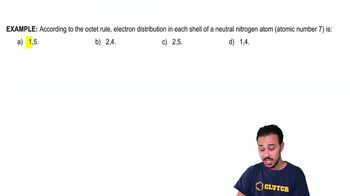
Atoms - Smallest Unit of Matter

  • Atoms- Smallest Unit of Matter Example 1
    02:13

  • Atoms- Smallest Unit of Matter Example 3
    03:51
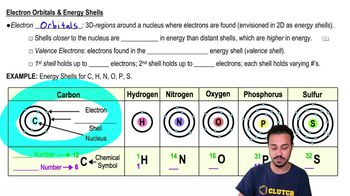
  • Electron Orbitals & Energy Shells
    09:44

Introduction to Chemical Bonding

  • Introduction to Chemical Bonding Example 1
    1:59
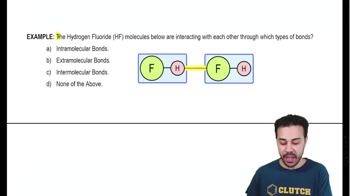
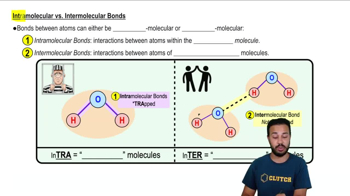
  • Intramolecular vs. Intermolecular Bonds
    03:53
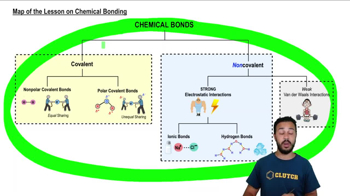
  • Map of the Lesson on Chemical Bonding
    02:42

Introduction to Water

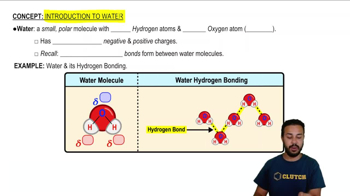
  • Introduction to Water
    01:54
  • Introduction to Water Example 1
    01:51
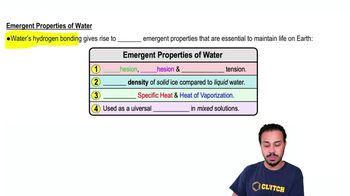
  • Emergent Properties of Water
    01:29

Acids and Bases

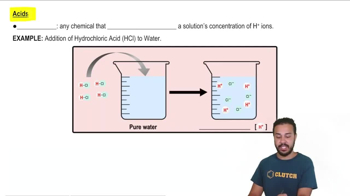
  • Acids
    02:45
  • Acids and Bases
    01:29
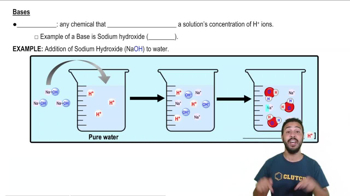
  • Bases
    03:48

pH Scale

  • Buffers
    05:38
  • pH Scale
    11:05

Carbon

  • Carbon is an Excellent Building Block
    03:35
  • Carbon
    04:19

Carbohydrates

  • Formation & Breakdown of Polysaccharides
    03:08
  • Carbohydrates
    04:53
  • Carbohydrate Functions
    05:08

Lipids

  • Steroids & Waxes
    03:30
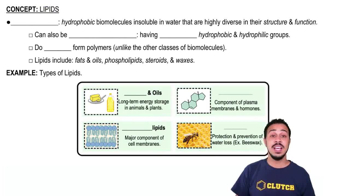
  • Lipids
    04:19
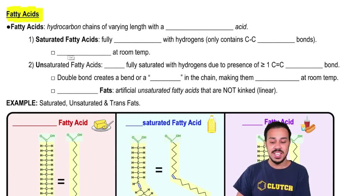
  • Fatty Acids
    06:59

Proteins

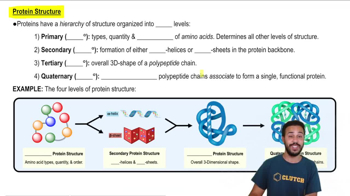
  • Protein Structure
    08:02
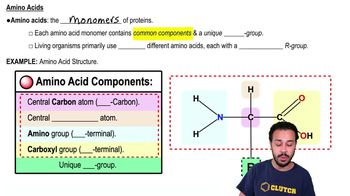
  • Amino Acids
    04:37
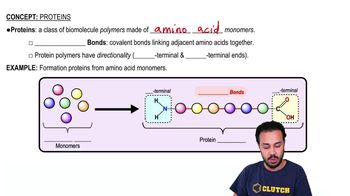
  • Proteins
    02:50

Nucleic Acids

  • Nucleic Acids Example 2
    01:05
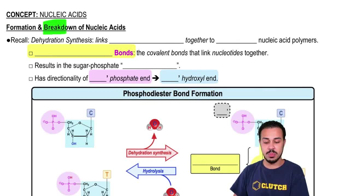
  • Formation & Breakdown of Nucleic Acids
    04:07
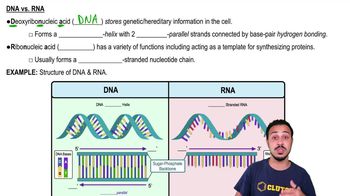
  • DNA vs. RNA
    05:57

Microscopes

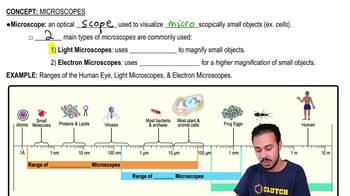
  • Microscopes
    06:35
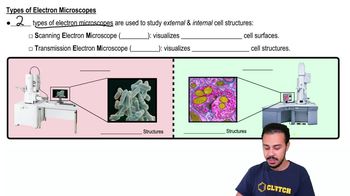
  • Types of Electron Microscopes
    02:52

Prokaryotic & Eukaryotic Cells

  • Recap: Prokaryotic vs. Eukaryotic Cells
    04:26
  • Prokaryotic & Eukaryotic Cells
    05:54
  • Features of Bacterial Cells
    03:54

Introduction to Eukaryotic Organelles

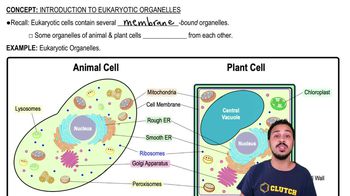
  • Introduction to Eukaryotic Organelles
    03:45
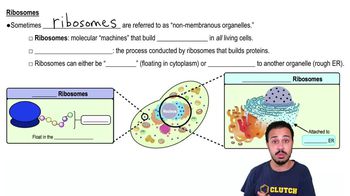
  • Ribosomes
    06:51
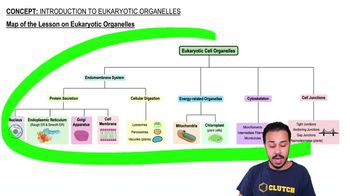
  • Map of the Lesson on Eukaryotic Organelles
    02:43

Biological Membranes

  • Biological Membranes Example 1
    02:21
  • Biological Membranes
    06:04

Endomembrane System: Protein Secretion

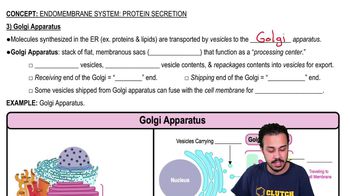
  • Golgi Apparatus
    06:02
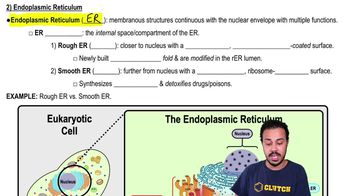
  • Endoplasmic Reticulum
    06:07
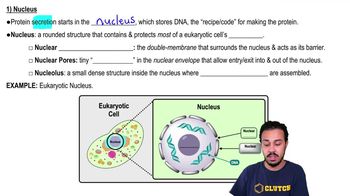
  • Nucleus
    06:32

Endomembrane System: Digestive Organelles

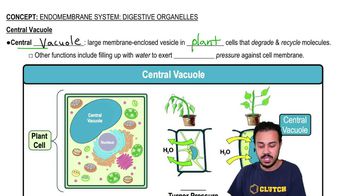
  • Central Vacuole
    03:35
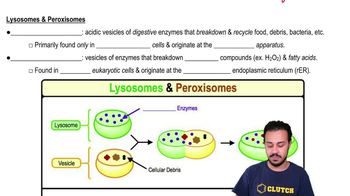
  • Lysosomes & Peroxisomes
    05:38

Mitochondria & Chloroplasts

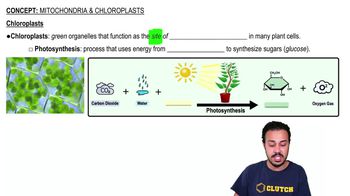
  • Chloroplasts
    03:16
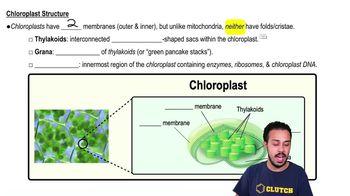
  • Chloroplast Structure
    03:41
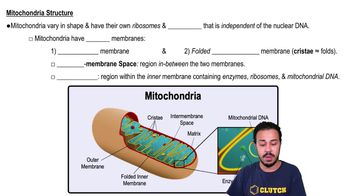
  • Mitochondria Structure
    04:45

Introduction to Metabolism

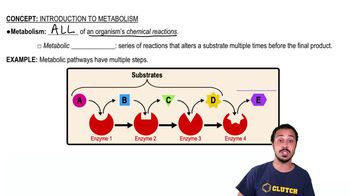
  • Introduction to Metabolism
    02:17
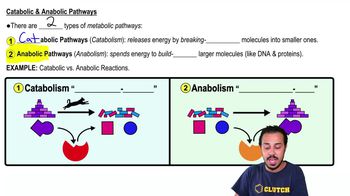
  • Catabolic & Anabolic Pathways
    03:25

ATP

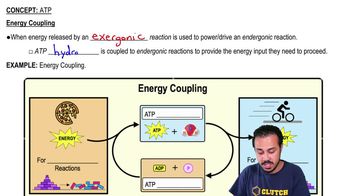
  • Energy Coupling
    04:57
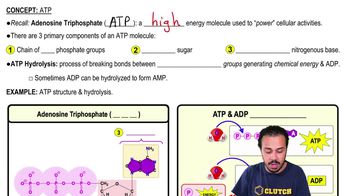
  • ATP
    06:43
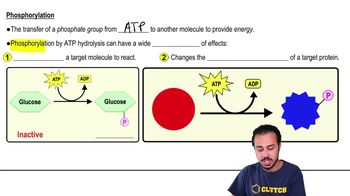
  • Phosphorylation
    03:

Enzymes

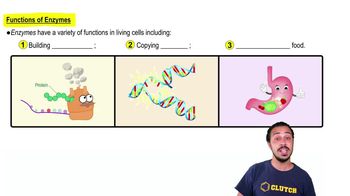
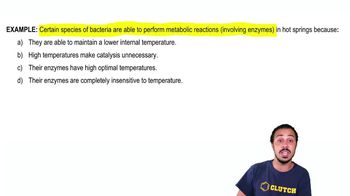
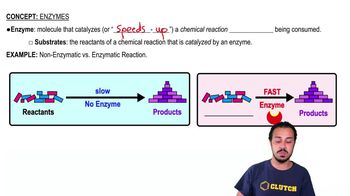
  • Functions of Enzymes
    02:32
  • Enzymes Example 1
    02:25
  • Enzymes
    02:55

Introduction to Membrane Transport

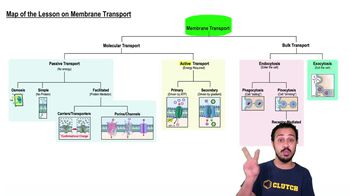
  • Map of the Lesson on Membrane Transport
    02:33
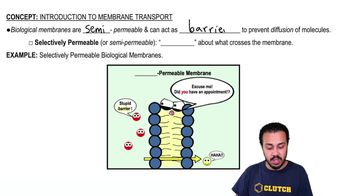
  • Introduction to Membrane Transport
    02:47
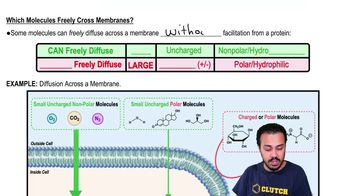
  • Which Molecules Freely Cross Membranes?
    07:10

Osmosis

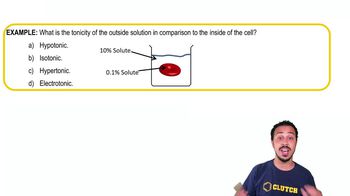
  • Osmosis Example 1
    02:18
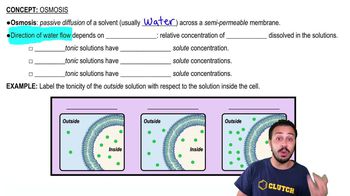
  • Osmosis
    05:59
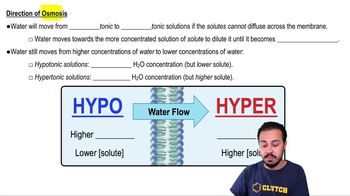
  • Direction of Osmosis
    06:48

Introduction to Aerobic Cellular Respiration

  • Introduction to Cellular Respiration Example 2
    01:53
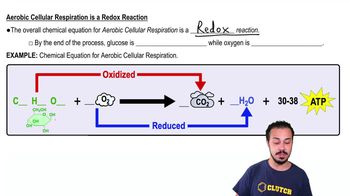
  • Aerobic Cellular Respiration is a Redox Reaction
    04:18
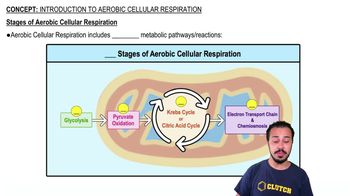
  • Stages of Aerobic Cellular Respiration
    02:31

Fermentation & Anaerobic Respiration

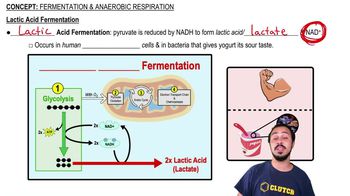
  • Lactic Acid Fermentation
    03:34
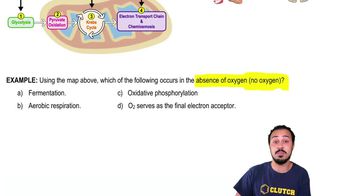
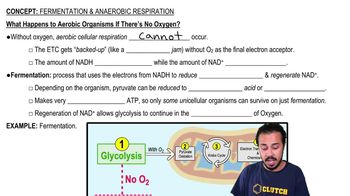
  • What Happens to Aerobic Organisms if There's No Oxygen?
    07:51
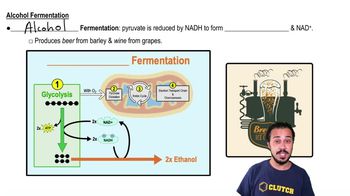
  • Alcohol Fermentation
    02:02

Introduction to Photosynthesis

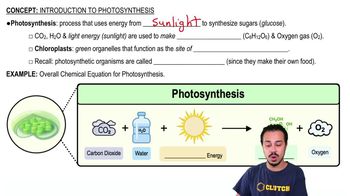
  • Introduction to Photosynthesis
    03:32
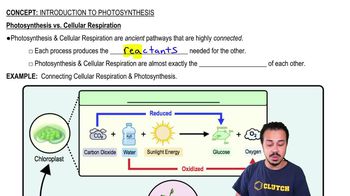
  • Photosynthesis vs. Cellular Respiration
    07:55
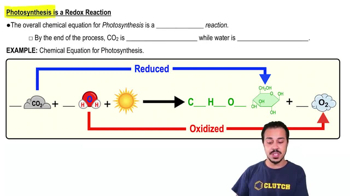
  • Photosynthesis is a Redox Reaction
    03:20

Light Reactions of Photosynthesis

  • Light Reactions of Photosynthesis Example 1
    01:48
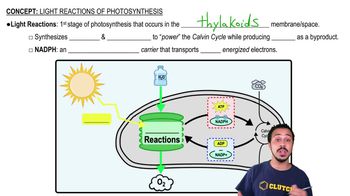
  • Light Reactions of Photosynthesis
    04:06
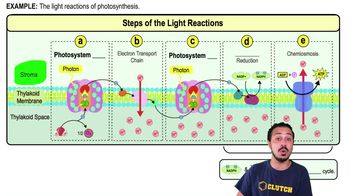
  • Steps of the Light Reactions
    15:15

Calvin Cycle

  • 3 Phases of the Calvin Cycle (C3 Pathway)
    10:58
  • Calvin Cycle
    03:42