 Indietro
Information Flow: DNA, Mutations, and Inheritance in General Biology
Guida di studio - Note intelligenti
 Appunti personalizzati basati sui tuoi materiali, ampliati con definizioni chiave, esempi e contesto.
Information Flow in Biology
Properties of Life
Living organisms exhibit several fundamental properties that distinguish them from non-living matter. These include the ability to self-replicate, store and follow genetic instructions, maintain membrane boundaries, store and utilize energy, control their functions, respond to environmental changes, and evolve through heritable changes over time.
Self-replication: The capacity to reproduce and pass genetic information to offspring.
Genetic instructions: DNA stores information that guides cellular processes.
Membrane delimited: Cells are bounded by membranes that regulate internal environments.
Energy management: Organisms store and use energy for metabolism and growth.
Response to environment: Cells and organisms adapt to external stimuli.
Evolution: Heritable changes in DNA drive evolution over generations.
Central Dogma: Information Flow from DNA to Protein
Transcription and Translation
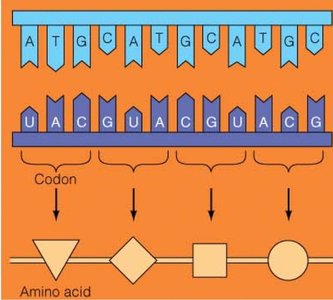
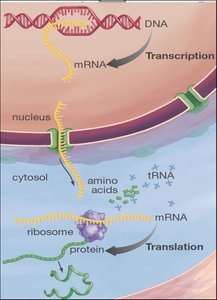
The central dogma of molecular biology describes the flow of genetic information from DNA to RNA to protein. This process involves two main steps: transcription and translation.
Transcription: DNA is transcribed into messenger RNA (mRNA) in the nucleus.
Translation: mRNA is translated into a polypeptide (protein) at the ribosome in the cytoplasm.
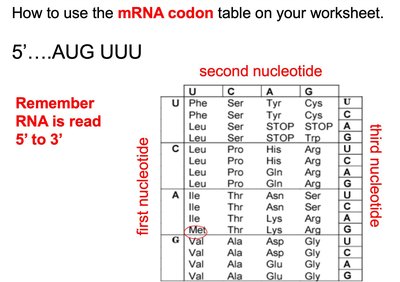
Codons: mRNA is read in sets of three nucleotides (codons), each specifying an amino acid.
Genotype and Phenotype
The genotype refers to the genetic makeup of an organism, while the phenotype is the observable physical or biochemical traits resulting from the expression of genes.
Genotype: DNA sequence (e.g., gene variants or alleles).
Phenotype: Physical traits (e.g., coat color in mice) produced by proteins encoded by genes.
Mutations and Their Effects
Types of Mutations
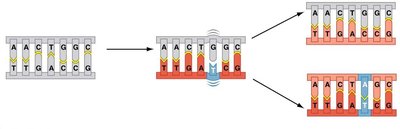
Mutations are changes in the DNA sequence that can occur randomly, often during DNA replication. They are the ultimate source of genetic variation and new alleles.
Point mutations: Change in a single nucleotide.
Missense mutation: Alters one amino acid in the protein.
Silent mutation: Does not change the amino acid sequence due to redundancy in the genetic code.
Frameshift mutation: Shifts the reading frame, altering all subsequent codons.
Nonsense mutation: Changes a codon to a stop codon, truncating the protein.
Impact of Mutations on Fitness
Mutations can have varying effects on an organism's fitness:
Deleterious: Decrease fitness.
Neutral: No effect on fitness.
Beneficial: Increase fitness.
Alleles and Genetic Variation
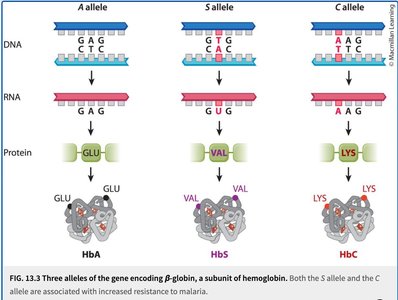
Alleles are alternative forms of a gene that arise by mutation. They can differ by as little as one nucleotide and contribute to genetic diversity within populations.
Gene Expression: From DNA to Protein
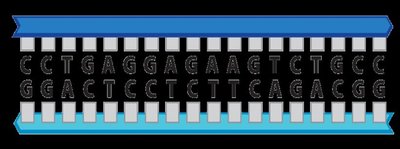
Transcription and Translation Example
The process of gene expression involves the conversion of DNA sequence to mRNA and then to a polypeptide chain. The sequence of nucleotides in DNA determines the sequence of nucleotides in mRNA, which in turn determines the sequence of amino acids in the protein.


Codon Table and Amino Acid Properties
The genetic code is read using a codon table, which matches mRNA codons to their corresponding amino acids. Amino acids can be classified as hydrophobic, hydrophilic, or special based on their chemical properties.
Mutations and Protein Function
Mutation Effects on Protein Structure
Mutations can alter protein structure and function. For example, a single nucleotide change can result in a missense mutation, changing one amino acid and potentially affecting protein function.
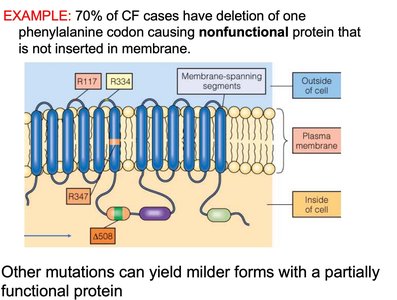
Clinical Example: Cystic Fibrosis
In cystic fibrosis, a common mutation deletes a phenylalanine codon, resulting in a nonfunctional protein that cannot be inserted into the membrane. Other mutations can produce milder forms with partially functional proteins.
Inheritance and Pedigrees
Mendelian Genetics and Pedigree Analysis
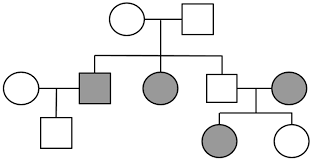
Mendel's laws of inheritance describe how traits are passed from parents to offspring. Pedigrees are diagrams that show the inheritance of traits across generations and help determine genotypes based on observed phenotypes.
Dominant allele: Expressed in the phenotype when present (e.g., B for brown fur).
Recessive allele: Expressed only when two copies are present (e.g., b for white fur).
Pedigree symbols: Shaded shapes indicate affected individuals; unshaded shapes indicate unaffected individuals.
Genotypic and Phenotypic Ratios
Crosses between heterozygous individuals (e.g., Mm x Mm) yield predictable genotypic and phenotypic ratios:
Genotypic ratio: 1:2:1 (MM:Mm:mm)
Phenotypic ratio: 3:1 (dominant:recessive)
Case Study: Mc1r Gene and Mouse Coat Color
Alleles and Phenotype in Gulf Coast Mice
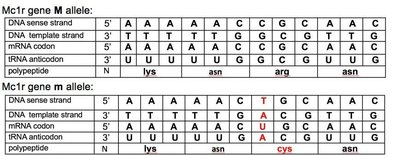
The Mc1r gene encodes a receptor involved in pigmentation. Different alleles (M and m) result from point mutations and lead to different coat colors in mice, which can be observed in populations living in distinct environments.
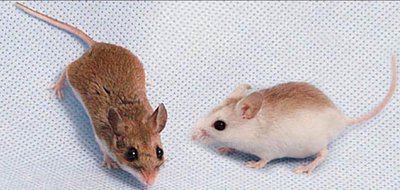
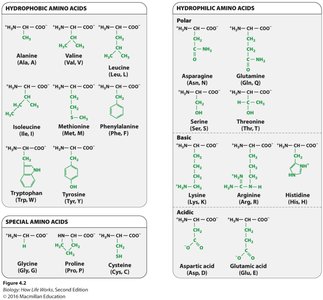
Worksheet Example: Mc1r Alleles
Students are asked to compare two alleles of the Mc1r gene, identify nucleotide differences, and predict the effects on reading frame and translation. The codon table is used to determine the resulting amino acid sequence.
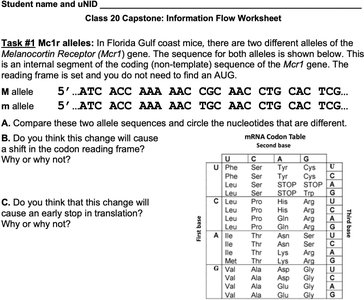
Summary Table: Types of Mutations and Their Effects
Type of Mutation | Effect on Protein | Example |
|---|---|---|
Missense | Changes one amino acid | Sickle cell anemia (HbS allele) |
Silent | No change in amino acid | Redundancy in genetic code |
Frameshift | Alters reading frame | Cystic fibrosis (ΔF508 mutation) |
Nonsense | Creates stop codon | Truncated protein |
Exam Topics Review
DNA replication
Transcription
Translation
Central dogma and information flow
Regulation of gene expression
Cell cycle and ploidy
Mitosis
Meiosis and advantage of sexual reproduction
Mendel’s laws of inheritance
Mutations and their impact
Pedigrees and inheritance
Additional info: These notes integrate concepts from chapters 13 (Molecular Basis of Inheritance), 14 (Gene Expression: From Gene to Protein), 15 (Regulation of Gene Expression), 11-12 (Mendelian Genetics and Chromosomal Basis of Inheritance), and related topics in General Biology.
