 Indietro
Mendelian Genetics: Principles, Laws, and Applications
Guida di studio - Note intelligenti
 Appunti personalizzati basati sui tuoi materiali, ampliati con definizioni chiave, esempi e contesto.
Mendelian Genetics
Introduction to Mendelian Genetics
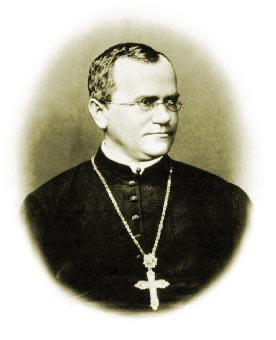
Mendelian genetics is the foundation of classical genetics, describing how traits are inherited from one generation to the next. Gregor Mendel's experiments with pea plants established the basic principles of heredity, including the concepts of alleles, genotype, and phenotype.
Alleles: Alternative forms of a gene that lead to different traits.
Genotype: The genetic composition of an individual (e.g., AA, Aa, or aa).
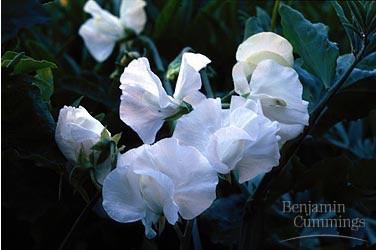
Phenotype: The observable characteristics or traits of an individual (e.g., flower color).
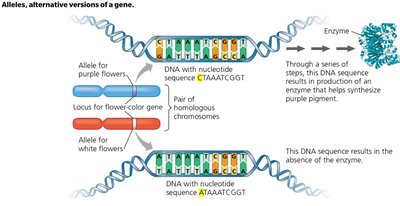
Alleles and Chromosomes
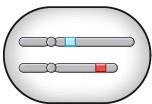
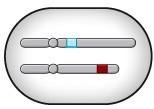
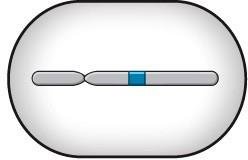
Each gene exists in multiple forms called alleles, which are located on homologous chromosomes. The combination of alleles determines the genotype and, ultimately, the phenotype.
Homologous chromosomes carry alleles for the same genes at specific loci.
Alleles can be dominant or recessive, affecting the expression of traits.
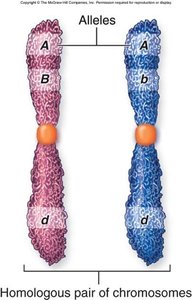
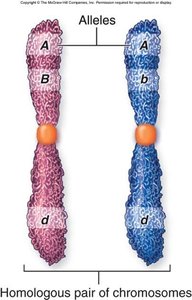
Genotype and Phenotype
The genotype refers to the genetic makeup, while the phenotype is the physical expression of those genes. Dominant alleles mask the effect of recessive alleles in heterozygotes.
Homozygous dominant (AA), heterozygous (Aa), and homozygous recessive (aa) are possible genotypes.
Phenotype is determined by the presence of dominant or recessive alleles.

Mendel’s Laws of Inheritance
Law of Segregation
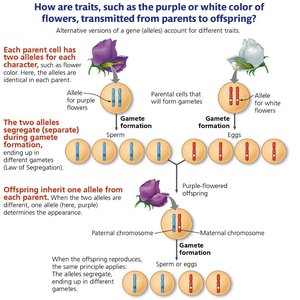
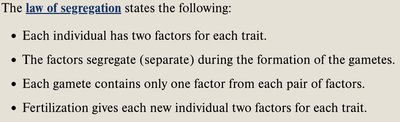
Mendel’s first law states that each individual has two alleles for each trait, which segregate during gamete formation. Offspring inherit one allele from each parent.
Alleles separate during meiosis (Anaphase I).
Each gamete contains only one allele for each gene.
Fertilization restores the diploid state.
Law of Independent Assortment
Mendel’s second law states that alleles of different genes assort independently during gamete formation, provided the genes are on different chromosomes.
Random orientation of homologous chromosomes during Metaphase I of meiosis.
Results in genetic variation among offspring.
Punnett Squares and Genetic Ratios
Punnett squares are used to predict the genotypic and phenotypic ratios of offspring from genetic crosses.
Monohybrid cross (Aa x Aa): Genotype ratio 1:2:1, phenotype ratio 3:1.
Dihybrid cross (AaBb x AaBb): Phenotypic ratio 9:3:3:1 if genes are independent.
Example Table: Monohybrid Cross
Phenotype | Genotype | Count |
|---|---|---|
Purple | PP (homozygous) | 1 |
Purple | Pp (heterozygous) | 2 |
White | pp (homozygous) | 1 |
Test Crosses
A test cross is used to determine the genotype of an individual with a dominant phenotype by crossing it with a homozygous recessive individual.
If all offspring show the dominant phenotype, the parent is homozygous dominant.
If offspring show a 1:1 ratio, the parent is heterozygous.
Pedigrees and Autosomal Traits
Pedigrees are diagrams that track the inheritance of traits across generations. Autosomal recessive traits require two copies of the recessive allele to be expressed.
Autosomal traits are not linked to sex chromosomes.
Pedigrees help identify carriers and affected individuals.
Genetic Diversity and Mutation
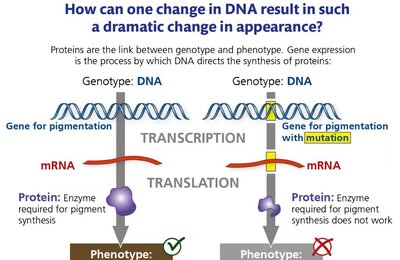
Genetic diversity is generated through sexual reproduction, independent assortment, and mutation. Mutations can alter gene function and result in changes in phenotype.
Gene expression links genotype to phenotype via transcription and translation.
Mutations in DNA can disrupt protein synthesis and alter traits.
Summary of Key Terms
Allele: Alternative form of a gene.
Genotype: Genetic makeup of an organism.
Phenotype: Observable trait.
Homozygous: Two identical alleles for a gene.
Heterozygous: Two different alleles for a gene.
Dominant: Allele that masks the effect of another.
Recessive: Allele whose effect is masked in heterozygotes.
Practice and Application
Students should be able to:
Explain how sexual reproduction generates diversity.
Draw and interpret Mendel’s laws.
Solve Mendelian genetics problems for single and multiple traits.
Use test crosses and pedigrees to determine genotypes and phenotypes.
Visual Examples

Additional info:
Mendel’s principles are fundamental to understanding inheritance and genetic variation. Modern genetics builds upon these concepts, incorporating molecular biology and chromosomal theory.
