 Indietro
Osmosis and Diffusion: Structure, Function, and Laboratory Applications
Guida di studio - Note intelligenti
 Appunti personalizzati basati sui tuoi materiali, ampliati con definizioni chiave, esempi e contesto.
Osmosis and Diffusion
Introduction to Diffusion and Osmosis
Diffusion and osmosis are fundamental concepts in cell biology, describing the movement of molecules across membranes. These processes are essential for maintaining cellular homeostasis and are covered in General Biology under chapters related to membrane structure and function.
Diffusion: The passive movement of molecules from an area of higher concentration to an area of lower concentration.
Osmosis: A specific type of diffusion involving the movement of water molecules across a selectively permeable membrane.
Importance: Both processes are critical for nutrient uptake, waste removal, and overall cell function.

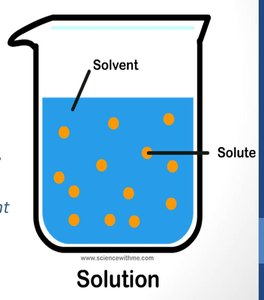
Solution Components
Solutions are composed of a solvent and solute. Understanding these terms is essential for studying osmosis and diffusion.
Solvent: The substance in which the solute is dissolved (usually water in biological systems).
Solute: The substance dissolved in the solvent (e.g., salts, sugars).
Concentration: The amount of solute in a given volume of solvent, often expressed in molarity (M).
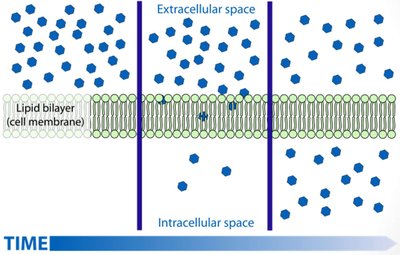
Diffusion Across Membranes
The cell membrane acts as a barrier, allowing selective movement of substances.
Simple Diffusion: Movement of small, nonpolar molecules directly through the lipid bilayer.
Facilitated Diffusion: Movement of larger or polar molecules via protein channels.
Osmosis: Water moves from areas of low solute concentration to high solute concentration across a membrane.
Osmosis in Laboratory Settings
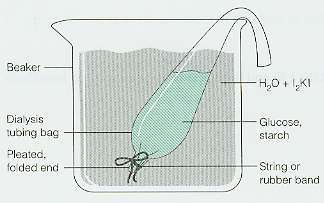
Osmosis can be demonstrated using dialysis tubing, which acts as a model for a cell membrane.
Dialysis Tubing: Semi-permeable membrane used to simulate osmosis and diffusion in experiments.
Experimental Setup: Tubing filled with a solution (e.g., glucose, starch) is placed in a beaker with another solution (e.g., water with iodine).
Observation: Water and small molecules can move across the tubing, but larger molecules (like starch) cannot.
Laboratory Equipment for Osmosis Experiments
Various tools are used to study osmosis and diffusion in the laboratory.
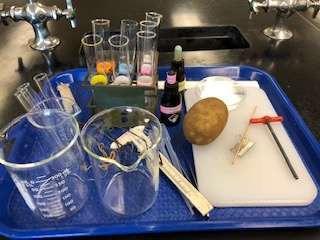
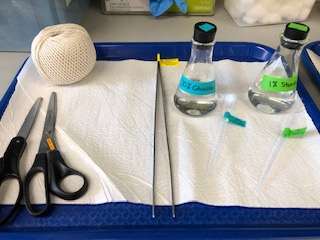
Beakers, test tubes, and flasks: Used to hold solutions.
Scissors, string, and pipettes: Used for preparing dialysis tubing and transferring solutions.
Potato: Often used in osmosis experiments to observe water movement in plant cells.
Osmosis in Plant and Animal Cells
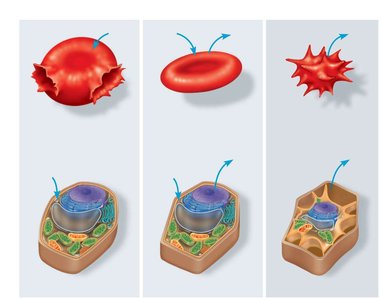
The effects of osmosis can be observed in both plant and animal cells, depending on the surrounding solution.
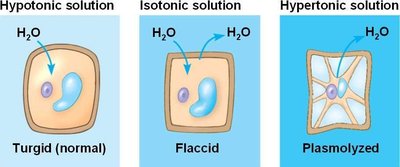
Hypotonic Solution: Lower solute concentration outside the cell; water enters the cell, causing it to swell.
Isotonic Solution: Equal solute concentration; no net movement of water.
Hypertonic Solution: Higher solute concentration outside; water leaves the cell, causing it to shrink.
Microscopic Observation of Plant Cells
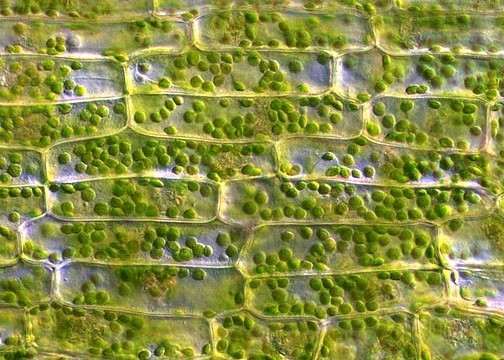
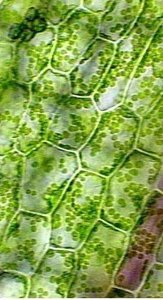
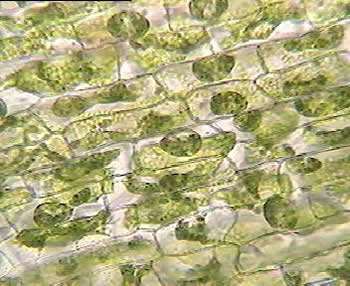
Plant cells can be observed under a microscope to study the effects of osmosis.
Chloroplasts: Visible in plant cells, their distribution changes with water movement.
Plasmolysis: Occurs when plant cells lose water in a hypertonic solution, causing the cell membrane to pull away from the cell wall.
Glucose and Starch: Biological Molecules in Osmosis Experiments
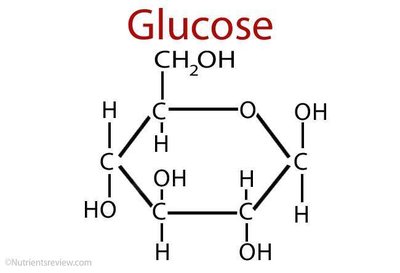
Glucose and starch are commonly used solutes in osmosis experiments.
Glucose: A monosaccharide (simple sugar) that can pass through dialysis tubing.
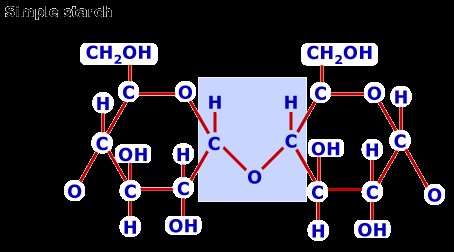
Starch: A polysaccharide (complex carbohydrate) that is too large to pass through dialysis tubing.
Quantitative Measurement of Osmosis
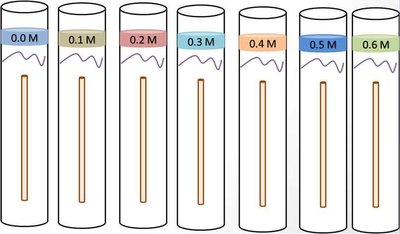
Osmosis can be measured quantitatively by observing changes in mass or volume in plant tissues (e.g., potato cores) placed in solutions of varying concentrations.
Osmolarity: The concentration of solute particles in a solution.
Experimental Design: Plant tissues are placed in solutions of different molarities, and changes in mass are recorded.
Data Interpretation: The point at which there is no net change in mass indicates the isotonic point.
Summary Table: Types of Solutions and Effects on Cells
Solution Type | Solute Concentration | Effect on Animal Cell | Effect on Plant Cell |
|---|---|---|---|
Hypotonic | Low outside | Swells (may burst) | Turgid (normal) |
Isotonic | Equal | No change | Flaccid |
Hypertonic | High outside | Shrinks | Plasmolyzed |
Key Equations
Osmosis: Water moves from low solute concentration to high solute concentration across a membrane.
Diffusion Rate:
Osmolarity:
Additional info:
The notes expand on the basic concepts of osmosis and diffusion, providing context for laboratory experiments and cellular effects. The images included are directly relevant to the explanation of osmosis, diffusion, and their effects on cells, as well as laboratory setups and molecular structures.
