 Indietro
Photosynthesis and Biological Membranes: Structure, Function, and Energy Transformation
Guida di studio - Note intelligenti
 Appunti personalizzati basati sui tuoi materiali, ampliati con definizioni chiave, esempi e contesto.
Photosynthesis: The Foundation of Life
Overview of Photosynthesis
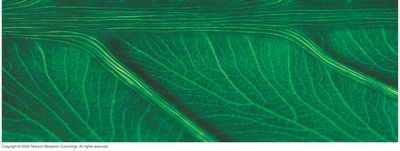
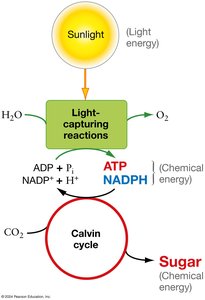
Photosynthesis is the process by which plants, algae, and some bacteria convert light energy into chemical energy, providing the primary energy source for most life on Earth. This process occurs in the chloroplasts of eukaryotic cells and consists of two main stages: the light-capturing reactions and the Calvin cycle.
Light-capturing reactions: Convert solar energy into chemical energy (ATP and NADPH).
Calvin cycle: Uses ATP and NADPH to reduce CO2 to carbohydrate (sugar).
Autotrophy: The ability of organisms to synthesize their own food, supporting the stationary lifestyle of plants.
Energetic Coupling in Photosynthesis
Photosynthesis involves both endergonic (energy-requiring) and exergonic (energy-releasing) reactions. Energetic coupling allows endergonic reactions, such as the synthesis of carbohydrates, to proceed by using the energy released from exergonic reactions.
The Photosynthetic Equation
The overall chemical equation for photosynthesis is:
This process is essentially the reverse of cellular respiration.
Light and Pigments
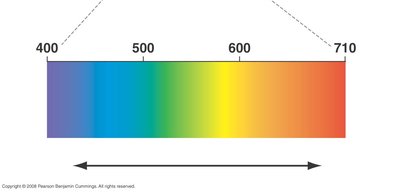
Photosynthesis relies on the absorption of light energy. Light is a form of electromagnetic radiation, and its energy is inversely proportional to its wavelength. Photons are discrete packets of light energy.
Shorter wavelength = higher energy
Visible light: The range of wavelengths plants use for photosynthesis (about 400–710 nm).
Photosynthetic Pigments
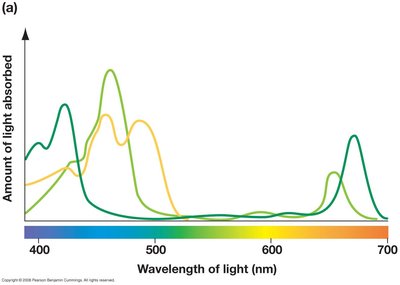
Different pigments absorb different wavelengths of light. The main pigments in plants are chlorophyll a, chlorophyll b, and carotenoids.
Chlorophylls: Absorb blue and red light, transmit green light (why plants appear green).
Carotenoids: Absorb blue and green light, transmit yellow, orange, or red light.
Excitation of Electrons
When pigments absorb photons, electrons are excited to higher energy states. Blue photons excite electrons more than red photons. This energy is transferred to chemical energy in the reaction centers of photosystems.
Photosystems and Electron Transport
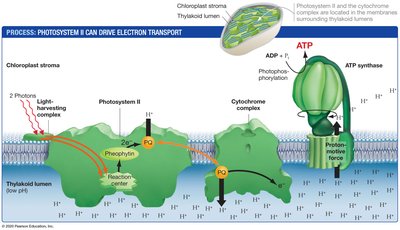
There are two types of photosystems in the thylakoid membranes: Photosystem II (PSII) and Photosystem I (PSI). PSII feeds electrons into an electron transport chain, creating a proton gradient used to produce ATP. PSI generates NADPH, a reducing power for the Calvin cycle.
Photosystem II: Splits water to replace lost electrons, releasing O2.
Electron transport chain: Pumps protons into the thylakoid lumen, generating a proton-motive force for ATP synthesis.
Photosystem I: Transfers electrons to NADP+, forming NADPH.
The Calvin Cycle (Light-Independent Reactions)
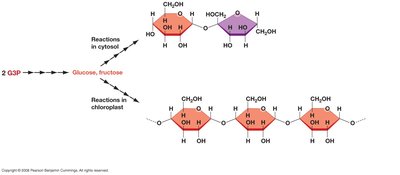
The Calvin cycle occurs in the stroma of the chloroplast and is responsible for carbon fixation—converting inorganic CO2 into organic molecules (G3P, which can be used to make glucose and other carbohydrates).
Key enzyme: Rubisco (ribulose bis-phosphate carboxylase/oxygenase), which catalyzes the first step of the cycle.
Phases: Carbon fixation, reduction, and regeneration of RuBP.
Products of Photosynthesis
The main products are glucose and starch (storage form), and sucrose (transport form). The process also produces oxygen as a byproduct.
Lipids, Membranes, and the First Cells
Structure and Function of Biological Membranes
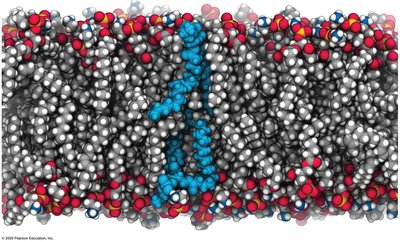
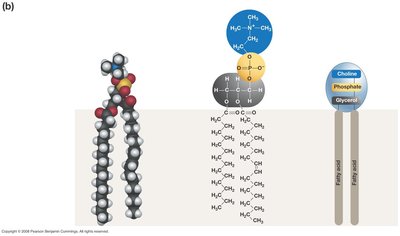
Biological membranes are primarily composed of a phospholipid bilayer, which forms a selective barrier between the cell and its environment. Membranes are dynamic, selectively permeable, and contain embedded proteins that facilitate transport and communication.
Phospholipids: Amphipathic molecules with hydrophilic heads and hydrophobic tails.
Lipid bilayer: Forms spontaneously in aqueous environments due to the amphipathic nature of phospholipids.
Membrane proteins: Responsible for transport of ions, polar molecules, and large molecules across the membrane.
Types of Lipids
Fats (triglycerides): Glycerol linked to three fatty acids via ester linkages; used for energy storage.
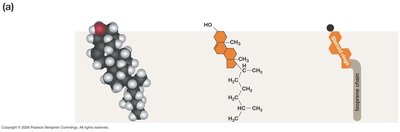
Sterols (e.g., cholesterol): Important for membrane fluidity and as precursors for steroid hormones.
Phospholipids: Glycerol backbone, two fatty acids, and a phosphate group; main component of cell membranes.
Membrane Permeability and Fluidity
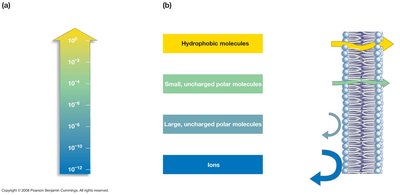
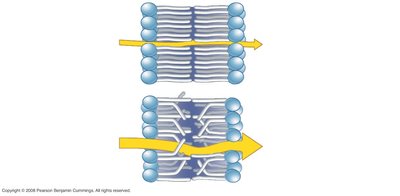
Membrane permeability depends on the structure of the lipid bilayer and the presence of proteins and cholesterol. Unsaturated fatty acids increase membrane fluidity and permeability, while saturated fatty acids and cholesterol decrease it.
Small, nonpolar molecules: Cross membranes quickly.
Large or charged molecules: Cross slowly or require transport proteins.
Experimental Evidence: Artificial Membranes
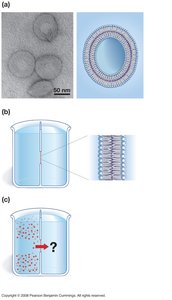
Artificial membranes (liposomes and planar bilayers) are used to study membrane permeability and the effects of different lipid compositions and proteins.
Summary Table: Types of Lipids and Their Functions
Lipid Type | Structure | Main Function |
|---|---|---|
Fats (Triglycerides) | Glycerol + 3 fatty acids | Energy storage |
Sterols (e.g., Cholesterol) | Four fused hydrocarbon rings | Membrane fluidity, hormone precursor |
Phospholipids | Glycerol + 2 fatty acids + phosphate | Membrane structure |
Additional info: The notes above integrate and expand upon the provided lecture slides, including definitions, examples, and academic context for clarity and completeness.
