 Indietro
Study Guide: Vertebrates II—Amniotes and Their Evolutionary Innovations
Guida di studio - Note intelligenti
 Appunti personalizzati basati sui tuoi materiali, ampliati con definizioni chiave, esempi e contesto.
Amniotes: Evolution and Key Innovations
Definition and Origin of Amniotes
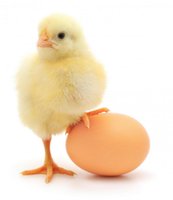
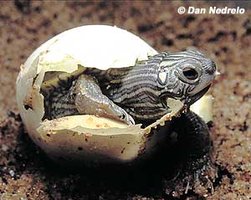
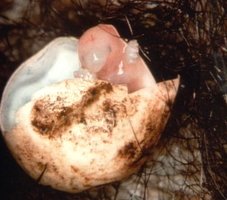
Amniotes are a clade of vertebrates distinguished by the presence of an amniotic egg, which allows embryos to develop on land without desiccation. This adaptation broke the evolutionary tie to aquatic environments and enabled the colonization of terrestrial habitats.
Amniotic Egg: Contains membranes that protect the embryo and facilitate gas exchange.
Clade Name: Refers to the presence of the amniotic egg, not scales, teeth, limbs, or hair.
Major Extant Classes: Reptiles (turtles, lepidosaurs, crocodilians, birds) and mammals.
Key Innovations of Amniotes
Amniotes evolved several adaptations that facilitated their success on land:
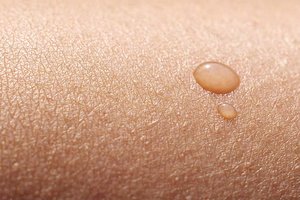
Desiccation-resistant skin: Skin prevents water loss, often covered in scales or keratinized structures.
Thoracic breathing: Negative pressure draws air into lungs, increasing respiratory efficiency.
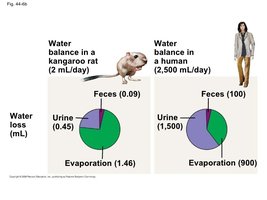
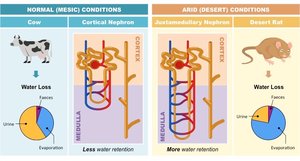
Water-conserving kidneys: Kidneys concentrate waste, minimizing water loss.
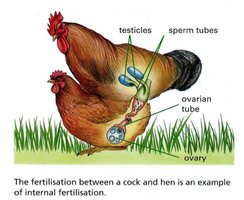
Internal fertilization: Fertilization occurs inside the female, allowing for egg shell formation or embryo retention.
Amniote Diversity
Reptiles: Turtles, Lepidosaurs, Crocodilians, Birds
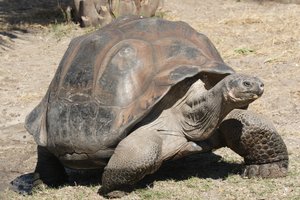
Turtles: Hard shell, vertebrae and ribs fused to shell, found in terrestrial, freshwater, and marine environments. Sex determined by incubation temperature.
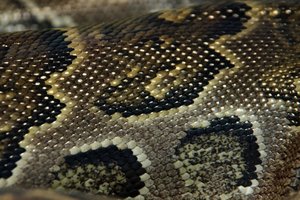
Lepidosaurs: Includes lizards, snakes, and tuataras. Kinetic skull, mobile joints, diverse feeding adaptations.
Crocodilians: Four-chambered heart, upturned nostrils for breathing in shallow water.
Birds: Descended from dinosaurs, adaptations for flight (feathers, hollow bones, air sacs, reduced organs), endothermy, complex behaviors.
Bird Adaptations for Flight
Birds possess four unique features that facilitate flight:
Air sacs: Efficient breathing system.
Reduction of organs: E.g., only one ovary.
Lightweight skeleton: Thin, hollow, honeycombed bones.
Feathers: Modified scales for warmth and flight.
Circulatory and Metabolic Adaptations
Birds: Double circulation, four-chambered heart, endothermy (maintain constant body temperature).
Non-bird reptiles: Ectothermy (body temperature varies with environment), typically three-chambered heart.
Crocodilians: Four-chambered heart like birds and mammals.
Mammals: Characteristics and Diversity
General Features of Mammals
Mammals evolved from amniote ancestors and diversified after the extinction of dinosaurs. They exhibit a wide range of sizes and shapes, with over 5,000 species.
Mammary glands: Secrete milk for nourishing young.
Hair: All mammals have some hair for insulation.
Specialized teeth: Adapted for different diets.
Large brain and skull: Single lower jaw bone, external ears, three inner ear bones.
Endothermy: Subdermal fat stores, high metabolism, four-chambered heart.
Three Clades of Mammals
Monotremes: Egg-laying mammals (platypus, echidnas), lack placenta, poorly developed nipples.
Marsupials: Young finish development in marsupium, simple placenta, mostly in Australia.
Eutherians: Placental mammals, young complete development in uterus, complex placenta, prolonged gestation.
Primates and Human Evolution
Primates: Characteristics and Diversity
Primates include lemurs, tarsiers, monkeys, and apes. They are primarily tree-dwelling and appeared around 85 million years ago.
Grasping hands: Some with opposable thumbs.
Large brain and binocular vision: Enhanced depth perception.
Complex social behavior: Well-developed parental care.
Apes and Human Evolution
Apes: Larger than monkeys, lack tails, include gibbons, gorillas, orangutans, chimpanzees, and humans.
Humans: Distinguished by bipedalism, larger brains, tool use, and complex social interactions.
Hominins: Split from other primates ~7 million years ago; evolution involved several coexisting species.
Australopiths: Early hominins, small size, brain similar to chimpanzees.
Homo spp: Increased brain size, stone tools, upright posture, migration out of Africa.
Homo sapiens: Appeared ~300,000 years ago, replaced H. neanderthalensis, origin in Africa.
Summary Table: Amniote Innovations and Classes
Innovation | Function | Present in |
|---|---|---|
Amniotic egg | Prevents desiccation, protects embryo | Reptiles, birds, monotremes |
Desiccation-resistant skin | Reduces water loss | All amniotes |
Thoracic breathing | Efficient air intake | All amniotes |
Water-conserving kidneys | Concentrates waste | All amniotes |
Internal fertilization | Egg shell formation or embryo retention | All amniotes |
Mammary glands | Milk production | Mammals |
Hair | Insulation | Mammals |
Phylogenetic Relationships
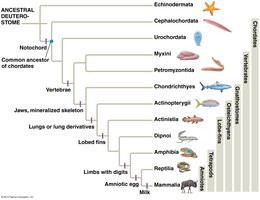
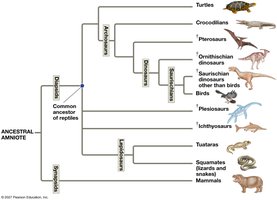
Amniotes are a monophyletic group within vertebrates, sharing a common ancestor. The evolutionary tree shows the relationships among major vertebrate groups, highlighting the emergence of key innovations.
Key Terms and Concepts
Homology: Similarity due to shared ancestry.
Homoplasy: Similarity not due to shared ancestry (convergent evolution).
Endothermy: Regulation of internal body temperature by metabolic means.
Ectothermy: Reliance on external environment for body temperature regulation.
Bipedalism: Walking on two legs, a key human trait.
Equations and Formulas
While this section focuses on evolutionary biology, relevant formulas for physiology include:
Metabolic Rate:
Heart Chambers:
Additional info:
Some context was inferred for completeness, such as the physiological adaptations of kidneys and the evolutionary relationships among amniotes. The notes are structured to provide a comprehensive overview suitable for exam preparation in General Biology.
