 Indietro
Ch 12 - The Cell Cycle (F26 Bernhardt)
Guida di studio - Note intelligenti
 Appunti personalizzati basati sui tuoi materiali, ampliati con definizioni chiave, esempi e contesto.
The Cell Cycle: Overview
Key Roles of Cell Division
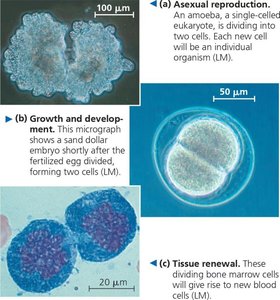
Cell division is fundamental for the reproduction, growth, development, and maintenance of all living organisms. It ensures continuity of life by producing new cells that are genetically identical to the parent cell, except in cases of specialized division such as meiosis.
Asexual reproduction: Single-celled organisms divide to produce new individuals.
Growth and development: Multicellular organisms rely on cell division for development from a fertilized cell and subsequent growth.
Tissue repair and renewal: Cell division replaces damaged or old cells in tissues.
Cell Cycle Phases
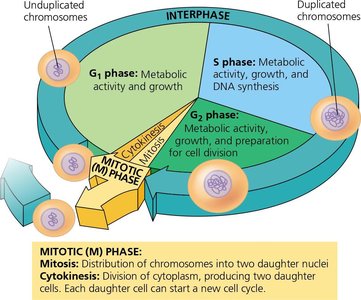
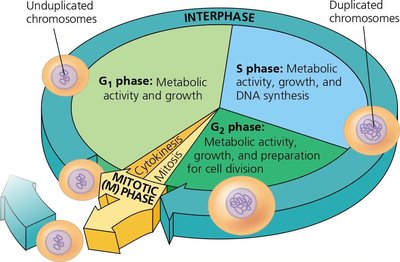
The cell cycle consists of a series of phases that prepare the cell for division and execute the division process. The two main stages are interphase and the mitotic (M) phase.
Interphase: Includes G1 (growth), S (DNA synthesis), and G2 (preparation for division).
Mitotic phase: Includes mitosis (nuclear division) and cytokinesis (cytoplasmic division).
Cellular Organization of Genetic Material
Chromosomes and Chromatin
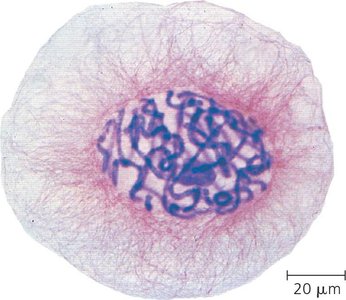
Genetic material is organized into chromosomes, which are composed of DNA and associated proteins (chromatin). Chromatin is less condensed during interphase and condenses into visible chromosomes during cell division.
Genome: All DNA in a cell; prokaryotes usually have a single DNA molecule, eukaryotes have several.
Chromosome: Each DNA molecule is packaged into a chromosome.
Chromatin: Complex of DNA and protein; condenses before and during division.
Chromosome Number: Somatic vs. Gamete Cells
Chromosome number varies among species and between cell types within an organism.
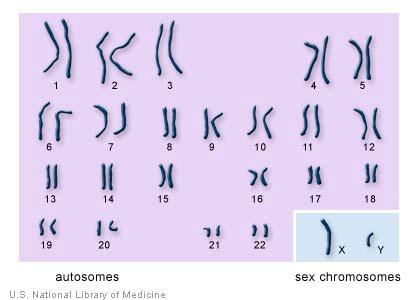
Somatic cells: All body cells except reproductive cells; contain two sets of chromosomes (diploid).
Gametes: Sperm and eggs; contain one set of chromosomes (haploid).
Chromosome Structure and Replication
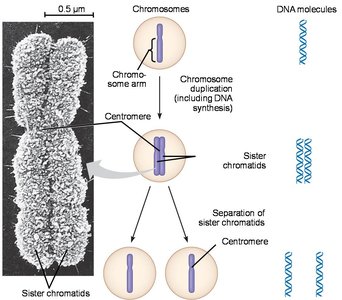
Before cell division, chromosomes are duplicated, resulting in two sister chromatids joined at the centromere. During mitosis, sister chromatids separate, each becoming an independent chromosome.
Sister chromatids: Identical copies of a chromosome, joined at the centromere.
Cohesins: Protein complexes holding sister chromatids together.
Centromere: Region where chromatids are most closely attached.
Phases of the Cell Cycle
Interphase
Interphase is the longest phase of the cell cycle, during which the cell grows, replicates its DNA, and prepares for division.
G1 phase: Cell growth and metabolic activity.
S phase: DNA replication; chromosomes are duplicated.
G2 phase: Further growth and preparation for mitosis.
Mitotic Phase: Mitosis and Cytokinesis
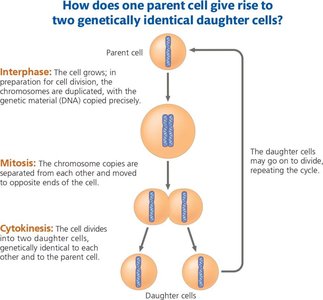
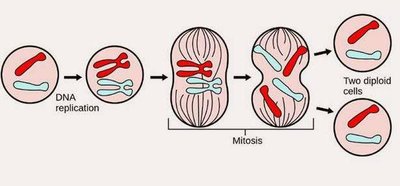
The mitotic phase consists of mitosis (division of the nucleus) and cytokinesis (division of the cytoplasm), resulting in two genetically identical daughter cells.
Mitosis: Steps and Mechanisms
Five Phases of Mitosis
Mitosis is divided into five distinct phases, each characterized by specific events and structural changes within the cell.
Prophase: Chromatin condenses, nucleoli disappear, mitotic spindle forms, centrosomes move apart.
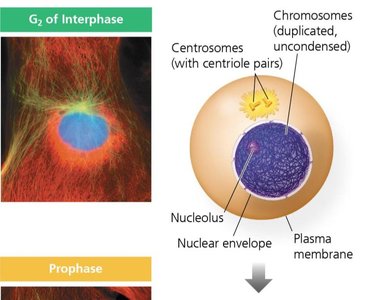
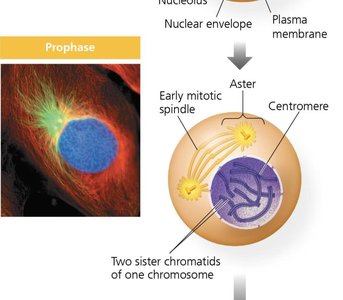
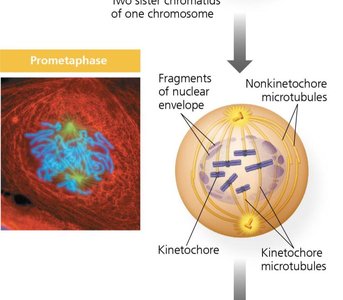
Prometaphase: Nuclear envelope fragments, spindle microtubules attach to kinetochores, chromosomes condense further.
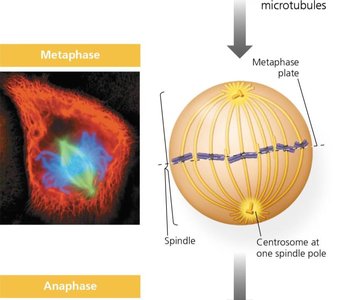
Metaphase: Chromosomes align at the metaphase plate, kinetochores attach to microtubules from opposite poles.
Anaphase: Cohesins are cleaved, sister chromatids separate and move to opposite poles, cell elongates.
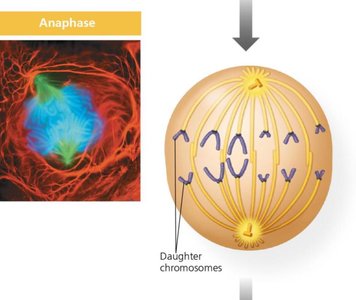
Telophase: Nuclear envelopes reform, chromosomes decondense, nucleoli reappear, spindle breaks down.
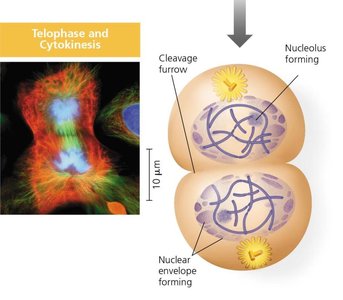
Cytokinesis
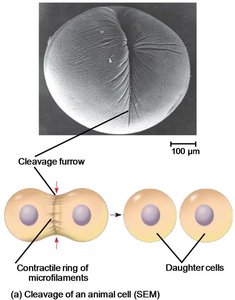
Cytokinesis is the process by which the cytoplasm divides, resulting in two separate daughter cells. In animal cells, this involves the formation of a cleavage furrow that pinches the cell in two.
Cell Cycle Regulation
Checkpoints and Regulatory Proteins
The cell cycle is tightly regulated by checkpoints and specific proteins to ensure proper division and prevent errors.
Checkpoints: G1, G2, and M checkpoints monitor cell size, DNA integrity, and chromosome attachment.
Cyclins and Cyclin-dependent kinases (Cdks): Cyclins fluctuate in concentration, activating Cdks, which phosphorylate target proteins to drive cell cycle progression.
Maturation-promoting factor (MPF): A Cdk-cyclin complex that triggers entry into the M phase.
Loss of Cell Cycle Control: Cancer
Cancer cells often lose normal cell cycle regulation, leading to uncontrolled division. They may bypass checkpoints, ignore growth factor requirements, and divide indefinitely.
Abnormal cell cycle control: Cancer cells may stop dividing at random points, not at checkpoints.
Immortality: Many cancer cells can divide indefinitely.
Comparison: Mitosis vs. Meiosis
Differences in Division
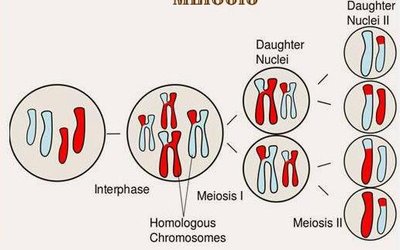
Mitosis produces two genetically identical diploid cells, while meiosis produces four genetically distinct haploid cells. Meiosis involves two rounds of division and is essential for sexual reproduction.
Process | Number of Divisions | Resulting Cells | Genetic Identity |
|---|---|---|---|
Mitosis | 1 | 2 diploid | Identical |
Meiosis | 2 | 4 haploid | Distinct |
Summary
Cell division produces genetically identical daughter cells through mitosis and cytokinesis.
The cell cycle is regulated by cyclins, Cdks, and checkpoints.
Cancer results from loss of cell cycle control.
Key Terms
Chromatin: DNA-protein complex forming chromosomes
Chromosome: DNA molecule packaged for division
Sister chromatid: Identical copy of a chromosome
Centromere: Region joining sister chromatids
Cytokinesis: Division of cytoplasm
Checkpoint: Control point in cell cycle
Cyclin/Cdk: Regulatory proteins
Equations
DNA Replication: Chromosome Number:
Additional info: Academic context was added to clarify the phases, regulatory mechanisms, and comparison between mitosis and meiosis.
