 Indietro
The Cell Cycle and Molecular Biology of Cancer: Study Notes
Guida di studio - Note intelligenti
 Appunti personalizzati basati sui tuoi materiali, ampliati con definizioni chiave, esempi e contesto.
The Cell Cycle
Overview of Cell Division
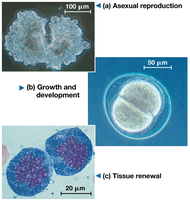
Cell division is a fundamental process in biology, enabling reproduction, growth, and repair in organisms. It ensures the accurate distribution of genetic material to daughter cells. - Cell division is essential for asexual reproduction, growth and development, and tissue renewal. - Multicellular organisms begin as a single cell that divides repeatedly. - Genetic material is copied and distributed precisely during cell division. 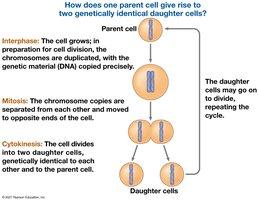
Cellular Organization of Genetic Material
The genome of a cell consists of all its DNA, organized into chromosomes. - Prokaryotic cells typically have a single DNA molecule. - Eukaryotic cells have multiple DNA molecules, packaged as chromosomes. - Chromatin is the complex of DNA and protein that condenses during cell division. - Somatic cells have two sets of chromosomes; gametes have one set. 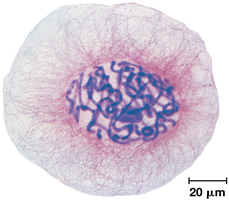
Chromosome Structure and Replication
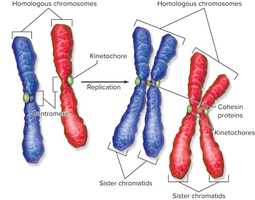
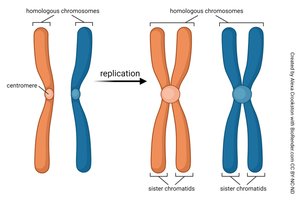
Chromosomes are duplicated before cell division, forming sister chromatids joined at the centromere. - Sister chromatids are identical copies of a chromosome, joined by cohesin proteins. - Centromere is the region where chromatids are most closely attached. 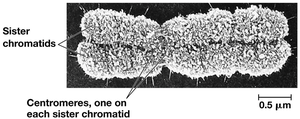
Phases of the Cell Cycle
Interphase
Interphase is the period of cell growth and DNA replication, comprising G1, S, and G2 phases. - G1 phase: Cell grows and prepares for DNA replication. - S phase: DNA is replicated. - G2 phase: Cell prepares for mitosis; chromosomes condense, centrioles replicate, tubulin is synthesized. 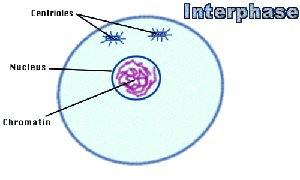
M Phase: Mitosis and Cytokinesis
The M phase includes mitosis (division of the nucleus) and cytokinesis (division of the cytoplasm). - Mitosis is conventionally divided into five stages: prophase, prometaphase, metaphase, anaphase, and telophase. - Cytokinesis follows mitosis, resulting in two genetically identical daughter cells. 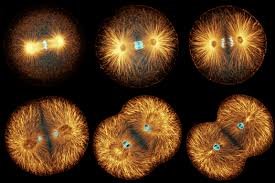
Regulation of the Cell Cycle
Cell Cycle Control System
The cell cycle is regulated by checkpoints, cyclins, and cyclin-dependent kinases (Cdks). - Checkpoints (G1, G2, M) ensure proper progression and integrity of the cell cycle. - Cyclins are proteins whose concentrations fluctuate cyclically. - Cyclin-dependent kinases (Cdks) are enzymes activated by cyclins. - MPF (Maturation-Promoting Factor) is a cyclin-Cdk complex that triggers entry into M phase. 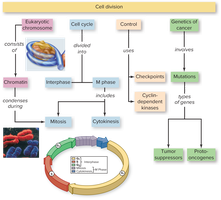
Molecular Biology of Cancer
Genetic Changes Leading to Cancer
Cancer results from mutations affecting cell cycle control. - Proto-oncogenes are normal genes that promote cell growth; mutations convert them to oncogenes, which drive excessive cell division. - Tumor-suppressor genes inhibit cell division; mutations reduce their function, contributing to cancer. - Ras proto-oncogene mutations produce hyperactive Ras protein, stimulating cell division. - p53 tumor suppressor gene mutations prevent cell cycle suppression and DNA repair, leading to uncontrolled growth. - Multiple mutations are typically required for cancer development, often involving both oncogenes and tumor-suppressor genes.
Inherited Predisposition and Environmental Factors
Some individuals inherit mutations in oncogenes or tumor-suppressor genes, increasing cancer risk. - BRCA1/BRCA2 mutations are linked to inherited breast cancer.
Summary Table: Key Terms in Cell Cycle and Cancer
Term | Definition | Role in Cell Cycle/Cancer |
|---|---|---|
Chromatin | DNA-protein complex | Condenses to form chromosomes |
Chromosome | Packaged DNA molecule | Contains genetic material |
Sister Chromatids | Identical copies of a chromosome | Separated during mitosis |
Centromere | Region joining chromatids | Attachment site for spindle |
Cyclin | Regulatory protein | Controls cell cycle progression |
Cdk | Cyclin-dependent kinase | Enzyme regulating cell cycle |
MPF | Cyclin-Cdk complex | Triggers M phase entry |
Proto-oncogene | Normal growth gene | Mutation leads to oncogene |
Oncogene | Mutated growth gene | Promotes cancer |
Tumor-suppressor gene | Inhibits cell division | Mutation promotes cancer |
Key Equations and Concepts
DNA Replication and Chromosome Number
- During S phase, chromosome number remains the same, but DNA content doubles. - After mitosis, each daughter cell has the same chromosome number as the parent.
Cell Cycle Checkpoints
- G1 checkpoint: - G2 checkpoint: - M checkpoint:
Cancer Development
- Multiple mutations: Example: Mutations in both ras and p53 genes are commonly found in human cancers. Additional info: The cell cycle is tightly regulated to prevent uncontrolled cell division, which is characteristic of cancer. Understanding these mechanisms is crucial for developing targeted therapies.
