Indietro

The Skeletal System: Structure, Function, and Physiology

Guida di studio - Impara con i video

Lezioni curate abbinate al materiale che hai caricato – impara ogni argomento passo dopo passo.

Prokaryotic & Eukaryotic Cells

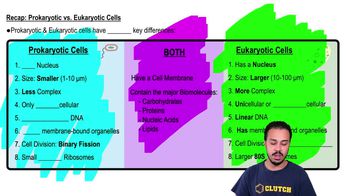
  • Recap: Prokaryotic vs. Eukaryotic Cells
    04:26
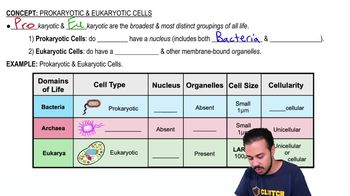
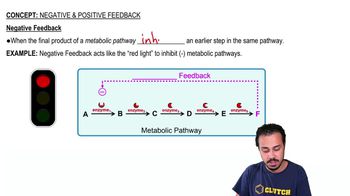
  • Prokaryotic & Eukaryotic Cells
    05:54
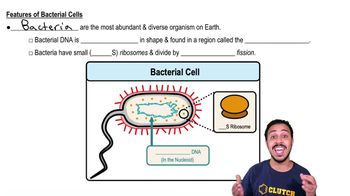
  • Features of Bacterial Cells
    03:54

Introduction to Eukaryotic Organelles

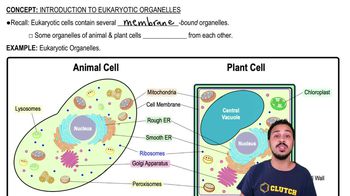
  • Introduction to Eukaryotic Organelles
    03:45
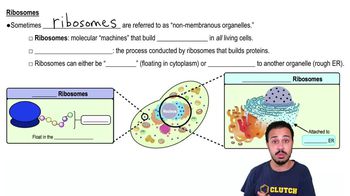
  • Ribosomes
    06:51
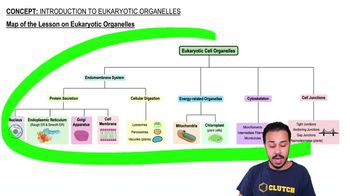
  • Map of the Lesson on Eukaryotic Organelles
    02:43

Introduction to Biomolecules

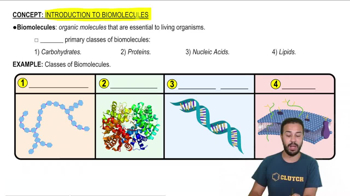
  • Introduction to Biomolecules
    01:17
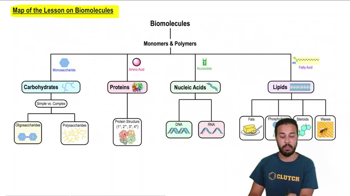
  • Map of the Lesson on Biomolecules
    01:29

Introduction to Metabolism

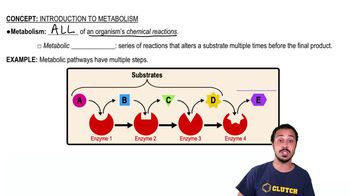
  • Introduction to Metabolism
    02:17
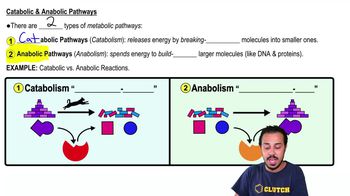
  • Catabolic & Anabolic Pathways
    03:25

Introduction to Energy

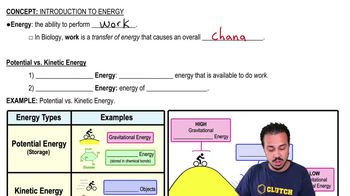
  • Introduction to Energy
    04:58

Introduction to Chemical Bonding

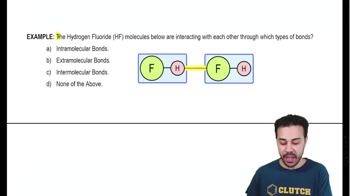
  • Introduction to Chemical Bonding Example 1
    1:59
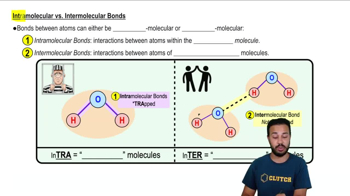
  • Intramolecular vs. Intermolecular Bonds
    03:53
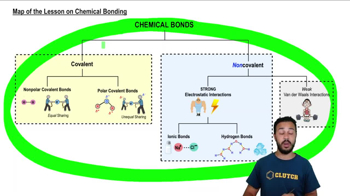
  • Map of the Lesson on Chemical Bonding
    02:42

Carbon

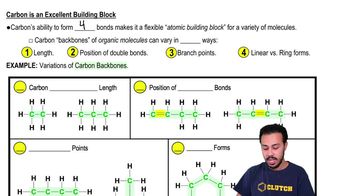
  • Carbon is an Excellent Building Block
    03:35
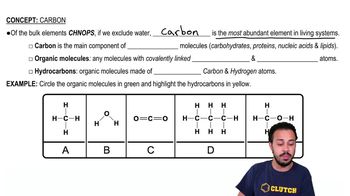
  • Carbon
    04:19

Introduction to Cell Division

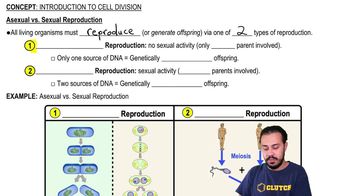
  • Asexual vs. Sexual Reproduction
    04:45
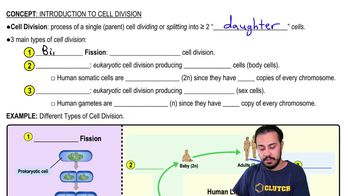
  • Introduction to Cell Division
    09:40
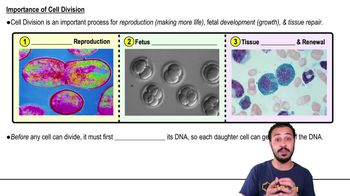
  • Importance of Cell Division
    03:19

Introduction to the Cell Cycle

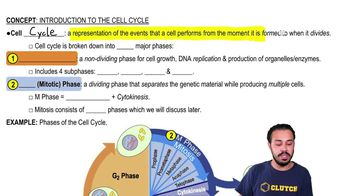
  • Introduction to the Cell Cycle
    04:46

Introduction to DNA Replication

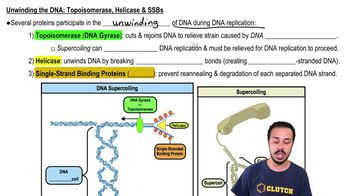
  • Unwinding the DNA: Topoisomerase, Helicase & SSBs
    05:10
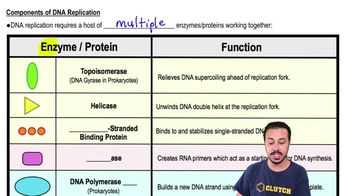
  • Components of DNA Replication
    04:47
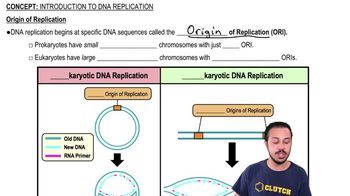
  • Origin of Replication
    03:33

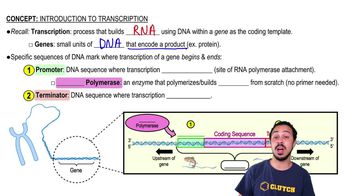
Introduction to Transcription

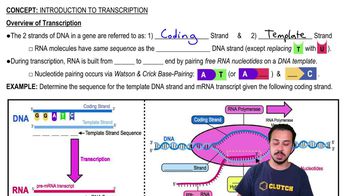
  • Overview of Transcription
    07:44
  • Introduction to Transcription
    05:51

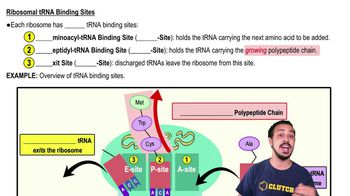
Introduction to Translation

  • Ribosomal tRNA Binding Sites
    06:16
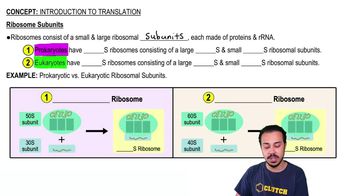
  • Ribosome Subunits
    08:42
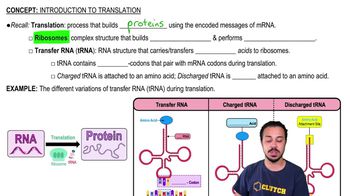
  • Introduction to Translation
    06:12

Introduction to Regulation of Gene Expression

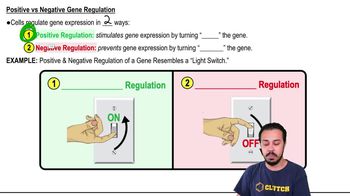
  • Positive vs Negative Gene Regulation
    02:17
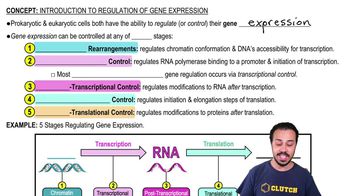
  • Introduction to Regulation of Gene Expression
    06:40

Introduction to Aerobic Cellular Respiration

  • Introduction to Cellular Respiration Example 2
    01:53
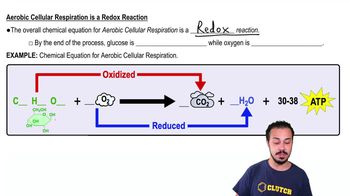
  • Aerobic Cellular Respiration is a Redox Reaction
    04:18
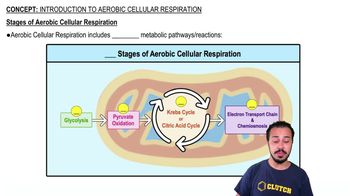
  • Stages of Aerobic Cellular Respiration
    02:31

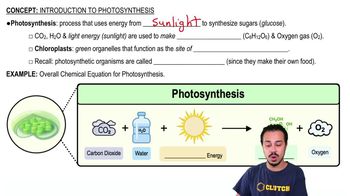
Introduction to Photosynthesis

  • Introduction to Photosynthesis
    03:32
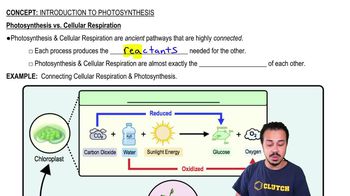
  • Photosynthesis vs. Cellular Respiration
    07:55
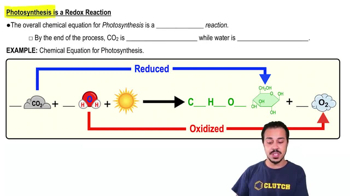
  • Photosynthesis is a Redox Reaction
    03:20

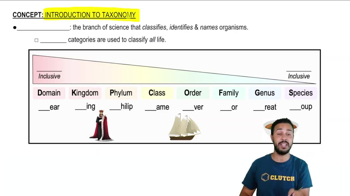
Introduction to Taxonomy

  • Introduction to Taxonomy Example 2
    01:37
  • Categorizing Life Based on Energy Acquisition
    05:48
  • Introduction to Taxonomy
    02:23

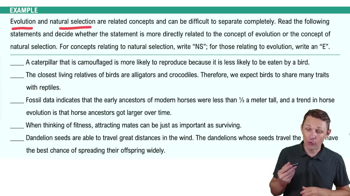
Introduction to Evolution and Natural Selection

  • Introduction to Evolution and Natual Selection Example 1
    03:22
  • Introduction to Evolution and Natual Selection Example 2
    04:28
  • Typological vs. Population Thinking
    03:56

Natural Selection and Evolution

  • Natural Selection Causes Adaptation
    07:48
  • Adaptation Improves Fitness
    02:57
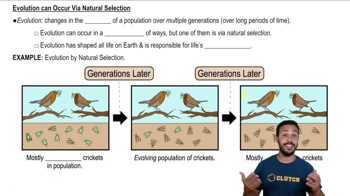
  • Evolution can Occur Via Natural Selection
    04:32

Introduction to Phylogeny

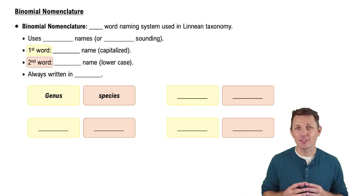
  • Binomial Nomenclature
    02:32
  • Systematics
    06:57
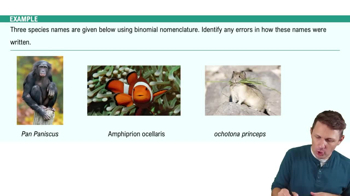
  • Introduction to Phylogeny Example 1
    01:31

Introduction to Prokaryotes

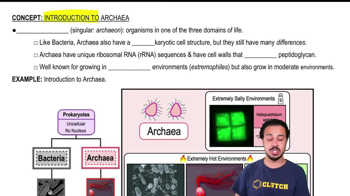
  • Introduction to Archaea
    04:39
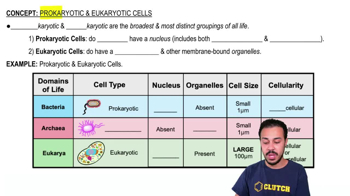
  • Prokaryotic & Eukaryotic Cells
    05:54
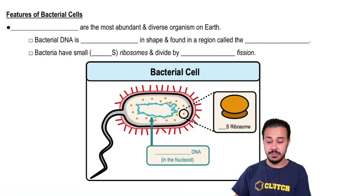
  • Features of Bacterial Cells
    03:54

Introduction to Protists

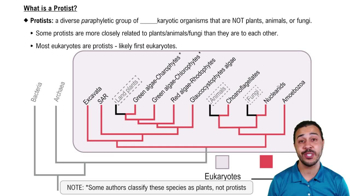
  • What is a Protist?
    03:23
  • Introduction to Protists Example 1
    02:30
  • Introduction to Protists Example 2
    01:39

Land Plants

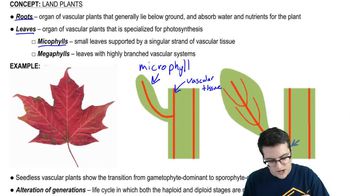
  • Land Plants - 4
    06:17
  • Land Plants - 2
    12:57
  • Land Plants - 3
    03:36

Fungi

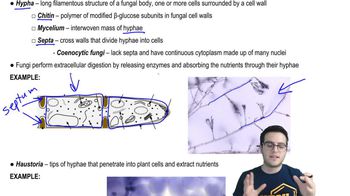
  • Fungi - 1
    08:59
  • Fungi - 2
    09:57

Overview of Animals

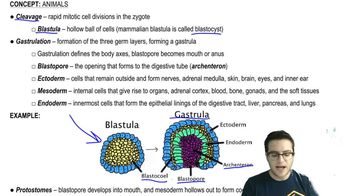
  • Overview of Animals - 2
    06:59
  • Overview of Animals - 5
    04:57
  • Overview of Animals - 3
    12:01

Roots and Shoots

  • Phenotypic Plasticity
    06:58
  • Plant Cells Review
    05:29
  • Shoots and Leaves
    05:46

Tissues

  • Epidermal and Ground Tissue
    05:39
  • Ground Tissue Cells
    04:03
  • Vascular Tissue
    06:58

Growth

  • Root Growth
    05:29
  • Primary Meristems
    07:52
  • Secondary Growth
    06:52

Plant Development

  • Embryogenesis and Body Axes
    03:15
  • Embryonic Plant Development
    06:02
  • Embryonic Tissues and Pattern Formation
    04:31

Water Potential

  • How Water Enters Xylem
    07:59
  • Cohesion-Tension Theory
    05:59
  • Water Potential
    11:32

Soil and Nutrients

  • Ion Exclusion
    04:51
  • Soil Nutrients
    03:25
  • Cation Exchange
    06:26
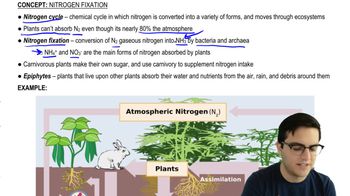
Nitrogen Fixation

  • Nitrogen Cycle
    06:31
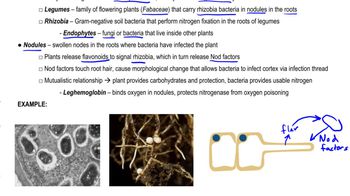
  • Nodules
    09:47

Flowers

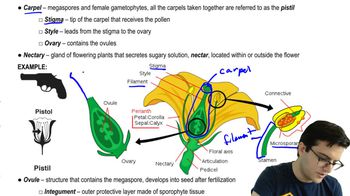
  • Flower Anatomy
    04:08
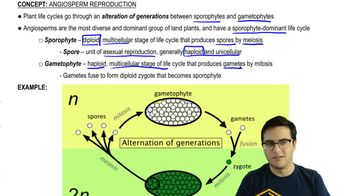
  • Alteration of Generations
    05:18
  • Double Fertilization
    07:44

Seeds

  • Germination
    05:30
  • Embryogenesis
    04:58
  • Fruit
    03:49

Phototropism

  • Photomorphogenesis
    12:53
  • Auxin
    10:46
  • Signal Transduction and Response
    06:56

Tropisms and Hormones

  • Thigmotropism and Cytokinins
    05:19
  • Plant Hormones and Senescence
    08:18
  • Gravitropism
    05:39

Plant Defenses

  • Herbivore Defenses
    05:37
  • Pathogen Defenses
    08:59

Animal Tissues

  • Muscle and Epithelial Tissues
    03:16
  • Tissues and Organs
    05:37
  • Animal Physiology and Fitness Trade-Offs
    10:26
Metabolism and Homeostasis

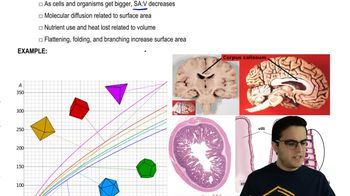
  • Surface Area to Volume Ratio
    07:47
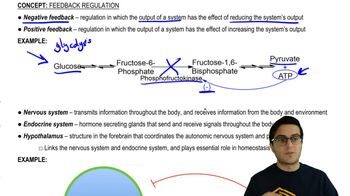
  • Feedback Regulation
    08:57
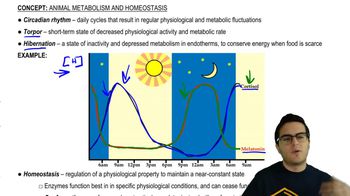
  • Homeostasis
    11:49

Thermoregulation

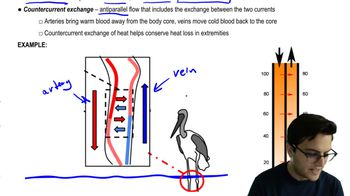
  • Countercurrent Exchange
    06:28
  • Thermoregulation
    09:51

Digestion

  • Digestion and Digestive Tracts
    05:11
  • Mouth and Esophagus
    06:37
  • Nutrient Absorption
    19:59

Blood Sugar Homeostasis

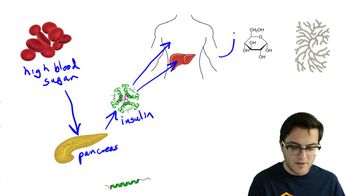
  • Blood Sugar Homeostasis
    07:01

Circulatory and Respiratory Anatomy

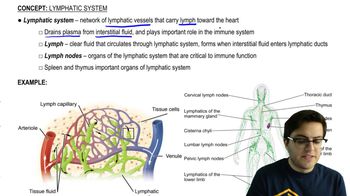
  • Lymphatic System
    02:15
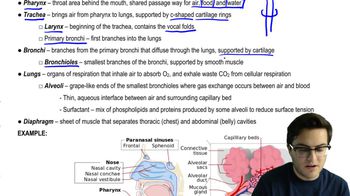
  • Lung Anatomy
    06:24
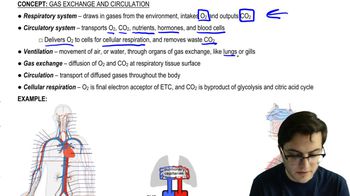
  • Gas Exchange and Circulation
    06:28

Heart Physiology

  • Cardiovascular Disease
    07:53
  • Heart Physiology
    05:13
  • Cardiac Cycle
    05:37

Gas Exchange

  • Diffusion of Gases
    07:48
  • Gas Exchange and Breathing
    05:55
  • Air Movement and Partial Pressure
    08:52

Immune System

  • Immune System
    09:33

Innate Immunity

  • Innate Immune Response
    05:20
  • Inflammatory Response
    03:06
  • Innate Immune Cells
    06:47

Adaptive Immunity

  • Helper T Cells and B Cells
    04:06
  • Lymphocytes
    04:23
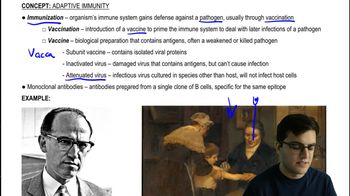
  • Immunization and Autoimmunity
    07:51

Osmoregulation and Excretion

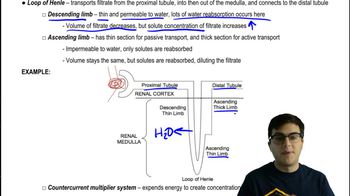
  • Loop of Henle
    06:25
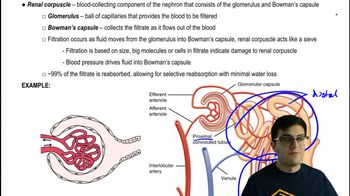
  • Glomerulus and Bowman's Capsule
    04:07
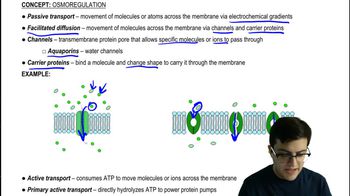
  • Active and Passive Transport
    06:32

Endocrine System

  • Hypothalamus and Pituitary
    03:34
  • Adrenal Glands
    06:17
  • Neuroendocrine Signaling
    03:59

Animal Reproduction

  • Pregnancy and Birth
    04:09
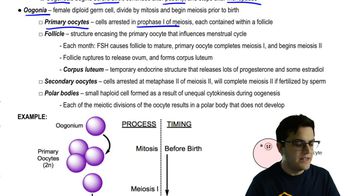
  • Oogenesis
    04:28
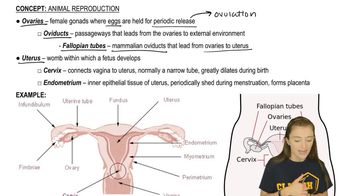
  • Female Reproductive Anatomy
    07:19

Developmental Biology

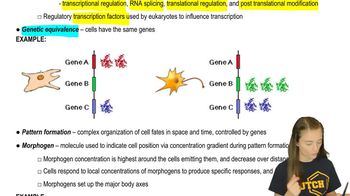
  • Differential Expression, Morphogens, and Pattern Formation
    12:48
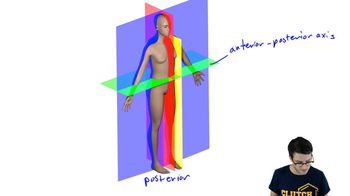
  • Body Axes
    03:45
  • Cell Division and Differentiation
    05:28

Animal Development

  • Cleavage and Blastulation
    07:18
  • Fertilization
    01:59
  • Implantation and Gastrulation
    04:22

Neurons and Action Potentials

  • Neurotransmitters
    12:47
  • Nervous System
    02:14
  • Postsynaptic Potentials and Summation
    05:33

Central and Peripheral Nervous System

  • Motor, Sensory, and Association Areas
    03:59
  • Cerebrum and Cerebral Cortex
    11:10
  • Peripheral Nervous System
    06:26
Sensory System

  • Inner Ear
    06:11
  • Sensory Receptors
    02:54
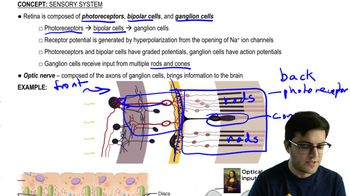
  • The Retina
    06:45

Musculoskeletal System

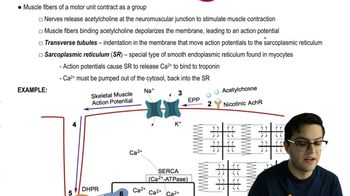
  • Motor Unit and Neuromuscular Junction
    03:14
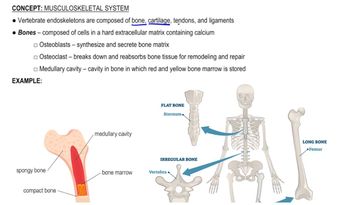
  • Endoskeleton
    01:42
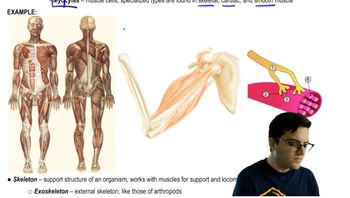
  • Muscle System and Skeleton
    02:08

Animal Behavior

  • Migration and Altruism
    07:15
  • Mating and Parental Care
    03:59
  • Foraging
    04:50

Introduction to Ecology

  • Levels of Ecological Study
    05:01
  • Introduction to Ecology Example 1
    02:31
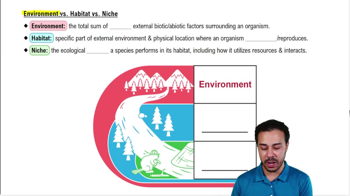
  • Environment vs. Habitat vs. Niche
    01:57

Biogeography

  • Biogeography Example 2
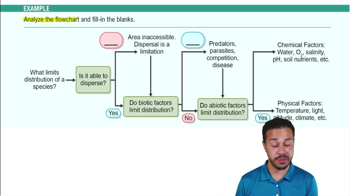
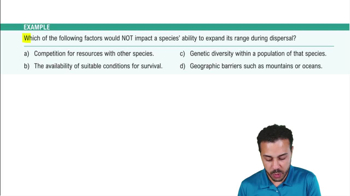
    03:26
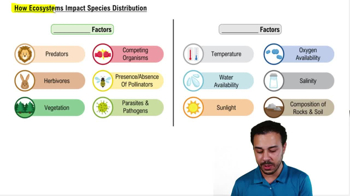
  • How Ecosystems Impact Species Distribution
    01:12
  • Biogeography Example 1
    02:43

Earth's Climate Patterns

  • Earth's Climate Patterns Example 1
    01:36
  • Earth's Climate Patterns Example 3
    01:36
  • Earth's Climate Patterns Example 5
    03:01

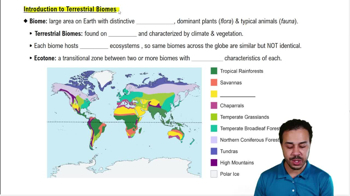
Introduction to Terrestrial Biomes

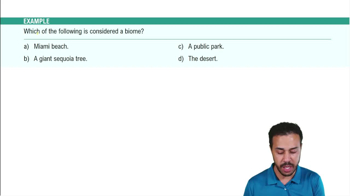
  • Introduction to Terrestrial Biomes Example 2
    01:29
  • Introduction to Terrestrial Biomes
    01:55
  • Introduction to Terrestrial Biomes Example 1
    00:49

Terrestrial Biomes: Near Equator

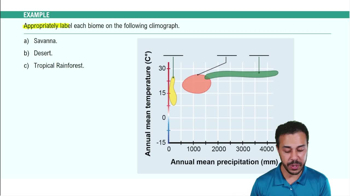
  • Terrestrial Biomes: Near Equator Example 1
    03:03
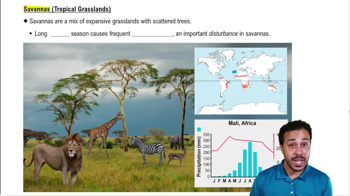
  • Savannas (Tropical Grasslands)
    01:02
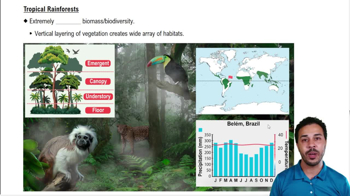
  • Tropical Rainforests
    01:22

Terrestrial Biomes: Temperate Regions

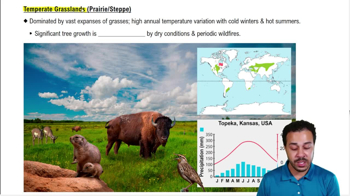
  • Temperate Grasslands (Prairie/Steppe)
    00:51
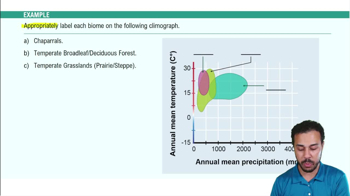
  • Terrestrial Biomes: Temperate Regions Example 1
    01:59
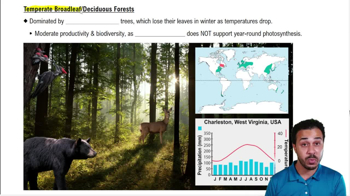
  • Temperate Broadleaf/Deciduous Forests
    01:00

Terrestrial Biomes: Northern Regions

  • Tundras
    00:58
  • Terrestrial Biomes: Northern Regions Example 1
    05:07
  • Northern Coniferous Forests (Boreal Forests/Taiga)
    01:03

Introduction to Aquatic Biomes

  • Zonation in Marine Biomes & Lakes
    04:38
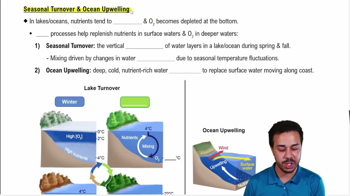
  • Seasonal Turnover & Ocean Upwelling
    03:57
  • Introduction to Aquatic Biomes Example 3
    03:00

Freshwater Aquatic Biomes

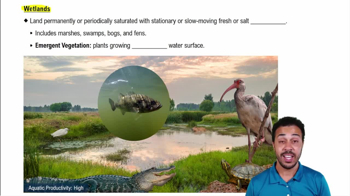
  • Wetlands
    01:29
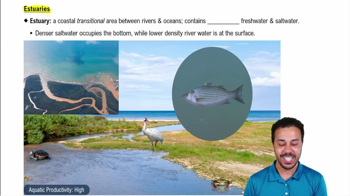
  • Estuaries
    01:51
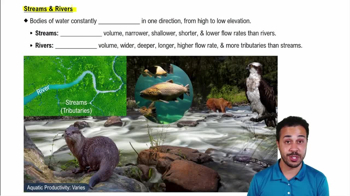
  • Streams & Rivers
    01:41

Marine Aquatic Biomes

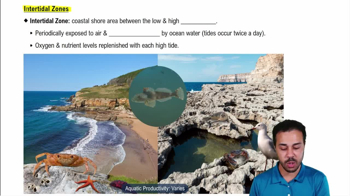
  • Intertidal Zones
    01:43
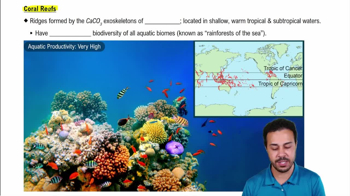
  • Coral Reefs
    01:30
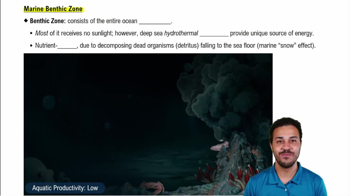
  • Marine Benthic Zone
    01:47

Introduction to Population Ecology

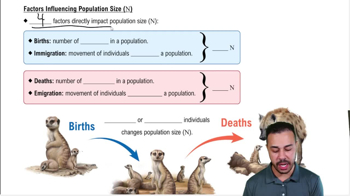
  • Factors Affecting Population Size (N)
    01:48
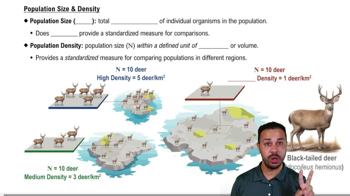
  • Population Size & Density
    01:52
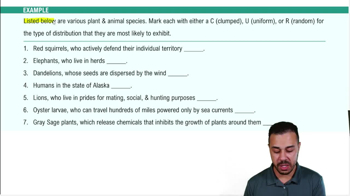
  • Introduction to Population Ecology Example 3
    01:51

Population Sampling Methods

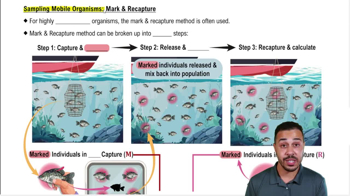
  • Sampling Mobile Organisms: Mark & Recapture
    03:12
  • Population Sampling Methods Example 1
    01:54
  • Sampling Stationary Organisms: Transects & Quadrats
    02:31

Life History

  • Life History
    04:01
  • Life History: Population Reproductive Strategies
    02:51
  • Life History Example 1
    02:46

Population Demography

  • Life Tables
    03:49
  • Population Demography Example 1
    02:18
  • Survivorship Curves
    02:54

Factors Limiting Population Growth

  • Density-Dependent Factors
    02:37
  • Factors Limiting Population Growth
    00:51
  • Density-Dependent vs. Density-Independent Factors
    03:14

Introduction to Population Growth Models

  • Introduction to Population Growth Models Example 3
    02:52
  • Introduction to Population Growth Models
    01:09
  • Assumptions of Population Growth Models
    03:29

Linear Population Growth

  • Linear Population Growth
    02:47
  • Linear Population Growth Example 1
    01:39

Exponential Population Growth

  • Exponential Population Growth Example 2
    07:34
  • Exponential Population Growth
    03:05
  • Exponential Population Growth Equations
    06:35

Logistic Population Growth

  • Summary of Key Features & Assumptions for Each Population Growth Model
    07:28
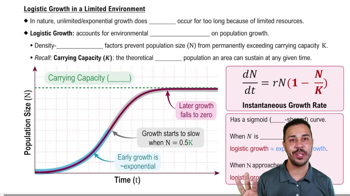
  • Logistic Growth in a Limited Environment
    05:00
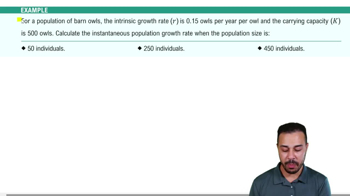
  • Logistic Population Growth Example 1
    04:28

r/K Selection

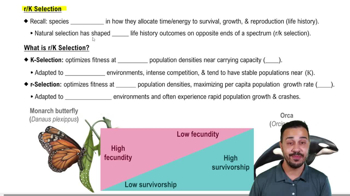
  • r/K Selection
    04:08
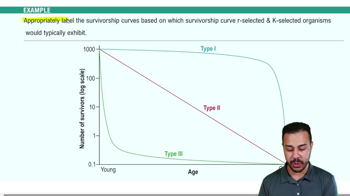
  • r/K Selection Example 1
    02:01

The Human Population

  • The Human Population Example 1
    02:36
  • The Human Population Example 2
    02:01
  • Age-Structure Affects a Country's Human Population Growth
    02:45

Introduction to Community Ecology

  • Introduction to Community Ecology
    02:03

Introduction to Community Interactions

  • Overview: Types of Community Interactions
    02:55
  • Introduction to Community Interactions Example 1
    02:23
  • Introduction to Community Interactions
    01:57

Community Interactions: Competition (-/-)

  • Resource Partitioning (Partial Niche Overlap)
    03:57
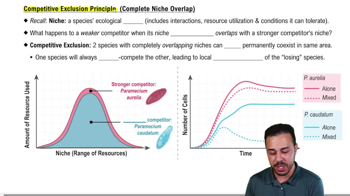
  • Competitive Exclusion Principle (Complete Niche Overlap)
    04:23
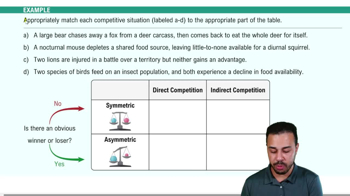
  • Community Interactions: Competition (-/-) Example 1
    04:23

Community Interactions: Exploitation (+/-)

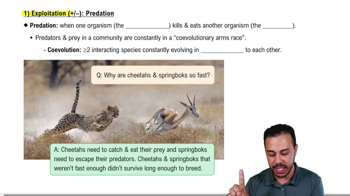
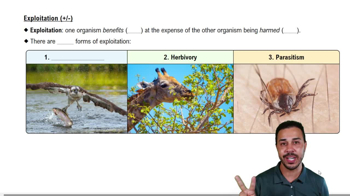
  • 1) Exploitation (+/-): Predation
    01:42
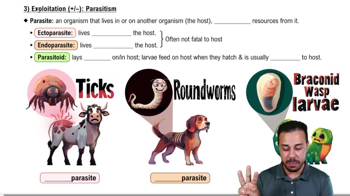
  • 3) Exploitation (+/-): Parasitism
    02:37
  • Community Interactions: Exploitation (+/–)
    00:49

Community Interactions: Mutualism (+/+) & Commensalism (+/0)

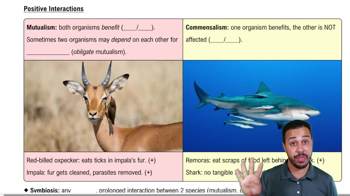
  • Positive Interactions
    02:56
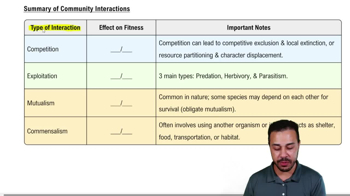
  • Summary of Community Interactions
    01:52

Community Structure

  • Community Structure Example 3
    02:22
  • Community Structure Example 1
    03:37
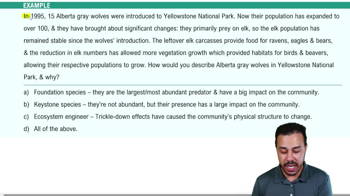
  • Community Structure
    04:25

Community Dynamics

  • Disturbances Make Communities Dynamic
    03:37
  • Secondary Ecological Succession
    02:31
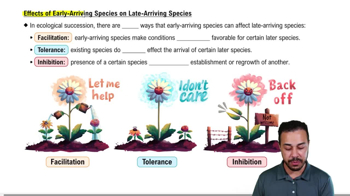
  • Effects of Early-Arriving Species on Late-Arriving Species
    01:34

Geographic Impact on Communities

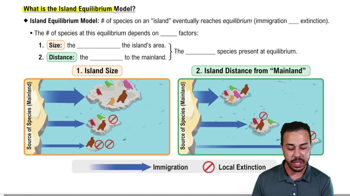
  • What is the Island Equilibrium Model?
    03:48
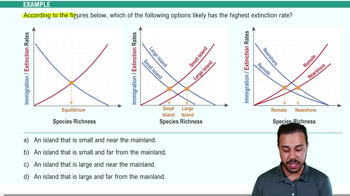
  • Geographic Impact on Communities Example 2
    03:54
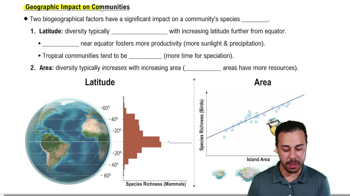
  • Geographic Impact on Communities
    03:35

Introduction to Ecosystems

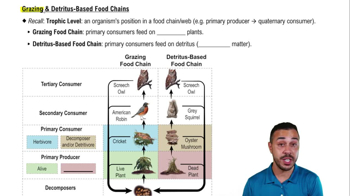
  • Grazing & Detritus-Based Food Chains
    03:29
  • Introduction to Ecosystems Example 2
    01:57
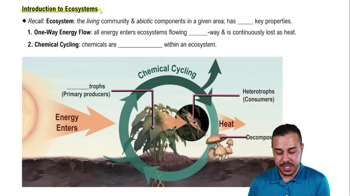
  • Introduction to Ecosystems
    04:07

Energy Flow Through Ecosystems

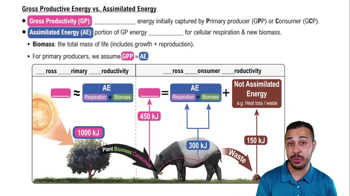
  • Gross Productive Energy vs. Assimilated Energy
    05:28
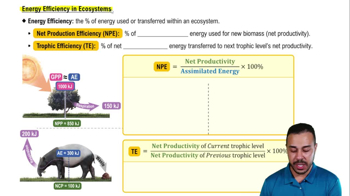
  • Energy Efficiency in Ecosystems
    06:28
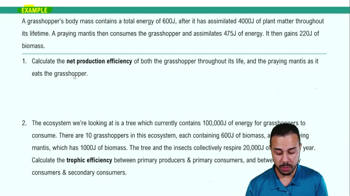
  • Energy Flow Through Ecosystems Example 2
    07:07

Making Sense of Ecosystem Production & Efficiency

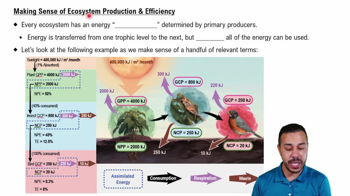
  • Making Sense of Ecosystem Production & Efficiency
    07:47
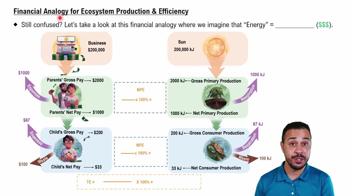
  • Financial Analogy for Ecosystem Production & Efficiency
    07:23

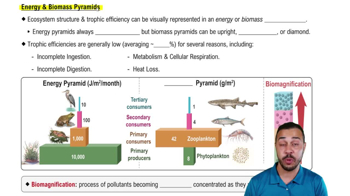
Energy & Biomass Pyramids

  • Energy & Biomass Pyramids
    05:41
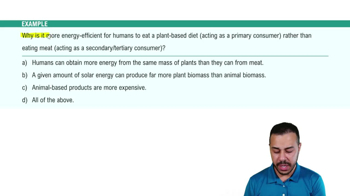
  • Energy & Biomass Pyramids Example 1
    03:41

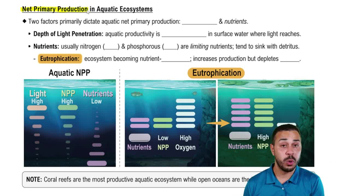
Factors Impacting Primary Production

  • Primary Production in Aquatic Ecosystems
    04:36
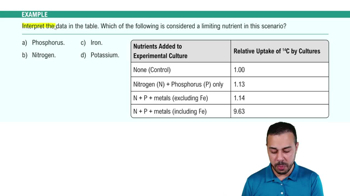
  • Factors Impacting Primary Production Example 1
    02:31
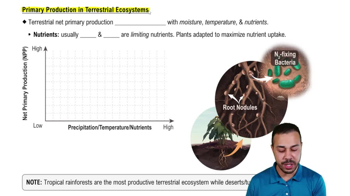
  • Primary Production in Terrestrial Ecosystems
    02:22

Biogeochemical Cycles

  • Biogeochemical Cycles Example 2
    02:40
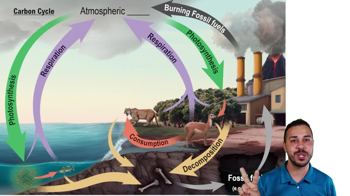
  • Carbon Cycle
    04:20
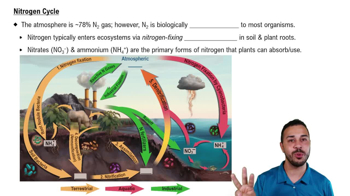
  • Nitrogen Cycle
    08:32

Conservation Biology

  • Biodiversity Hotspots and Endangered Species
    04:32
  • Biodiversity and Sustainability
    05:06
  • Pollution and Climate Change
    03:36

Characteristics of Life

  • Characteristics of Life
    09:26
  • Characteristics of Life Example 1
    02:59

Life's Organizational Hierarchy

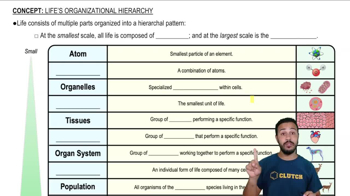
  • Life's Organizational Hierarchy
    09:50
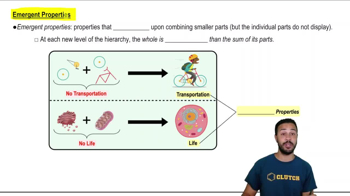
  • Emergent Properties
    04:05
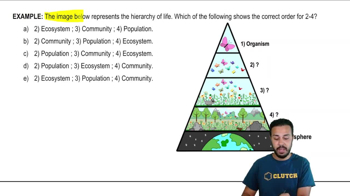
  • Life's Organizational Hierarchy Example 1
    03:05

Introduction to Biology

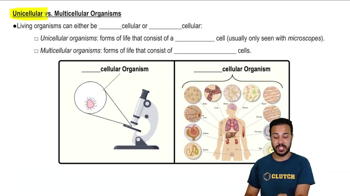
  • Unicellular vs. Multicellular
    02:09
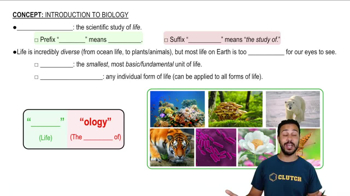
  • Introduction to Biology
    02:54
  • Introduction to Biology Channel
    1:28

Scientific Method

  • Scientific Method Example 1
    01:35
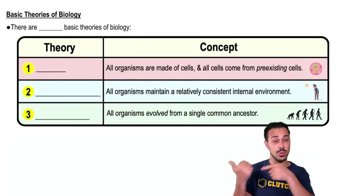
  • Basic Theories of Biology
    03:03
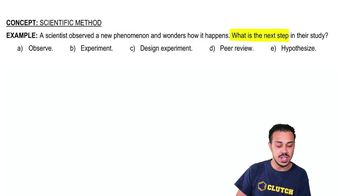
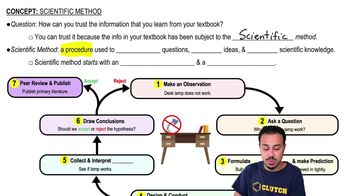
  • Scientific Method
    06:29

Experimental Design

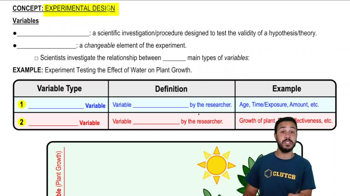
  • Variables
    07:36
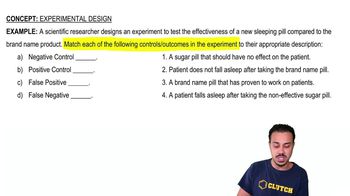
  • Experimental Design Example 1
    02:50
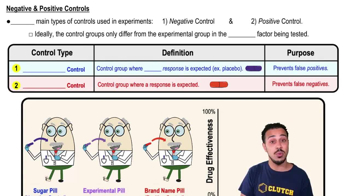
  • Negative & Positive Controls
    07:42

Atoms - Smallest Unit of Matter

  • Atoms- Smallest Unit of Matter Example 1
    02:13
  • Atoms- Smallest Unit of Matter Example 3
    03:51
  • Electron Orbitals & Energy Shells
    09:44

Isotopes

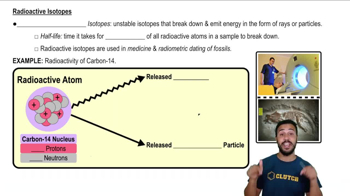
  • Isotopes
    06:50
  • Radioactive Isotopes
    02:37

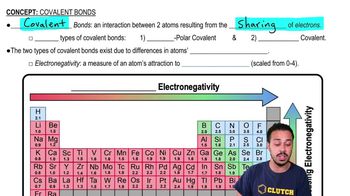
Covalent Bonds

  • Covalent Bonds
    04:28
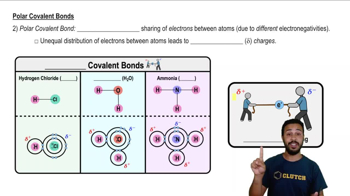
  • Polar Covalent Bonds
    06:59
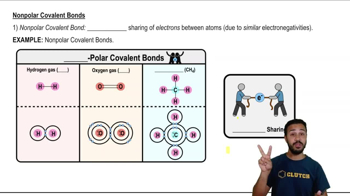
  • Nonpolar Covalent Bonds
    06:41

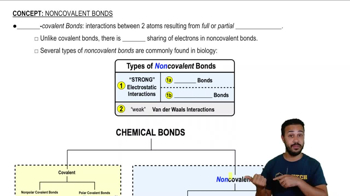
Noncovalent Bonds

  • Noncovalent Bonds
    03:40

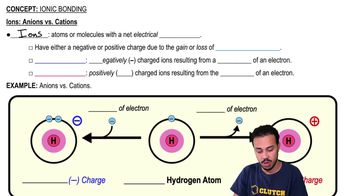
Ionic Bonding

  • Ions: Anions vs. Cations
    04:34
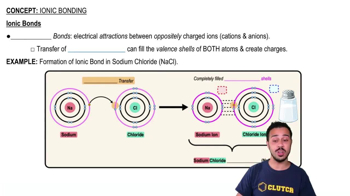
  • Ionic Bonds
    06:07

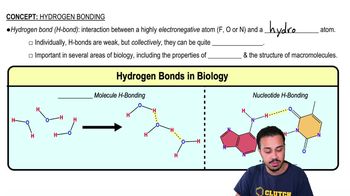
Hydrogen Bonding

  • Hydrogen Bonding
    05:03

Introduction to Water

  • Introduction to Water
    01:54
  • Introduction to Water Example 1
    01:51
  • Emergent Properties of Water
    01:29

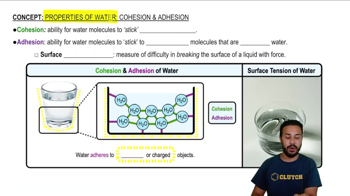
Properties of Water- Cohesion and Adhesion

  • Properties of Water- Cohesion and Adhesion Example 1
    01:46
  • Properties of Water- Cohesion and Adhesion
    04:16

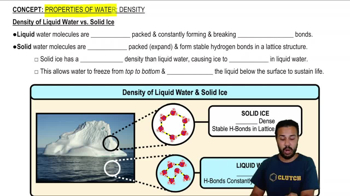
Properties of Water- Density

  • Density of Liquid Water vs. Solid Ice
    05:43
  • Properties of Water- Density Example 1
    02:13

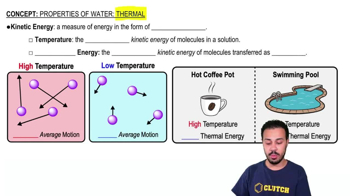
Properties of Water- Thermal

  • Properties of Water- Thermal
    04:07
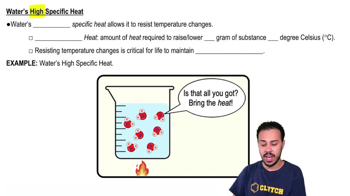
  • Water’s High Specific Heat
    03:25
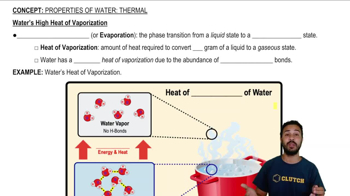
  • Water’s High Heat of Vaporization
    03:31

Properties of Water- The Universal Solvent

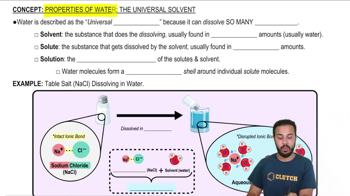
  • Properties of Water- The Universal Solvent
    06:20
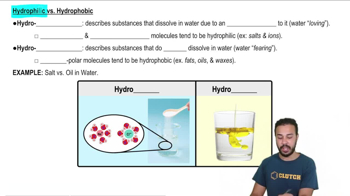
  • Hydrophilic vs. Hydrophobic
    03:43
  • Homogenous vs. Heterogenous Solutions
    02:19

Acids and Bases

  • Acids
    02:45
  • Acids and Bases
    01:29
  • Bases
    03:48

pH Scale

  • Buffers
    05:38
  • pH Scale
    11:05

Carbon

  • Carbon is an Excellent Building Block
    03:35
  • Carbon
    04:19

Functional Groups

  • Functional Groups Example 1
    02:00
  • Functional Groups
    06:04

Monomers & Polymers

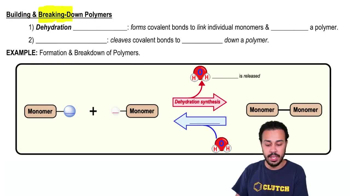
  • Building & Breaking-Down Polymers
    04:19
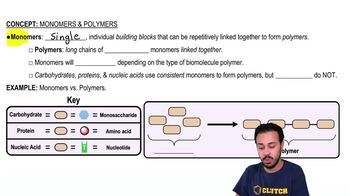
  • Monomers & Polymers
    03:42

Carbohydrates

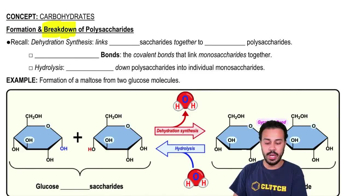
  • Formation & Breakdown of Polysaccharides
    03:08
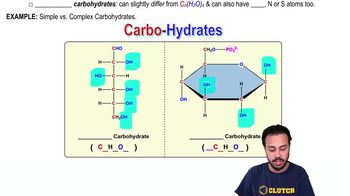
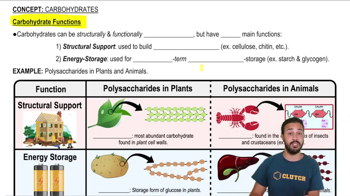
  • Carbohydrates
    04:53
  • Carbohydrate Functions
    05:08

Proteins

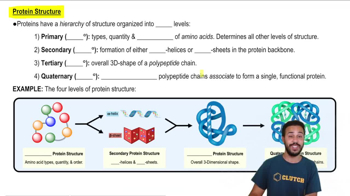
  • Protein Structure
    08:02
  • Amino Acids
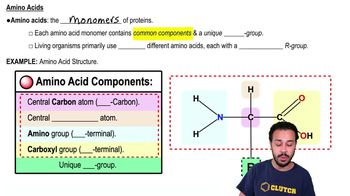
    04:37
  • Proteins
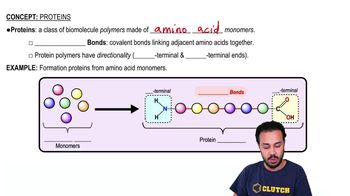
    02:50

Nucleic Acids

  • Nucleic Acids Example 2
    01:05
  • Formation & Breakdown of Nucleic Acids
    04:07
  • DNA vs. RNA
    05:57

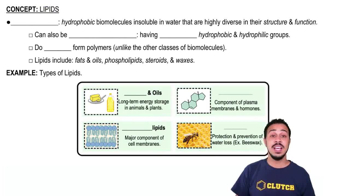
Lipids

  • Steroids & Waxes
    03:30
  • Lipids
    04:19
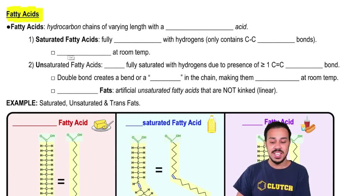
  • Fatty Acids
    06:59

Microscopes

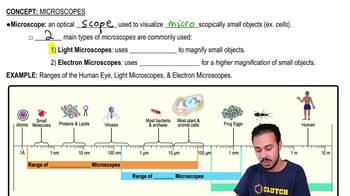
  • Microscopes
    06:35
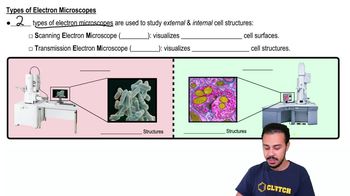
  • Types of Electron Microscopes
    02:52

Prokaryotic Cell Structure

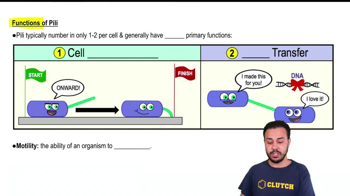
  • Functions of Pili
    01:46
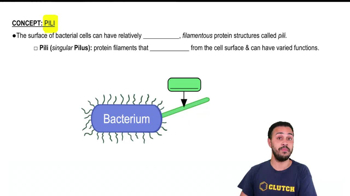
  • Pili
    01:02
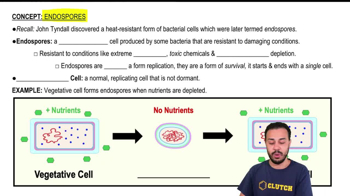
  • Endospores
    05:35

Prokaryotic Motility

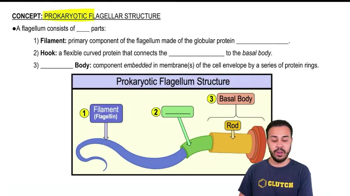
  • Prokaryotic Flagellar Structure
    02:40
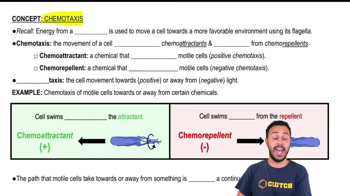
  • Chemotaxis
    03:21
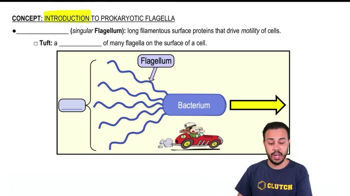
  • Introduction to Prokaryotic Flagella
    02:00

Prokaryotic Reproduction

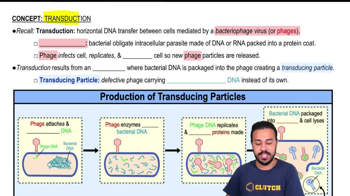
  • Transduction
    06:49
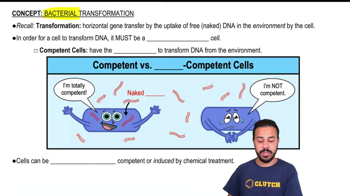
  • Bacterial Transformation
    03:06
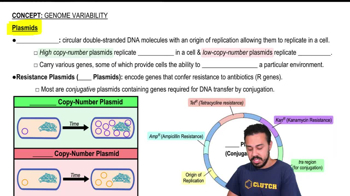
  • Plasmids
    04:44

Prokaryotic Metabolism

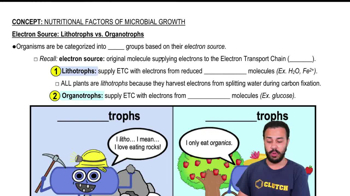
  • Electron Source: Lithotrophs vs. Organotrophs
    03:21
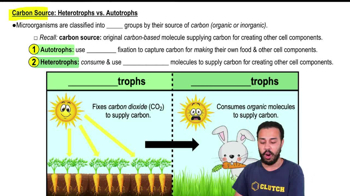
  • Carbon Source: Heterotrophs vs. Autotrophs
    02:59
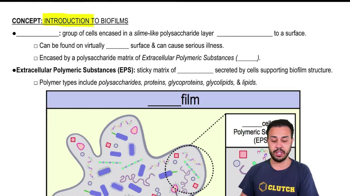
  • Introduction to Biofilms
    03:31

Prokaryotic Diversity

  • Prokaryote Lineages 1
    03:51
  • Reviewing the Environmental Factors of Microbial Growth
    07:21
  • Prokaryote Lineages 2
    05:13

Prokaryotes in the Environment

  • Prokaryote Ecology
    05:34
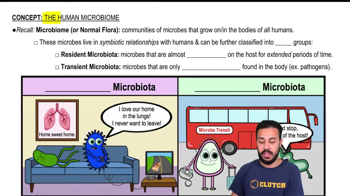
  • The Human Microbiome
    03:25
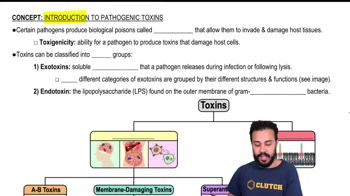
  • Introduction to Pathogenic Toxins
    03:40

Evolution of Protists

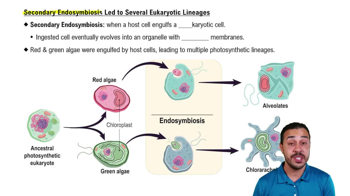
  • Secondary Endosymbiosis Led to Several Eukaryotic Lineages
    02:37
  • Evolution of Protists Example 1
    01:43
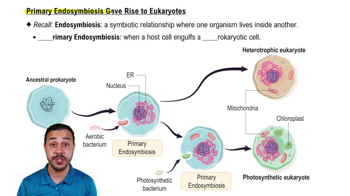
  • Primary Endosymbiosis Gave Rise to Eukaryotes
    01:37

Protist Life Cycles

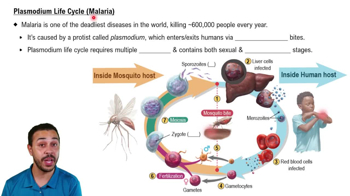
  • Plasmodium Life Cycle (Malaria)
    04:56
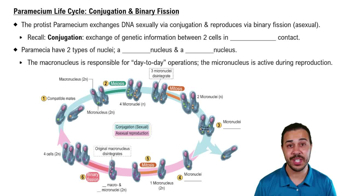
  • Paramecium Life Cycle: Conjugation & Asexual Reproduction
    06:28
  • Protist Life Cycles Example 2
    01:22

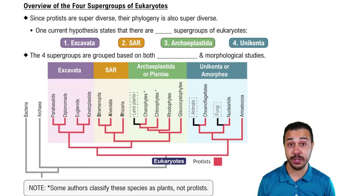
Eukaryotic Supergroups: Exploring Protist Diversity

  • Overview of the Four Supergroups of Eukaryotes
    03:01

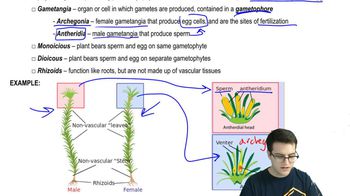
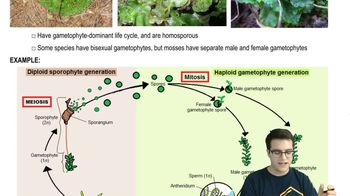
Nonvascular Plants

  • Nonvascular Plants - 2
    07:32
  • Nonvascular Plants - 1
    06:16

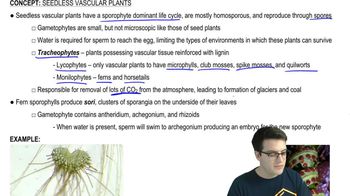
Seedless Vascular Plants

  • Seedless Vascular Plants
    06:08

Seed Plants

  • Seed Plants - 1
    06:26
  • Seed Plants - 3
    05:26
  • Seed Plants - 4
    10:21

Fungi Reproduction

  • Fungi Reproduction - 2
    04:54
  • Fungi Reproduction - 1
    09:27
  • Fungi Reproduction - 3
    03:12

Porifera and Cnidaria

  • Porifera and Cnidaria
    10:20

Lophotrochozoans

  • Lophotrochozoans
    11:32
  • Mollusks and Annelids
    06:13

Ecdysozoans

  • Nematodes
    02:05
  • Crustaceans and Hexapods
    13:55
  • Arthropods and Chelicerata
    08:00

Echinoderms

  • Echinoderms
    03:39

Chordates

  • Chordates
    05:34
  • Bony Fish
    05:21
  • Tetrapods
    05:57

Aminotes

  • Birds and Synapsids
    04:14
  • Marsupials and Placental Mammals
    02:12
  • Mammals and Monotremes
    02:40

Primates and Homonids

  • Homonids
    11:30
  • Primates
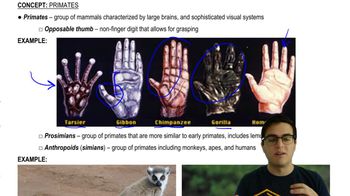
    05:26

Roots and Shoots

  • Phenotypic Plasticity
    06:58
  • Plant Cells Review
    05:29
  • Shoots and Leaves
    05:46

Biological Membranes

  • Biological Membranes Example 1
    02:21
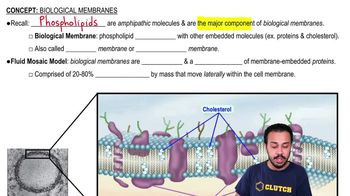
  • Biological Membranes
    06:04

Enzymes

  • Functions of Enzymes
    02:32
  • Enzymes Example 1
    02:25
  • Enzymes
    02:55

Enzyme Activation Energy

  • Enzyme Activation Energy
    04:18
  • Enzymes Lower Activation Energy
    03:26

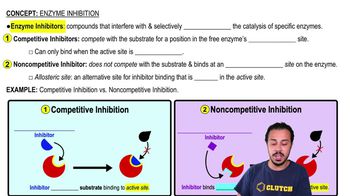
Enzyme Inhibition

  • Enzyme Inhibition
    05:03

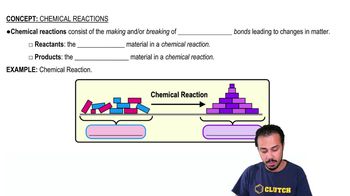
Chemical Reactions

  • Chemical Reactions
    01:56
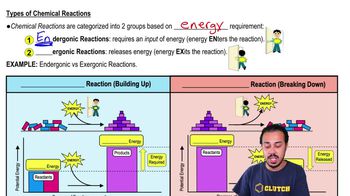
  • Types of Chemical Reactions
    05:48

Introduction to Metabolism

  • Introduction to Metabolism
    02:17
  • Catabolic & Anabolic Pathways
    03:25

Acids and Bases

  • Acids
    02:45
  • Acids and Bases
    01:29
  • Bases
    03:48

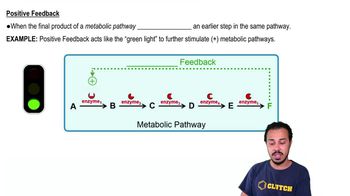
Negative & Positive Feedback

  • Positive Feedback
    02:19
  • Negative Feedback
    02:41

Introduction to Biomolecules

  • Introduction to Biomolecules
    01:17
  • Map of the Lesson on Biomolecules
    01:29

Introduction to Biomolecules

  • Introduction to Biomolecules
    01:17
  • Map of the Lesson on Biomolecules
    01:29

Introduction to Biomolecules

  • Introduction to Biomolecules
    01:17
  • Map of the Lesson on Biomolecules
    01:29

Introduction to the Cell Cycle

  • Introduction to the Cell Cycle
    04:46

Tissues

  • Epidermal and Ground Tissue
    05:39
  • Ground Tissue Cells
    04:03
  • Vascular Tissue
    06:58